


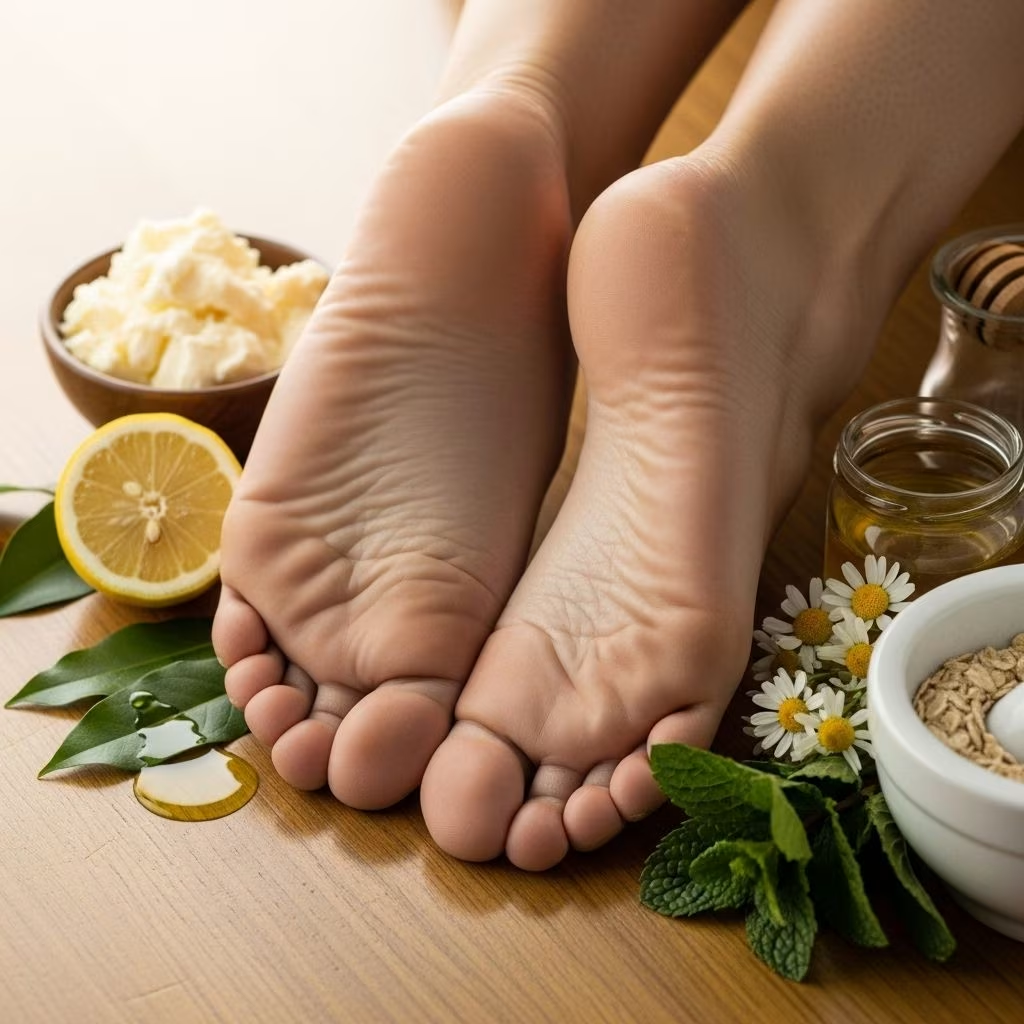
Unlock Softer Heels: 10 Powerful Natural Remedies for Cracked Heels
Cracked heels are a common foot concern that affects millions worldwide, leading to discomfort, pain, and self-consciousness. While commercial creams can offer relief, natural remedies often provide gentle, effective, and affordable solutions using ingredients found in most homes. This guide explores ten powerful natural remedies for cracked heels—and reveals how you can restore softness and health to your feet naturally.
Understanding Cracked Heels: Causes and Symptoms
- Dry Skin: The most frequent cause, often worsened by exposure to harsh soaps, cold weather, or standing for extended periods.
- Lack of Moisturization: Skipping daily moisture leaves heels vulnerable to cracking.
- Medical Conditions: Diseases such as diabetes, eczema, and thyroid disorders can exacerbate heel dryness.
- Symptoms: Thickened skin, visible fissures, redness, pain, and sometimes bleeding.
Top 10 Natural Remedies for Cracked Heels
These remedies utilize safe, accessible ingredients and address both surface dryness and deep fissures. While individual results may vary, consistent use and proper foot care can yield remarkable improvement.
1. Coconut Oil
Coconut oil is renowned for its intensive moisturizing ability. Its fatty acid profile repairs dry, damaged skin and forms a protective barrier against further moisture loss.
- Apply organic coconut oil to freshly washed feet, concentrating on heels.
- Massage for several minutes, then cover with socks overnight.
- Repeat nightly for visible results within a week.
2. Red Onion
Surprisingly, red onion offers antibacterial, antifungal, and skin-soothing properties. Its sulfur compounds can aid healing and reduce inflammation.
- Slice a red onion and gently rub it over cracked heels for three to five minutes.
- Leave the residue on the skin for 15 minutes before rinsing with warm water.
- Repeat daily for best results.
3. Sea Salt
Ocean mineral salts help exfoliate rough skin and promote regeneration. This remedy softens calluses and supports the natural healing process.
- Add two tablespoons of sea salt to warm water and soak your feet for 15 minutes.
- After soaking, gently scrub heels with a pumice stone.
- Rinse and moisturize with your favorite oil or cream.
4. Honey
Honey is a natural humectant and boasts antibacterial properties. It draws moisture into the skin and accelerates wound healing.
- Apply raw honey generously over cracked areas.
- Cover with old socks and leave on overnight.
- Alternatively, use honey as a 20-minute foot mask, then rinse.
5. Aloe Vera
Aloe vera gel delivers hydrating, cooling relief to inflamed or painful heel cracks. Its enzymes promote skin regeneration and reduce redness.
- Spread a thick layer of pure aloe gel over heels before bed.
- Cover with breathable cotton socks and rinse off in the morning.
- Use daily for optimal repair.
6. Olive Oil
Olive oil is easily absorbed and loaded with antioxidants and vitamins that nourish skin layers. It provides deep hydration and softens thick calluses.
- Massage a teaspoon of extra virgin olive oil into the heels for five minutes.
- Leave on as a moisturizer overnight.
- Pair with exfoliating scrub once a week for maximum softness.
7. Banana
Banana acts as a natural emollient, delivering instant moisture and skin-smoothing nutrients. The fruit’s enzymes soften rough, cracked surfaces.
- Mash one ripe banana and apply the paste to your heels.
- Let sit for 15–20 minutes, then rinse off with lukewarm water.
- Repeat three times weekly.
8. Shea Butter
Shea butter is packed with fatty acids and vitamins—an excellent choice for chronic dryness and deep fissures.
- Massage shea butter into clean, dry heels before sleeping.
- Layer the application for extra hydration during colder months.
- You may notice softer heels in a few nights.
9. Oatmeal
Oatmeal delivers gentle exfoliation and soothes irritated skin through its anti-inflammatory properties.
- Combine two tablespoons of ground oatmeal with honey to make a thick paste.
- Spread onto heels and cover for 30 minutes.
- Rinse and pat dry, then moisturize thoroughly.
10. Lemon Juice
Lemon juice helps dissolve dead skin cells and lightens discoloration. It also provides a fresh scent and mild antibacterial effect.
- Dab a cotton ball in fresh lemon juice and apply to cracked areas.
- Let sit for 10 minutes, rinse, then follow with hydration.
- Do not use if your cracks are bleeding or extremely sensitive.
How to Use These Remedies: Step-by-Step Routine for Maximum Results
Consistency and proper technique amplify the effectiveness of natural remedies. Follow this nightly routine to enhance healing and maintain softness:
- Soak feet in warm, salty water for 10–15 minutes to soften skin and loosen dirt.
- Pat dry and gently exfoliate with a pumice stone.
- Choose your preferred remedy. Apply as a mask or massage in.
- Cover with cotton socks to lock in moisture overnight.
- Repeat daily or alternate remedies for variety and best results.
Tips to Prevent Cracked Heels
| Tip | Why It Matters |
|---|---|
| Moisturize Daily | Prevents skin from drying out, maintaining elasticity |
| Limit Exposure to Harsh Soaps | Harsh chemicals strip protective oils from skin |
| Protect Feet in Extreme Weather | Cold and heat accelerate dehydration |
| Wear Well-Fitting Shoes | Reduces friction and protects from injury |
| Consume Hydrating Foods | Supports skin health from within |
Frequently Asked Questions (FAQs)
Q: Can natural remedies completely cure cracked heels?
A: Mild to moderate cracks often respond well to natural treatments when used consistently, but severe cases or cracks caused by medical issues may require professional care.
Q: How long does it take to see results?
A: Noticeable improvement can occur within a week for most people, especially with daily treatment. Extremely dry or callused heels may take longer.
Q: Are these remedies safe for sensitive skin?
A: Most ingredients are gentle, but always test a small area first. Avoid lemon juice or salt if cracks are deep, bleeding, or highly inflamed.
Q: Should I combine multiple remedies?
A: Combining moisturizing and exfoliating elements (like coconut oil after a salt soak) can enhance healing, but don’t use irritating remedies together.
Q: When should I seek medical advice?
A: Consult a healthcare provider if heal cracks are extremely painful, infected, or do not improve with consistent care. Underlying medical conditions might require targeted treatment.
Expert Advice: When to Use Store-Bought Solutions
Natural remedies are ideal for maintaining healthy feet and treating mild to moderate cracks. Store-bought creams, balms, and exfoliating agents may be beneficial for advanced cases or when rapid healing is desired. Look for ingredients that mirror those found in natural remedies—like shea butter, coconut oil, and honey. Avoid products with harsh chemicals or strong fragrances if your skin is sensitive.
Conclusion: Embrace Natural Foot Care for Lasting Softness
Cracked heels can be uncomfortable and unsightly, but the path to soft, healthy feet lies in nature’s pantry. By incorporating these ten remedies into your routine and following preventive tips, you can achieve lasting results without harsh chemicals or expensive treatments. Remember, consistency and gentle care are key. Your feet carry you every day—treat them to the nourishment they deserve.
References
- https://valleyspringsfarmbb.com/what-is-agritourism-and-how-does-it-help-our-communities/
- https://www.solimarinternational.com/understanding-the-benefits-of-agritourism/
- https://agrinextcon.com/agritourism-can-diversify-income-and-educate-communities/
- https://attra.ncat.org/publication/roots-to-revenue-making-agritourism-work-for-your-farm/
- https://ucanr.edu/site/california-agritourism/agritourism-benefits-agriculture-san-diego-county
- https://www.fbfs.com/learning-center/is-starting-an-agritourism-business-right-for-your-farm
- http://www.ers.usda.gov/amber-waves/2019/november/agritourism-allows-farms-to-diversify-and-has-potential-benefits-for-rural-communities
- https://industry.traveloregon.com/wp-content/uploads/2017/02/01_Benefits_Challenges_Agritourism.pdf


