


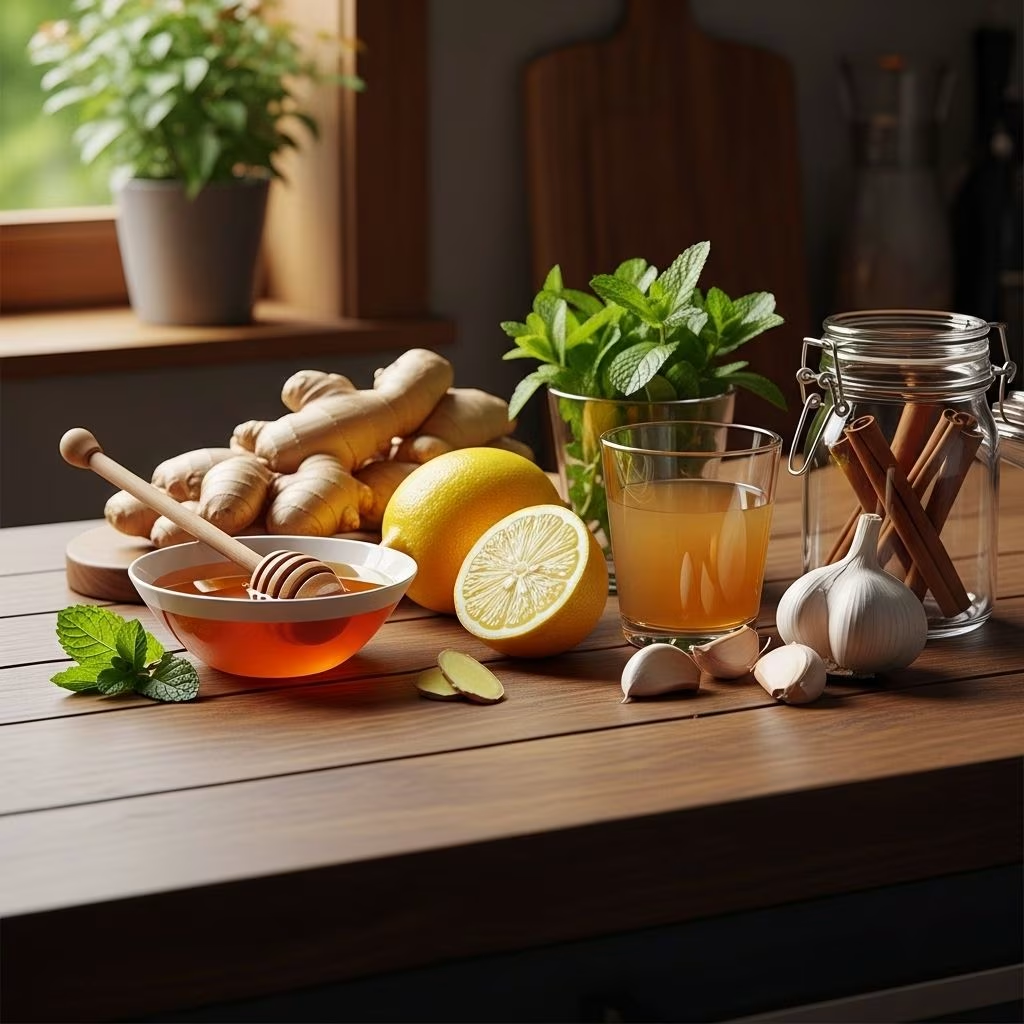
Simple Home Remedies Already in Your Kitchen
When minor ailments and discomforts arise, your kitchen holds more solutions than you might think. Everyday ingredients—long cherished in traditional households—can become powerful allies for wellness and symptom relief. Below, you’ll discover an array of simple yet effective home remedies using common kitchen staples. These natural therapies may help alleviate a range of issues, from digestive upset to sore throats and more.
Why Choose Home Remedies?
Modern medicine is essential, but for everyday woes like minor colds, headaches, or indigestion, natural home remedies offer gentle, accessible help. Their primary benefits include:
- Readily available: Most supplies are already in your kitchen.
- Budget-friendly: Use what you have, avoiding expensive over-the-counter options.
- Minimal additives: No artificial colors, flavors, or preservatives.
- Traditional wisdom: Many remedies are time-honored and supported by generations of use.
Common Kitchen Remedies for Everyday Ailments
1. Honey: Soothing Sore Throats and Coughs
Honey’s natural antimicrobial properties make it a powerhouse for sore throats and persistent coughs. Its thick texture coats the throat, while its compounds calm irritation and may reduce coughing.
- How to use: Swallow a teaspoon straight, or stir into warm (not hot) tea or water with lemon.
- Tip: Avoid giving honey to children under 12 months due to the risk of botulism.
- For nighttime coughs: Combine with lemon juice for an added soothing effect.
2. Apple Cider Vinegar: Digestion and Sore Throat Relief
Organic, unfiltered apple cider vinegar (ACV) has been celebrated for supporting digestion, dissolving mucus, and easing sore throats. Its acidity can help balance stomach pH and stimulate healthy digestion.
- Digestive aid: Mix 1 tablespoon ACV with a cup of water and drink before meals.
- Sore throats: Gargle with a mixture of 1 tablespoon ACV in warm water, up to three times daily.
- Immune support: Add a splash to herbal teas or use in salad dressings for a wellness boost.
3. Garlic: Immune System Defender
Garlic has antibacterial, antiviral, and antifungal properties and is a staple across cultures for boosting the immune system during colds and flus.
- Colds and flu remedy: Chop or crush one fresh clove and mix with honey; swallow or spread on toast.
- Best practice: Let crushed garlic rest for 10 minutes before use—this activates its beneficial compound, allicin.
- Warning: Raw garlic can be irritating to some; start with small amounts.
4. Ginger: Nausea, Colds, and Inflammation
Ginger has a long tradition in both Eastern and Western herbalism for settling the stomach and fighting inflammation.
- Nausea and motion sickness: Chew a slice, sip ginger tea, or use ground ginger in food.
- Colds and congestion: Brew ginger tea by simmering fresh ginger slices in water for 10 minutes; strain and sip.
- Pain relief: Apply a compress soaked in ginger tea to aching muscles.
5. Lemon: Vitamin C Powerhouse
Lemon is packed with vitamin C and flavonoids that are key for immune health, and its acidity can refresh and detoxify the system.
- Sore throat gargle: Mix lemon juice with warm water; gargle several times a day.
- Cough and congestion: Add fresh lemon juice to hot tea with honey.
- Detox water: Squeeze into cold water and drink throughout the day.
6. Baking Soda: Relief for Indigestion
Baking soda (sodium bicarbonate) neutralizes excess stomach acid, offering fast relief from heartburn and indigestion.
- How to use: Dissolve a 1/2 teaspoon in a glass of water; sip slowly (do not overuse).
- Dandruff remedy: Mix with water to create a paste. Massage gently onto your scalp, wait a few minutes, then rinse thoroughly.
- Toothpaste booster: Sprinkle on toothpaste and brush to help whiten teeth (once per week to avoid enamel damage).
7. Oats: Skin Soother
Plain, unflavored oats are wonderful for calming irritated or itching skin thanks to their anti-inflammatory and soothing properties.
- Itchy rashes: Grind oats into a fine powder and add to a lukewarm bath.
- Face mask: Mix oats with water or honey to make a paste for soothing dry skin.
- Minor burns and sunburn: Cool compress made from oat-infused water can ease discomfort.
8. Salt: Sore Throat Gargle and Nasal Rinse
Salt water is a tried-and-true remedy for soothing sore throats and clearing nasal passages.
- Sore throat: Mix 1/2 teaspoon of salt in 8 oz warm water and gargle.
- Nasal rinse: Use sterile saline (salt water) to clear nasal congestion and allergies (using proper neti pot or bulb syringe techniques).
9. Turmeric: Inflammation and Joint Pain
Turmeric, rich in curcumin, has vibrant color and powerful anti-inflammatory properties. It’s great for joints and as an immune booster.
- Sore joints or arthritis: Blend 1/2 teaspoon with honey and warm milk for “golden milk.”
- Cuts and scrapes: Make a paste from turmeric and water to dab onto minor wounds (may stain).
- Digestive boost: Sprinkle powdered turmeric into soups, stews, or smoothies.
10. Peppermint: Headaches and Digestion
Peppermint soothes digestive issues and can relax tense muscles benefitting tension headaches.
- Tea: Steep fresh or dried peppermint leaves in hot water, drink for digestive ease.
- Headache relief: Dab a drop of peppermint oil (diluted) on temples, or inhale its vapor.
- Congestion: Add peppermint leaves or oil to hot water and inhale gently.
Remedy Table at a Glance
| Remedy | Relieves | Common Uses |
|---|---|---|
| Honey | Sore throat, cough | Teas, directly on throat |
| Apple Cider Vinegar | Digestion, sore throat | Drinks, gargle |
| Garlic | Immunity, cold | Raw, mixed with honey |
| Ginger | Nausea, inflammation | Teas, raw, compress |
| Lemon | Cough, detox | Drinks, gargle |
| Baking Soda | Indigestion | Drink in water |
| Oats | Skin irritations | Bath, mask |
| Salt | Sore throat, nasal issues | Gargle, rinse |
| Turmeric | Inflammation | Golden milk, poultice |
| Peppermint | Headache, digestion | Tea, oil (topical) |
Additional Kitchen Staples for Common Remedies
Apple Sauce and Bananas
Both applesauce and bananas are gentle on the stomach and can help settle symptoms of digestive upset like nausea or mild diarrhea. They offer pectin and potassium, supporting recovery and hydration.
Spices as Healing Agents
- Cinnamon: Supports blood sugar balance and has warming properties.
- Cloves: Have antimicrobial powers. They can be chewed or steeped for toothache relief.
- Cayenne Pepper: Contains capsaicin, which may help relieve pain when used in small topical amounts or stimulate decongestion when added to hot foods.
- Nutmeg: Calms digestion; a pinch in warm milk may help promote sleep.
Herbal Infusions and Teas
- Chamomile: Calms nerves, relaxes muscles, and supports better sleep. Steep dried flowers in hot water for a soothing nighttime tea.
- Rosemary: May help relieve headaches; try steeping fresh rosemary in boiling water, inhaling the vapor, or using the cooled tea as a hair rinse for scalp health.
Precautions When Using Home Remedies
- While home remedies can be helpful, they are not substitutes for medical attention in serious cases.
- Patch-test topical treatments on the skin to prevent allergic reactions.
- Do not combine multiple remedies at once unless you’re sure of their interactions.
- Check for allergies before using any new food or herb remedy.
- If symptoms persist or worsen, consult your healthcare provider promptly.
DIY Home Remedies: Quick Recipes
- All-Purpose Sore Throat Tea:
– 1 cup hot water
– 1 tablespoon honey
– 1/2 lemon, juiced
– Freshly grated ginger (optional)
– Stir together and sip slowly. - Digestive Soother:
– 1 cup warm water
– 1 tablespoon apple cider vinegar
– 1 teaspoon honey
– Drink before meals to settle the stomach. - Natural Nasal Steam:
– Large bowl of just-boiled water
– A few drops peppermint or eucalyptus oil (optional)
– Lean over the bowl, cover your head with a towel, and inhale vapors for 5–10 minutes.
When to See a Doctor
Home remedies offer support for mild, self-limited symptoms. Seek professional medical advice for:
- High fever, shortness of breath, chest pain, or persistent symptoms
- Allergic reactions such as swelling, hives, or difficulty breathing
- Unexplained severe pain or sudden symptom onset
- Children, elderly, pregnant or nursing women—exercise extra caution
Frequently Asked Questions (FAQs)
Q: Are these remedies safe for children?
A: Many are, but always research age restrictions—never give honey to infants under 1, and adjust dosages for age. Consult a pediatrician for guidance.
Q: How long before I see results with kitchen remedies?
A: Some, like honey for a sore throat, can provide quick relief. Others for chronic issues may need consistent use, and improvement can vary by individual.
Q: Can home remedies replace prescriptions?
A: No, home remedies are for mild, occasional symptoms, not for treating serious illnesses or infections requiring professional evaluation and prescription drugs.
Q: What if a remedy causes a reaction?
A: Discontinue use and rinse or flush the affected area. If severe, such as difficulty breathing or swelling, seek emergency medical attention.
Q: How should I store home remedy ingredients?
A: Store herbs and spices in a cool, dry, dark place in airtight containers. Label with dates, and use fresh produce within suggested times for best potency.
Conclusion: Nature’s Pharmacy at Home
Your kitchen is a treasure trove of natural remedies ready to provide comfort and relief. With a little knowledge, you can tap into the wellness wisdom handed down through generations and discover healthier ways to care for yourself and your family—naturally and simply. Always pair self-care efforts with smart judgment, and enjoy the process of learning about the healing power of everyday ingredients!
References
- https://www.youtube.com/watch?v=Zr9RWEjfSrw
- https://edibleschoolyard.org/sites/default/files/Seed%20to%20Plate%20Curriculum.pdf
- https://www.seedtopantry.com
- https://seedtopantryschool.com/recipes/
- https://seedtopantryschool.com/what-things-should-diy/
- https://www.youtube.com/watch?v=OKqzInbr4Dg
- https://dug.org/learn/youth-programs/seed-to-plate-to-regenerate/
- https://www.gov.ca.gov/wp-content/uploads/2022/02/Farm_To_School_Report_20220222-small.pdf
- https://today.uconn.edu/2025/03/sowing-the-seeds-of-a-new-community-resource/


