


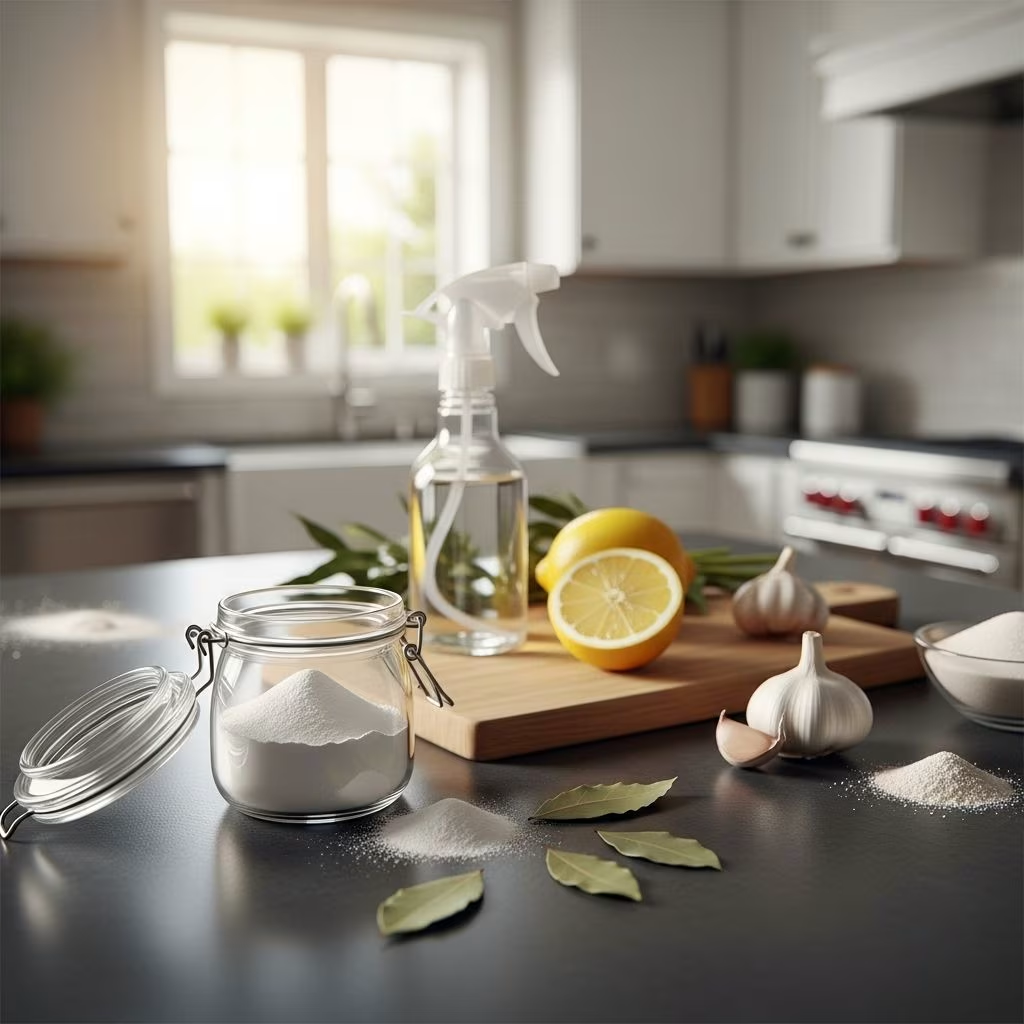
Dealing with cockroaches is a common concern for households worldwide. These resilient pests invade kitchens, bathrooms, and hidden spaces, posing health risks and discomfort. While commercial pest control options exist, many homeowners seek natural, eco-friendly, and cost-effective home remedies to keep their living spaces roach-free. This comprehensive guide reveals the most effective home remedies to get rid of roaches, explains why they work, offers practical prevention strategies, and answers frequently asked questions for a holistic pest control approach.
Understanding Roaches: Why They Invade Homes
Cockroaches are nocturnal insects attracted to food, water, warmth, and shelter. They thrive in humid, dark, and cluttered environments, accessing homes via drains, cracks, groceries, or neighboring buildings. Common species include German, American, and Oriental cockroaches, each favoring specific hiding spots.
- Food Source: Crumbs, grease, and exposed food attract roaches to kitchens and pantries.
- Water: Leaky pipes, pet water bowls, and moist areas provide hydration.
- Shelter: Roaches hide in crevices, behind appliances, under sinks, and inside cardboard boxes.
Warning Signs of Roach Infestation
- Droppings (small black specks) in drawers, cabinets, or along baseboards.
- Unpleasant musty odor in infested areas.
- Egg cases (oothecae) or shed skins near food or concealed corners.
- Sighting of live or dead roaches—especially at night or when turning on lights.
Top 15 Home Remedies for Getting Rid of Roaches
Combat roaches naturally with these researched and widely recommended home remedies. Each solution uses accessible household or natural ingredients, prioritizing safety, environmental friendliness, and effectiveness.
Boric Acid Powder
Boric acid is a staple in natural pest control due to its lethal effect on roaches when ingested or when it comes into contact with their exoskeletons. Lightly dust boric acid on floors, under sinks, and behind appliances. Mix it with an attractant like sugar or peanut butter for baits. Note: Keep away from pets and children, as ingestion can be harmful.
Baking Soda and Sugar Trap
Mix equal parts of baking soda and sugar in shallow containers or sprinkle in cockroach-prone areas. Sugar attracts roaches, which then ingest baking soda; this reacts with their digestive fluids, causing fatal gas buildup. This remedy is effective overnight and safe for most homes.
How to use:
- Combine one tablespoon each of baking soda and sugar.
- Place in bowl lids or sprinkle behind appliances and near cabinets.
- Check and replenish regularly until the problem subsides.
Bay Leaves
Bay leaves contain compounds deterring roaches due to their potent aroma. Crush dried bay leaves or use whole ones in kitchen drawers, cupboards, and baseboards. While this method repels rather than kills, it helps keep certain areas roach-free and is non-toxic for pets and children.
Diatomaceous Earth (DE)
This fine powder, made from fossilized algae, destroys roaches by scratching and dehydrating their exoskeletons. Use only food-grade DE. Sprinkle a thin layer in dry, roach-prone areas such as behind refrigerators, along wall joints, and under sinks. Avoid wet or damp spots as moisture reduces its effectiveness.
Neem Oil and Neem Powder
Neem is a natural insecticide with active compounds that disrupt roach hormones and reproduction. Spray diluted neem oil in corners, cracks, and behind appliances. Alternatively, sprinkle neem powder in cupboards or near trash bins for lasting deterrence. This method is eco-friendly and often used in bedrooms or sensitive areas.
Essential Oils (Peppermint, Eucalyptus, Tea Tree, Lavender)
Mix a few drops of peppermint, eucalyptus, tea tree, or lavender oil with water in a spray bottle and mist in roach hotspots—cabinets, under sinks, and trash zones. The strong scent repels roaches, while these oils double as air fresheners.
Sample Blend: 10 drops peppermint oil + 1 cup of water + a few drops dish soap. Shake well and spray daily.
Lemon Juice or Citrus Peels
The acidic and fragrant properties of lemon juice or citrus peels deter roaches. Wipe kitchen surfaces and floors with diluted lemon juice or scatter orange/lemon peels in corners. This also acts as a natural disinfectant.
White Vinegar Spray
Mix equal parts white vinegar and water. Spray generously in kitchen and bathroom crevices or use as a cleaning agent. Its strong odor repels roaches while sanitizing surfaces.
Soap and Water Spray
A simple solution of water and liquid soap sprayed directly onto roaches clogs their breathing pores, causing suffocation. Effective for immediate results on visible roaches. Not a preventive remedy but safe and residue-free.
Garlic, Onion, and Pepper Spray
Boil a mix of garlic cloves, onions, and cayenne pepper in water. Strain and spray the cooled liquid in infested areas. This homemade repellent has a pungent aroma that drives roaches away.
Coffee Grounds Trap
Fill a jar with moistened coffee grounds and add water. Place the jar where you have seen roaches; they will climb in for the coffee but will struggle to escape and drown. Dispose of the trapped roaches daily.
Petroleum Jelly Trap
Smear a layer of petroleum jelly inside a tall glass jar and bait with food scraps or a piece of fruit. Roaches climb in for the bait and become trapped by the sticky walls.
Fabric Softener Spray
Mix fabric softener with water (1:2 ratio) and spray directly on roaches. This solution suffocates them upon contact and leaves a fresh scent behind.
Clove Oil or Cloves
Clove oil, like bay leaves, is a natural repellent. Place sachets of whole cloves or spray diluted clove oil in pantry corners to keep cockroaches away. The intense aroma disrupts their attraction to food sources.
Ammonia Solution
Add two cups of ammonia to a bucket of water and use it to clean sinks, drains, and countertops. The strong smell deters roaches from entering through pipes and drains.
Essential Oils and Herbal Repellents
Certain herbal and plant-based solutions repel cockroaches while adding a pleasant fragrance to your home:
- Catnip (Nepetalactone): Make catnip tea and spray around baseboards, or place sachets in roach-infested spaces. Safe for homes with cats (who may be attracted to the scent).
- Cedar Chips or Oil: Place cedar chips in closets and drawers. Cedar’s oils stunt roach development and repel pests naturally.
- Citronella Oil: Mix a few drops in water and spray at entry points; it serves as a strong, eco-safe deterrent.
- Bay Leaves and Cloves: Both function primarily as repellents and can line storage drawers, pantries, and dry food containers.
Homemade Traps and Barriers
| Trap/Barrier | How it Works | Where to Use |
|---|---|---|
| Baking Soda & Sugar Trap | Sugar attracts; baking soda kills upon ingestion | Under sinks, appliances, corners |
| Coffee Grounds in Jar | Attracts and drowns roaches | Near drains, dark corners |
| Petroleum Jelly Jar Trap | Traps roaches inside the jar | Cabinets, food storage areas |
| Diatomaceous Earth Barrier | Dehydrates and kills upon contact | Baseboards, wall gaps, dry spaces |
Natural Cleaners and Disinfectants
Maintaining a clean environment denies roaches the food and water they need to survive. Use natural products for routine cleaning:
- Vinegar: Cleans and deodorizes counters, sinks, and fridge interiors.
- Lemon Juice: Naturally disinfects cutting boards, countertops, and garbage bins.
- Baking Soda: Deodorizes drains and removes residue from surfaces.
- Ammonia Solution: Flushes drains and deters pests from re-entering.
Prevention: Keeping Roaches Away for Good
The key to long-term cockroach control is prevention. Combine home remedies with these essential preventive habits:
- Eliminate food scraps, crumbs, and spills immediately. Store food in sealed containers.
- Repair leaky faucets and pipes to deny roaches water. Keep pet bowls dry overnight.
- Declutter cardboard boxes, newspapers, and unused papers where roaches hide and breed.
- Take out the trash daily and keep bins clean and tightly closed.
- Seal cracks and entry points around walls, baseboards, windows, and doors.
- Regularly clean behind appliances, under sinks, and inside cupboards.
- Install mesh screens on windows, vents, and drains to block entry.
When to Call a Professional Exterminator
If a roach infestation persists despite diligent use of home remedies, or if the population and droppings are extensive, it’s wise to seek professional help. Licensed pest control experts use targeted treatments for severe infestations and can provide guidance on preventive maintenance for lasting results.
Frequently Asked Questions (FAQs)
Q1: Can roaches develop resistance to home remedies?
A: Roaches can sometimes adapt to certain scents or baits, especially if used for long periods without variation. Rotating remedies and combining approaches often yield better, longer-lasting results.
Q2: Are home remedies safe for children and pets?
A: Most remedies using edible items (sugar, baking soda, bay leaves) or essential oils (when diluted properly) are safe. However, boric acid, diatomaceous earth, and essential oils should always be placed out of reach and handled responsibly.
Q3: How long does it take to see results with natural remedies?
A: Some measures, like direct sprays of soap, can kill roaches instantly, while baits or repellents (like bay leaves or DE) take several days to reduce visible populations. Consistency and patience are vital.
Q4: Will cleaning alone eliminate cockroaches?
A: Regular cleaning removes food sources and deters roaches but may not eliminate an existing infestation without additional measures.
Q5: Why do roaches return after treatment?
A: Recurrence happens if entry points remain unsealed, food/water access persists, or treatment was incomplete. Persistent prevention, regular cleaning, and vigilant sealing are essential.
Q6: Can I use these remedies for other pests?
A: Many remedies—such as DE, vinegar, and essential oils—also repel ants, spiders, and other insects, making them multi-purpose solutions for pest control.
Conclusion
Home remedies for cockroach control blend tradition with science, offering effective, low-toxicity ways to repel and eliminate these persistent pests. By understanding what attracts roaches and employing a mix of traps, repellents, and preventative cleaning strategies, you can achieve a safe, hygienic, and roach-free home naturally.
References
- https://hicare.in/blog/best-home-remedies-for-cockroach-treatment/
- https://www.nobroker.in/blog/ways-to-get-rid-of-cockroaches/
- https://microbe-investigations.com/diy-pest-control-effective-home-remedies-to-keep-cockroaches-away/
- https://www.orkin.com/pests/cockroaches/diy-roach-control
- https://www.youtube.com/watch?v=6GNhgHnM5kk
- https://www.businessinsider.com/guides/home/how-to-get-rid-of-roaches


