


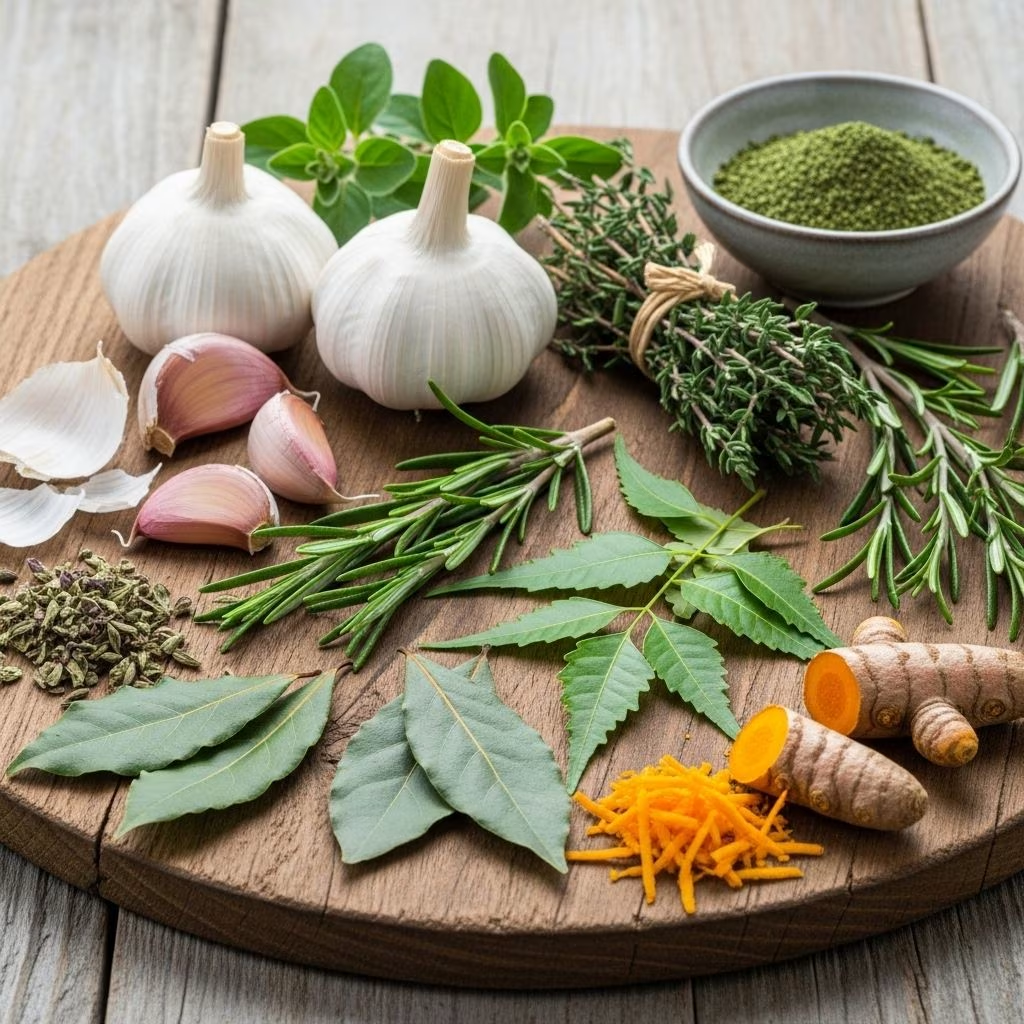
Fungal infections affect millions of people worldwide, causing discomfort, irritation, and sometimes serious health complications. While conventional antifungal medications are widely available, many individuals are turning to herbal remedies as natural alternatives or complementary treatments. These time-tested botanical solutions offer powerful antifungal properties without the harsh side effects often associated with pharmaceutical options.
Nature has provided us with an impressive arsenal of herbs and natural substances that can effectively combat various types of fungal infections, from athlete’s foot and ringworm to candida overgrowth and nail fungus. Understanding how to use these remedies properly can make a significant difference in your treatment outcomes while supporting your body’s natural healing processes.
Understanding Fungal Infections and Their Impact
Fungal infections occur when harmful fungi invade and multiply in or on the body, overwhelming the natural defenses. These microscopic organisms thrive in warm, moist environments and can affect the skin, nails, respiratory system, and internal organs. Common types include athlete’s foot, jock itch, ringworm, candidiasis, and nail fungus.
The symptoms vary depending on the type and location of the infection but often include itching, redness, scaling, inflammation, and discomfort. Left untreated, fungal infections can spread to other areas of the body and become increasingly difficult to eliminate. This is why addressing them promptly with effective remedies is crucial for maintaining overall health and well-being.
Tea Tree Oil: Nature’s Powerful Antifungal Agent
Tea tree oil stands as one of the most potent natural antifungal remedies available today. Extracted from the leaves of the Australian tea tree, this essential oil contains compounds that demonstrate remarkable effectiveness against a broad spectrum of fungal pathogens. Its naturally occurring terpinen-4-ol content gives it both antifungal and antibacterial properties, making it a versatile treatment option.
The oil works by disrupting the fungal cell membrane, ultimately leading to cell death and preventing further spread of the infection. Research has consistently shown tea tree oil’s ability to combat various fungal strains, including those responsible for athlete’s foot, nail fungus, and skin infections.
Application method: Always dilute tea tree oil with a carrier oil such as coconut oil or olive oil before applying to the skin. Mix three to four drops of tea tree oil with one tablespoon of carrier oil. Apply this mixture to the affected area three to four times daily using a clean cotton ball or swab. For nail fungus, apply the diluted oil directly to the affected nail and surrounding skin twice daily. Continue treatment consistently for several weeks to see optimal results.
Garlic: The Antimicrobial Powerhouse
Garlic has earned its reputation as one of nature’s most potent antimicrobial herbs, with antifungal properties that rival many conventional treatments. The secret lies in allicin, a sulfur-containing compound released when garlic cloves are crushed or chopped. This powerful substance demonstrates remarkable effectiveness against various fungal species while also boosting the immune system.
People who regularly consume garlic in their diet show lower susceptibility to fungal infections, highlighting its preventive benefits. Beyond dietary consumption, topical application of garlic can provide direct antifungal action at the site of infection, though caution is necessary due to its potency.
Topical application: Crush two to three fresh garlic cloves and mix them with olive oil or another carrier oil to create a paste. Apply this mixture to the infected area and leave it on for fifteen to thirty minutes to allow the active compounds to penetrate. Rinse thoroughly with lukewarm water and pat dry. Apply moisturizer afterward to prevent skin dryness. Use this remedy once daily, and discontinue immediately if you experience burning, excessive redness, or irritation, as garlic can be harsh on sensitive skin.
Apple Cider Vinegar: The Acidic Fungal Fighter
Apple cider vinegar has gained widespread recognition for its antifungal properties and ability to restore the skin’s natural pH balance. The acetic acid in apple cider vinegar creates an inhospitable environment for fungi, inhibiting their growth and reproduction. This remedy is particularly effective for skin-based fungal infections and can be used both topically and as a dietary supplement.
The antimicrobial properties of apple cider vinegar extend beyond fungi to include bacteria and other pathogens, making it a comprehensive natural treatment option. Its ability to balance the skin’s microbiome while fighting infection makes it especially valuable for managing recurring fungal issues.
Usage instructions: Dilute apple cider vinegar with an equal amount of warm water to prevent skin irritation. Soak a clean cotton ball in this solution and dab it directly onto the affected area. Allow it to air dry naturally. For more extensive infections, add one to two cups of raw, unfiltered apple cider vinegar to your bathwater and soak for twenty to thirty minutes. Repeat this treatment two to three times daily for topical application or enjoy a relaxing bath soak three times per week.
Coconut Oil: Multi-Purpose Antifungal Treatment
Coconut oil serves as both an effective antifungal agent and a soothing moisturizer, making it ideal for treating fungal skin infections. The medium-chain fatty acids in coconut oil, particularly lauric acid and caprylic acid, demonstrate powerful antifungal activity by disrupting the fungal cell membrane. In its unheated, virgin form, coconut oil retains maximum therapeutic benefits.
This natural remedy is gentle enough for sensitive skin and can be safely used on various body parts, including the scalp for treating ringworm. Its moisturizing properties help repair skin damage caused by fungal infections while simultaneously fighting the underlying cause.
Application technique: Use organic, virgin coconut oil in its unheated state for maximum antifungal benefits. Warm a small amount between your palms until it liquefies, then massage it gently onto the affected area. Allow the oil to absorb fully into the skin without rinsing. Apply three times daily, ensuring the skin is clean and dry before each application. For scalp infections, massage the oil into the scalp, leave it on for at least thirty minutes or overnight, then wash with a mild shampoo.
Turmeric: The Golden Anti-Inflammatory Healer
Turmeric stands out as a potent antimicrobial and anti-inflammatory spice that has been used in traditional medicine for thousands of years. The active compound curcumin provides powerful antifungal properties, but research suggests that another compound called curdione may offer even stronger fungal-inhibiting effects. This makes whole turmeric potentially more effective than isolated curcumin supplements.
Beyond its antifungal action, turmeric reduces inflammation and promotes healing of damaged skin tissue. Its bright yellow color comes from curcumin, which also acts as a powerful antioxidant supporting overall immune function. The combination of antimicrobial and healing properties makes turmeric an excellent choice for managing fungal infections while minimizing discomfort.
Preparation and use: Mix turmeric powder with a small amount of water to create a thick paste with a consistency similar to honey. Apply this golden paste directly to the infected area and leave it on for twenty to thirty minutes. Rinse with warm water and pat dry gently. Be aware that turmeric can temporarily stain skin and clothing yellow. For internal benefits, add turmeric to your cooking, mix it with warm water or milk, or prepare turmeric tea by simmering the powder in hot water with a pinch of black pepper to enhance absorption.
Oregano Oil: Concentrated Antifungal Power
Oregano essential oil represents one of the most concentrated and effective herbal antifungal remedies available. This powerful oil contains carvacrol and thymol, two naturally occurring antimicrobial compounds that work synergistically to inhibit fungal growth and prevent infection spread. Research has demonstrated oregano oil’s remarkable ability to combat various fungal species, including stubborn candida strains.
The mechanism of action involves disrupting the fungal cell wall and interfering with metabolic processes essential for fungal survival. This makes oregano oil particularly valuable for both preventing and treating established fungal infections. Its potency requires careful use and proper dilution to avoid skin irritation.
Safe application: Never apply pure oregano oil directly to the skin, as it can cause severe irritation. Mix three to five drops of oregano oil with one tablespoon of a carrier oil such as coconut, olive, or jojoba oil. Apply this diluted mixture to the affected area using a cotton swab twice daily. Oregano oil can also be taken orally in capsule form, but consult with a healthcare provider before internal use, especially if you have existing medical conditions or take prescription medications, as oregano oil can interact with certain drugs and may not be suitable during pregnancy.
Neem: Traditional Ayurvedic Antifungal
Neem has been revered in Ayurvedic medicine for centuries due to its comprehensive antimicrobial properties. This versatile herb contains compounds that demonstrate effective antifungal action while also soothing irritated skin. Neem leaves can be used fresh or dried to create therapeutic preparations that address various types of fungal infections.
The antifungal compounds in neem work by inhibiting fungal cell division and disrupting the synthesis of essential fungal components. Additionally, neem supports skin health by reducing inflammation and promoting faster healing of infection-related damage.
Neem water preparation: Take a handful of fresh neem leaves and rinse them thoroughly under running water. Add the leaves to two to three cups of water in a pot and bring to a boil. Reduce heat and let the leaves simmer for two to three minutes, allowing the beneficial compounds to infuse into the water. Remove from heat and allow the solution to cool to a comfortable temperature. Use this neem water to wash the affected area two to three times daily. You can also soak a clean cloth in the solution and apply it as a compress for fifteen to twenty minutes.
Aloe Vera: Soothing Antifungal Treatment
Aloe vera represents one of the most time-tested natural remedies for managing skin infections of all types. This succulent plant offers dual benefits: it actively fights fungal infections while simultaneously soothing irritated skin and promoting healing. The gel extracted from aloe vera leaves contains numerous bioactive compounds with antimicrobial, anti-inflammatory, and wound-healing properties.
Aloe vera works gently on the skin, making it suitable for sensitive areas and for individuals who cannot tolerate more potent remedies. Its cooling effect provides immediate relief from itching and burning sensations associated with fungal infections, while its therapeutic compounds work to address the underlying cause.
Application instructions: Use fresh aloe vera gel directly from the plant for maximum benefits. Cut a mature aloe leaf and extract the clear gel from inside. Apply this fresh gel generously to the affected area and allow it to absorb completely. There is no need to rinse unless the area will be covered by clothing. Reapply three to four times daily. If fresh aloe is unavailable, choose a high-quality, pure aloe vera gel without added fragrances or colors. Continue treatment until the infection clears and for several days afterward to prevent recurrence.
Ginger: The Anti-Inflammatory Fungal Fighter
Ginger contains gingerol, a bioactive compound with demonstrated antifungal properties that can help manage various fungal infections, particularly candida overgrowth. This warming spice not only fights fungi but also boosts immune system function, helping your body naturally defend against infections. Regular consumption of ginger can reduce susceptibility to fungal infections while supporting overall health.
The anti-inflammatory properties of ginger provide additional benefits by reducing swelling and discomfort associated with fungal infections. Its warming nature also improves circulation, which supports the delivery of immune cells to infected areas and promotes faster healing.
Consumption method: Prepare fresh ginger tea by slicing a one-inch piece of fresh ginger root and adding it to two cups of boiling water. Simmer for ten to fifteen minutes to extract the beneficial compounds. Strain and drink this tea two to three times daily. You can add honey and lemon for enhanced flavor and additional antimicrobial benefits. For topical use, grate fresh ginger and apply the juice to affected areas, though test on a small patch first as it may cause tingling or warmth.
Raw Honey: Nature’s Healing Antimicrobial
Raw honey offers remarkable antifungal and antibacterial properties that make it an excellent natural treatment for fungal infections. Unlike processed honey, raw honey retains all its beneficial enzymes, antioxidants, and antimicrobial compounds. The natural hydrogen peroxide content, combined with its low moisture environment and acidic pH, creates conditions hostile to fungal growth.
Honey also acts as a natural anti-inflammatory agent, reducing redness, swelling, and discomfort while promoting faster healing of damaged skin. Its sticky texture creates a protective barrier over the affected area, keeping it clean and preventing secondary bacterial infections.
Application method: Use only raw, unpasteurized honey for therapeutic purposes, as processing destroys many beneficial properties. Clean the affected area thoroughly and pat dry. Apply a thin layer of raw honey directly to the infection site, ensuring complete coverage. Leave the honey on for at least thirty minutes to allow its antimicrobial compounds to work. For better results, you can leave it on longer or even overnight by covering with a clean bandage. Rinse with warm water and pat dry gently. Repeat this treatment two to three times daily.
Grapefruit Seed Extract: Potent Biofilm Disruptor
Grapefruit seed extract has emerged as a powerful natural antifungal agent with unique properties that set it apart from other remedies. This concentrated extract contains high levels of flavones, including naringin and hesperidin, which demonstrate remarkable effectiveness against various fungal species. Research has shown particular promise for treating oral candidiasis and other stubborn fungal infections.
What makes grapefruit seed extract especially valuable is its ability to disrupt and eliminate biofilms—protective barriers that fungi create to shield themselves from treatments. This biofilm-disrupting action enhances the effectiveness of other antifungal remedies and helps prevent the development of treatment-resistant fungal strains. The extract works at the cellular level by interfering with fungal energy production and inducing cell death.
Usage protocol: Due to its potency, grapefruit seed extract requires significant dilution before use. For topical application, mix one drop of the extract with a few drops of water or carrier oil. Apply this diluted solution to the affected area twice daily using a clean cotton swab. For oral candidiasis, further dilute according to product instructions and use as a mouth rinse, being careful not to swallow unless the product is specifically labeled for internal use. Always purchase grapefruit seed extract from reputable sources to ensure purity and quality.
Licorice Root: Sweet Antifungal Medicine
Licorice root has been valued in traditional medicine systems for its anti-inflammatory and antimicrobial properties. This sweet-tasting herb contains compounds that demonstrate effectiveness against various fungal pathogens while also supporting immune function and reducing inflammation. The glycyrrhizin and flavonoid content in licorice root contribute to its antifungal action.
Beyond its direct antifungal effects, licorice root helps soothe irritated skin and mucous membranes, making it particularly useful for fungal infections that cause significant discomfort. Its gentle nature makes it suitable for sensitive individuals who may not tolerate more aggressive treatments.
Preparation instructions: Add one tablespoon of powdered licorice root to one cup of water in a small pot. Bring the mixture to a boil, then reduce heat and simmer for ten to fifteen minutes, stirring occasionally. Continue simmering until the liquid reduces and achieves a paste-like consistency. Remove from heat and allow the mixture to cool completely before use. Apply this licorice paste to the affected skin twice daily, leaving it on for twenty to thirty minutes before rinsing with warm water. Store unused paste in the refrigerator for up to three days.
Lemongrass Oil: Aromatic Antifungal Solution
Lemongrass essential oil contains potent antimicrobial compounds that make it an effective natural remedy for fungal infections. Its fresh, citrusy aroma provides a pleasant sensory experience while delivering therapeutic benefits. The oil contains citral and other bioactive compounds that demonstrate strong antifungal activity against common pathogenic fungi.
Lemongrass oil works by disrupting fungal cell membranes and inhibiting essential metabolic processes. Its anti-inflammatory properties also help reduce the redness, swelling, and discomfort associated with fungal infections, promoting faster recovery and improved comfort during treatment.
Application technique: Like all essential oils, lemongrass oil requires dilution before topical application. Mix four to five drops of lemongrass essential oil with one tablespoon of a carrier oil such as coconut, jojoba, or sweet almond oil. Dip a clean cotton ball or swab into this mixture and apply it directly to the affected area. Allow the oil to absorb fully without rinsing. Use this treatment twice daily—once in the morning and once before bed—for optimal results. Continue treatment for at least two weeks after symptoms disappear to ensure complete elimination of the infection.
Yogurt and Probiotics: Restoring Natural Balance
Plain, unsweetened yogurt containing live and active cultures offers a unique approach to managing fungal infections by restoring the natural balance of beneficial bacteria. Probiotics in yogurt compete with fungal organisms for resources and space while producing compounds that inhibit fungal growth. This makes yogurt particularly effective for treating candida overgrowth and yeast infections.
The beneficial bacteria in probiotic-rich yogurt help re-establish the body’s natural microbiome balance, which is often disrupted during fungal infections. Regular consumption of yogurt and other probiotic foods strengthens the immune system and reduces susceptibility to future fungal infections.
Usage methods: For topical application, use only plain, unsweetened yogurt with live and active cultures—avoid flavored or sweetened varieties as sugar feeds fungal growth. Apply the yogurt directly to the affected area and leave it on for thirty minutes before rinsing with lukewarm water. Pat the area dry thoroughly, as moisture promotes fungal growth. Repeat three times daily. For internal benefits, consume one to two cups of probiotic yogurt daily or take a high-quality probiotic supplement containing multiple strains of beneficial bacteria, particularly Lactobacillus species known to combat candida.
Baking Soda: Simple Moisture Absorber
Baking soda, or sodium bicarbonate, offers a straightforward and accessible remedy for certain fungal infections, particularly athlete’s foot. Its ability to absorb moisture creates an environment less conducive to fungal growth, as fungi thrive in damp conditions. Baking soda also helps neutralize odors and can provide relief from itching and discomfort.
While baking soda may not directly kill fungi as powerfully as some other remedies, its moisture-controlling properties make it an excellent preventive measure and complementary treatment. It works especially well when combined with other antifungal approaches.
Application strategy: For athlete’s foot, sprinkle baking soda powder liberally on clean, dry feet, paying special attention to the spaces between toes where moisture tends to accumulate. Also dust the inside of your shoes and socks to absorb sweat throughout the day. For other skin infections, create a paste by mixing baking soda with a small amount of water and apply it to the affected area. Leave on for ten to fifteen minutes before rinsing. Use daily as part of your hygiene routine to keep fungal infections at bay.
Hydrogen Peroxide: Oxidizing Antifungal Agent
Hydrogen peroxide serves as an effective oxidizing agent that can destroy fungal cells through its antimicrobial action. It works by releasing oxygen when it comes into contact with organic material, creating an environment toxic to anaerobic organisms including many fungi. This remedy proves particularly useful for treating athlete’s foot and toenail fungus.
The bubbling action of hydrogen peroxide also helps clean affected areas by lifting dead skin cells and debris, promoting better penetration of other treatments. Its affordability and availability make it an accessible option for those seeking natural fungal infection remedies.
Soaking protocol: Mix equal parts of 3% hydrogen peroxide and water in a basin large enough to accommodate your feet. Soak the affected area for fifteen to twenty minutes daily. For athlete’s foot, ensure the solution covers all affected areas including between the toes. After soaking, rinse with clean water and dry thoroughly—moisture left on the skin can worsen fungal infections. You can also apply diluted hydrogen peroxide directly to affected nails using a cotton ball twice daily. Continue treatment consistently for several weeks to achieve lasting results.
Vitamin C: Immune System Support
While vitamin C doesn’t directly kill fungi, its role in supporting immune function makes it an important component of any comprehensive antifungal treatment plan. A robust immune system can more effectively fight off fungal infections and prevent them from recurring. Vitamin C acts as a powerful antioxidant, protecting cells from damage while enhancing the activity of immune cells that target fungal pathogens.
Regular intake of adequate vitamin C helps maintain the skin’s barrier function, making it more resistant to fungal invasion. This essential nutrient also supports collagen production, which is crucial for healing skin damage caused by infections.
Dietary sources: Increase your intake of vitamin C-rich foods including citrus fruits like oranges, lemons, and grapefruits; berries such as strawberries and blueberries; and vegetables including bell peppers, broccoli, Brussels sprouts, and kale. Aim for at least five servings of fruits and vegetables daily to meet your vitamin C needs. If dietary intake is insufficient, consider a high-quality vitamin C supplement, but consult with a healthcare provider for appropriate dosing, especially if you have underlying health conditions.
Preventing Fungal Infections Naturally
Prevention remains the most effective strategy for managing fungal infections. By creating conditions unfavorable to fungal growth and maintaining strong immune defenses, you can significantly reduce your risk of developing these uncomfortable and persistent conditions.
Key prevention strategies include: Keep skin clean and thoroughly dry, especially in areas prone to moisture accumulation such as between toes, under arms, and in skin folds. Wear breathable, moisture-wicking fabrics that allow air circulation. Change out of damp clothing and sweaty workout gear promptly. Avoid sharing personal items like towels, shoes, and grooming tools. Maintain a balanced diet rich in probiotics, whole foods, and immune-supporting nutrients. Manage stress through regular exercise, adequate sleep, and relaxation techniques. Keep your environment clean, particularly in shared spaces like gyms and bathrooms. Use antifungal powders in shoes if you’re prone to athlete’s foot.
When to Seek Professional Medical Care
While herbal remedies can effectively treat many fungal infections, certain situations require professional medical evaluation and treatment. Understanding when to transition from home remedies to medical care is crucial for preventing complications and ensuring proper healing.
Seek medical attention if: The infection doesn’t improve after two weeks of consistent home treatment. Symptoms worsen despite using natural remedies. You develop signs of secondary bacterial infection such as increased pain, warmth, pus, or red streaks extending from the affected area. The infection spreads to large areas of the body. You have diabetes, compromised immune function, or other chronic health conditions. You experience systemic symptoms like fever, chills, or swollen lymph nodes. The infection affects the nails severely or involves the scalp with hair loss. You’re pregnant or breastfeeding and develop a fungal infection.
Frequently Asked Questions
Q: How long does it take for herbal remedies to clear a fungal infection?
A: Treatment duration varies depending on the type and severity of the infection, but most people see improvement within one to two weeks of consistent use. Complete clearing typically takes four to six weeks. Nail fungus may require several months of treatment due to slow nail growth. Continue treatment for at least one week after symptoms disappear to prevent recurrence.
Q: Can I use multiple herbal remedies together?
A: Yes, combining certain remedies can enhance effectiveness. For example, you might use tea tree oil topically while consuming probiotic yogurt and ginger tea for internal support. However, avoid applying multiple potent essential oils simultaneously, as this may irritate the skin. Start with one remedy and gradually add others while monitoring your response.
Q: Are herbal antifungal remedies safe for children?
A: Many herbal remedies can be safely used for children, but extra caution is necessary. Essential oils should be further diluted for children and avoided entirely for infants. Gentle options like coconut oil, aloe vera, and diluted apple cider vinegar are generally safe. Always consult with a pediatrician before treating fungal infections in children, especially for systemic or severe infections.
Q: Why do fungal infections keep coming back?
A: Recurring fungal infections often indicate incomplete treatment, re-exposure to fungi, or underlying factors that compromise immunity or create favorable conditions for fungal growth. Contributing factors include diabetes, weakened immune system, excessive moisture, poor hygiene, contaminated personal items, and imbalanced gut microbiome. Addressing these root causes while treating the infection is essential for preventing recurrence.
Q: Can diet help prevent fungal infections?
A: Yes, diet plays a significant role in fungal infection prevention. Reduce sugar and refined carbohydrate intake, as fungi thrive on these foods. Increase consumption of probiotic-rich foods like yogurt, kefir, and fermented vegetables. Include antifungal foods such as garlic, ginger, coconut oil, and oregano in your regular diet. Ensure adequate intake of vitamins and minerals that support immune function, particularly vitamin C, vitamin D, and zinc.
References
- https://pharmeasy.in/blog/try-these-simple-home-remedies-for-fungal-infections/
- https://www.welltheory.com/resources/antifungal-herbs
- https://naturadermatology.com/how-to-cure-fungal-infection-on-skin-naturally-at-home/
- http://mosaicdx.com/resource/5-herbal-agents-for-antifungal-therapy/
- https://www.ncbi.nlm.nih.gov/books/NBK71185/
- https://www.igliving.com/magazine/articles/IGL_2014-12_AR_Natural-Therapies-for-Fungal-Infections.pdf
- https://pmc.ncbi.nlm.nih.gov/articles/PMC9855100/
- https://www.medicalnewstoday.com/articles/320911
- https://www.avogel.co.uk/health/skin/fungal-skin-infections/10-natural-remedies-for-fungal-skin-infections/
- https://www.healthline.com/health/antifungal-essential-oils


