


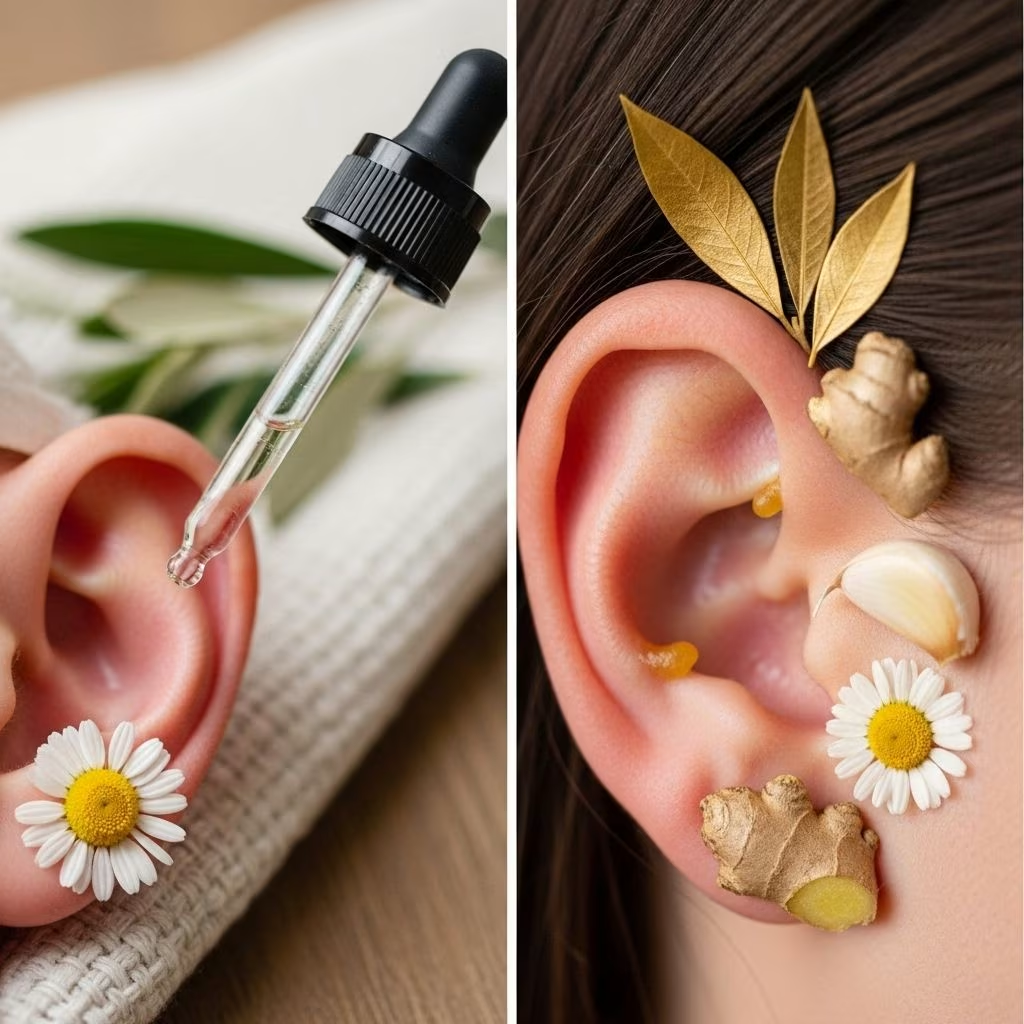
Ear wax is a normal and healthy secretion by the ear, but excess buildup can affect hearing and cause discomfort. Fortunately, there are numerous safe, natural remedies you can try at home to keep your ears clean and healthy. This article explains the causes of ear wax buildup, signs of impaction, and 16 evidence-backed home remedies for managing ear wax safely.
Understanding Ear Wax: Causes, Functions, and Risks
Ear wax, or cerumen, is produced by glands in the ear canal to protect, clean, and lubricate the ears. It traps dust, foreign particles, and microorganisms, helping prevent infections. Most of the time, the ear naturally expels excess wax, but certain factors can cause buildup, leading to blockage and discomfort.
Common Causes of Excess Ear Wax
- Overproduction of cerumen due to irritation, or genetics
- Use of cotton swabs, hearing aids, or earplugs—these push wax deeper
- Narrow or hairy ear canals
- Frequent use of earphones, which block the natural cleaning process
Signs and Symptoms of Blocked Ear Wax
- Partial hearing loss or muffled hearing
- Earache, itching, or a sensation of fullness
- Tinnitus (ringing in the ears)
- Discharge or unusual odor
- Dizziness or imbalance (rarely)
Why Home Remedies for Ear Wax Removal?
Many over-the-counter solutions and professional options exist, but simple home remedies can be safe and highly effective. However, always consult a healthcare provider if you suspect an ear infection, perforated eardrum, pain, or persistent symptoms.
16 Safe Home Remedies to Remove Ear Wax
Below you’ll find step-by-step methods and precautions for popular home remedies. Always ensure your eardrum is intact and avoid inserting objects into your ear canal to prevent injury.
1. Hydrogen Peroxide Solution
- You Will Need: 3% hydrogen peroxide, water, cotton ball
- Instructions: Mix equal parts hydrogen peroxide and water. Tilt your head to let the affected ear face up. Use a cotton ball to drip the solution into the ear. Wait a few minutes, then tilt your head to let the solution and wax drain out.
- Frequency: Once as needed
- Why It Works: Hydrogen peroxide helps soften and dissolve ear wax, making it easier to expel. It also has mild antiseptic properties.
Note: Stop use if you experience irritation.
2. Coconut Oil
- You Will Need: Organic coconut oil, dropper
- Instructions: Place a few warmed (not hot) drops into the ear using a dropper. Wait a few minutes and tilt your head to let the oil and wax flow out.
- Frequency: Repeat as needed for stubborn wax
- Why It Works: Coconut oil is a safe, natural lubricant that softens impacted wax, aiding its natural removal.
3. Alcohol and Vinegar Mixture
- You Will Need: White vinegar, rubbing alcohol, dropper
- Instructions: Mix equal parts alcohol and vinegar. Place 2-3 drops in the ear. Let it work for a few minutes, then drain.
- Frequency: Use only when wax buildup is present.
- Why It Works: Alcohol dries out moisture while vinegar helps dissolve wax and prevents infection.
Note: Avoid if your ear is irritated or you have a perforation.
4. Almond Oil
- You Will Need: Almond oil at room temperature, dropper
- Instructions: Using a sterile dropper, place 1-2 drops in the ear canal. Allow it to work for several minutes before draining.
- Frequency: As needed
- Why It Works: Almond oil is a gentle emollient, softening hardened wax naturally.
5. Baby Oil
- You Will Need: Baby oil, dropper, cotton ball
- Instructions: With a dropper, insert a few drops of baby oil into the blocked ear. Place a cotton ball just inside the opening to contain the oil. Remove after a few minutes and wipe away excess.
- Frequency: Use every few weeks, as required
- Why It Works: Mineral oil base softens hard wax for easier removal.
6. Baking Soda Solution
- You Will Need: 1/4 teaspoon baking soda, 2 teaspoons water, dropper, soft cloth
- Instructions: Dissolve baking soda in water. Using a dropper, place a few drops in the ear. Wait a few minutes, then tilt your head to release the solution and softened wax. Clean with a soft cloth.
- Frequency: Every 1-2 days until blockage resolves
- Why It Works: Baking soda is mildly alkaline and helps break down wax; it also has mild antiseptic effects.
7. Saline Water
- You Will Need: 1 tablespoon salt, ½ cup warm water, cotton ball
- Instructions: Dissolve salt in water. Soak a cotton ball in the solution and squeeze a few drops into the affected ear. Wait a few minutes, then tilt your head to facilitate drainage.
- Frequency: Repeat as needed
- Why It Works: Saline is gentle on tissues and effectively helps dissolve wax.
8. Apple Cider Vinegar
- You Will Need: Apple cider vinegar, distilled water, dropper
- Instructions: Mix equal parts vinegar and water. Use a dropper to place 2-3 drops in the ear, wait, then drain out.
- Frequency: Use as needed
- Why It Works: Vinegar’s mild acidity helps break down earwax and may reduce bacterial growth.
9. Olive Oil
- You Will Need: Extra virgin olive oil, dropper
- Instructions: Warm the oil to body temperature. Add 2-3 drops in the ear using a sterile dropper. Allow it to sit for several minutes before draining.
- Frequency: Several nights in a row if needed
- Why It Works: Olive oil softens hard wax, making it easier to come out naturally.
10. Garlic Oil
- You Will Need: Garlic cloves, olive oil, dropper
- Instructions: Crush a garlic clove and mix with warm olive oil. Strain and, once cooled, place a drop or two in the blocked ear.
- Frequency: When necessary
- Why It Works: Garlic has natural antimicrobial properties and olive oil acts as a wax softener.
11. Mullein Oil
- You Will Need: Mullein oil (available at health stores), dropper
- Instructions: Place a few drops of mullein oil into the ear canal, being careful not to insert anything deep into the ear.
- Frequency: As required
- Why It Works: Mullein oil is a traditional herbal remedy used to reduce irritation and soften wax.
12. Paraffin Oil
- You Will Need: Pharmaceutical-grade paraffin oil, dropper
- Instructions: Warm the oil slightly and use a dropper to place a couple of drops into the blocked ear. Wait a few minutes and drain.
- Frequency: As needed
- Why It Works: Paraffin oil lubricates the ear canal and softens built-up cerumen.
13. Glycerin
- You Will Need: Pure glycerin, dropper
- Instructions: Place 2-3 drops of glycerin in the ear canal to soften wax buildup.
- Frequency: As recommended
- Why It Works: Glycerin draws moisture, softens wax, and is widely recommended by doctors for this use.
14. Warm Water Rinse
- You Will Need: Clean warm (not hot) water, rubber bulb syringe
- Instructions: After softening the wax (using one of the above oils for a day or two), fill a bulb syringe with warm water. Tilt your head and gently flush the ear. Tip head to drain water and wax.
- Frequency: Repeat if necessary but not more than once a week.
- Why It Works: The gentle stream dislodges and flushes out softened ear wax safely.
15. Omega-3 Fatty Acids (Dietary Support)
- You Will Need: Omega-3-rich foods (like fish, flaxseeds) or supplements
- Instructions: Incorporate omega-3 fatty acids into your daily diet
- Frequency: Daily dietary support
- Why It Works: Omega-3s are believed to maintain healthy ear function and reduce inflammation, indirectly supporting natural ear wax removal.
16. Mustard Oil
- You Will Need: Mustard oil, dropper
- Instructions: Warm mustard oil and add a few drops into the ear, using a dropper. Wait a few minutes then let it drain out.
- Frequency: As needed
- Why It Works: Mustard oil softens ear wax and is a traditional remedy in several cultures.
Table: Quick Comparison of Top Home Remedies
| Remedy | Main Function | Key Ingredient | Precautions |
|---|---|---|---|
| Hydrogen Peroxide | Softens, dissolves wax | 3% hydrogen peroxide | Mild irritation possible |
| Baby Oil | Softens, lubricates | Mineral oil | Avoid with ruptured eardrum |
| Baking Soda | Breaks down wax | Baking soda | Do not overuse |
| Saline Water | Dissolves wax | Salt, water | Best for mild buildup |
| Olive Oil | Softens, natural | Olive oil | Check for allergies |
| Warm Water Irrigation | Flushes wax out | Clean warm water | Ensure no ear infection |
Precautions and Safety Tips for Home Ear Wax Removal
- Do not insert objects (cotton swabs, hairpins, etc.) into your ear canal—this pushes wax deeper and risks injury.
- Check for eardrum perforation or tubes before using any liquid remedies.
- Avoid if you have active ear infections, ear pain, or history of ear surgery.
- If symptoms persist or worsen, consult a doctor or ENT specialist.
- Warm liquids to body temperature before use to avoid dizziness or discomfort.
When to Consult a Healthcare Professional
- Persistent hearing loss, pain, or drainage from the ear
- Known eardrum perforation or ear surgery
- Children under 12 with recurrent wax build-up
- Signs of possible ear infection: fever, severe pain, swelling
For impacted or hard wax that does not improve with home treatment, or if you experience severe symptoms, seek professional removal from a healthcare provider.
Frequently Asked Questions (FAQs)
Q: Are cotton swabs safe for cleaning inside the ears?
No. Cotton swabs can push wax further into the ear canal, causing blockages or injury. Clean only the outer ear with a soft cloth.
Q: How often should I clean my ears?
Ears are typically self-cleaning. Clean only when there is visible wax at the entrance of the ear canal or if you experience symptoms. Over-cleaning does more harm than good.
Q: Which oils are safest for ear wax removal?
Oils such as olive oil, almond oil, coconut oil, mineral oil, and baby oil are generally safe when used as drops—not for deep insertion—provided there is no eardrum perforation or allergy.
Q: What are signs of a serious problem requiring medical attention?
Sudden hearing loss, severe pain, bloody discharge, persistent blockage, or dizziness after attempting at-home remedies.
Q: Is ear candling recommended?
No. Ear candling is not safe and is strongly discouraged by medical professionals, as it risks burns and damage without proven benefit.
Summary Tips for Healthy Ear Care
- Let ears self-clean naturally whenever possible
- Use oils or water-based drops only as needed
- Immediately stop any remedy causing discomfort
- Keep ears dry after swimming or bathing to prevent wax buildup and infection
- Seek medical advice for children, people with hearing aids, or chronic wax buildup
References
- https://omahasinus.com/safe-ear-wax-removal-methods/
- https://www.stylecraze.com/articles/effective-home-remedies-to-remove-ear-wax-safely/
- https://newsnetwork.mayoclinic.org/discussion/home-remedies-cleaning-out-the-earwax/
- https://www.wellingearwaxclinic.co.uk/how-to-remove-ear-wax-naturally/
- https://healthcare.utah.edu/healthfeed/2025/01/how-clean-your-ears
- https://www.momjunction.com/articles/kid-ear-wax-removal-home-remedy-treatment-symptoms_00781755/
- https://www.youtube.com/watch?v=Un3tRujFBjA
- https://www.stylecraze.com/author/shahen/
- https://www.sinusandallergywellnesscenter.com/blog/effective-ways-to-clean-out-earwax-buildup


