


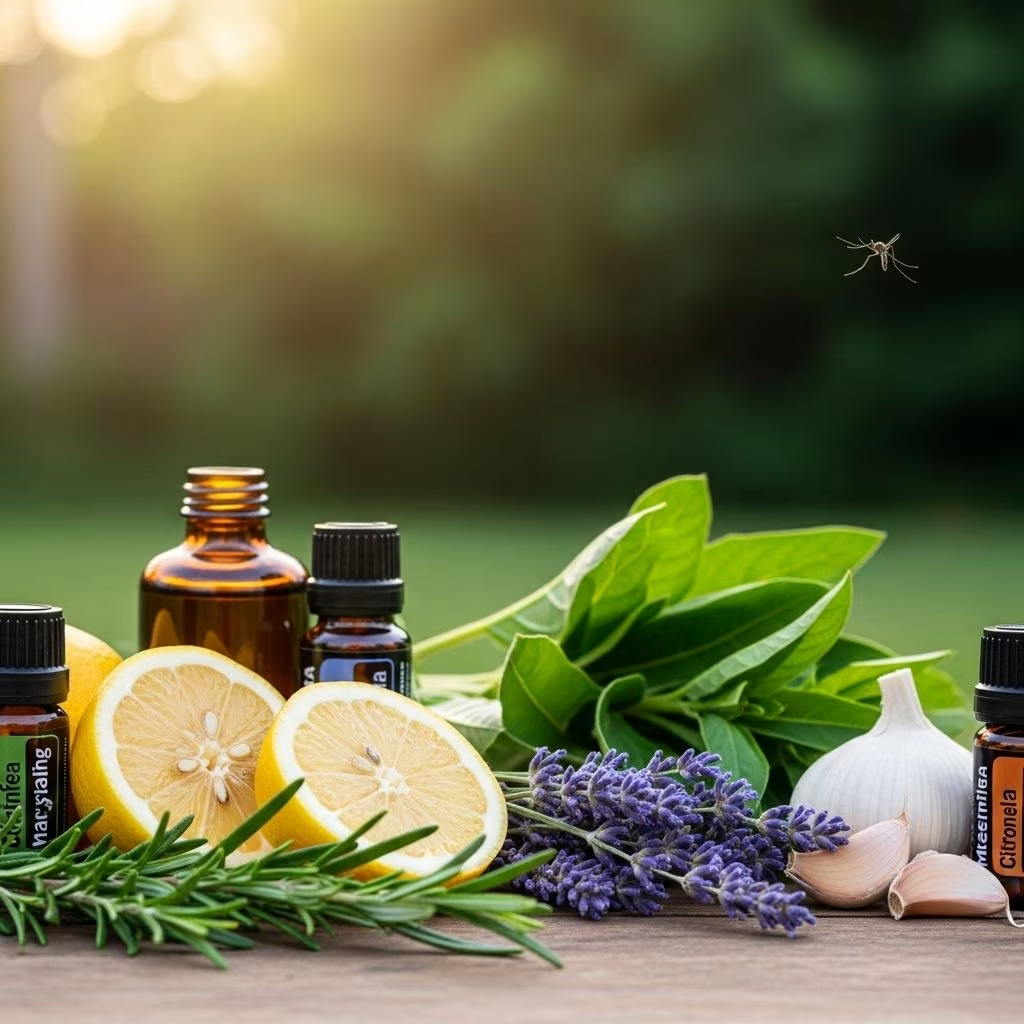
Natural Remedies to Keep Mosquitoes Away
Few things ruin a pleasant evening or a good night’s sleep as quickly as mosquitoes. While store-bought repellents can be effective, many people seek natural solutions to avoid harsh chemicals. This article explores proven remedies—ranging from essential oils to domestic measures and mosquito-repelling plants—to help you prevent bites safely and effectively.
Why Choose Natural Mosquito Remedies?
The increasing awareness of the side effects of chemical repellents such as DEET has motivated families, gardeners, and health-conscious individuals to look for natural alternatives. Natural repellents are often non-toxic, eco-friendly, and can be safely used around children and pets, reducing exposure to synthetic compounds.
What Attracts Mosquitoes?
Mosquitoes are attracted to humans and animals by a combination of:
- Body heat and sweat
- Carbon dioxide exhaled during breathing
- Certain body odors and skin bacteria
- Moisture and humidity
- Standing water, which is required for breeding
Top 18 Natural Remedies to Repel Mosquitoes
A variety of natural remedies can help repel mosquitoes inside the home and outdoors. Here are the best, most science-backed solutions:
1. Camphor
The aromatic properties of camphor make it highly effective at repelling mosquitoes. You can crush camphor tablets, mix them with a carrier oil, and burn them in a lamp to fill your space with a mosquito-deterring scent.
2. Holy Basil (Tulsi)
Holy Basil (Tulsi) contains compounds that naturally repel mosquitoes. Simply spreading fresh Tulsi leaves near entry points—such as windowsills and doorways—creates a barrier that keeps mosquitoes out.
3. Garlic
The sulfurous compounds in garlic emit a pungent odor that mosquitoes dislike. You can make a garlic mosquito spray by crushing cloves and mixing them with water. Spray this mixture around your house, but be mindful of the lingering odor.
4. Neem Oil
Neem oil is renowned for its antimicrobial properties and potent, bitter scent. You can either apply a dilute solution to your skin or add neem oil to a lamp to repel mosquitoes throughout your home.
5. Lemon and Cloves
Combining sliced lemons with whole cloves stuck into the flesh produces a powerful aromatic deterrent. Place these lemon-clove halves in mosquito-prone corners for an all-natural, pleasant-smelling solution.
6. Coffee Grounds
Sprinkle used coffee grounds in areas of standing water or damp soil. The grounds hinder mosquito larvae from thriving, dramatically reducing the next generation of pests.
7. Eucalyptus Oil
Eucalyptus oil is widely recognized (including by the CDC) for its mosquito-repellent properties. Mix a few drops with a carrier oil and apply to exposed skin, or use a diffuser to disperse its scent indoors.
8. Peppermint Oil
With its refreshing aroma, peppermint oil both invigorates your space and repels insects. Dilute a few drops in water and use as a spray for your body or environment. It’s especially helpful for keeping mosquitoes away from outdoor gatherings.
9. Tea Tree Oil
Tea tree oil is known for its antimicrobial and insect-repellent effects. Apply a small amount, diluted with a carrier oil, directly to your skin to provide several hours of protection from mosquitoes.
10. Mosquito-Repelling Plants
Certain plants naturally emit odors that mosquitoes dislike. Grow or place these species near entrances, windows, outdoor sitting areas, or in a garden for long-term, eco-friendly protection. Notable mosquito-repelling plants include:
- Citronella
- Marigold
- Catnip
- Peppermint
- Basil
- Lemongrass
11. Lavender
Besides its soothing aroma, lavender acts as an effective mosquito repellent. Use lavender essential oil in a diffuser, dilute and apply to skin, or plant bushes around your home and garden for year-round protection.
12. Mint
The sharp, pungent aroma of mint acts as a strong deterrent. Crush mint leaves and rub them on your skin or plant mint in containers by windows and entryways to create a mosquito barrier.
13. Rosemary
More than just an herb for cooking, rosemary can repel mosquitoes with its distinctive scent. Burn rosemary sprigs during outdoor cooking or use the essential oil in a diffuser, especially during summer evenings.
14. Apple Cider Vinegar
Apple cider vinegar can be mixed with water and used as a spray on skin or surfaces, or placed in bowls around mosquito-prone areas to deter pests.
15. Cinnamon Oil
Cinnamon oil’s potent scent repels mosquitoes when diffused or used as a spray. You can also dust cinnamon powder in problem areas for added protection.
16. Cedar Oil
Cedar oil is effective not only against mosquitoes but also other insects. Use it in a diffuser or create your own spray to treat surfaces, patios, and garden borders.
17. Onions
The strong aroma of onions works as a natural mosquito repellent. Slice onions and place them near doors, windows, or other high-traffic entry points.
18. Thyme
Used especially in outdoor settings, thyme oil or crushed thyme leaves deter mosquitoes. Burn thyme leaves or apply diluted oil to skin for protection.
Quick Comparison of Natural Mosquito Remedies
| Remedy | Main Use | Effective Duration | Application Notes |
|---|---|---|---|
| Lemon Eucalyptus Oil | Body, Air Diffusion | 2-3 hours | Do not use on children under 3 years |
| Coffee Grounds | Water Surfaces | Several days | Use in standing water outside |
| Neem Oil | Body, Lamps | 2-4 hours | Mildly bitter scent |
| Citronella | Candles, Plants | Up to 2 hours outdoors | Refresh candles or replace plants regularly |
| Lavender | Body, Diffusers, Plants | 2-3 hours | Safe for children and adults |
How to Use Natural Remedies Effectively
To ensure maximum protection and efficacy:
- Reapply essential oils every few hours, especially after swimming or sweating.
- Utilize a combination of natural repellents (e.g., plant barriers, sprays, and diffusers) for layered protection.
- Address mosquito breeding sites by removing standing water and keeping gutters, birdbaths, and containers clean.
- Plant mosquito-repelling plants strategically around windows, patios, and common areas.
Safety Considerations
While natural repellents are generally safe, essential oils can be irritating for people with allergies and for children. Always dilute essential oils with a carrier oil before applying to skin and avoid contact with the eyes, mouth, and open wounds. Do a patch test on a small area of skin to check for reactions.
Building a Mosquito-Free Home: Prevention Tips
- Install fine mesh screens on windows and doors.
- Use fans in outdoor and indoor spaces to disturb mosquito flight patterns.
- Wear light-colored, long-sleeved clothing and pants during dusk and dawn.
- Use mosquito nets when sleeping, especially in high-risk areas.
- Clean drains and remove debris regularly to limit mosquito breeding sites.
When to Consider Chemical Solutions
Natural remedies suffice in most low- to medium-risk areas. However, if you live in or travel to regions where mosquito-borne diseases (like malaria, dengue, or Zika) are prevalent, authorities such as the CDC still recommend using proven chemical repellents (like DEET or picaridin) in addition to natural methods for maximum protection.
Frequently Asked Questions (FAQs)
Q: Are essential oils as effective as chemical repellents?
A: Certain essential oils (like lemon eucalyptus oil) have shown comparable effectiveness to DEET for a limited time, but they usually require more frequent reapplication.
Q: Can I use natural remedies on children and pets?
A: Many natural remedies are safe, but always check for age recommendations (lemon eucalyptus oil is not recommended for children under 3) and avoid any substances known to be toxic to pets.
Q: Are mosquito-repellent plants enough to keep an area bite-free?
A: While helpful, plants alone are rarely sufficient in high-risk areas; best results come from combining them with other measures like sprays, physical barriers, and eliminating standing water.
Q: How often do I need to reapply essential oils or sprays?
A: Most natural sprays and oils need to be reapplied every 2–4 hours, especially after sweating or bathing.
Q: What is the most effective single natural mosquito repellent?
A: Lemon eucalyptus oil is widely regarded as the most effective single natural repellent, providing up to 95% protection for about three hours.
Summary
Natural remedies for mosquito control are practical, affordable, and safe when used properly. By combining essential oils, plant-based deterrents, DIY sprays, and preventive home strategies, you can significantly reduce mosquito bites and enjoy your indoor and outdoor spaces with greater comfort and peace of mind.
References
- https://hicare.in/blog/best-home-remedies-for-mosquitoes/
- https://www.healthline.com/health/kinds-of-natural-mosquito-repellant
- https://www.brownhealth.org/be-well/preventing-mosquito-bites-best-repellents-and-natural-solutions
- https://www.youtube.com/watch?v=oBPWGPmpE40
- https://www.massaudubon.org/news/latest/mosquito-repelling-gardens
- https://www.gardenia.net/guide/plants-that-repel-mosquitoes


