


25 Safe and Effective Ways to Get Rid of a Stye at Home
Are you troubled by a painful red bump on your eyelid? You are likely experiencing a stye (also spelled ‘sty’), a common but uncomfortable condition that can appear suddenly and linger for days. This article explains styes in detail, reveals why they occur, and provides 25 effective home remedies to help you heal quickly and prevent future infections.
What Is a Stye?
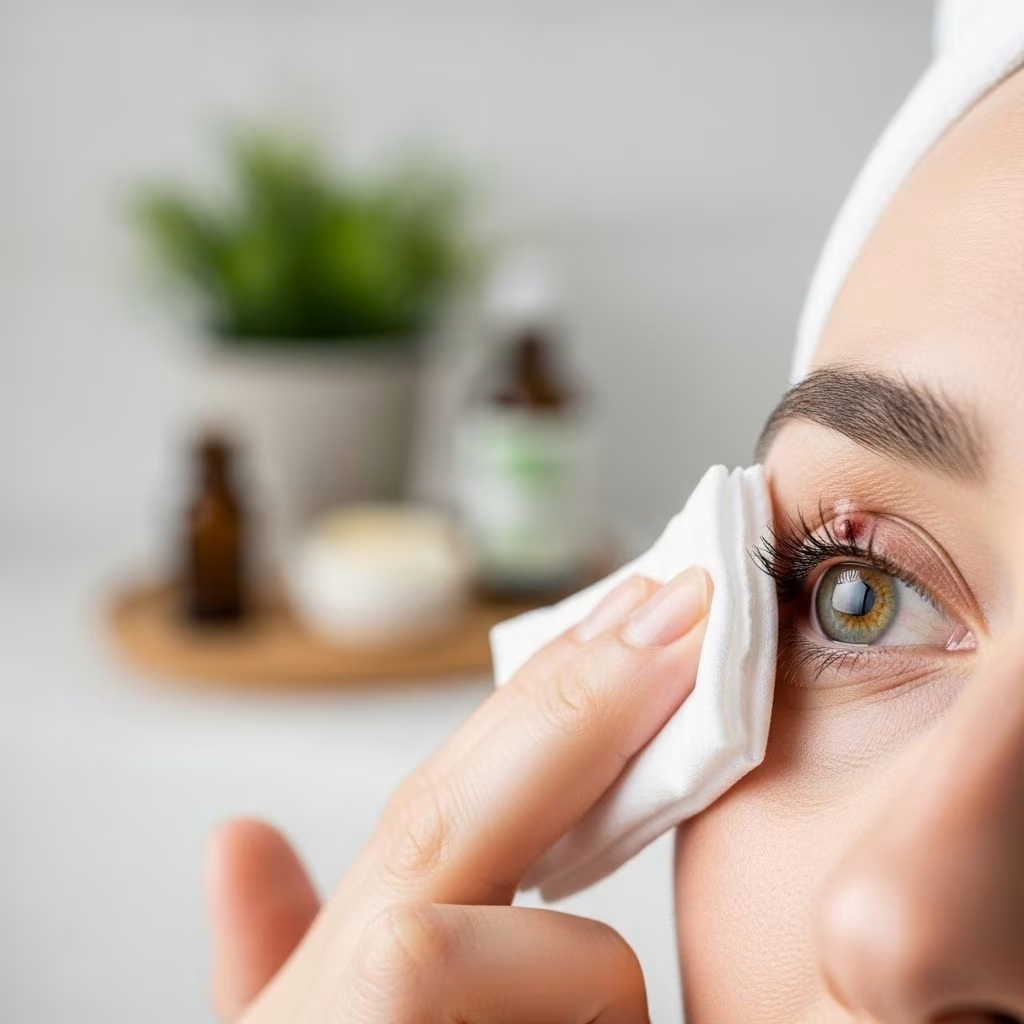
A stye is a red, painful, pimple-like bump that appears on the outer (and less often, inner) edge of your eyelid. Medically known as a hordeolum, styes develop when an oil gland in the eyelid becomes blocked and infected, most commonly due to bacteria, especially Staphylococcus aureus . Styes are very common and generally harmless, although they can be unsightly and uncomfortable, especially if they become swollen or tender.
Why Do I Have a Red Bump on My Eyelid?
The red bump on your eyelid could be a stye, caused by:
- Clogged oil glands: Oil, dead skin, and debris block the glands near your eyelashes.
- Bacterial infection: The blockage creates an ideal environment for bacteria, especially Staphylococcus, to grow and cause infection.
Symptoms of a stye include:
- Red, swollen bump near the edge of the eyelid
- Pain or tenderness
- Watery eyes or mild discharge
- Sensitivity to light
- Crusting along the eyelid
Styes usually do not affect your vision and often go away on their own within 7–10 days.
25 Easy, Safe, and Effective Home Remedies for Styes
Below are 25 home-based remedies, care techniques, and lifestyle tips—many of them medically supported—to help you deal with a stye quickly and comfortably. Most of these are safe for all ages, but always consult an eye care professional if you have concerns.
- Warm Compress
Apply a clean, warm, damp washcloth to the closed eye for 10–15 minutes, 3–4 times daily. This is the most recommended treatment to encourage natural drainage and relieve pain.
- Black Tea Compress
Use a warm black tea bag as a compress. Black tea has antibacterial and anti-inflammatory properties that may speed recovery.
- Mild Eyelid Hygiene
Clean your eyelids daily using a gentle, tear-free baby shampoo mixed with warm water, applied with a cotton swab or clean cloth.
- Don’t Squeeze or Pop It
Let the stye drain on its own. Attempting to pop it can cause the infection to spread or worsen.
- Stop Wearing Eye Makeup
Avoid using mascara, eyeliner, or eyeshadow until your stye heals, as these products can introduce more bacteria and irritate the area.
- Throw Away Old Makeup
Immediately discard any eye products you used while you had a stye. Old or contaminated makeup can harbor bacteria.
- Wear Glasses Instead of Contacts
If you wear contact lenses, switch to glasses until the stye heals completely, as contacts can worsen the infection or get contaminated.
- Gentle Eyelid Massage
Gently massage the eyelid, ideally after a warm compress, to help encourage natural drainage. Massage only with clean hands and never apply excessive pressure.
- Use Over-the-Counter Pain Relief
Take acetaminophen or ibuprofen to relieve discomfort. Always follow dosage directions.
- Keep Your Hands Away From Your Eyes
Avoid touching, rubbing, or picking at your eyelids, which can transfer bacteria or make symptoms worse.
- Practice Good Hand Hygiene
Wash your hands frequently, especially before touching your face or eyes, to prevent spreading bacteria.
- Use a Fresh Towel and Washcloth Each Time
Never reuse towels or washcloths around the affected eye to avoid reintroducing bacteria.
- Disinfect or Replace Pillowcases Regularly
Change your pillowcase daily to reduce exposure to bacteria during recovery.
- Try a Dry Compress
Microwave a small sock with dry, uncooked rice for 20 seconds and apply as a dry warm compress, repeating as needed.
- Use a Sterile Saline Solution
Saline helps remove bacteria and debris from your eyelid. Rinse your eyes gently with a store-bought sterile solution or homemade (using boiled, cooled water and salt).
- Leave the Stye Alone
Styes often heal on their own within a week; minimal interference speeds recovery.
- Use Preservative-Free Artificial Tears
If irritation causes dryness, use preservative-free artificial tear drops for relief.
- Maintain a Clean Face
Wash your face thoroughly but gently to keep the eyelid area free from excess oil and bacteria.
- Avoid Swimming Pools and Hot Tubs
Chlorinated water and public pools may introduce more bacteria into the affected eye.
- Manage Allergies and Blepharitis
Chronic eyelid inflammation increases stye risk. If you have allergies or blepharitis, follow your doctor’s recommended treatment.
- Apply Aloe Vera Gel (Optional)
Some people find relief using pure, unprocessed aloe vera gel on the eyelid for its soothing and antimicrobial effects. Use with caution and avoid getting gel in the eye.
- Eat a Healthy Diet
Nutrition supports your immune system and skin health, making you less likely to get frequent styes.
- Stay Well Hydrated
Drinking plenty of water helps support natural healing and skin function.
- Avoid Sharing Personal Items
Never share towels, makeup, or eye drops when you have a stye, to prevent passing bacteria to others.
- Don’t Use OTC Eye Drops Unless Advised
Don’t use non-prescription eye drops or ointments for styes unless directed by your doctor.
- Seek Medical Care If Symptoms Worsen
If your stye is especially large, persistent, or spreading—or if vision is affected—see an eye doctor for further treatment.
How to Prevent a Stye
- Keep eyelids and lashes clean; use gentle baby shampoo or a prescribed eyelid cleanser.
- Wash hands before touching your eyes or face.
- Avoid using expired or shared makeup and eye care items.
- Change pillowcases and towels frequently.
- Manage blepharitis, rosacea, or other skin/eyelid conditions as recommended by your doctor.
When to See an Eye Doctor
While most styes resolve at home, medical intervention may be necessary in these situations:
- The stye lasts longer than 1–2 weeks or keeps returning.
- Pain, redness, or swelling worsens, or spreads beyond the eyelid.
- Your vision becomes blurry or is affected.
- The bump bleeds or produces a thick yellow or green discharge.
Treatments a doctor might recommend include:
- Prescription antibiotic ointments or oral antibiotics for persistent bacterial infections.
- Minor office procedures to drain styes that do not resolve on their own.
Frequently Asked Questions (FAQs)
How long does it take for a stye to heal?
Most styes heal naturally in 7–10 days with proper care.
Is a stye contagious?
The bacteria causing a stye can be spread, so avoid sharing items like towels, pillowcases, or makeup during an outbreak.
Can I wear makeup with a stye?
Avoid using any eye makeup until your stye fully resolves, and discard any makeup used while infected.
Should I pop or squeeze a stye?
No. Doing so can worsen the infection and cause it to spread. Let it drain on its own.
When should I see a doctor about a stye?
If the stye worsens after a week, affects your vision, causes significant pain or swelling, or if you get frequent styes, see an eye doctor.
Can children use these remedies?
Most home remedies are safe for children, especially warm compresses and basic eyelid hygiene. Supervise children and consult a doctor if unsure.
Key Takeaways
- Warm compresses and gentle hygiene are safe, effective first steps for stye relief.
- Avoid makeup, contact lenses, and touching/rubbing the eye until the stye resolves.
- See a healthcare provider if your stye is persistent, recurrent, or worsening.
- Prevention is possible with proper eyelid hygiene and avoiding contaminated items.
By following these proven remedies and care techniques, you can help your eyelid heal quickly, minimize discomfort, and reduce the chances of future styes.
References
- https://my.clevelandclinic.org/health/diseases/17658-stye
- https://www.healthline.com/health/beauty-skin-care/best-stye-remedies
- https://www.webmd.com/eye-health/remedies-stye
- https://www.youtube.com/watch?v=JKkAXnp7qv8
- https://www.mayoclinic.org/diseases-conditions/sty/diagnosis-treatment/drc-20378022
- https://www.nhs.uk/conditions/stye/
- https://stanfordhealthcare.org/medical-conditions/eyes-and-vision/chalazion-stye/treatments.html
- https://www.health.harvard.edu/diseases-and-conditions/stye-treatment
- https://healthcare.utah.edu/healthfeed/2024/09/how-heal-stye-home


