


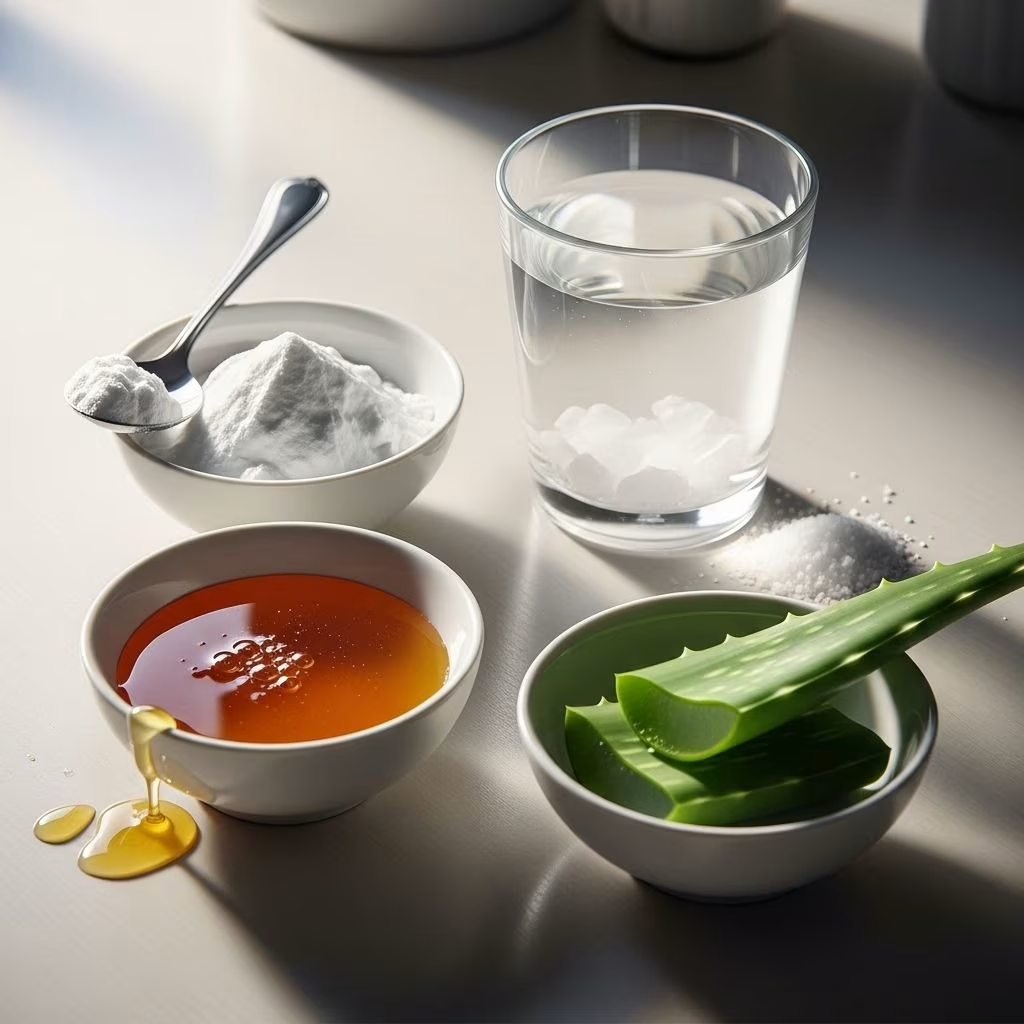
4 Effective Home Remedies to Get Rid of Pesky Canker Sores
Canker sores, medically known as aphthous ulcers, are small, shallow lesions that appear inside the mouth, often on the inner cheeks, lips, or under the tongue. While they are mostly harmless, canker sores can cause significant discomfort, making eating, drinking, and speaking painful. Good oral care and simple natural remedies can help promote healing and relieve symptoms. This comprehensive guide explains the best home remedies for canker sores, explores possible prevention strategies, and provides answers to frequently asked questions.
What Are Canker Sores?
Canker sores are round or oval ulcers with a white or yellowish center and a red border.
Unlike cold sores, they aren’t contagious or caused by the herpes virus. Their exact cause is often unknown but may be related to factors including oral injury, stress, certain foods, hormonal changes, vitamin deficiencies, and immune responses.
Canker sores typically heal on their own within one to two weeks, but several home remedies can ease pain and speed recovery.
1. Saltwater Rinse
A saltwater rinse is one of the oldest and most trusted methods to manage canker sores. Salt acts as a mild antiseptic, helping reduce swelling, disinfect affected tissue, and soothe irritation.
- How to Use: Dissolve 1 teaspoon of salt in 1/2 cup of warm water.
- Swish the solution in your mouth for 15–30 seconds.
- Spit it out, do not swallow.
- Repeat every few hours as needed.
Saltwater may sting but works effectively to keep the sore clean and promote healing.
2. Baking Soda Solution or Paste
Baking soda (sodium bicarbonate) is commonly used to neutralize acidity and decrease inflammation in canker sores. It can be used as a mouth rinse or a direct paste application.
- Rinse: Mix 1 teaspoon of baking soda into 1/2 cup of water. Rinse for 15–30 seconds and spit out.
- Paste: Combine baking soda with a drop of water to create a thick paste. Apply directly to the sore, leave for a minute, then rinse.
- Repeat 2–3 times daily.
Baking soda helps restore mouth pH and can diminish irritation, offering relief from pain and discomfort.
3. Honey Application
Honey is a celebrated natural remedy due to its antibacterial, anti-inflammatory, and healing properties. Studies suggest applying honey may ease pain, reduce ulcer size, and promote faster healing.
- Apply a small dab of pure honey (preferably raw or Manuka) on a clean fingertip, cotton ball, or swab.
- Gently coat the canker sore and let it sit for several minutes.
- Repeat 2–4 times a day, especially after meals and before bedtime.
Honey forms a protective layer, keeps the sore moist (reducing scab formation), and may speed healing. Avoid sweetened or processed honey for best results.
4. Coconut Oil
Coconut oil‘s antimicrobial and anti-inflammatory effects come from its high lauric acid content. Applying coconut oil to a canker sore can reduce pain, fight infection, and prevent spreading.
- Dab a small amount onto the sore with a clean finger or cotton swab.
- Reapply several times daily.
- Coconut oil also helps retain moisture, keeping the sore from drying out.
Choose virgin or cold-pressed coconut oil for maximum benefit.
Additional Natural Remedies and Care Tips
Beyond the four main remedies, there are other therapies and strategies to help relieve symptoms and expedite healing:
- Aloe Vera Gel: Aloe vera is reputed for its soothing and healing properties. Clean the sore and apply a small amount of pure aloe gel to the affected area. Repeat 2–3 times daily.
- Cold Compress or Ice Chips: Sucking on ice chips or holding ice wrapped in cloth against the sore can numb pain and temporarily reduce inflammation.
- Alum Powder: Alum can dry out and shrink canker sores. Mix a tiny amount with water to create a paste. Dab on the sore, leave for up to a minute, rinse thoroughly.
- Hydrogen Peroxide: Dilute a 3% hydrogen peroxide solution with water (equal parts). Use a cotton swab to apply directly to the sore, or use the mixture as a gentle mouth rinse, spitting out after 1 minute.
- Milk of Magnesia: This compound neutralizes acids and can coat the sore, reducing irritation. Apply a small amount with a cotton swab, let sit, rinse after several seconds. Repeat up to 3 times daily.
- Chamomile Tea: Chamomile’s anti-inflammatory compounds can offer relief. Steep a chamomile tea bag in hot water, cool, and use as a mouth rinse or compress.
- Yogurt: Eating plain yogurt with live cultures may help regulate oral bacteria and support healing, especially for recurrent ulcers.
Dietary and Lifestyle Adjustments
Certain foods and habits can exacerbate or trigger canker sores. By adjusting your diet and lifestyle, you may reduce outbreaks and promote healing.
- Avoid acidic, spicy, or rough foods: Citrus fruits, tomatoes, chips, or spicy dishes can aggravate sores.
- Opt for bland, soft foods: Bananas, oatmeal, steamed vegetables, eggs, and yogurt are less likely to irritate the mouth.
- Use a soft-bristled toothbrush: Prevent trauma and irritation during brushing.
- Choose non-irritating toothpaste: Select toothpastes free from sodium lauryl sulfate, which can worsen mouth ulcers.
- Stay hydrated: Drink plenty of water and avoid carbonated or alcoholic beverages.
- Reduce oral injuries: Be gentle when brushing and chewing; consider dental check-ups for sharp or broken teeth.
Boosting Immunity & Supplementation
Vitamin deficiencies may contribute to canker sore development. Strengthen your immune system with the following:
- Vitamin B12: Supplements or foods like eggs, dairy, and fish may help prevent sores in those with a deficiency.
- Folic Acid: Found in leafy greens, beans, and fortified cereals.
- Iron and Zinc: Adequate intake is important for oral tissue health.
Consult a healthcare provider before starting supplements to determine correct dosages.
Over-the-Counter (OTC) Relief Options
If home remedies do not offer sufficient relief, consider OTC products:
- Benzocaine gels or ointments: Numb the area and decrease pain on contact.
- Mouth rinses: Antimicrobial or anti-inflammatory rinses may help control symptoms.
- Protective pastes: Form a barrier over the sore, reducing irritation while eating or drinking.
Stress Management & Prevention
Stress is a significant trigger for many people. Reducing and managing stress can lower canker sore frequency.
- Practice relaxation techniques: Meditation, yoga, deep breathing, and mindfulness may help reduce recurrence.
- Get adequate sleep: Fatigue may be linked to outbreaks.
When to See a Doctor
Most canker sores resolve without professional treatment. However, consult a healthcare provider if:
- The sore is unusually large or lasting longer than two weeks.
- You experience extreme pain or difficulty eating/drinking.
- The sore is accompanied by high fever or other concerning symptoms.
- Sores recur frequently or are difficult to control.
Frequently Asked Questions (FAQs)
Q: What distinguishes a canker sore from a cold sore?
A: Canker sores occur inside the mouth and aren’t contagious. Cold sores typically develop outside the mouth (like lips or chin) and stem from the herpes simplex virus.
Q: How long do canker sores usually last?
A: Most heal within 7–14 days, though pain often subsides after the first few days.
Q: Can canker sores be prevented?
A: While not always preventable, good oral hygiene, stress reduction, and avoiding trigger foods can minimize outbreaks. Correcting vitamin deficiencies is also helpful.
Q: Are there risks to using home remedies for canker sores?
A: Most recommended home remedies are safe but always avoid excessive use, especially with hydrogen peroxide or salt, as they may irritate tissues further. Stop any remedy that increases pain, burning, or discomfort.
Q: Should I change my oral care products?
A: Switching to a soft-bristled toothbrush and a non-irritating, SLS-free toothpaste can help avoid trauma and future outbreaks.
Summary Table: Home Remedies for Canker Sores
| Remedy | Main Benefit | How to Use |
|---|---|---|
| Saltwater | Disinfects, reduces swelling | Swish 15–30 seconds, spit, repeat as needed |
| Baking Soda | Neutralizes acids, reduces inflammation | Rinse or apply paste directly to sore |
| Honey | Heals, soothes pain, antibacterial | Dab on sore, let sit, repeat several times daily |
| Coconut Oil | Antimicrobial, anti-inflammatory | Apply to sore, repeat daily |
| Aloe Vera Gel | Soothes, accelerates healing | Apply gel to sore, repeat as needed |
| Hydrogen Peroxide | Cleans, reduces bacteria | Apply diluted solution; rinse mouth briefly |
| Alum Powder | Dries sore, shrinks tissue | Dab paste for 1 min, rinse thoroughly |
| Chamomile | Reduces inflammation | Rinse or compress, repeat as needed |
Final Tips for Fast Recovery and Prevention
- Maintain good oral hygiene, brush and floss gently.
- Stay hydrated with water and avoid mouth-drying foods and drinks.
- Manage stress through regular exercise, meditation, or relaxing hobbies.
- Avoid triggers like acidic foods and oral trauma.
- Seek help if sores are frequent, severe, or slow to heal.
By combining these home remedies, care tips, and prevention strategies, you can efficiently treat canker sores and minimize future discomfort. Remember, while most ulcers are benign, persistent or severe symptoms should be evaluated by a healthcare provider.
References
- https://www.healthline.com/health/dental-and-oral-health/how-to-get-rid-of-canker-sores
- https://mannfamilydental.com/blogs/how-to-get-rid-of-canker-sores-fast/
- https://www.wcaestheticdentistry.com/natural-cure-for-mouth-ulcers-fast-at-home/
- https://fineupclinic.com/blog/homemade-remedies-for-canker-sores/
- https://www.centraldavisdental.com/2024/11/04/canker-sores-the-best-tips/
- https://my.clevelandclinic.org/health/diseases/10945-canker-sores
- https://www.walgreens.com/q/canker+sore+home+remedies
- https://ufhealth.org/conditions-and-treatments/canker-sore
- https://my.clevelandclinic.org/health/diseases/21766-mouth-ulcer


