4 Natural Remedies to Beat Cold and Flu Season
The arrival of the cold and flu season signals the beginning of sniffles, coughing, and the dreaded sensation of plugged sinuses. As clinics expect an uptick in respiratory illnesses, protecting and caring for your health is more important than ever. While over-the-counter medications can offer relief, those seeking gentler, more holistic approaches can turn to natural remedies often found in their own kitchens. This article details four science- and tradition-backed ways to ease symptoms, boost immunity, and help your body recover from viral infections.
Understanding Cold and Flu: Why Natural Remedies?
Colds and flus are caused primarily by viruses, notably rhinoviruses and influenza viruses. Symptoms—such as congestion, sore throat, coughing, chills, and fatigue—can interfere with daily life, but for most people, the illness resolves on its own. Since antibiotics are ineffective against viruses and many wish to avoid potential side effects from pharmaceuticals, natural remedies have become a popular way to help manage symptoms, shorten recovery, and support immunity.
Below, find four time-tested natural solutions, each with unique properties to help you through the season.
1. DIY Bad Cold Balm
Why skip store-bought balms? Many conventional chest rubs and cough balms contain petroleum-derived ingredients. Some individuals prefer alternatives that avoid synthetic components and capitalize on the healing qualities of natural substances.
Key Ingredient: Coconut Oil
- Coconut oil is rich in medium-chain fatty acids and lauric acid, recognized for their potential antiviral, antibacterial, and anti-inflammatory properties.
- This oil remains stable when exposed to heat, making it a reliable base for topical applications.
DIY Cold Balm Recipe
You can easily create a multipurpose balm at home that is free from petroleum, artificial fragrances, and harsh chemicals. Try the following formulation:
- 2 tablespoons coconut oil
- 10 drops essential oil (such as eucalyptus or peppermint; these may help open airways and ease congestion)
- Optional: A small amount of grated beeswax to thicken the balm
Melt the coconut oil (and beeswax, if using), mix in the essential oil, and let cool. Apply a small amount to your chest, back, or under your nose to soothe breathing discomfort and chest pain from coughing. Be mindful not to apply to broken or sensitive skin, and never use essential oils directly on children without expert guidance.
2. Coconut Oil: A Kitchen Staple with Antiviral Benefits
Coconut oil has become a fixture in wellness circles, and for good reason. Lauric acid and its derivative, monolaurin, are shown to possess antiviral and anti-inflammatory activities. Consuming coconut oil may help ease sore throats and coughs by soothing irritated mucous membranes and potentially hindering viral replication.
Incorporate coconut oil into your routine through these simple strategies:
- Add a spoonful to warm herbal tea (let it melt fully before sipping).
- Stir into oatmeal or warm breakfast cereals.
- Use as a base for DIY balms or salves to apply topically for chest comfort.
| Property | Benefits for Cold & Flu |
|---|---|
| Antiviral | May help limit viral activity |
| Anti-inflammatory | Reduces swelling and irritation |
| Emollient | Soothes dry or irritated skin (especially around the nose and lips) |
3. Echinacea Tincture: Immune-Boosting Botanicals
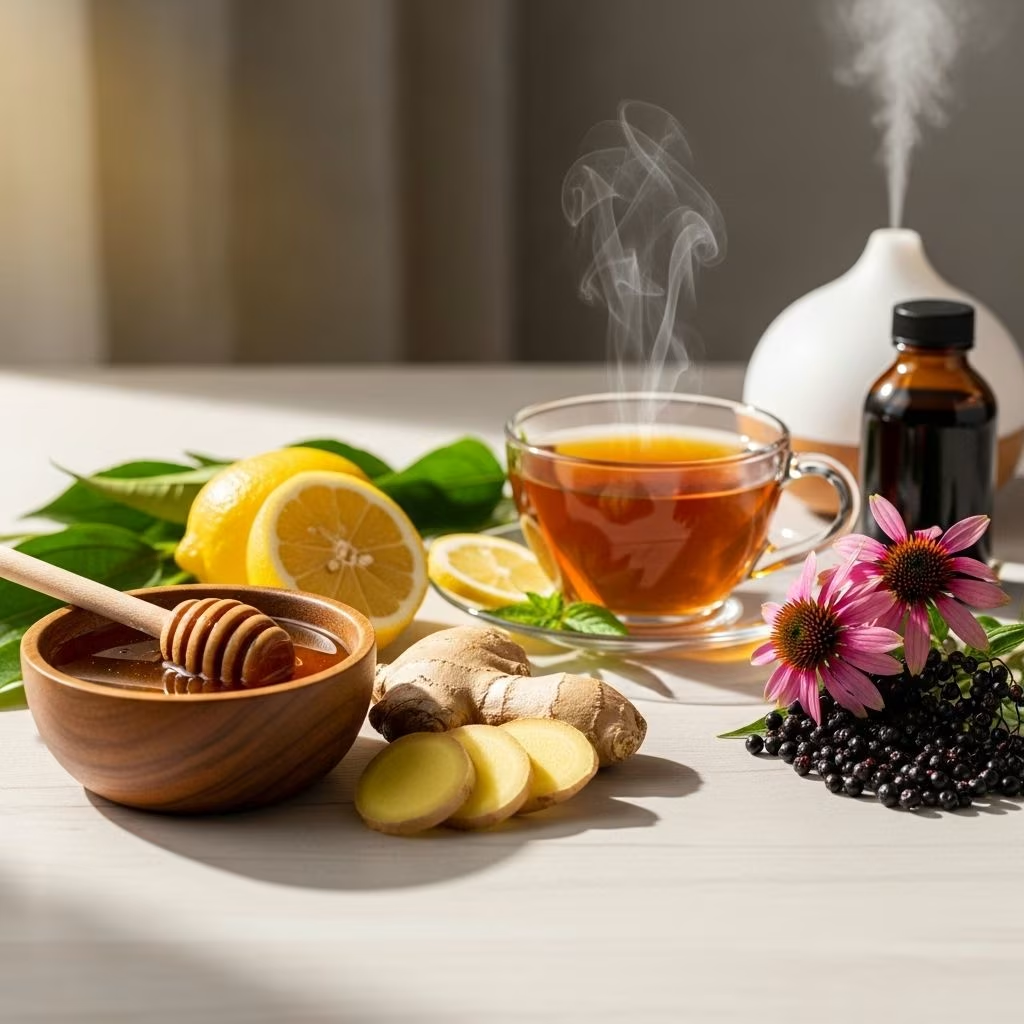
Echinacea is a flowering plant used for centuries in traditional medicine, especially by Indigenous peoples of North America. It contains active compounds—including flavonoids—that help modulate immune function and reduce inflammation.
- Some studies suggest echinacea may help lessen the severity and duration of colds, though evidence is mixed and more high-quality research is needed.
- Many experts recommend starting echinacea as soon as you detect cold symptoms for potential benefit.
Echinacea is most commonly taken as a tincture: a concentrated liquid extract of the plant. Add the recommended dosage to hot water, juice, or tea, and drink it once or twice per day while cold symptoms persist.
Note: Echinacea can interact with some medications and may cause allergic responses in those sensitive to plants of the daisy family. Consult a healthcare provider if you are unsure about its suitability for you.
4. Ginger Shots: Spicy Relief for Immunity and Nausea
Once overlooked, ginger shots have emerged as a popular wellness staple and cold remedy. Ginger (Zingiber officinale) prides itself on anti-inflammatory and antioxidant effects as well as its ability to settle an upset stomach. When consumed as a concentrated shot, ginger may:
- Boost immune response
- Relieve sore throat and cough
- Lighten nasal congestion
- Ease nausea—helpful if your illness brings digestive upset
Making a ginger shot at home:
- Grate or juice a thumb-sized piece of fresh ginger root.
- Squeeze in juice from half a lemon for extra vitamin C and flavor.
- Mix the juice with 1 teaspoon of honey (optional; for taste and throat soothing).
- Drink as-is or dilute in a few tablespoons of warm water.
Ginger is generally safe for most people when consumed in reasonable quantities, but those with bleeding disorders or taking blood thinners should check with a professional first.
Additional Tips to Stay Healthy and Recover Faster
- Stay Hydrated: Consuming plenty of fluids—warm broths, teas, water, diluted juices—not only helps thin mucus but also keeps your body operating optimally.
- Get Plenty of Rest: Sleep enables your immune system to mount an effective response. Aim for at least 7-9 hours per night while sick.
- Eat Vitamin-Rich Foods: Focus on nutrient-dense, antioxidant-rich foods: citrus fruits, kiwis, bell peppers, broccoli, and leafy greens are all excellent choices for extra vitamin C and other protective compounds.
- Warm Salt Water Gargle: Gargling helps soothe sore throats, reduce inflammation, and may clear away viral particles.
- Humidify the Air: Using a humidifier or taking warm steamy showers can help loosen congestion and soothe respiratory passages.
- Minimize Sugar: Excess sugar can suppress immune function and promote inflammation.
- Practice Hand Hygiene: Frequent hand washing is one of the most effective ways to prevent viral spread.
Pro Tips for Navigating Cold and Flu Season
- Start remedies early: The effectiveness of most natural remedies is highest when used at symptom onset.
- Monitor symptoms: While natural options help most mild to moderate cases, seek prompt medical attention if your symptoms escalate—such as persistent high fever, shortness of breath, chest pain, or faintness.
- Personalize your care: If you have allergies, are pregnant, or take medication for chronic illness, discuss new supplements or remedies with your healthcare provider.
Frequently Asked Questions
Q: Can these natural remedies cure a cold or the flu?
A: No, there is no cure for common colds or influenza. Natural remedies may provide symptom relief and support your body as it recovers, but most viral illnesses are self-limiting and resolve over time.
Q: Is coconut oil safe for everyone to ingest?
A: Coconut oil is considered safe for most healthy adults in moderate quantities, but those with specific allergies or certain metabolic conditions should consult a physician before use.
Q: How long should I use echinacea for cold symptoms?
A: Short-term use (for up to a week) at the onset of symptoms is generally considered safe for most people, unless otherwise directed by a healthcare provider.
Q: Can children use these natural remedies?
A: Not all remedies are suitable for children. For example, honey should be avoided in children under 1 year due to risk of botulism, and essential oils should be used with great caution. Always consult a pediatrician before trying new remedies with children.
Q: Are ginger shots better than ginger tea?
A: Both offer similar benefits. Shots deliver a more concentrated dose and may provide rapid relief, while tea offers gentle, sustained effects and additional hydration.
Conclusion
Equipped with kitchen staples like coconut oil, ginger, and healing botanicals such as echinacea, you can empower yourself with natural, gentle ways to ease cold and flu symptoms. Though no remedy is a substitute for medical advice or care when symptoms are severe, these time-honored approaches can provide valuable comfort, support recovery, and may even help boost your immune system—and all with ingredients you likely have at home.
Pair these natural remedies with plenty of rest, hydration, vitamin-rich foods, and good self-care. Here’s to a healthier and more resilient cold and flu season!
References
- https://www.healthline.com/health/cold-flu/home-remedies
- https://www.wellandgood.com/health/natural-cold-flu-remedies
- https://utswmed.org/medblog/flu-cold-remedies/
- https://healthy.kaiserpermanente.org/health-wellness/healtharticle.6-natural-cold-remedies-try-this-winter
- https://www.mayoclinic.org/diseases-conditions/common-cold/in-depth/cold-remedies/art-20046403
- https://www.webmd.com/cold-and-flu/14-tips-prevent-colds-flu-1
- https://pmc.ncbi.nlm.nih.gov/articles/PMC10220542/
- https://www.health.harvard.edu/blog/preventing-and-treating-colds-the-evidence-and-the-anecdotes-2017011210972