


Introduction
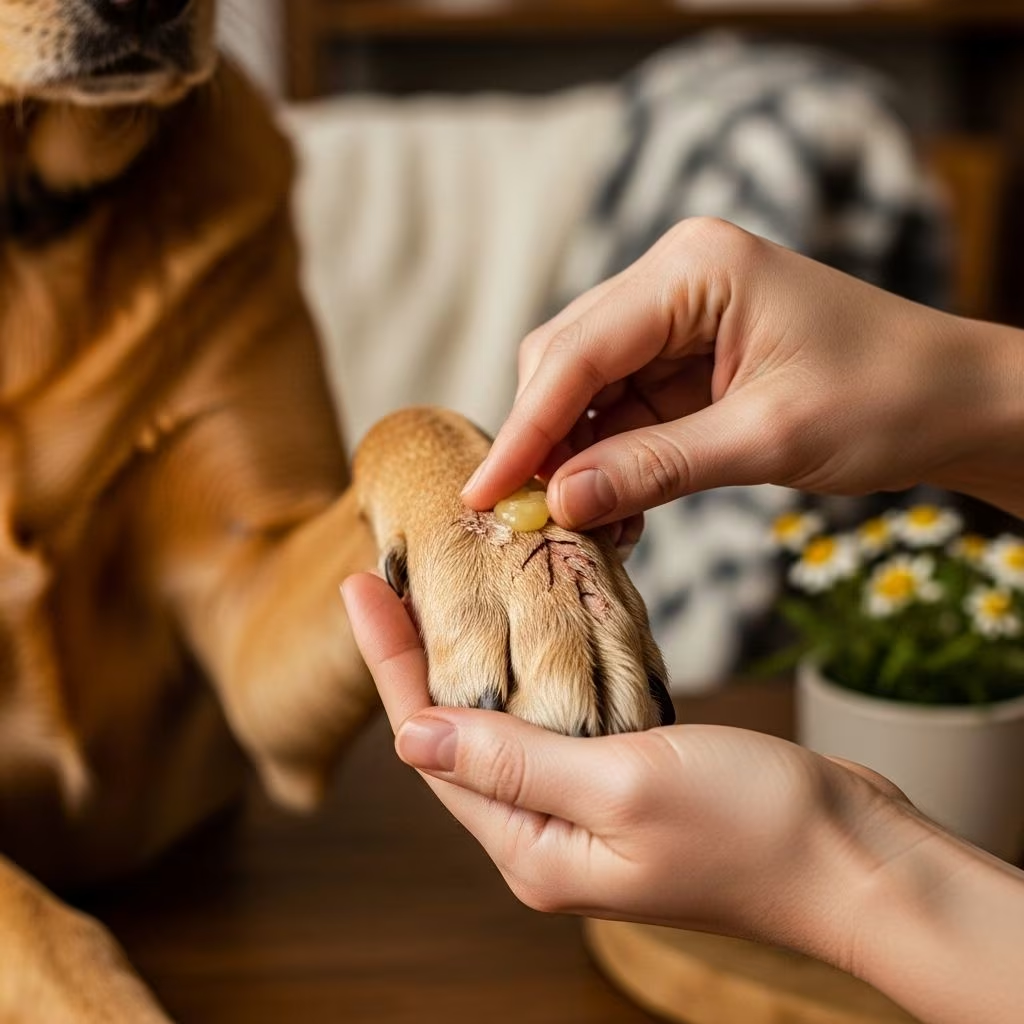
Just like humans, dogs can suffer from dry or cracked paw pads, especially during extreme weather or from exposure to rough surfaces. Cracked pads can be painful and may lead to more serious issues if left untreated. Fortunately, there are several natural remedies that can help soothe, heal, and protect your dog’s paws. This article covers five effective solutions, prevention tips, and answers to common questions about paw care.
Causes of Dry or Cracked Paws in Dogs
Dry or cracked paw pads can be caused by a variety of factors:
- Extreme weather (hot pavement, snow, ice, salt)
- Environmental irritants (chemicals, rough terrain)
- Lack of moisture
- Excessive licking or chewing
- Allergies or underlying health conditions
Understanding the cause is the first step to effective treatment and prevention.
1. Coconut Oil: A Natural Moisturizer
Coconut oil is widely recognized for its moisturizing, anti-inflammatory, and antibacterial properties, making it an excellent choice for treating dry or cracked paw pads. Its natural composition means it’s safe even if your dog licks it off—though moderation is best to avoid digestive upset.
How to Use Coconut Oil for Paw Care
- Warm a small amount of organic, unrefined coconut oil in your hands.
- Gently massage it into your dog’s paw pads.
- Apply 1–2 times daily, especially after walks or exposure to harsh conditions.
Coconut oil can also be used as a preventive measure, keeping paw pads soft and supple year-round.
2. Shea Butter: Deep Hydration for Cracked Pads
Shea butter is a thicker, richer alternative to coconut oil, providing deep and long-lasting moisture for severely cracked paw pads. It’s packed with fatty acids and vitamins that promote healing and skin repair.
How to Use Shea Butter
- Choose pure, unrefined shea butter (available at pet stores or natural markets).
- Massage a small amount onto clean, dry paw pads.
- Repeat daily or as needed for persistent dryness.
Shea butter is especially useful in winter when paws are exposed to snow, ice, and salt.
3. Lanolin: A Natural Emollient from Sheep’s Wool
Lanolin, derived from sheep’s wool, is similar to the natural oils produced by canine skin. It’s highly effective at sealing in moisture and protecting against further cracking.
How to Use Lanolin
- Apply a thin layer of pure lanolin to clean, dry paw pads.
- Use 1–2 times daily for best results.
Lanolin is thick and stays on longer, making it ideal for dogs who spend a lot of time outdoors.
4. CBD Oil: Soothing Relief for Pain and Inflammation
CBD oil has gained popularity for its anti-inflammatory and pain-relieving properties. When applied topically, it can help soothe discomfort and speed up the healing process for cracked paw pads.
How to Use CBD Oil
- Choose a pet-safe, high-quality CBD oil or balm.
- Apply a small amount directly to the affected paw pads.
- Monitor your dog for any adverse reactions, and consult your vet if unsure.
CBD oil is best used alongside other moisturizing agents for comprehensive care.
5. Protective Gear: Dog Booties and Leggings
Prevention is key to keeping your dog’s paws healthy. Dog booties and waterproof leggings provide a physical barrier against harsh surfaces, extreme temperatures, and chemicals.
How to Introduce Dog Booties
- Let your dog sniff and inspect the booties first.
- Put one bootie on for a few seconds, then remove and reward with a treat.
- Gradually increase wearing time as your dog becomes comfortable.
Not all dogs adapt quickly, so patience and positive reinforcement are essential.
Additional Tips for Paw Care
Beyond these remedies, several additional practices can help maintain healthy paw pads:
- Keep Paws Clean: Regularly wipe paws with a damp cloth to remove dirt, salt, and chemicals. Dry thoroughly to prevent moisture-related issues.
- Limit Exposure: Avoid walking your dog on hot pavement or icy sidewalks. Schedule walks during cooler parts of the day in summer and use booties in winter.
- Moisturize Regularly: Use paw balms or waxes for ongoing protection, especially before outdoor activities.
- Check for Injuries: Inspect paws frequently for cuts, cracks, or foreign objects and seek veterinary care if wounds are deep or infected.
When to See a Veterinarian
While most cases of dry or cracked paws can be managed at home, consult your veterinarian if:
- Cracks are deep, bleeding, or show signs of infection.
- Your dog is limping or appears to be in significant pain.
- There’s no improvement after a week or two of home care.
- You suspect an underlying health issue, such as allergies or autoimmune disease.
Comparison of Natural Remedies
| Remedy | Benefits | Best For | Frequency |
|---|---|---|---|
| Coconut Oil | Moisturizes, anti-inflammatory, antibacterial | Mild dryness, preventive care | Daily |
| Shea Butter | Deep hydration, skin repair | Severe cracks, winter care | Daily |
| Lanolin | Seals in moisture, long-lasting | Outdoor dogs, persistent dryness | 1–2 times daily |
| CBD Oil | Pain relief, anti-inflammatory | Painful or inflamed paws | As needed |
| Dog Booties | Physical protection | All dogs, extreme weather | During walks/exposure |
Frequently Asked Questions (FAQs)
Q: How often should I apply natural remedies to my dog’s paws?
A: For mild dryness, once daily is usually sufficient. For severe cracks, apply 2–3 times daily until improvement is seen. Always ensure paws are clean and dry before application.
Q: Are there any risks to using natural oils on my dog’s paws?
A: Most natural oils (coconut, shea butter, lanolin) are safe, but over-application may cause digestive upset if licked in large quantities. Use sparingly and monitor your dog’s reaction.
Q: How can I tell if my dog’s cracked paws are infected?
A: Signs of infection include redness, swelling, discharge, foul odor, or increased pain. Seek veterinary care promptly if you notice these symptoms.
Q: My dog won’t wear booties—what should I do?
A: Introduce booties gradually, using treats and praise. Start with short sessions and increase duration as your dog becomes more comfortable. If your dog refuses, focus on other protective measures like wax-based balms.
Q: Can I use petroleum jelly on my dog’s paws?
A: Petroleum jelly can be used occasionally, but it is not as natural as the remedies above and may cause stomach upset if ingested in large amounts. Use dog-specific balms for best results.
Q: How long does it take for cracked paw pads to heal?
A: With consistent care, minor cracks can heal in 1–2 weeks. Deeper or more severe cracks may take 2–3 weeks or longer.
Prevention Is the Best Medicine
Regular paw care, including cleaning, moisturizing, and protection from harsh environments, is the most effective way to prevent dry or cracked paws. Incorporate these natural remedies into your routine to keep your dog’s paws healthy, comfortable, and ready for any adventure.
Final Thoughts
Dry or cracked paw pads are a common but manageable issue for dogs. By understanding the causes and utilizing natural remedies like coconut oil, shea butter, lanolin, and CBD oil—along with protective gear—you can help your furry friend stay active and pain-free. Always monitor your dog’s condition and consult your veterinarian if problems persist or worsen.
References
- https://walkeepaws.com/blogs/news/5-natural-remedies-for-cracked-dog-pads-tips-for-keeping-your-pup-s-paws-healthy
- https://www.earthbuddypet.com/blogs/cbd-faqs/how-to-help-dry-dog-paws
- https://www.betterpet.com/learn/dry-dog-paws-home-remedies
- https://www.chewy.com/education/dog/health-and-wellness/solutions-for-caring-for-cracked-dog-paw
- https://www.petmd.com/dog/general-health/home-remedies-for-dogs
- https://naturaldog.com/blogs/whole-dog-health/paw-soother-how-to-heal-your-dogs-dry-cracked-paw-pads
- https://www.petmd.com/dog/general-health/cracked-dog-paws
- https://www.youtube.com/watch?v=3z83rT9IL30


