


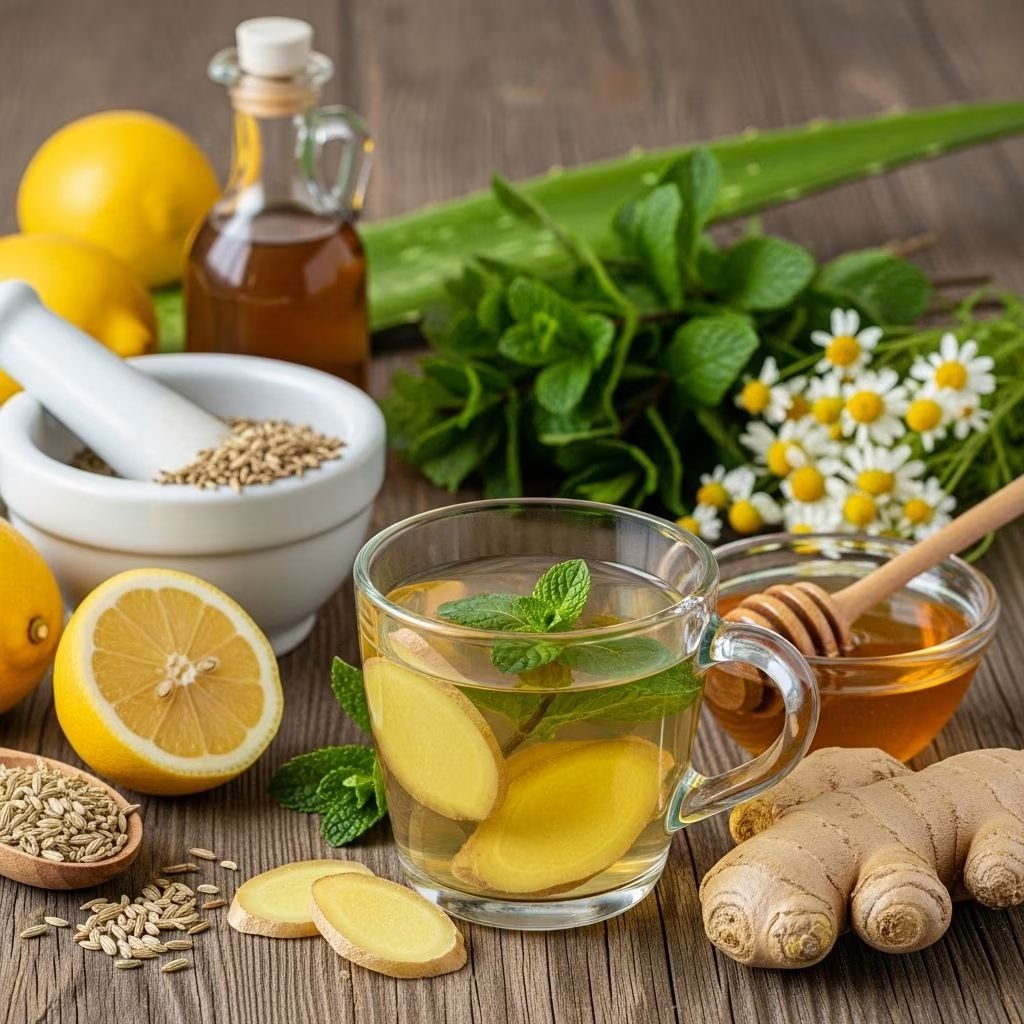
6 Effective Natural Remedies for an Upset Stomach
An upset stomach can strike unexpectedly, causing discomfort, nausea, bloating, or even cramping that disrupts your day. While over-the-counter medications exist, many people turn to natural remedies for gentle yet effective relief. Below, discover six proven ways to calm your digestive system, regain comfort, and support overall gut health.
Common Symptoms of an Upset Stomach
- Bloating
- Nausea and vomiting
- Indigestion and discomfort
- Cramps or abdominal pain
- Diarrhea or constipation
- General queasiness
These symptoms may occur due to dietary choices, stress, viral infections, or underlying digestive issues. Addressing mild cases with natural methods can be a safe first step, but always consult a healthcare provider for severe or persistent issues.
1. Ginger: The Ancient Digestive Soother
For centuries, ginger has been revered in traditional medicine for its remarkable digestive properties. This anti-inflammatory root can help relieve nausea, improve gastric motility, and ease cramps.
- Anti-Nausea Effects: Active compounds like gingerol and shogaol reduce signals in the gut that trigger nausea and vomiting. Ginger is particularly effective for motion sickness and pregnancy-related queasiness.
- Reduces Inflammation: Its natural anti-inflammatory actions can decrease irritation within the stomach lining.
- Accelerates Gastric Emptying: By speeding up how quickly food leaves the stomach, ginger can relieve bloating and heaviness.
How to Use:
- Steep 1-2 teaspoons of freshly sliced ginger in hot water to make a soothing tea.
- Chew on crystallized ginger or sip ginger ale (preferably natural and low in sugar).
- Add grated ginger root to smoothies, soups, or stir-fry dishes for everyday prevention.
For best results, consume ginger at the first sign of discomfort or include it in your diet proactively if you’re prone to digestive issues.
2. Peppermint: Nature’s Muscle Relaxant
Peppermint is well-known for its calming effects on the digestive tract. The key compound menthol relaxes the smooth muscles of the gut, easing spasms and reducing cramps.
- Relieves Indigestion: Peppermint helps move gas through the digestive system, decreasing bloating and discomfort.
- Reduces Nausea: Both peppermint tea and aroma can provide quick nausea relief.
- Minimizes Cramps: Its muscle-relaxing properties make it ideal for those with irritable bowel or stress-related stomach pain.
How to Use:
- Brew peppermint tea with 1-2 teaspoons of dried leaves per cup.
- Suck on peppermint candies (sugar-free if needed) between meals.
- Try enteric-coated peppermint oil capsules for persistent cramps (consult your doctor first).
Note: People with acid reflux may need to avoid peppermint, as it can sometimes worsen symptoms by relaxing the lower esophageal sphincter.
3. Apple Cider Vinegar: Acidity That Balances
Apple cider vinegar (ACV) is a widely recommended folk remedy for digestive complaints. Its acetic acid content may support digestion by boosting stomach acidity and helping with the breakdown of food.
- May Relieve Indigestion: Some find that a small amount of ACV before meals can reduce heartburn and bloating by improving stomach acid levels.
- Promotes Healthy Gut Bacteria: Raw, unfiltered ACV contains probiotics and enzymes that encourage a balanced microbiome.
How to Use:
- Mix 1 tablespoon of ACV with a glass of warm water and a teaspoon of honey. Sip before meals for preventative effect.
- Add ACV to salad dressings or marinades for an easy dietary boost.
Be cautious: Large quantities or undiluted ACV can erode tooth enamel and irritate your throat. Always dilute, and avoid if you have severe acid reflux or ulcers.
4. Chamomile Tea: Gentle Relaxation for the Gut
Chamomile is another herb cherished for its digestive and soothing attributes. It acts as a natural anti-inflammatory and mild sedative, making it effective against both physical stomach upset and anxiety-driven discomfort.
- Soothes Muscle Spasms: Its relaxant effect helps calm stomach and intestinal cramps.
- Reduces Nausea: Sipping chamomile tea can decrease queasiness and improve overall digestive comfort.
- Promotes Better Sleep: Because stress can worsen digestive issues, chamomile’s gentle sedative properties may help break the discomfort-anxiety cycle.
How to Use:
- Steep a chamomile tea bag or 1-2 teaspoons of dried chamomile flowers in hot water for 5-10 minutes.
- Drink 1-2 cups per day, particularly in the evening to relax the digestive system.
If you have allergies to ragweed or related plants, exercise caution, as chamomile may trigger allergic reactions in sensitive individuals.
5. BRAT Diet: Bananas, Rice, Applesauce, Toast
When your stomach can hardly tolerate food, the BRAT diet—bananas, rice, applesauce, and toast—provides gentle nourishment that’s unlikely to irritate or worsen diarrheal symptoms.
- Low-Fiber Foods: These items are binding and easy to digest, which can help reduce the frequency of loose stools.
- Electrolyte Support: Bananas in particular add potassium to help replenish electrolytes lost through vomiting or diarrhea.
- Plain Carbohydrates: Rice and toast provide energy without triggering further stomach upset.
How to Use:
- Start with tiny sips of water or clear fluids, then add BRAT foods as your appetite returns.
- Avoid adding butter, spices, or rich spreads until full recovery.
- Resume a normal diet gradually as symptoms subside.
This approach is generally recommended for a brief period (no more than a few days), as the BRAT diet is too low in protein or essential nutrients for long-term use.
6. Hydration and Electrolyte Balance
Maintaining hydration is critical when dealing with stomach upset, especially if you’re experiencing vomiting or diarrhea. Losses of water and essential minerals can quickly lead to dehydration, worsening symptoms or prolonging recovery.
- Prevents Dehydration: Adequate fluid intake replaces what’s lost and helps flush irritants from the digestive system.
- Supports Recovery: Water, broths, and oral rehydration solutions (ORS) can restore both fluids and electrolytes such as sodium and potassium.
| Beverage | Benefits | Precautions |
|---|---|---|
| Water | Keeps you hydrated | Plain; avoid if unable to keep down |
| Herbal Teas (Ginger, Peppermint, Chamomile) | Calming, anti-nausea effects | Choose caffeine-free |
| Clear Broths | Provides sodium, warmth, and comfort | Limit MSG and added fats |
| Electrolyte Drinks/ORS | Replaces potassium, sodium, and fluids | Watch for excessive sugars |
Sip slowly and frequently, rather than drinking a large amount at once. In cases of ongoing vomiting or inability to retain fluids, medical attention may be necessary.
Additional Tips for Preventing and Managing Upset Stomach
- Eat Smaller, Frequent Meals: Large meals can overwhelm the digestive process. Opt for lighter, more frequent meals to ease the burden on your gut.
- Avoid Trigger Foods: Fatty, spicy, or overly processed foods can intensify symptoms. Identify and avoid what irritates your system.
- Practice Mindful Eating: Chew food thoroughly and eat slowly to aid digestion.
- Stay Upright After Meals: Sitting or standing after eating helps food move smoothly and reduces heartburn risk.
- Manage Stress: Anxiety and stress can cause or exacerbate digestive issues. Meditation, gentle exercise, or deep breathing can help.
- Limit Caffeine and Alcohol: Both substances can irritate the stomach and worsen symptoms in sensitive individuals.
- Try a Heating Pad: Placing a warm pad on your abdomen for 10-15 minutes may relax stomach muscles and ease pain. Don’t use for extended periods.
When to See a Doctor
While most upset stomachs resolve with rest and simple home remedies, some signs warrant prompt medical evaluation:
- Persistent pain lasting more than 48 hours
- Severe dehydration (sunken eyes, very dark urine, lightheadedness)
- Blood in vomit or stool
- High fever with abdominal symptoms
- Unexplained weight loss or inability to retain fluids
Always seek medical care for infants, elderly individuals, or those with chronic diseases experiencing digestive symptoms.
Frequently Asked Questions (FAQs)
Q: Which foods should be avoided during an upset stomach?
A: Avoid fatty, fried, spicy foods, dairy (if lactose intolerant), and foods high in acid or sugar until symptoms resolve.
Q: Can stress cause an upset stomach?
A: Yes, stress and anxiety often exacerbate stomach discomfort and digestive disturbances through the gut-brain axis.
Q: Are there risks to using natural remedies?
A: Most are safe in moderation. However, consult a doctor before using essential oils internally, and avoid excessive amounts of vinegar or herbal teas if pregnant or on medication.
Q: How soon should I expect relief?
A: Many remedies work within 30–60 minutes, particularly teas or rehydration methods. Dietary changes may take longer.
Q: Are probiotics helpful for upset stomach?
A: Probiotics can help balance gut flora after a stomach upset, especially if antibiotics or infection were involved, but choose clinically studied strains for best results.
Conclusion
Turning to natural remedies for an upset stomach offers a safe, accessible, and often effective means of relief. Ginger, peppermint, chamomile tea, apple cider vinegar, the BRAT diet, and staying hydrated are all science-backed strategies. Combine these approaches with healthy lifestyle practices for optimal digestive wellness. Should symptoms persist or worsen, always consult with a healthcare professional for a thorough evaluation.
References
- https://www.medicalnewstoday.com/articles/322047
- https://pepto-bismol.com/en-us/symptoms/all-upset-stomach-articles/how-to-settle-an-upset-stomach-5-remedies-to-help-you-feel-better-fast
- https://health.unl.edu/4-home-remedies-upset-stomach-plus-6-things-avoid/
- https://www.baptisthealth.com/blog/gastroenterology/8-natural-remedies-for-upset-stomach
- https://www.humnutrition.com/blog/remedies-for-upset-stomach/
- https://lyphe.com/natural-remedies-for-nausea
- https://metrodetroitgastro.com/news/8-natural-remedies-for-stomach-ache
- https://www.henryford.com/Blog/2024/03/Stomachache-Remedies


