


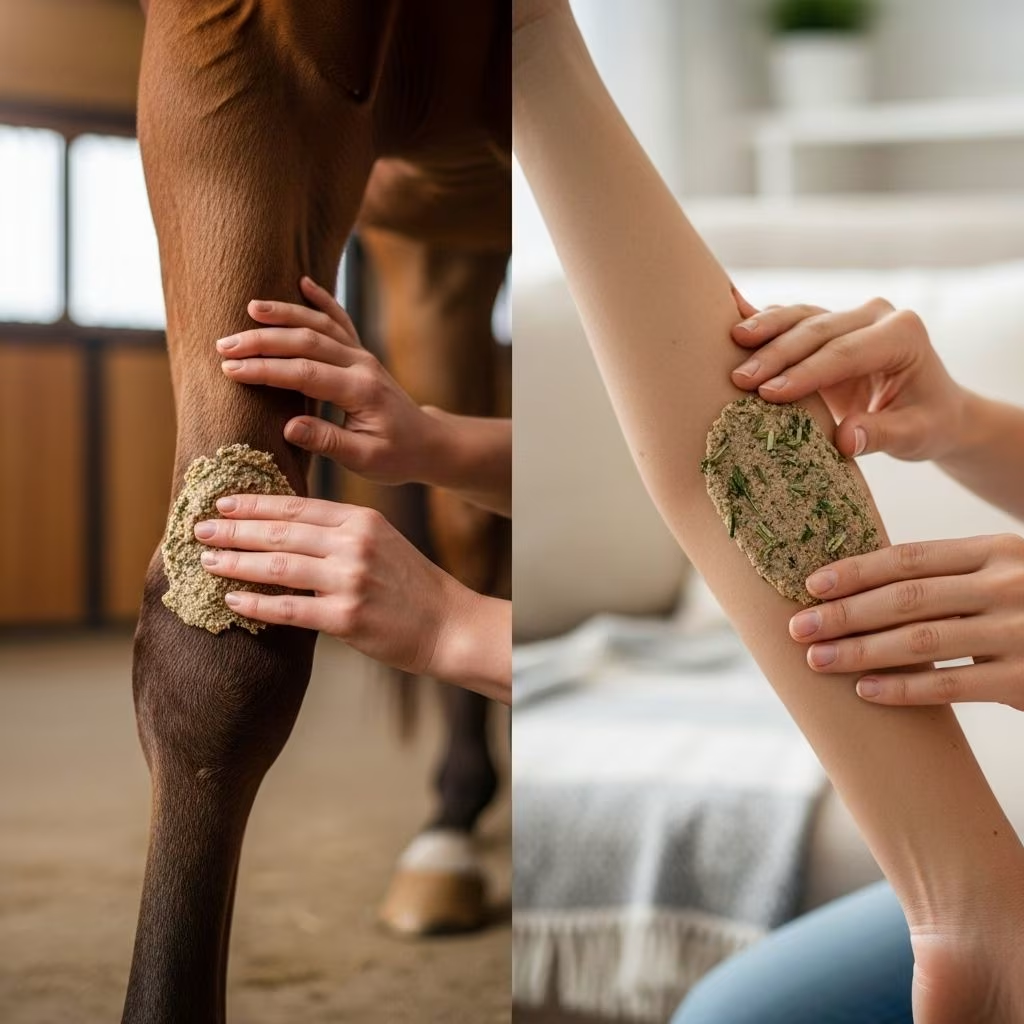
Home remedies provide gentle, natural solutions for everyday health and first aid, offering benefits not only to humans but also to the horses we cherish. Whether you’re caring for yourself or your equine companion, these remedies stand the test of time and science. From the barn to the home, discover seven remedies you’ll reach for again and again.
Introduction: Healing Through Nature’s Toolbox
For centuries, people and horses have relied on the earth’s provisions for healing. In holistic health, there’s a special synergy between the treatments that benefit humans and the ones that comfort and restore our four-legged friends. In this article, you’ll find seven remedies proven effective for daily bumps, bruises, and challenges—each with practical advice, preparation, and safety notes for cross-species use.
- Epsom Salts
- Aloe Vera
- Apple Cider Vinegar
- Honey
- Coconut Oil
- Calendula
- Clay
1. Epsom Salts: Soothing Aches and Abscesses
Epsom salts (magnesium sulfate) have earned their place as a staple in every household and barn. This mineral salt works as a powerful yet gentle healing agent, ideal for treating inflammation, soreness, and minor wounds in both horses and humans.
Uses for Horses
- Hoof Abscesses: Dissolve Epsom salts in warm water to create a soak or poultice—this draws out infection and soothes pain, speeding up recovery from abscesses or bruises.
- Muscle Soreness: After intense work or an injury, an Epsom salt bath helps horses relax and recover.
Uses for Humans
- Soothing Baths: Add a cup of Epsom salts to a warm bath to relieve muscle tension, reduce swelling, and support relaxation.
- Foot Soaks: Epsom salt in a foot bath can ease tired, aching feet and soften skin.
How to Prepare
- For hoof soaks or poultices: Mix 1–2 cups of Epsom salt per gallon of warm water. Soak the foot for up to 20 minutes, or combine with a clean cloth for a simple poultice.
- For human baths: Dissolve about 2 cups of Epsom salt in a standard-sized bathtub filled with warm water. Soak for 12–20 minutes.
Note: Never allow horses to drink Epsom salt water. Consult a veterinarian if an abscess or lameness persists.
2. Aloe Vera: Nature’s First Aid Gel
Aloe vera is celebrated for its cooling, soothing, and healing effects. With over 200 active compounds, this succulent plant is a mainstay for topical and occasional internal use for both horses and humans.
Uses for Horses
- Wound Care and Skin Irritation: Apply aloe gel directly to minor cuts, scrapes, sunburn, bug bites, or cracked skin for rapid relief and tissue repair.
- Digestive Aid: Some holistic practitioners use food-grade aloe internally for digestive upsets, though this should always be done under vet supervision.
Uses for Humans
- Burns and Sunburn: Aloe is famous for bringing quick, cooling comfort to burns and sun-exposed skin.
- Rashes and Irritation: It’s effective on kitchen burns, razor nicks, insect bites, eczema, and dry skin patches.
How to Prepare
- For topical use: Cut an aloe leaf, scoop out the gel, and apply directly to clean skin.
- Use pure, unscented gel for best results; avoid products with dyes or added chemicals.
Note: For deep wounds or if irritation worsens, consult a doctor or vet. Only use the clear interior gel, not the outer leaf, for all topical uses.
3. Apple Cider Vinegar: Versatile Health Booster
Apple cider vinegar (ACV) has antiseptic, anti-inflammatory, and pH-balancing properties. Its versatility makes it a favorite remedy in both equine and human medicine cabinets.
Uses for Horses
- Coat Conditioner: Diluted ACV serves as a natural rinse for shiny coats and relief from dandruff or skin fungus.
- Fly Repellent: Mix ACV with water and spray on horses or their stalls to deter pesky insects.
- Digestive Aid: Some horse owners add a splash to water or feed for gut health, but always confirm proper dosage with a veterinarian.
Uses for Humans
- Digestive Tonic: A tablespoon of ACV in water before meals may support healthy digestion and regulate blood sugar.
- Skin and Hair Rinse: A diluted rinse can clarify hair and tone skin, leaving it refreshed.
How to Prepare
- For spray: Mix equal parts ACV and water; apply as needed.
- For rinses: 1 part ACV to 10 parts water to avoid irritation.
- For consumption: Never use undiluted. Start with small amounts, monitoring for sensitivity.
Note: Always use raw, unfiltered apple cider vinegar with the “mother” for maximum benefit. Discontinue use if irritation or sensitivity occurs.
4. Honey: Nature’s Antibacterial Marvel
Honey, especially raw or manuka varieties, acts as a gentle antiseptic and powerful healer for wounds and sore throats in horses and humans alike. Its unique content of enzymes, antioxidants, and natural sugars accelerates tissue repair and soothes irritation.
Uses for Horses
- Wound Dressing: Apply a thin layer of honey directly to cuts, scrapes, or abrasions after cleaning. It deters bacteria and promotes healing.
- Cough Soother: Mixed with warm water or herbal teas, honey can help calm a mild cough (but check with your vet for persistent symptoms).
Uses for Humans
- Sore Throat Relief: Stir into herbal tea or hot water with lemon for soothing relief.
- Wound Healing: Raw honey applied to minor skin injuries can speed up healing and reduce scarring.
How to Prepare
- Use only raw, unprocessed honey for medical use.
- Clean wounds thoroughly before dressing with honey.
- Never give honey to infants under one year due to risk of botulism.
Note: If wound shows excessive redness, swelling, or discharge, consult a veterinarian or physician.
5. Coconut Oil: Gentle Nourishment and Antimicrobial Action
Coconut oil offers a spectrum of benefits—from soothing dry, irritated skin to its mild antimicrobial properties. Its versatility makes it a staple in both the tack room and the kitchen.
Uses for Horses
- Skin and Mane Conditioner: Rub coconut oil into dry patches, scabs, or along the mane and tail to moisturize and support healing.
- Wound Support: For superficial scrapes, coconut oil can create a protective barrier and deter pathogens.
Uses for Humans
- Skin and Hair: Apply as a moisturizer, lip balm, or hair mask for softness and shine.
- Cooking: Use as a healthy alternative fat in cooking—its medium-chain fatty acids are quickly absorbed and provide clean energy.
How to Prepare
- For topical use, massage a small amount onto clean skin or hair.
- For equine use, ensure the area is clean; avoid use on deep wounds.
Note: Store coconut oil in a cool, dry place. Discontinue topical use if signs of allergy appear.
6. Calendula: The Gentle Herbal Healer
Calendula, also known as pot marigold, is revered for its gentle, soothing action on skin. The petals of this cheerful herb can be prepared as infusions, ointments, or sprays for healing and preventing infection.
Uses for Horses
- Minor Cuts and Scrapes: Calendula ointment or tea provides anti-inflammatory and antimicrobial properties. It’s safe for use on most superficial wounds.
- Skin Soothing: Use as a gentle wash for bug bites, rashes, or irritated skin.
Uses for Humans
- First Aid: Apply calendula salve or compress to minor burns, cuts, and dermatitis.
- Facial Care: Calendula tea or infused oil is gentle enough for delicate facial skin, helping reduce redness and promote healing.
How to Prepare
- To make an infusion: Steep 1 tablespoon of dried calendula flowers in 1 cup of hot water for 15 minutes, then strain and cool before use as a wash or compress.
- Calendula creams and salves are available at most health stores; check labels for quality and purity.
Note: Discontinue use if rash or irritation develops. For deep wounds, seek professional care.
7. Clay: Drawing Out Toxins and Calming Inflammation
Clay (such as bentonite or green clay) has a long history in both traditional medicine and veterinary care. Its ability to draw out toxins, cool inflammation, and promote healing makes it an invaluable, natural remedy for external care.
Uses for Horses
- Leg Poultices: When applied as a wet clay pack to sore or swollen legs, it helps draw out heat, toxins, and fluid.
- Bites and Stings: Clay can reduce swelling and itching from insect bites or minor skin reactions.
Uses for Humans
- Facial Masks: Bentonite or green clay draws out impurities and excess oils for clearer, calmer skin.
- First Aid: Clay applied as a paste can alleviate irritation from poison ivy, bug bites, or minor rashes.
How to Prepare
- Mix clay powder with enough water to form a thick paste. Apply to the desired area, allow to dry (or keep moist for poultices), then rinse gently.
- Use only high-quality, pure clay—avoid industrial or non-cosmetic forms.
Note: Clay is for external use only unless otherwise directed by a healthcare provider.
Comparison Table: Remedies at a Glance
| Remedy | For Horses | For Humans | Common Preparation |
|---|---|---|---|
| Epsom Salts | Hoof soaks, muscle relief | Baths, foot soaks | Dissolve in warm water |
| Aloe Vera | Wounds, skin irritation | Burns, rashes | Apply raw gel topically |
| Apple Cider Vinegar | Coat rinse, fly spray, gut health | Digestion, hair/skin rinse | Dilute with water, spray or rinse |
| Honey | Wound healing, coughs | Sore throat, wounds | Direct application or in drinks |
| Coconut Oil | Skin, mane, wound care | Skin, hair, cooking | Apply topically or ingest food grade |
| Calendula | Cuts, rashes | Cuts, face care | Infusion, salve, or compress |
| Clay | Poultice for legs, insect bites | Face masks, rashes | Mix with water to paste |
Frequently Asked Questions (FAQs)
Q: Can I use these remedies on both myself and my horse interchangeably?
A: While these remedies are generally safe for both species, always use products appropriate for the intended purpose and avoid added fragrances, dyes, or chemicals. For internal use (especially with horses), consult your veterinarian first.
Q: How can I tell if my horse is having an adverse reaction to a remedy?
A: Watch for signs like increased irritation, swelling, heat, or behavioral changes. Discontinue the remedy immediately and consult your vet if symptoms persist or worsen.
Q: Are these remedies safe for foals or young children?
A: Exercise extra caution. For example, never give honey to those under one year of age, and always use extra-diluted products. When in doubt, seek professional advice.
Q: Where should I purchase these remedies for highest quality?
A: Opt for products labeled organic and unrefined (such as raw honey, unfiltered apple cider vinegar, extra virgin coconut oil). Reputable health food stores or specialty equine suppliers are best.
Q: Can these remedies replace veterinary or medical care?
A: No. They complement, not replace, professional diagnosis or treatment. Seek veterinary or medical guidance for persistent, serious, or deep injuries and illnesses.
Final Thoughts: Integrating Holistic Remedies for Whole-Herd Health
Natural, time-tested remedies like Epsom salts, aloe, honey, and others featured here bridge the gap between the barn and the home—offering solutions for first aid, comfort, and resilience. When incorporated thoughtfully, these can be safe and effective adjuncts to professional care, reinforcing the deep connection between humans and horses through better health and well-being for both.
References
- https://naturallyunbridled.com/articles/essential-oils-competitive-equestrians/
- https://www.midsouthhorsereview.com/unbridled-comfort-the-profound-influence-of-horses-in-therapy
- https://naturallyunbridled.com/articles/category/holistic-health/page/10/
- https://naturallyunbridled.com/articles/ridden-hard-and-put-away-wet-equestrians-lose-sight-of-self-care/
- https://naturallyunbridled.com/articles/imagine-your-horse-like-this/
- https://naturallyunbridled.com/articles/tag/horse/page/2/
- https://naturallyunbridled.com/articles/what-it-means-to-be-naturally-unbridled/
- https://naturallyunbridled.com/articles/feed-tags-food-packages-and-tunnel-vision/


