


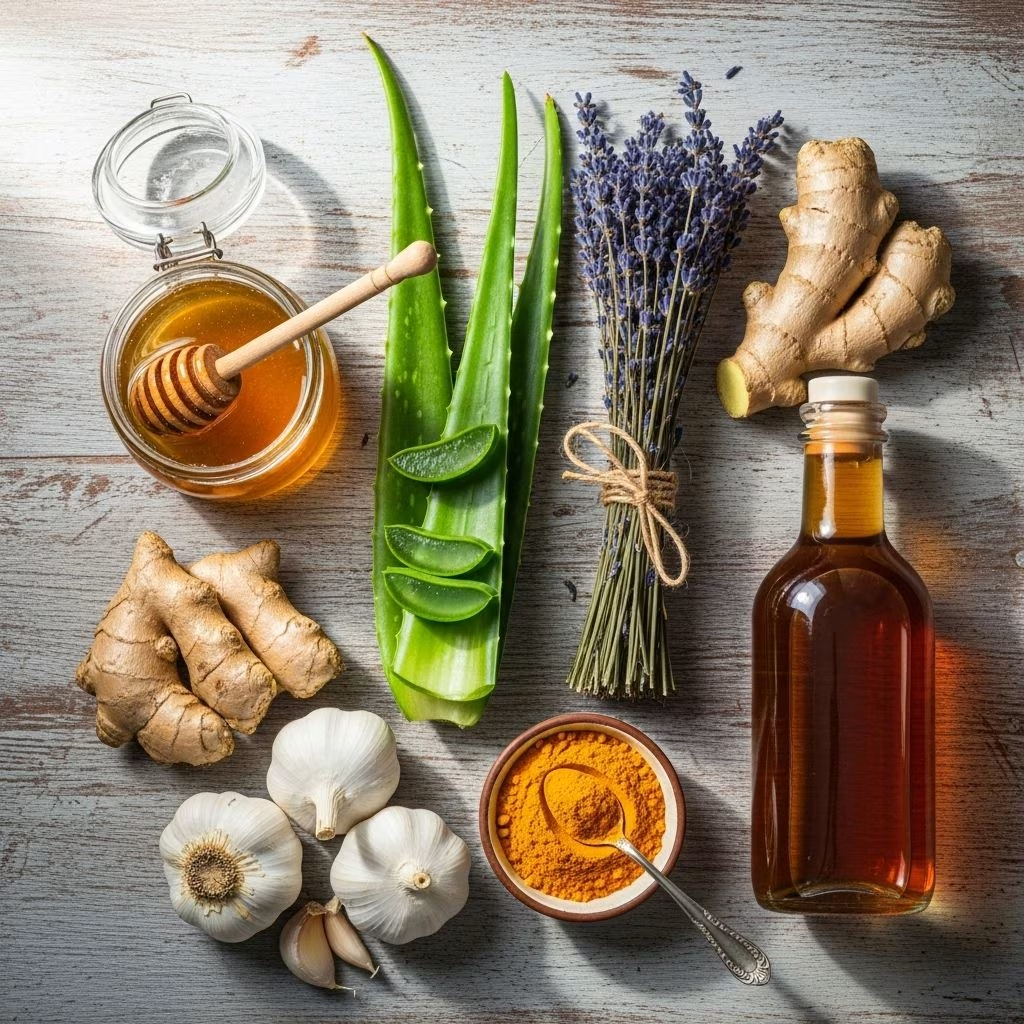
7 Surprising Natural Remedies That Actually Work
Natural remedies have been used by cultures worldwide for centuries, weaving through generations as trusted approaches to various health challenges. Yet, not every folk cure stands up to scientific scrutiny. In this article, we examine seven natural remedies supported by credible research—highlighting their applications, the science behind their effects, and practical safety tips for integrating them into modern health routines.
What Do We Mean by “Natural Remedies”?
Natural remedies refer to treatments that leverage compounds from nature—such as herbs, foods, and physical methods—to relieve symptoms or support health. Though these approaches can complement standard medical treatments, “natural” does not always signal “safe” or “effective”. Proper understanding, credible evidence, and responsible usage are crucial for maximizing benefits while minimizing risks.
1. Peppermint Oil for Digestive Relief
Peppermint oil has a storied reputation for soothing digestive discomfort. Modern studies have demonstrated that peppermint oil capsules can help reduce the symptoms of irritable bowel syndrome (IBS), such as cramps, bloating, gas, diarrhea, and constipation. The cooling menthol in peppermint relaxes the smooth muscles in the gut, providing relief from spasm and pain.
- How It Works: Menthol’s antispasmodic properties calm intestinal contractions.
- Research: Randomized controlled trials have shown meaningful reductions in IBS symptoms among peppermint oil users.
- Uses: Available in enteric-coated capsules, peppermint oil is typically taken before meals to optimize digestion.
- Safety Notes: Do not give peppermint oil to infants or very young children. Large doses can trigger heartburn in some adults.
2. Honey for Cough and Throat Soothing
For centuries, honey has been regarded as a gentle remedy for cough and sore throat. Recent studies support honey’s role in relieving nighttime coughing, especially in children, and promoting quicker healing. Its antimicrobial and anti-inflammatory properties help soothe irritation and support recovery. Honey is as effective as some over-the-counter remedies for certain types of cough.
- How It Works: Honey coats the throat and acts as an antioxidant and antibacterial agent.
- Research: Clinical trials have shown honey reduces cough frequency and improves sleep in children with upper respiratory infections.
- Uses: One tablespoon at bedtime can ease cough symptoms. Can be added to herbal tea or warm water.
- Safety Notes: Never give honey to infants under 1 year due to the risk of botulism.
3. Garlic for Heart Health
Beyond its culinary allure, garlic packs potential health benefits for the cardiovascular system. Studies have found that regularly eating garlic may help lower blood pressure and cholesterol levels, supporting heart health. Epidemiological evidence also connects garlic-rich diets with lower rates of certain cancers, though garlic supplements do not appear as effective as the whole clove.
- How It Works: Active compounds like allicin reduce inflammation, support blood vessel relaxation, and may impact lipid metabolism.
- Research: Population studies show reduced heart disease risk among regular garlic consumers.
- Uses: Raw, cooked, or aged garlic—use in food for everyday benefits.
- Safety Notes: Large quantities can lead to digestive upset or interact with anticoagulant medications; consult a health professional if you take blood thinners.
4. Chicken Soup for Cold Recovery
Grandma’s advice has finally caught up with science—chicken soup does more than comfort. Clinical research verifies that chicken soup can ease upper respiratory symptoms and help clear nasal mucus faster. The mix of warm liquid, protein, vegetables, and healthy fats helps curb inflammation and supports the immune system.
- How It Works: Heat and hydration loosen mucus; nutrients support immunity; gentle anti-inflammatory effect.
- Research: Laboratory and clinical studies confirm faster symptom relief and reduced congestion.
- Uses: Homemade recipes with lean chicken, vegetables, and herbs offer the greatest benefit.
- Safety Notes: Use clean, properly cooked poultry to prevent foodborne illness.
5. Neti Pot Nasal Rinses for Allergies and Congestion
Originating from Ayurveda, the neti pot uses a gentle saline rinse to clear nasal passages and alleviate allergy or cold symptoms. A warm saltwater solution poured into one nostril and drained out the other can remove allergens, reduce congestion, and lower inflammation.
- How It Works: Saline solution flushes out irritants and mucus from nasal cavities.
- Research: Clinical trials show improvement in allergy and sinus symptoms with regular use.
- Uses: Use a neti pot with distilled or previously boiled water to prevent infection.
- Safety Notes: Always avoid tap water; clean your neti pot thoroughly after each use to avoid microbial contamination.
6. Ginger for Nausea and Inflammation
Ginger boasts centuries of use in Asian and Middle Eastern medicine as a remedy for nausea, motion sickness, and inflammation. Modern studies confirm ginger’s effectiveness against morning sickness and its anti-inflammatory characteristics due to compounds like gingerol.
- How It Works: Gingerols and shogaols block neuroreceptors that trigger nausea, while fighting inflammation at the cellular level.
- Research: Clinical studies support ginger’s effectiveness for pregnant women, chemotherapy patients, and post-surgery nausea.
- Uses: Fresh ginger root in tea, capsules, candies, or as a culinary spice; 1–2 grams daily is typical for symptom relief.
- Safety Notes: Large doses can lead to digestive upset. Consult your doctor before using ginger medicinally during pregnancy.
7. Cinnamon for Blood Sugar Control
Cinnamon is touted for its potential to help maintain blood sugar levels. While the evidence is mixed, some research points to modest benefits for individuals with prediabetes or diabetes. However, high concentrations and certain cinnamon extracts may be harmful to the liver if overused.
- How It Works: Specific compounds in cinnamon may improve insulin sensitivity and slow carbohydrate breakdown.
- Research: Some trials demonstrate lowered fasting blood sugar with regular cinnamon use, while other studies show no significant effect.
- Uses: Sprinkle ground cinnamon over oatmeal, yogurt, or in smoothies for subtle support.
- Safety Notes: Avoid large doses and concentrated extracts. Cassia cinnamon carries higher risk of liver toxicity; Ceylon cinnamon is milder.
How to Use Natural Remedies Safely
The allure of natural solutions is strong, but safety must come first. Natural does not automatically mean risk-free, and some remedies may cause allergic reactions, interact with prescription drugs, or present unexpected side effects.
- Always consult your healthcare provider before starting any natural treatment, especially if you use other medications.
- Follow recommended dosages; never assume “more is better.” Large doses of herbs or supplements are not always safer or more effective.
- Source ingredients from reputable suppliers to avoid contamination or adulteration.
- Infants, children, and pregnant women require special caution—some remedies and supplements are unsafe for these populations.
Evidence vs. Tradition: How Science Shapes Natural Health
Many natural remedies were passed down through generations, cherished for anecdotal success rather than scientific rigor. Today, advances in research and clinical trials separate myth from reality—helping us understand which traditional treatments genuinely work, and which are best left as folklore.
| Remedy | Traditional Use | Scientific Support |
|---|---|---|
| Peppermint Oil | Digestive aid, headache relief | Strong evidence for IBS |
| Honey | Cough suppressant, wound healing | Proven for cough, incomplete for allergies |
| Garlic | Heart health, immunity, fighting infection | Supports cardiovascular health |
| Chicken Soup | Cold and flu comfort | Reduced congestion and quicker recovery |
| Neti Pot | Nasal cleansing, allergy relief | Effective for sinus relief |
| Ginger | Nausea, pain, inflammation | Strong anti-nausea effect, anti-inflammatory |
| Cinnamon | Blood sugar control, immune support | Mixed; modest blood sugar effects |
Frequently Asked Questions (FAQs)
Q: Are natural remedies safe for everyone?
A: No. While many natural remedies are gentle, certain populations—like children, pregnant or breastfeeding women, and people on complex medication regimens—should only use them under medical supervision.
Q: Can natural remedies fully replace conventional medicine?
A: Typically not. Most natural remedies are best for mild symptoms or as complementary therapies; serious illnesses require diagnosis and guidance from a healthcare provider.
Q: How can I tell if a natural remedy is supported by science?
A: Look for randomized controlled trials, systematic reviews, or endorsements from reputable organizations (e.g., Mayo Clinic, WebMD). Be wary of anecdotal or testimonial-only claims.
Q: Will natural remedies interact with my medications?
A: Some may. For example, garlic can increase bleeding risk when combined with blood thinners, and St. John’s wort interacts with many drugs. Always consult your doctor first.
Q: Where can I learn more about safe usage?
A: Trusted sources include healthcare providers, peer-reviewed clinical studies, and major health institutions. Avoid relying solely on social media, blogs, or forums without expert input.
Summary: The Promise and Challenge of Natural Remedies
Natural remedies can be valuable allies in promoting health, but not all are created equal. When supported by science, these approaches can complement traditional medicine, ease symptoms, and empower personal wellness. Seek out credible evidence, use remedies responsibly, and always prioritize safety—nature’s gifts are best enjoyed with wisdom and care.
References
- https://thenaturalhacks.com/author/rali4pro_admin/
- https://www.webmd.com/balance/ss/slideshow-home-remedies
- https://www.mayoclinic.org/tests-procedures/complementary-alternative-medicine/in-depth/natural-vs-safe-health-remedies/art-20587690
- https://pmc.ncbi.nlm.nih.gov/articles/PMC4370194/
- https://thenaturalhacks.com/7-forgotten-natural-remedies-your-grandmother-swore-by/
- https://thenaturalhacks.com/7-surprising-natural-remedies-that-actually-work/
- https://thenaturalhacks.com/author/rali4pro_admin/page/2/
- https://thenaturalhacks.com/unveiling-the-healing-secrets-of-nature/
- https://pmc.ncbi.nlm.nih.gov/articles/PMC9742825/


