


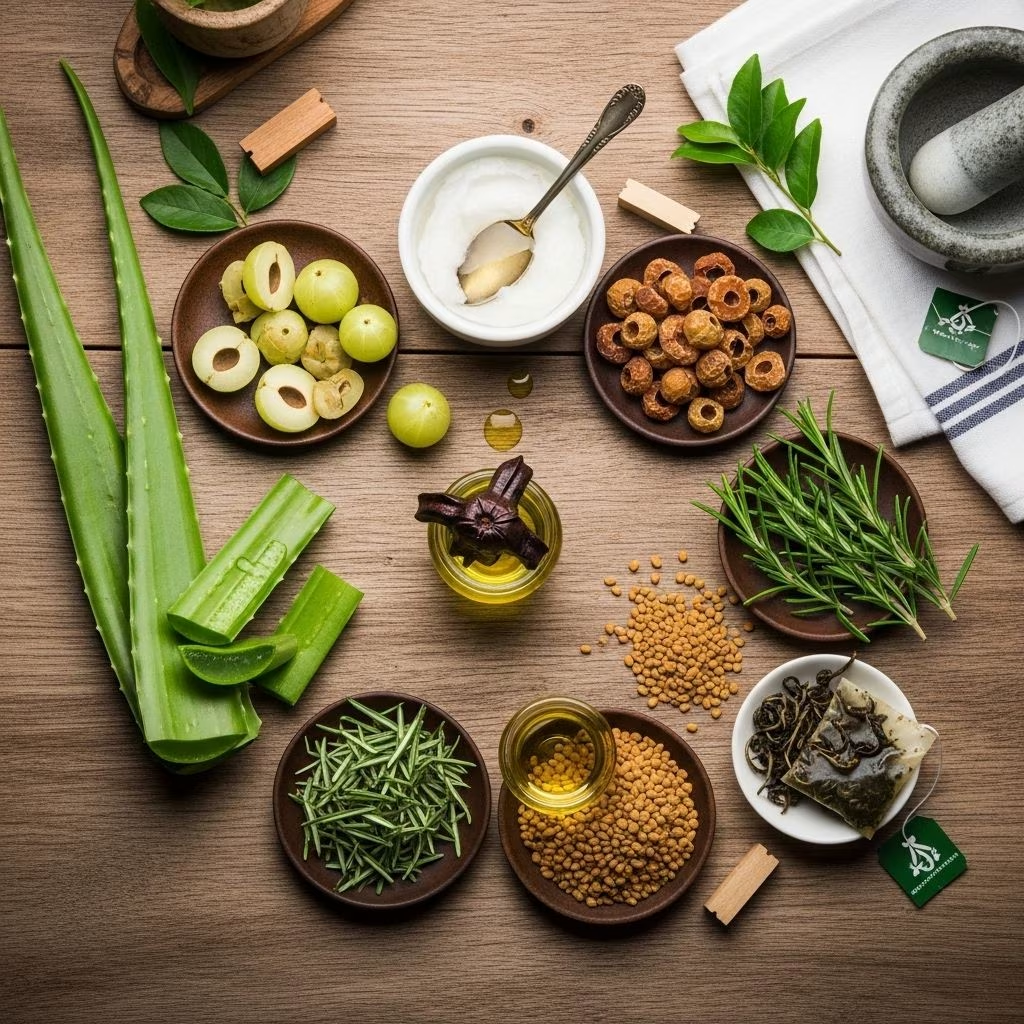
7 Natural Remedies for Hair Fall That Actually Work
Hair fall is a widespread concern affecting people across ages and genders. While genetics, hormonal imbalances, stress, and environmental factors contribute to this issue, many seek natural, gentle solutions rather than harsh chemicals or invasive treatments. Here, we explore seven powerful natural remedies, rooted in tradition and supported by research, that can help control hair fall, revive scalp health, and promote stronger, healthier hair growth.
Why Choose Natural Remedies for Hair Fall?
Natural remedies utilize potent ingredients from nature that nourish the scalp, strengthen hair roots, and rarely cause side effects. They support long-term scalp health, help repair hair structure, and can be combined with holistic lifestyle changes for best results. Below are seven tried-and-tested solutions that have stood the test of time.
1. Coconut Oil: The Timeless Hair Elixir
Coconut oil has been treasured in ayurvedic and traditional practices for centuries as a multi-purpose hair tonic. Rich in lauric acid, vitamins E and K, and essential fatty acids, coconut oil penetrates deeply into the hair shaft, reducing protein loss and forming a protective barrier against environmental damage.
- Prevents hair breakage by strengthening the hair shaft from within.
- Nourishes the scalp by improving its microflora, thus reducing dandruff and itching.
- Improves shine and texture, leaving hair softer and more manageable.
How to use:
- Warm a few tablespoons of pure coconut oil.
- Massage gently into the scalp and along the length of your hair.
- Leave it on for at least 30 minutes or overnight for deeper nourishment.
- Wash off using a mild shampoo.
2. Onion Juice: Nature’s Follicle Booster
Onion juice contains high concentrations of sulfur, which is vital for collagen production and essential for new hair growth. Many studies indicate that onion juice not only boosts hair regrowth in patchy alopecia (bald spots) but also strengthens existing hair follicles.
- Stimulates blood circulation to the scalp, awakening dormant follicles.
- Has natural antibacterial properties to combat scalp infections and reduce dandruff.
- High antioxidant content helps reduce premature greying.
How to use:
- Peel and chop one large onion, then process to extract the juice.
- Apply the juice directly to the scalp using fingertips or a cotton pad.
- Massage for 5 minutes, leave on for 20-30 minutes.
- Rinse thoroughly with a mild shampoo to remove the odor. Repeat 2-3 times weekly.
3. Aloe Vera: Scalp Saviour and Growth Promoter
Aloe vera gel is celebrated for its soothing, moisturizing, and anti-inflammatory properties. It contains vitamins A, C, and E, which are known to promote cell turnover, nourishing hair follicles for optimal growth.
- Helps maintain the scalp’s pH balance, reducing irritation and flakiness.
- Deeply hydrates the scalp and hair strands, preventing brittleness.
- Promotes the growth of stronger, thicker, shinier hair.
How to use:
- Extract fresh aloe gel from a clean leaf or use organic store-bought gel.
- Massage gently into the scalp and hair.
- Leave on for 20-25 minutes and rinse with lukewarm water.
- Use twice a week for best results.
4. Amla (Indian Gooseberry): The Antioxidant Powerhouse
Amla is a traditional remedy in Ayurveda, well-known for its vitamin C and antioxidant content. These nutrients help combat oxidative stress, the leading cause of hair follicle damage and premature hair fall.
- Stimulates hair growth by rejuvenating hair follicles and supporting scalp health.
- Improves natural hair color, delaying premature greying.
- Prevents dandruff and boosts shine, thanks to high vitamin C.
How to use:
- Mix one tablespoon of amla powder with one tablespoon of fresh lime juice.
- Apply the paste to your scalp and hair roots.
- Let it dry and then rinse with cool water.
- Use once a week to see noticeable results.
5. Fenugreek Seeds: Follicle Strengthener
Fenugreek (methi) seeds offer a protein-rich boost to weak, thinning hair. These seeds also contain lecithin, which soothes the scalp, hydrates hair fibers, and strengthens roots to reduce breakage.
- Helps repair damaged hair and reduces split ends.
- Improves scalp circulation and stimulates new hair growth.
- Effective in controlling dandruff and inflammation.
How to use:
- Soak two tablespoons of fenugreek seeds overnight.
- Grind into a fine paste and apply to scalp and hair.
- Leave on for 20-30 minutes, then wash with mild shampoo.
- Apply once a week for significant improvement in hair fall.
6. Curry Leaves: Nutrient-Loaded for Rapid Growth
Curry leaves are rich in antioxidants, iron, and B vitamins that nourish the roots and stimulate fresh hair growth. Their beta-carotene content prevents hair thinning, while proteins repair damage caused by external aggressors.
- Feeds hair follicles and boosts production of melanin for natural color.
- Reduces scalp infections and inflammation.
- Restores strength and luster to dull, damaged hair.
How to use:
- Blend a handful of fresh curry leaves with half a cup of warm water to make a thick paste.
- Apply to scalp and hair, leave for 30-40 minutes.
- Rinse thoroughly with water.
- Alternatively, infuse curry leaves in coconut oil for weekly scalp massages.
7. Hibiscus Flower: The Ayurvedic Miracle
The hibiscus flower is a revered ingredient in Ayurvedic hair care, packed with amino acids, vitamin C, and alpha hydroxy acids that revive lifeless hair. It’s particularly effective in reducing hair fall and revitalizing the scalp.
- Promotes thicker hair and prevents thinning at the roots.
- Strengthens follicles, supporting faster regrowth in areas of loss.
- Natural conditioner for soft, manageable hair.
How to use:
- Grind 2-3 fresh hibiscus flowers with leaves to make a smooth paste.
- Apply evenly over scalp and damp hair.
- Leave for 30 minutes and rinse thoroughly.
Best Practices to Enhance Results
While each of these remedies can significantly improve hair health, the following best practices can further support your hair growth journey:
- Maintain a balanced, nutrient-rich diet with adequate protein, iron, and vitamin B-complex.
- Keep yourself hydrated to support healthy scalp and hair follicles.
- Avoid excessive heat styling and harsh chemicals.
- Manage stress with yoga, meditation, or regular physical activity, as high stress is a known hair fall trigger.
Consistency and patience are key. It may take several weeks to a few months to notice visible differences, depending on individual factors.
DIY Herbal Hair Oil Recipe
For those seeking a multipurpose treatment, try this nourishing herbal oil infused with coconut oil, curry leaves, and hibiscus flowers:
- Warm 1 cup pure coconut oil in a pan.
- Add 2 tablespoons fresh curry leaves and 1 tablespoon hibiscus petals.
- Simmer on a low flame for 8–10 minutes until oil turns greenish and aromatic.
- Cool, strain, and store in a glass bottle.
- Massage into scalp twice a week for best results.
Frequently Asked Questions (FAQs)
Q: How long do these natural remedies take to show results?
A: Natural remedies generally require patience and consistency. With regular use (2-3 times per week), most people notice reduced hair fall and improved hair health within 6–12 weeks.
Q: Can men and women both use these remedies?
A: Yes, all remedies listed are suitable for both men and women experiencing hair fall, regardless of age or hair type.
Q: Are these remedies effective for genetic or severe hair loss?
A: While these natural remedies can help with mild to moderate hair fall and scalp health, severe or persistent hair loss due to genetics (androgenetic alopecia) or medical conditions should be evaluated by a healthcare professional.
Q: Are there any side effects?
A: Most remedies are safe using food-grade or fresh natural ingredients. Always perform a patch test for allergies, especially with potent substances like onion juice or new herbs.
Q: Can I combine two or more remedies in my routine?
A: Yes, for example, coconut oil can be combined with curry leaves or hibiscus. However, introduce one remedy at a time to observe effects and rule out allergies.
Table: Quick Reference for 7 Natural Remedies
| Remedy | Main Action | Best For | How Often |
|---|---|---|---|
| Coconut Oil | Strengthens, nourishes, conditions | All hair types | 2–3 times/week |
| Onion Juice | Stimulates regrowth, reduces dandruff | Patchy hair loss, weak follicles | 2–3 times/week |
| Aloe Vera | Soothes, hydrates, repairs | Dry or irritated scalp | 2–3 times/week |
| Amla | Antioxidant, strengthens, shinier hair | Greying, thinning, dull hair | 1–2 times/week |
| Fenugreek Seeds | Protein boost, reduces shedding | Brittle, thinning hair | 1 time/week |
| Curry Leaves | Nutrient boost, rapid growth | Hair loss, dull roots | 1–2 times/week |
| Hibiscus Flower | Conditioning, regrowth | Dull, weak, falling hair | 1 time/week |
Incorporate these natural remedies patiently and mindfully into your routine, and enjoy healthier, fuller hair with every passing week.


