


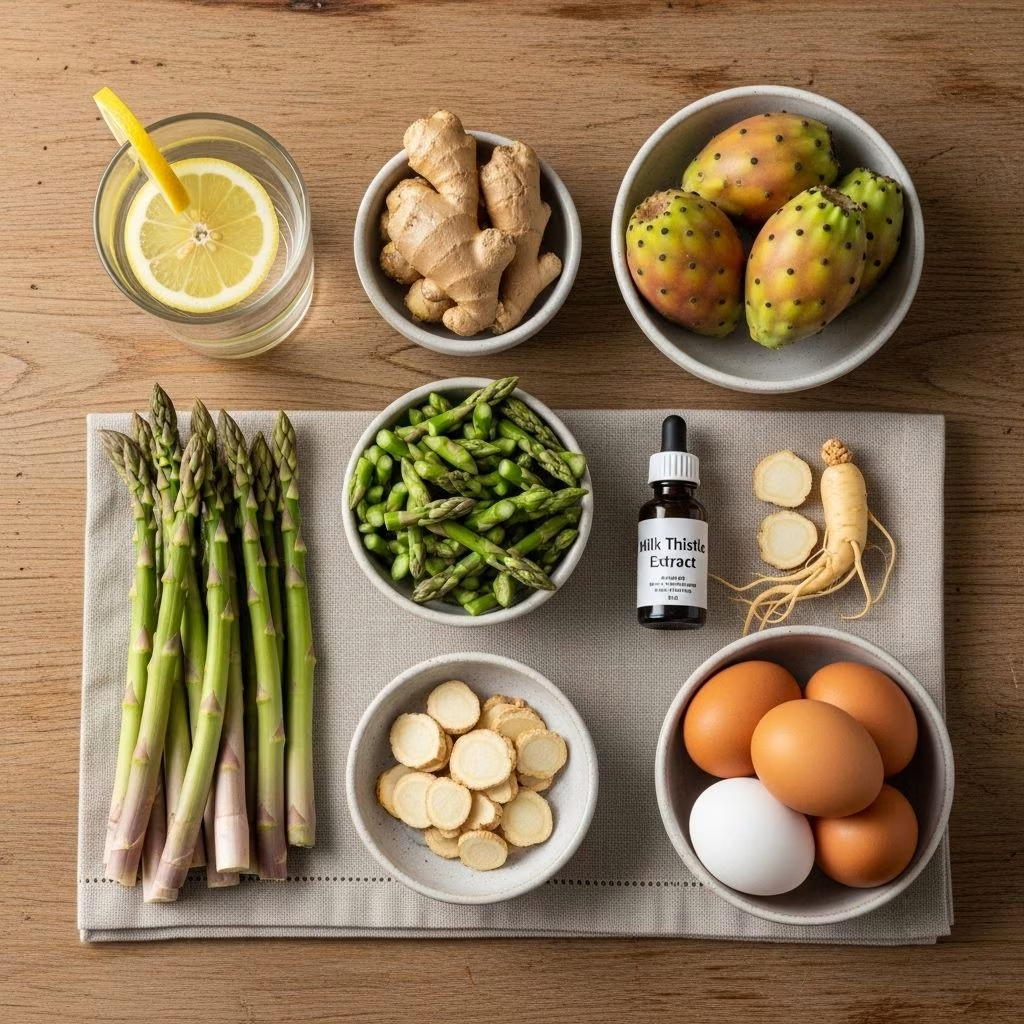
Natural Remedies for Hangover: Evidence-Based Ways to Feel Better
A hangover can leave you with a pounding headache, dehydration, an upset stomach, and fatigue. While prevention (moderation, hydration, and nutrition) is key, if you find yourself suffering after a night out, nature may offer some relief. This guide explores seven natural remedies for hangovers, explains the science behind each, and provides practical tips for a faster recovery.
Understanding Hangovers: Causes & Symptoms
Hangovers are caused primarily by alcohol’s dehydrating effects, disruption of electrolyte balance, inflammation, and the build-up of toxic byproducts (notably acetaldehyde) during alcohol metabolism. Common symptoms include:
- Headache
- Nausea and vomiting
- Fatigue and brain fog
- Muscle aches
- Dry mouth and excessive thirst
- Sensitivity to light and sound
Most hangover remedies focus on rehydration, liver support, and calming the digestive tract.
7 Natural Remedies for Hangovers
These seven science-backed and holistic remedies offer a multifaceted approach to hangover recovery, supporting hydration, detoxification, and overall wellness.
1. Bone Broth: Nutrient-Rich Hydration and Liver Support
Bone broth, often called “liquid gold,” provides easily-digestible nutrients to help restore your body after alcohol intake. Key benefits include:
- Gelatin can soothe nausea and support gut health.
- Glycine may improve sleep quality and reduce brain fog, both common hangover complaints.
- Amino acids (cysteine, glutamic acid, glycine) actively support detoxification by promoting liver function.
For quick relief, mix a scoop of high-quality bone broth protein powder into hot water for a nourishing morning beverage, or prepare a simple homemade broth using grass-fed beef bones simmered for several hours. Bone broth is also rich in minerals such as potassium, sodium, and magnesium—electrolytes that help rehydrate and balance your system after excessive alcohol consumption.
2. Turmeric: Antioxidant and Anti-Inflammatory Aid
Turmeric is well-known for its anti-inflammatory, antioxidant, and liver-supportive properties. The active compound curcumin may help reduce oxidative stress induced by alcohol, supporting overall recovery. Research in natural medicine suggests that:
- Turmeric boosts the activity of liver enzymes responsible for detoxifying alcohol byproducts.
- Its strong antioxidants combat free radicals generated during alcohol metabolism, potentially reducing headache and fatigue.
- Turmeric may soothe inflammation in the stomach and digestive tract, relieving gastrointestinal discomfort.
Consider adding turmeric to smoothies, teas, or taking a high-quality supplement after a night of drinking. Pair turmeric with black pepper for improved absorption of curcumin.
3. Keto Coffee: Energy and Focus Without the Jitters
The verdict on drinking coffee while hungover is mixed. Caffeine can alleviate headaches due to withdrawal in regular coffee drinkers, but it also acts as a diuretic, potentially exacerbating dehydration. To minimize side effects:
- Use high-quality MCT oil in your coffee for sustained energy release and mental clarity.
- If you experience caffeine withdrawal headaches, a small cup of coffee may bring relief—just avoid excess amounts that can further dehydrate.
- Keto coffee (coffee blended with MCT oil and healthy fats) is popular in wellness communities for providing stable energy and reducing hangover-related “jitters”.
If you’re not a regular coffee drinker, consider herbal teas or lightly caffeinated green tea as alternatives.
4. Coconut Water: Superior Hydration and Electrolyte Balance
When you’re hungover, your body is often dehydrated. Replenishing lost fluids and electrolytes is critical for recovery, and coconut water offers several advantages:
- Contains a high concentration of potassium (more than a banana), and sodium—essential for rehydration.
- Natural electrolytes help restore balance and alleviate symptoms like muscle cramps and fatigue.
- Coconut water’s alkaline nature can calm an acidic stomach, offering relief from nausea and heartburn.
Choose unsweetened, natural coconut water rather than sugary sports drinks, which may worsen stomach irritation.
5. Clean Protein: Boosting Detoxification and Immune Health
Alcohol suppresses your body’s ability to efficiently absorb and process protein, which is needed for immune function, tissue repair, and liver detox. Adding clean protein after drinking aids recovery by:
- Providing cysteine and glutathione, amino acids crucial for speeding up the release of toxins.
- Supporting immune system activity that may be suppressed after heavy drinking.
- Helping stabilize blood sugar, which often dips during a hangover.
Opt for organic whey protein in shakes or smoothies. If dairy isn’t well-tolerated, use plant-based protein alternatives (pea, hemp, rice protein blends).
6. Lemon Ginger Tea: Soothing Digestive Relief
Lemon ginger tea is a traditional remedy for morning-after nausea and stomach discomfort. The combined action of lemon and ginger:
- Lemon juice alkalizes the body and boosts liver detoxification enzymes.
- Ginger has proven anti-nausea and anti-inflammatory effects, calming upset stomach and helping with digestion.
- Warm liquids further aid hydration and provide comfort.
To make, steep fresh ginger slices in hot water for several minutes, add freshly squeezed lemon, and a hint of honey or turmeric for extra healing effects.
7. Sleep: Nature’s Ultimate Recovery Tool
Sleep is one of the most effective ways to recover from a hangover. Alcohol disrupts restorative sleep cycles, leaving you feeling groggy and cognitively impaired. Enhance your recovery by:
- Allowing extra time to rest after drinking; avoid strenuous activities until symptoms subside.
- Creating a sleep-friendly environment with minimal light, cool temperatures, and no distractions.
- Drinking calming teas (like chamomile or lemon ginger) to help you fall asleep.
Your body needs sleep to repair tissues, eliminate toxins, and restore mental clarity.
Additional Science-Backed Hangover Recovery Tips
- Drink plenty of fluids (water or electrolyte-rich beverages) throughout the day to prevent dehydration.
- Eat a light breakfast or snack rich in complex carbohydrates, fruits, and protein to help restore blood sugar.
- Avoid acetaminophen (Tylenol); it may be toxic to the liver when combined with residual alcohol.
- Consider B vitamins and zinc; studies have linked higher intake of these nutrients to milder hangovers.
- Exercise moderately; light exercise may increase circulation and facilitate detoxification, but avoid overexertion if you feel depleted.
- Avoid the “hair of the dog” approach; drinking more alcohol delays recovery and can perpetuate unhealthy cycles.
Comparison Table: Popular Hangover Remedies
| Remedy | Key Benefits | Risks/Warnings |
|---|---|---|
| Bone Broth | Hydration, gut soothing, liver support | May be high in sodium |
| Turmeric | Antioxidant, anti-inflammatory, liver detox | May interact with medications |
| Coconut Water | Electrolytes, hydration | Check for added sugars |
| Keto Coffee | Cognitive boost, stable energy | Can dehydrate; avoid excess |
| Lemon Ginger Tea | Digestive relief, antioxidant | None known for moderate intake |
| Clean Protein | Detox, immune support, blood sugar | Monitor dairy or soy allergies |
| Sleep | Restoration, cognitive recovery | None; poor sleep may prolong symptoms |
FAQs About Natural Hangover Remedies
Q: Is there a guaranteed cure for hangovers?
A: There’s no single cure for hangovers. Time, hydration, balanced nutrition, and rest are the most reliable ways to recover.
Q: Are natural remedies safer than pharmaceuticals?
A: Most natural remedies, such as bone broth, coconut water, and herbal teas, are safe when consumed in moderation. Always check for allergies and interactions if you use supplements or herbal remedies.
Q: Can I prevent a hangover using these remedies?
A: While no remedy can prevent a hangover completely, staying hydrated, eating a meal before drinking, and supporting your body with antioxidants and electrolytes may reduce symptom severity.
Q: Is it safe to drink coffee for a hangover?
A: Coffee may relieve withdrawal headaches for habitual coffee drinkers, but excessive caffeine can worsen dehydration and stomach irritation.
Q: Should I take painkillers for hangover headaches?
A: Avoid acetaminophen (Tylenol) as it can be harmful to the liver with alcohol. Use NSAIDs (aspirin, ibuprofen) cautiously as they may irritate the stomach.
Best Practices: Safe Drinking and Hangover Prevention
- Drink in moderation and know your limits.
- Eat a balanced meal containing carbohydrates, proteins, and healthy fats before alcohol consumption.
- Alternate alcoholic drinks with water.
- Avoid mixing caffeinated drinks with alcohol during a night out.
- Prioritize sleep and allow time for your body to detoxify naturally after drinking.
Key Takeaways
- Hangovers are best prevented through moderation, hydration, and proper nutrition.
- Science supports natural remedies including bone broth, turmeric, keto coffee, coconut water, lemon ginger tea, clean protein, and sleep for holistic hangover recovery.
- Listen to your body; if symptoms persist or worsen, consult a healthcare professional.
References
- https://naturalforce.com/blogs/nutrition/natural-remedies-for-hangover
- https://pmc.ncbi.nlm.nih.gov/articles/PMC6274469/
- https://www.health.harvard.edu/staying-healthy/7-ways-to-cure-your-hangover
- https://blog.ochsner.org/articles/tips-to-cure-the-holiday-hangover/
- https://pmc.ncbi.nlm.nih.gov/articles/PMC8284096/
- https://www.medicalnewstoday.com/articles/324178


