


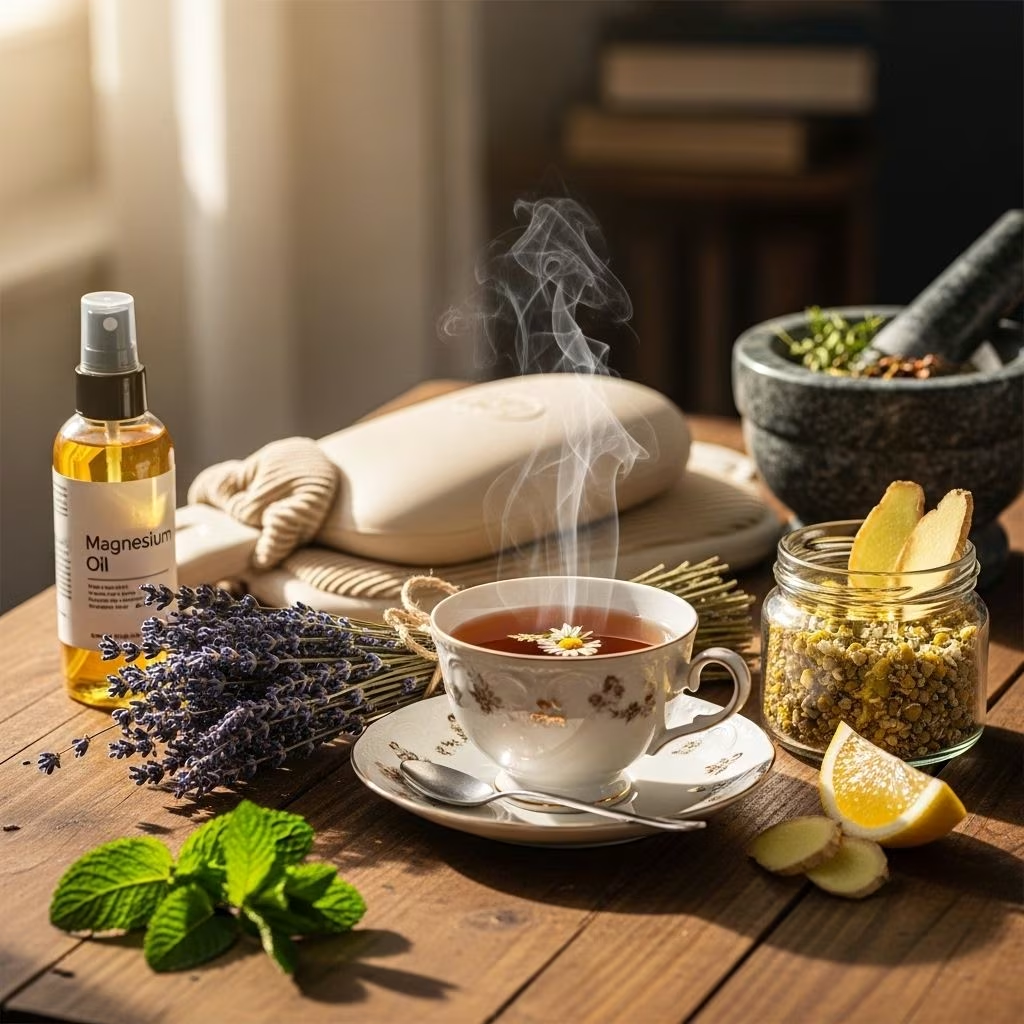
Top 7 Natural Remedies for Menstrual Cramps
Menstrual cramps, medically known as dysmenorrhea, affect around 90% of menstruators at some point in their lives. These monthly pains—in the lower abdomen, back, and sometimes radiating to the thighs—can disrupt daily life, productivity, and overall well-being. Fortunately, several natural remedies offer science-backed relief, helping you take control of your cycle and improve comfort without relying solely on medications.
Understanding Menstrual Cramps
Menstrual cramps arise as the uterus contracts to shed its lining, triggered by hormones called prostaglandins. Higher prostaglandin levels typically result in stronger, more painful contractions. While painkillers and medical intervention may be necessary for severe cases, many mild to moderate cramps respond well to natural methods.
1. Heat Therapy: Fast, Simple Comfort
Applying heat to the lower abdomen or back is one of the oldest and most effective cramp remedies. Scientific studies confirm that heat therapy (via heating pads, warm towels, or hot water bottles) can work as well as NSAIDs for treating menstrual pain, but with fewer side effects.
- Stimulates blood flow, relaxing tight muscles in the uterus.
- Reduces the perception of pain by warming tissue and soothing nerves.
- Heat packs, reusable pads, or even a warm bath can be used.
DIY Heating Pad: Fill a fabric pouch with uncooked rice, heat in the microwave for a few minutes, then wrap in a towel for gentle comfort.
2. Herbal Teas & Natural Extracts: Gentle Plant Power
Certain herbal teas and supplements have antiflammatory and antispasmodic compounds that decrease muscle spasms and reduce swelling associated with menstrual pain. Here are the most widely studied choices:
| Herb or Supplement | Recommended Dose | Evidence of Effectiveness |
|---|---|---|
| Chamomile tea | 2 cups/day, starting 1 week before period | Increases glycine, a nerve relaxant. Shown to relieve cramps in studies. |
| Fennel seed extract | 30mg, 4x/day for first 3 days | Significant pain relief in young women. |
| Cinnamon capsules | 840mg, 3x/day for first 3 days | Reduces pain, bleeding, nausea, and vomiting. |
| Ginger root/powder | 250mg, 4x/day, three days | As effective as ibuprofen for pain relief. |
| French maritime pine bark extract (Pycnogenol) | 60mg daily during cycle | Decreases pain, with benefits increasing over time. |
| Dill capsules | 1,000mg for five days, starting 2 days before cycle | As effective as OTC medications for cramps. |
- Other tea options: Raspberry leaf, thyme, peppermint, and oolong can help with cramping.
- Herbal blends: Dandelion and hibiscus teas are useful for bloating.
3. Eating Anti-Inflammatory Foods
A diet rich in anti-inflammatory foods lessens the severity of cramps by promoting blood flow, reducing muscle spasms, and easing swelling.
- Berries, tomatoes, pineapple: Packed with antioxidants and fluids.
- Leafy greens (spinach, kale): High magnesium content calms muscles and fights inflammation.
- Fatty fish (salmon, sardines): Rich in omega-3s with proven anti-inflammatory benefits.
- Almonds, walnuts, chia seeds: All contain magnesium, which may help cramping.
- Spices: Turmeric, ginger, and garlic help lower inflammation and soothe cramps.
Foods to Avoid (Reduce Bloating & Pain)
- High sugar and salt foods: Sweets, chips, and processed snacks increase bloating and inflammation.
- Red meat: Contains high levels of arachidonic acid, which increases prostaglandin production (more cramping).
- Processed foods and added oils: May raise estrogen levels and worsen cramps.
4. Staying Hydrated
Dehydration can worsen fatigue and cramps by reducing oxygen supply to muscle cells. Drinking enough water helps minimize bloating and supports healthy muscle function during your cycle.
- Aim for eight 8-ounce glasses of water per day.
- Hot water: Relaxes muscles and increases circulation—great as a morning ritual.
- Infused water: Add lemon, cucumber, berries, or mint for flavor and extra nutrients.
5. Light Exercise, Stretching, and Yoga
Gentle physical activity stimulates endorphin release, the body’s natural painkillers. Regular movement throughout the cycle can help reduce physical and psychological symptoms of menstruation.
- Walking, swimming, or cycling: Boosts blood flow and decreases bloating.
- Yoga and stretching: Specific poses (child’s pose, cat-cow, supine twist) improve comfort and ease pelvic tension.
- Light aerobics: Brain and mood benefits plus muscular relief.
6. Dietary Supplements for Period Relief
Certain vitamins and minerals can work as natural pain-relievers during menstruation. Discuss new supplements with your healthcare provider first to avoid potential medication interactions.
- Magnesium: Relaxes uterine muscles and helps regulate nerve signals (found in almonds, pumpkins seeds, spinach).
- Vitamin D: Supports calcium absorption and reduces inflammation; best taken year-round.
- Vitamin E: Shown in some studies to help with premenstrual pain and breast tenderness.
- Vitamin B6: May lessen pain and mood swings in some individuals.
- Omega-3 fatty acids: Fight inflammation throughout the body (found in flaxseed, fish oil).
7. Acupressure, Massage, and Relaxation Techniques
Acupressure involves stimulating certain pressure points on the skin. This technique can help alleviate cramping, especially around the abdomen and back, without needles. Gentle abdominal or lower back massage increases circulation and physical relaxation, further easing pain.
- Acupressure: Try light circular motions on sensitive areas for relief.
- Massage with essential oils: Lavender and peppermint oils offer extra soothing, with calming and cooling effects.
- Meditation and deep breathing: Mindfulness helps reduce the perception of pain and improves tolerance.
- Orgasm: Sexual climax releases endorphins and sends relaxing signals to the uterus, helping lessen cramps.
Over-the-Counter (OTC) Methods: A Complement to Natural Remedies
While natural remedies are effective for many, OTC nonsteroidal anti-inflammatory drugs (NSAIDs)—such as ibuprofen, naproxen, and low-dose aspirin—remain useful for severe pain. NSAIDs reduce prostaglandin production and can be used as needed.
- Follow medication instructions carefully, and consult your doctor with questions.
- Nutritional and lifestyle strategies often complement NSAID therapy.
Quick Comparison Table: Remedies, Benefits & Best Use
| Natural Remedy | Pain Relief Speed | Best For |
|---|---|---|
| Heat therapy | Fast (15-30 min) | Acute pain, muscle tightness |
| Herbal teas/extracts | Moderate (hours to days) | Mild to moderate pain, bloating |
| Anti-inflammatory foods | Slow (daily use) | Ongoing menstrual comfort |
| Hydration | Ongoing, preventative | Bloating, general discomfort |
| Exercise/yoga | Fast, plus cumulative benefits | PMS, mood swings, fatigue |
| Dietary supplements | Slow (weeks to months) | Chronic, recurrent cramps |
| Acupressure/massage | Fast (minutes) | Localized cramping, tension |
Frequently Asked Questions (FAQs)
Q: Can natural remedies replace medication for menstrual cramps?
A: For mild to moderate cramps, natural methods (heat, herbs, nutrition, exercise) often suffice. For severe, chronic pain, medical management and consultation are recommended.
Q: Which herbal tea is best for cramps?
A: Chamomile, ginger, and raspberry leaf teas have the strongest evidence for cramp relief. Experiment with blends to find what works for you.
Q: Are dietary supplements safe for everyone?
A: Most supplements (magnesium, omega-3s, vitamin D) are safe at recommended doses, but always consult your doctor if you take other medications or have health conditions.
Q: What foods should I avoid during my period?
A: Limit processed foods, added oils, sugary snacks, and red meat—these can increase bloating and prostaglandin levels, worsening cramps.
Q: How quickly do natural remedies work?
A: Heat, massage, and acupressure work within minutes. Herbs, food changes, and supplements typically require days to weeks of regular use for full effects.
Tips for Lasting Relief
- Track your symptoms and remedies using a period app or journal.
- Start healthy habits (hydration, nutrition, exercise) before your period begins for best results.
- Consider a holistic approach—combine several remedies for synergistic relief.
When to Seek Medical Advice
If menstrual cramps are severe, last several days, or interfere with daily activities despite natural and OTC treatments, consult a healthcare provider. Persistent or heavy pain could indicate underlying conditions such as endometriosis or fibroids, which require medical evaluation and therapy.
Conclusion
Menstrual cramps are common, but effective relief doesn’t always require medication. Integrating natural remedies—such as heat therapy, herbal teas, anti-inflammatory nutrition, hydration, gentle exercise, supplements, and relaxation methods—can restore comfort and empower you through your cycle. Explore these options, listen to your body, and don’t hesitate to combine strategies or consult with a professional for tailored support.
References
- https://www.healthline.com/health/womens-health/menstrual-cramp-remedies
- https://www.healthpartners.com/blog/13-ways-to-stop-period-pain/
- https://www.motrin.com/adults/period/period-pain-relief
- https://www.mayoclinic.org/diseases-conditions/menstrual-cramps/diagnosis-treatment/drc-20374944
- https://pubmed.ncbi.nlm.nih.gov/11687013/
- https://sesamecare.com/blog/period-cramp-relief-foods
- https://www.medicalnewstoday.com/articles/324484


