


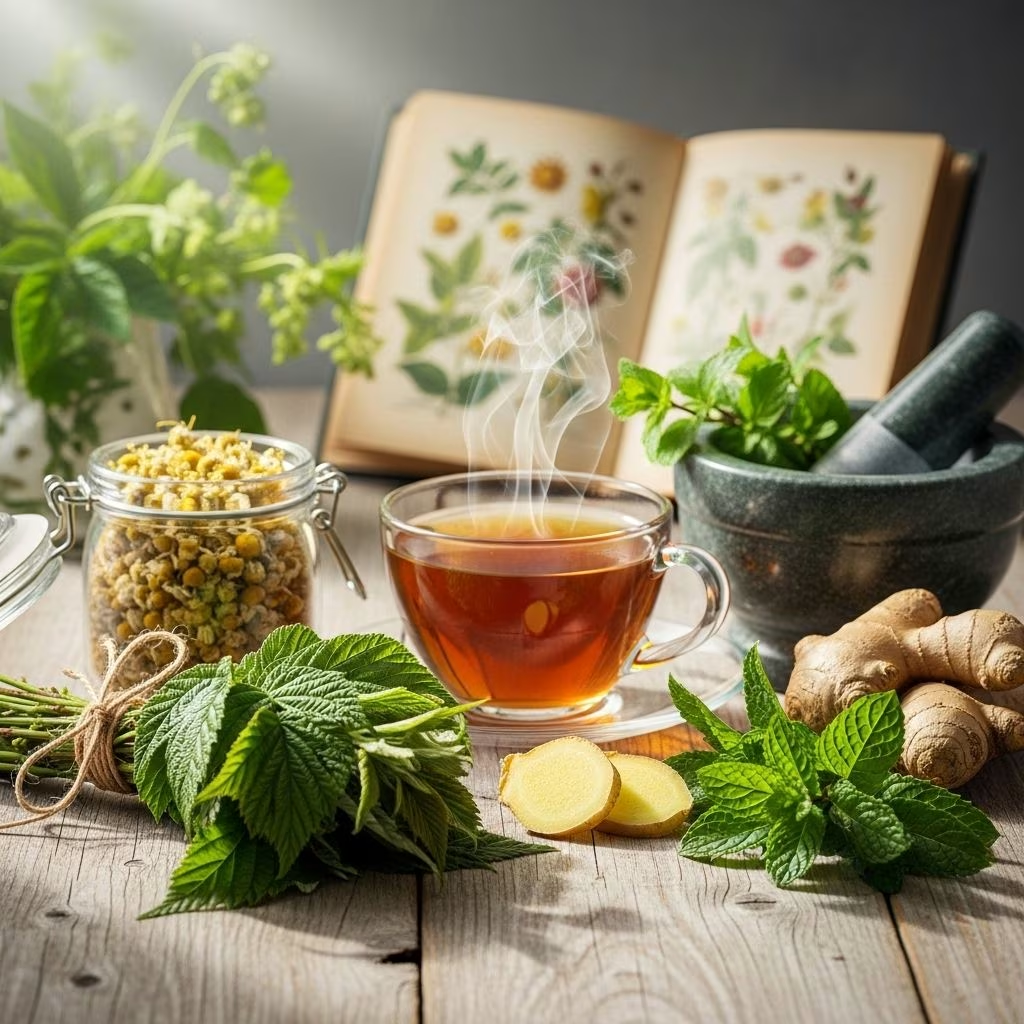
8 Natural Remedies for Menstrual Cramps: An Herbalist’s Comprehensive Guide
Menstrual cramps, known medically as dysmenorrhea, are a common part of the menstrual cycle for many women and people who menstruate. The discomfort—ranging from dull aches to sharp, debilitating pain—can disrupt daily activities and reduce quality of life. While over-the-counter medications like NSAIDs offer relief for some, many seek natural, holistic alternatives inspired by traditional and herbal medicine. This comprehensive guide, curated by an experienced herbalist, explores 8 natural remedies for menstrual cramps, blending traditional wisdom with the latest scientific research.
Contents
- Herbal Teas for Menstrual Relief
- Heat Therapy: Warmth for Soothing Cramps
- Anti-Inflammatory Diet & Nutrition
- Acupressure & Acupuncture
- Gentle Movement & Low-Impact Exercise
- Herbal Supplements & Vitamins
- Rest, Relaxation, & Self-compassion Practices
- Lifestyle Habits to Minimize Cramping
1. Herbal Teas for Menstrual Relief
Herbal teas are one of the safest and most accessible natural remedies for period pain. Various herbs have been recognized—both in tradition and in contemporary studies—for properties that relax uterine muscles, lower inflammation, or relieve general discomfort. Here’s how the top herbal teas can help:
- Ginger Tea: Contains anti-inflammatory and antioxidant compounds shown to reduce menstrual pain. One study found that ginger powder (250 mg, 4X/day) was as effective as ibuprofen for pain relief during menstruation.
- Chamomile Tea: Famous for its relaxing effects, chamomile is rich in glycine, an amino acid that helps relieve muscle spasms. Regular consumption may also improve sleep and reduce mood symptoms linked to menstruation.
- Raspberry Leaf Tea: Used for centuries in women’s health to tone the uterus and ease cramping. While human research is limited, anecdotal and traditional use is strong, and many find it supports overall menstrual well-being.
- Cinnamon Tea: Cinnamon capsules (840 mg, 3X/day) have been shown to not only relieve pain but also reduce menstrual bleeding, nausea, and vomiting.
- Fennel Seed Tea: Studies support fennel’s effectiveness at reducing cramps when taken as an extract (30 mg, 4X/day during the first 3 days of menstruation).
- French Maritime Pine Bark (Pycnogenol): Less common but supported by a 2008 study where 60 mg daily during menstruation reduced pain, with benefits continuing over time.
- Dill Tea: Taking up to 1,000 mg of dill for five days (starting two days before your period) matched the effectiveness of some over-the-counter medications according to research.
| Herb/Tea | Suggested Dose | Key Benefit |
|---|---|---|
| Ginger Tea | 250 mg powder, 4x/day (or fresh/tea) | Reduces pain, anti-inflammatory |
| Chamomile Tea | 2 cups/day for a week before period | Muscle relaxant, reduces cramping |
| Raspberry Leaf | 1–2 cups/day | Uterine tonic, traditional cramp relief |
| Cinnamon | 840 mg capsules, 3x/day, or as tea | Reduces pain, bleeding, and nausea |
| Fennel Seed | 30 mg extract, 4x/day for 3 days | Proven pain relief |
| Dill | 1,000 mg for 5 days (start 2 days pre-period) | Comparable to OTC relief |
| Pycnogenol | 60 mg daily during menstruation | Ongoing pain reduction |
Herbal teas are generally well-tolerated, but check for allergies or possible drug-herb interactions before use, especially with high doses or ongoing use.
2. Heat Therapy: Warmth for Soothing Cramps
Applying heat to the lower abdomen is a classic, doctor-recommended way to reduce menstrual pain. Heat works by relaxing uterine muscles and improving blood flow to the pelvic area.
- Heating Pads: Placing a heating pad or hot water bottle over the painful area can significantly decrease discomfort—several clinical trials show heat can be as effective as NSAID medications.
- DIY Heat Packs: You can easily make your own by placing uncooked rice in a cloth bag, sewing it shut, and microwaving for 1–2 minutes (careful not to overheat!).
- Warm Baths: Submerging in a warm bath relaxes muscles and offers whole-body relaxation.
Use heat in 15–20 minute intervals and never sleep with a heating pad on to avoid burns or skin irritation.
3. Anti-Inflammatory Diet & Nutrition
What you eat throughout your cycle can impact the intensity of cramps. An anti-inflammatory diet aims to reduce the body’s inflammatory response, which is believed to contribute to the pain of uterine contractions. Consider the following dietary strategies:
- Increase: Berries, leafy greens, oily fish (like salmon), avocados, nuts, seeds, whole grains, turmeric, and ginger. These foods can reduce overall inflammation.
- Minimize: Processed foods, sugar, refined carbohydrates, excess caffeine, red meat, and dairy—as they may exacerbate inflammation and bloating.
- Stay Hydrated: Drinking plenty of water can ease bloating and help muscles contract less painfully.
- Consider Supplementation: Omega-3 fatty acids, magnesium, vitamin B6, and calcium have all been studied for their potential to improve menstrual discomfort.
4. Acupressure & Acupuncture
Rooted in traditional Chinese medicine, acupressure and acupuncture have gained popularity as alternatives for menstrual cramp pain:
- Acupressure: Involves applying firm but gentle pressure to specific points on the body—such as the space between your thumb and index finger (“Hegu”) or just above the inner ankle (“Sanyinjiao” or SP6)—which may help relieve cramps.
- Acupuncture: Involves the insertion of fine needles at key points. Clinical studies point to possible significant relief of menstrual pain through acupuncture, which may work by releasing endorphins and modulating nerve signals.
- TENS (Transcutaneous Electrical Nerve Stimulation): This small, adhesive device delivers mild electrical currents to interrupt pain signals and may stimulate endorphin release.
If considering acupuncture or acupressure for the first time, consult qualified practitioners to ensure proper technique and safety.
5. Gentle Movement & Low-Impact Exercise
While vigorous activity might be the last thing on your mind, gentle movement can help alleviate period pain:
- Yoga & Stretching: Poses and gentle stretches, especially those targeting the hips, back, and abdomen can relax the pelvic area, boost endorphins, and reduce stress.
- Pilates, Walking, and Swimming: Low-impact activities promote circulation and can reduce the stagnation that worsens cramping.
- Rest As Needed: Balancing gentle movement with intentional rest can help you honor your body’s needs.
6. Herbal Supplements & Vitamins
Various herbal supplements and vitamins are gaining scientific recognition for their potential for relieving menstrual cramps:
- Vitamin B6: Research supports the use of vitamin B6 for reducing pain in primary dysmenorrhea, sometimes exceeding the effectiveness of magnesium combinations.
- Magnesium: May help relax muscles and enhance mood around menstruation; best used with B6.
- Pycnogenol (French Maritime Pine Bark): Effective for moderate pain, especially when used regularly.
- Fennel, Ginger, Cinnamon, Dill: As discussed above, each has research-supported applications as capsules, extracts, or teas.
Always check for potential interactions between supplements and any medications you are taking.
7. Rest, Relaxation, & Self-Compassion Practices
Rest and intentional relaxation are essential for holistic menstrual health. Listen to your body’s cues—slowing down and allowing time for rest during your cycle can ease not just pain, but fatigue and irritability as well.
- Meditation & Breathwork: Incorporating deep breathing, mindfulness, or guided meditations helps reduce pain perception and anxiety.
- Warm Baths & Self-massage: Calm the nervous system and ease physical tension.
- Ask for Support: Don’t hesitate to request support from loved ones during your period, whether for practical help or simply extra empathy.
Practicing self-compassion—allowing yourself grace and rest when needed—is a vital but often overlooked part of menstrual wellness.
8. Lifestyle Habits to Minimize Cramping
The following lifestyle adjustments can help prevent or reduce the severity of period cramps:
- Track Your Cycle: Monitoring symptoms and timing helps anticipate and prepare for discomfort.
- Manage Stress: Chronic stress can intensify symptoms, so prioritize sleep, set healthy boundaries, and incorporate stress-reducing practices.
- Limit Smoking & Alcohol: Both are associated with more intense menstrual symptoms and are best minimized or avoided.
- Maintain Regular Sleep Patterns: Quality rest can reduce sensitivity to pain.
Frequently Asked Questions (FAQs)
Q: Are herbal remedies safe for everyone?
A: While most herbal teas and supplements are safe for the majority of people, consult a healthcare provider before use if you are pregnant, breastfeeding, have underlying health conditions, or take regular medications. Some herbs might interact with medications or exacerbate certain health conditions.
Q: How quickly do natural remedies work for menstrual cramps?
A: The onset of relief varies. Some, like heat therapy or gentle stretching, provide nearly immediate results. Herbal remedies may take several days or cycles of regular use to have their full effect.
Q: Can you combine herbal teas with medication?
A: Many herbal teas can be combined with NSAIDs or other pain relief medications, but always consult your doctor first to avoid potential interactions, especially when using concentrated herbal extracts.
Q: What if natural remedies don’t work for me?
A: If you continue to suffer severe cramps despite trying multiple remedies, consult a healthcare professional to rule out underlying conditions like endometriosis or fibroids that may require different management.
Q: How often can I use heat therapy?
A: Safe as often as desired, provided you protect your skin from burns and avoid using heat packs while sleeping. If you develop skin irritation or discomfort, discontinue use and consult your doctor.
Final Thoughts
Managing menstrual cramps naturally is a journey that may require experimentation and patience. These 8 remedies—from herbal teas and supplements to lifestyle changes—can all play a role in a broader toolkit for holistic period pain relief. Consult a healthcare provider before starting any new supplement, and above all, listen to your body’s wisdom. Relief may be closer than you think, one cup of tea and restful moment at a time.
References
- https://www.healthline.com/health/womens-health/menstrual-cramp-remedies
- https://www.goodrx.com/conditions/menstrual-pain/best-teas-for-period-cramps
- https://www.mayoclinic.org/diseases-conditions/menstrual-cramps/diagnosis-treatment/drc-20374944
- https://pubmed.ncbi.nlm.nih.gov/11687013/
- https://www.terzaluna.com/en/blog/menstrual-pain-the-best-natural-remedies


