


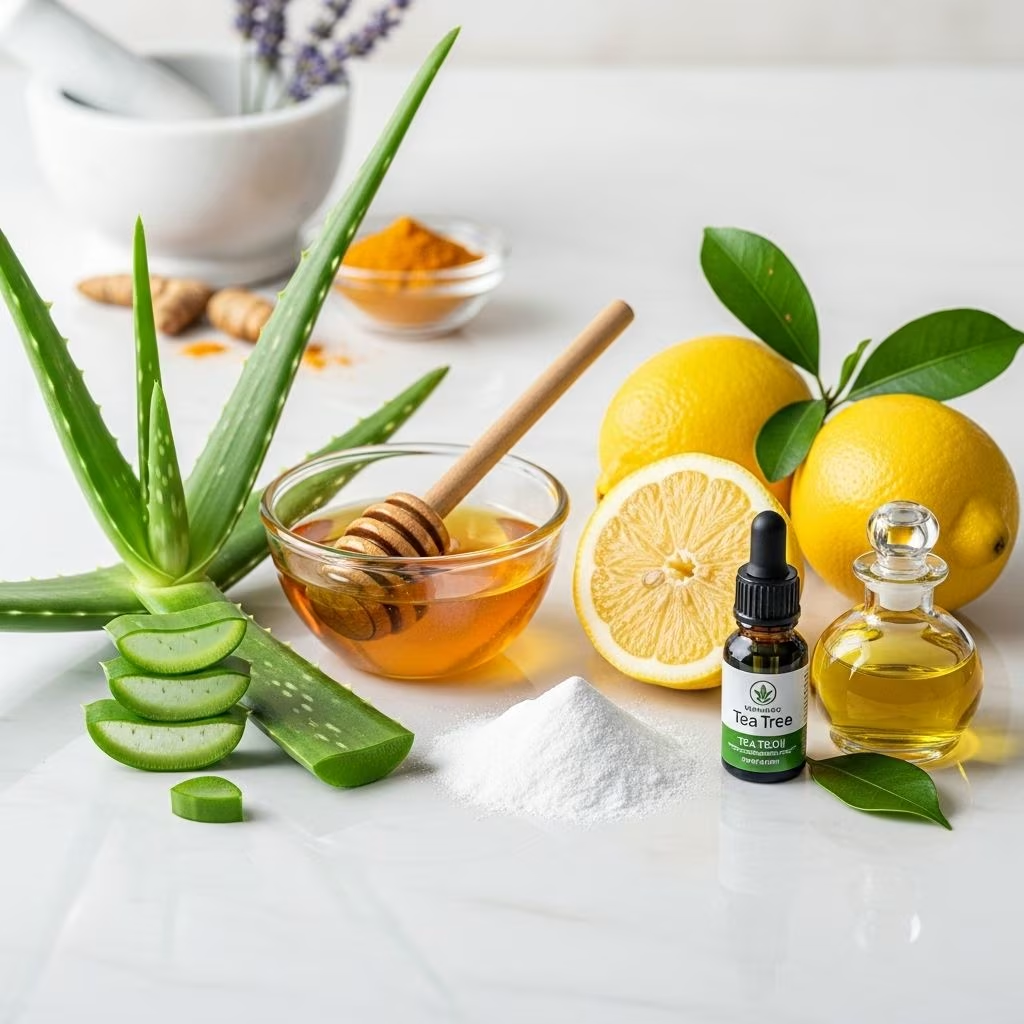
Scars are a natural part of the body’s healing process, serving as visible reminders of past injuries, surgeries, or skin conditions. While scars tell our personal stories, many people seek ways to minimize their appearance and regain smooth, even-toned skin. The good news is that numerous natural remedies can help fade scars without expensive medical procedures or harsh chemicals. These time-tested treatments harness the healing properties of plants, oils, and other natural substances to support your skin’s regeneration process.
Understanding how scars form is essential to treating them effectively. When skin experiences trauma, the body produces collagen fibers to repair the damage. This rapid healing process often results in tissue that differs in texture and color from surrounding skin. The appearance of scars varies based on factors like skin type, genetics, wound depth, and healing conditions. Natural remedies work by moisturizing the skin, promoting collagen production, reducing inflammation, and encouraging healthy cell turnover.
This comprehensive guide explores eight powerful natural remedies that can help reduce the appearance of scars from the comfort of your home. These treatments are accessible, affordable, and backed by both traditional wisdom and modern research. Whether you’re dealing with surgical scars, acne marks, or injury-related scarring, these natural solutions offer hope for improved skin appearance and renewed confidence.
Understanding Scar Formation and Natural Healing
Before diving into specific remedies, it’s important to understand the science behind scar formation. When skin is injured, the body initiates a complex healing process involving inflammation, tissue formation, and remodeling. During this process, fibroblasts produce collagen to close the wound. However, this new tissue often has a different structure than the original skin, resulting in visible scarring.
Natural remedies support the healing process by providing essential nutrients, maintaining moisture balance, and reducing inflammation. While they may not completely eliminate established scars, these treatments can significantly improve texture, color, and overall appearance. The key to success lies in consistent application and patience, as natural healing takes time. Fresh scars typically respond better to treatment than older ones, though improvement is possible at any stage.
1. Aloe Vera: Nature’s Healing Wonder
Aloe vera stands as one of the most celebrated natural remedies for skin healing and scar reduction. This succulent plant contains over 75 active compounds, including vitamins, minerals, enzymes, and amino acids that work synergistically to promote skin repair. The clear gel found inside aloe vera leaves possesses powerful anti-inflammatory and moisturizing properties that can accelerate wound healing and potentially improve scar appearance.
Research has shown promising results for aloe vera in scar treatment. A comprehensive review of 23 clinical trials concluded that aloe vera may improve wound healing and help with scars when used alongside other therapeutic methods. The plant’s polysaccharides stimulate collagen synthesis and increase the elasticity of newly formed tissue, while its antioxidants protect skin cells from damage during the healing process.
How to Apply Aloe Vera for Scar Reduction:
The most effective way to use aloe vera is fresh from the plant. Begin by selecting a mature aloe vera leaf, preferably from a healthy plant. Using a sharp knife, remove the dark green outer skin from the flatter side of the leaf, exposing the translucent gel inside. Carefully scoop out this clear, gel-like substance with a spoon.
Apply the fresh aloe vera gel directly to your scar using gentle, circular motions. This massage technique helps the gel penetrate deeper into the skin layers while also stimulating blood circulation to the area. Allow the gel to remain on your skin for approximately 30 minutes, giving it time to absorb and work its healing magic. Rinse the area with cool water and pat dry.
For optimal results, repeat this application twice daily—once in the morning and once in the evening. Consistency is crucial when using natural remedies, as the cumulative effect of regular treatment produces the best outcomes. If fresh aloe vera isn’t available, look for pure aloe vera gel products with minimal additives, though fresh plant gel typically offers superior benefits.
2. Vitamin E: The Controversial Scar Treatment
Vitamin E has long been recommended for scar treatment, making it one of the most widely used natural remedies. This fat-soluble antioxidant plays a crucial role in protecting skin cells from oxidative damage and supporting the healing process. When applied topically as an oil, vitamin E is believed to stimulate collagen production, speed cell turnover, and help repair damaged skin tissue.
However, the scientific evidence supporting vitamin E for scar treatment remains inconclusive. A comprehensive review of studies found insufficient evidence that topical vitamin E provides significant beneficial effects on scars to justify its widespread use. Researchers noted the need for more high-quality studies to definitively establish its effectiveness. Additionally, some individuals may experience contact dermatitis or skin irritation from topical vitamin E application.
Proper Application of Vitamin E:
If you choose to try vitamin E for scar treatment, use it correctly to minimize potential adverse effects. Pierce a vitamin E capsule with a sterile needle and squeeze the oil onto your fingertip. Gently massage the oil into your scar for several minutes, using circular motions to help absorption. The massage itself can improve blood flow to the area, which may contribute to healing.
Leave the vitamin E oil on your skin and repeat this process multiple times throughout the day for best results. However, timing matters significantly with vitamin E treatment. Never apply vitamin E to open wounds or fresh surgical incisions, as its blood-thinning properties may increase bleeding risks and potentially worsen scarring. Wait until wounds have completely healed and closed before beginning vitamin E treatment.
Monitor your skin’s response carefully. If you notice increased redness, itching, or irritation, discontinue use immediately, as these signs indicate sensitivity to the treatment. Consider patch testing on a small area before applying vitamin E to larger scars.
3. Honey: Ancient Medicine for Modern Scars
Honey has been used as a wound treatment for thousands of years across diverse cultures worldwide. This natural substance possesses remarkable antibacterial and anti-inflammatory properties that can support the healing process. Raw, unfiltered honey contains flavonoids and polyphenol compounds that may reduce redness and promote tissue repair. Manuka honey, in particular, has gained attention for its potent antimicrobial effects.
While honey excels at preventing infection and keeping wounds moist during active healing—which can minimize scar formation—its effectiveness on existing scars is less clear. Research examining manuka honey’s impact on established scars found that while honey demonstrated anti-inflammatory and antibacterial properties, it didn’t significantly improve scar appearance when applied topically to healed tissue.
Using Honey for Scar Treatment:
For those interested in trying honey as a scar remedy, proper application is essential. Use only raw, unfiltered honey, as processed honey lacks the beneficial compounds necessary for therapeutic effects. Spread a thin layer of honey directly onto your scar, ensuring complete coverage. Cover the honey-treated area with a bandage or adhesive strip to keep the honey in place and protect your clothing and bedding.
Leave the honey treatment on overnight, allowing extended contact time for maximum benefit. In the morning, gently wash the honey off with lukewarm water and pat the area dry. Repeat this nightly routine consistently, as natural remedies require time and regular application to show results. Some people find honey particularly soothing for scars that feel tight or uncomfortable.
4. Coconut Oil: Tropical Healing Power
Coconut oil has emerged as a popular natural remedy for various skin concerns, including scar treatment. This tropical oil contains medium-chain fatty acids, primarily lauric acid, which provide antibacterial and anti-fungal properties. These compounds encourage cell production and repair while serving as an effective moisturizer that keeps skin supple and hydrated.
Scientific research suggests that coconut oil promotes wound healing through multiple mechanisms. Studies have demonstrated that coconut oil encourages collagen synthesis, reduces inflammation, repairs the skin barrier, and provides antioxidant effects. However, clear evidence specifically supporting coconut oil’s ability to treat established scars remains limited. Its benefits appear more pronounced during active wound healing rather than scar remodeling.
Coconut Oil Application Method:
To use coconut oil for scar treatment, begin by gently heating a small amount until it melts into a liquid state. Coconut oil solidifies at room temperature, so warming it makes application easier and may enhance absorption. Test the temperature on your wrist before applying to ensure it’s comfortably warm, not hot.
Massage the melted coconut oil into your scar using circular motions for approximately 10 minutes. This extended massage period serves dual purposes: it helps the oil penetrate deeper into skin layers while also improving circulation to the scarred area. The mechanical action of massage itself may help break down scar tissue and improve texture over time.
After massaging, you can either leave the coconut oil on your skin to continue moisturizing or rinse it off if you prefer. Many people choose to apply coconut oil before bedtime, allowing it to work overnight. Repeat this treatment daily for consistent results. Coconut oil is generally well-tolerated, but those with coconut allergies should avoid this remedy.
5. Apple Cider Vinegar: Acidic Exfoliation
Apple cider vinegar has gained popularity as a natural remedy for numerous health and beauty concerns, including scar reduction. This fermented liquid contains acetic acid, which provides mild exfoliating properties that can help remove dead skin cells from the scar surface. Proponents believe that apple cider vinegar can gradually lighten scar appearance and improve overall skin tone through its acidic nature.
The exfoliating action of apple cider vinegar may promote cell turnover, potentially revealing fresher, more even-toned skin beneath. However, the acidic nature that provides these benefits also carries risks. Undiluted apple cider vinegar can cause significant skin irritation, burns, or damage, particularly on sensitive or compromised skin. Proper dilution and careful application are absolutely essential when using this remedy.
Safe Application of Apple Cider Vinegar:
Never apply apple cider vinegar directly to skin without dilution. Create a safe solution by combining one tablespoon of apple cider vinegar with several tablespoons of distilled water. This dilution reduces the acid concentration to a safer level while maintaining potential benefits. For particularly sensitive skin, use even more water to further dilute the solution.
Soak a cotton ball thoroughly in the diluted solution and place it directly on top of your scar. Secure the cotton ball in place using a bandage or medical tape to prevent movement. Leave this application on for only a few minutes initially, watching carefully for any adverse reactions. If irritation occurs, remove immediately and rinse thoroughly.
After removing the cotton ball, wash the area with clean water to remove all traces of the acidic solution. This step is crucial to prevent prolonged acid exposure. Follow with a gentle moisturizer to replenish your skin and restore its natural barrier. The acidity of apple cider vinegar can be drying, so moisturizing afterward helps maintain skin health. Start with brief application times and gradually increase duration only if your skin tolerates the treatment well.
6. Lavender Essential Oil: Aromatic Healing
Lavender essential oil brings both aromatic pleasure and potential healing benefits to scar treatment. This fragrant oil has been used for centuries in traditional medicine for its anti-inflammatory, antimicrobial, and wound-healing properties. The active compounds in lavender oil may help reduce inflammation, promote tissue regeneration, and improve the overall appearance of scarred skin.
Essential oils are highly concentrated plant extracts that require dilution before skin application to prevent irritation or allergic reactions. When properly diluted and used consistently, lavender essential oil offers a gentle approach to scar treatment that many people find pleasant and relaxing. The aromatherapeutic benefits of lavender—including stress reduction and relaxation—provide an added bonus during your scar treatment routine.
Preparing and Using Lavender Oil Treatment:
Essential oils should never be applied directly to skin in their undiluted form. Create a safe and effective treatment by combining three drops of pure lavender essential oil with approximately three tablespoons of a carrier oil. Extra-virgin olive oil works excellently as a carrier, providing its own moisturizing benefits while safely diluting the potent essential oil.
Mix the oils thoroughly, then apply the blended mixture to your scar. Using gentle, circular motions, massage the oil blend into the scarred area for about five minutes. This massage technique helps the oils penetrate while stimulating circulation. Leave the oil mixture on your skin for 30 minutes, allowing the beneficial compounds time to work.
After 30 minutes, rinse the area with lukewarm water and gently pat dry. Apply this treatment once or twice daily for best results. Always use high-quality, pure essential oils from reputable sources, as synthetic fragrances or adulterated oils won’t provide the same therapeutic benefits and may cause skin reactions.
7. Lemon and Lime Juice: Natural Lightening Agents
Citrus fruits like lemons and limes contain natural acids that act as exfoliants and potential skin-lightening agents. The acidic qualities of lemon and lime juice can help remove dead skin cells along the scar surface, gradually revealing fresher skin underneath. Some people report that regular application of citrus juice helps lighten hyperpigmented scars and improve overall skin tone.
However, citrus juices require extremely careful use due to their high acidity and potential for phototoxicity. These juices can make skin more sensitive to sunlight, potentially causing burns, blistering, or increased pigmentation if exposed to UV rays after application. Never use citrus juice on skin that will be exposed to sunlight, and always apply sunscreen diligently when using this remedy.
Cautious Application of Citrus Juice:
Squeeze fresh lemon or lime juice and soak a clean cloth or cotton pad with the juice. Gently place the saturated cloth on your scar, avoiding surrounding healthy skin as much as possible. Leave the juice on for only a few minutes—start with one to two minutes for your first application to test your skin’s tolerance.
Wash the area thoroughly with cool water to remove all traces of citrus juice. Never leave lemon or lime juice on skin for extended periods, as this increases the risk of irritation or chemical burns. Apply a gentle, hydrating moisturizer after rinsing to help restore your skin’s pH balance and moisture barrier.
Most importantly, avoid sun exposure for at least 24 hours after applying citrus juice to your skin. The photosensitizing compounds in citrus can cause severe reactions when exposed to UV light. If you must go outdoors, cover the treated area completely and apply broad-spectrum sunscreen with high SPF to all exposed skin. Consider using this treatment only in the evening or during winter months when sun exposure is minimal.
8. Hydration: The Foundation of Healthy Skin
While not a topical treatment, proper hydration deserves recognition as an essential component of any natural scar reduction strategy. Drinking adequate water supports overall skin health, promotes healing, and enhances the effectiveness of topical treatments. Well-hydrated skin maintains better elasticity, heals more efficiently, and shows improved appearance compared to dehydrated skin.
Water serves numerous vital functions in skin health and healing. It helps flush toxins from the body, delivers nutrients to skin cells, maintains skin moisture from within, and supports the production of collagen and elastin. When your body is properly hydrated, your skin can focus energy on repair and regeneration rather than simply surviving in a dehydrated state.
Optimizing Hydration for Scar Healing:
Aim to drink at least eight glasses of water daily, though individual needs vary based on body size, activity level, climate, and overall health. Many experts recommend drinking half your body weight in ounces—for example, a 150-pound person would target 75 ounces of water daily. Spread water intake throughout the day rather than consuming large amounts at once, as this allows for better absorption and utilization.
Enhance your hydration strategy by eating water-rich foods like cucumbers, watermelon, oranges, and leafy greens. These foods provide hydration along with vitamins and minerals that support skin health. Limit dehydrating beverages like alcohol and excessive caffeine, which can counteract your hydration efforts and potentially impair healing.
Monitor your hydration status by observing your urine color—pale yellow indicates good hydration, while dark yellow suggests you need more water. Well-hydrated skin appears plumper, more supple, and healthier, creating an optimal environment for scar healing and improvement. Remember that internal hydration works synergistically with topical treatments to produce the best possible results.
Additional Natural Remedies Worth Considering
Beyond the eight primary remedies detailed above, several other natural treatments show promise for scar reduction. Cocoa butter and shea butter are rich in vitamin E and essential fatty acids that may support skin healing and improve scar texture. These thick, creamy substances provide intense moisture and create a protective barrier over scars.
Rosehip oil has gained attention for its high content of vitamins A and C, along with essential fatty acids. Some studies suggest that rosehip oil may promote skin regeneration and improve the appearance of scars, though more research is needed. Onion extract, found in some over-the-counter scar treatments, has shown potential in reducing scar thickness and improving texture in certain studies.
Tea tree oil possesses powerful antimicrobial properties that may help during wound healing, though its effectiveness on established scars remains unclear. Like other essential oils, tea tree oil requires dilution before application to prevent skin irritation. Some people also report benefits from castor oil, which contains ricinoleic acid with anti-inflammatory properties.
Important Considerations and Limitations
While natural remedies offer accessible and generally safe options for scar treatment, it’s important to maintain realistic expectations. These treatments typically work best on fresh scars and may show limited effects on old, established scars. Complete scar removal through natural methods alone is unlikely, though significant improvement in appearance is often achievable with consistent application.
Individual responses to natural remedies vary considerably based on factors like skin type, scar characteristics, genetics, and overall health. What works well for one person may prove ineffective or even irritating for another. Always perform a patch test before applying any new substance to large areas of skin, and discontinue use if you experience adverse reactions.
Natural remedies should never replace proper wound care during active healing. Clean wounds appropriately, follow medical advice for surgical incisions, and seek professional care for signs of infection. Natural treatments work best as complementary approaches used after wounds have completely closed and begun the remodeling phase of healing.
Certain scars may require professional medical treatment for optimal results. Keloid scars, hypertrophic scars, or deeply indented scars often benefit more from medical interventions like laser therapy, steroid injections, or surgical revision. Consult with a dermatologist or plastic surgeon if your scars cause significant concern, fail to improve with natural treatments, or show signs of abnormal growth or infection.
Frequently Asked Questions
Q: How long does it take to see results from natural scar remedies?
A: Natural scar treatments typically require consistent application for several weeks to months before visible improvement becomes apparent. Fresh scars generally respond faster than older scars, with some people noticing changes within 4-8 weeks of daily treatment. Older, established scars may take 3-6 months or longer to show improvement. Patience and consistency are crucial for success with natural remedies.
Q: Can natural remedies completely remove scars?
A: Complete scar removal through natural remedies alone is unlikely, as scars represent permanent changes to skin structure. However, these treatments can significantly improve scar appearance by reducing redness, softening texture, fading discoloration, and making scars less noticeable. The goal is scar improvement rather than complete elimination, though some minor scars may fade to near-invisibility with consistent treatment.
Q: Are natural scar remedies safe for all skin types?
A: While generally safe, natural remedies can cause reactions in some individuals. Sensitive skin types should exercise particular caution with acidic treatments like lemon juice or apple cider vinegar. Always perform a patch test on a small area of skin before applying any new treatment to larger areas. Discontinue use immediately if you experience increased redness, itching, burning, or other signs of irritation.
Q: When should I start using natural remedies on new scars?
A: Wait until wounds have completely closed and healed before applying most natural remedies. Open wounds require proper medical care and should not be treated with home remedies unless specifically directed by a healthcare provider. Once wounds have closed and any scabs have fallen off naturally, you can begin gentle natural treatments. Some remedies like vitamin E should wait even longer until healing is well-established.
Q: Can I combine multiple natural remedies for better results?
A: Yes, many people combine natural remedies, though it’s wise to introduce treatments one at a time to identify any that cause irritation. Avoid combining acidic treatments simultaneously, as this increases irritation risk. A common approach involves using moisturizing treatments like aloe vera or coconut oil daily while occasionally incorporating exfoliating treatments. Always monitor your skin’s response when combining remedies.
Q: Do natural remedies work on keloid scars?
A: Keloid scars, which grow beyond the original wound boundaries, are particularly challenging to treat and typically require professional medical intervention for significant improvement. Natural remedies may provide modest benefits in terms of moisturization and comfort but are unlikely to substantially reduce keloid size or appearance. Consult a dermatologist for keloid treatment options including steroid injections, laser therapy, or surgical removal.
References
- https://www.healthline.com/health/how-to-get-rid-of-old-scars
- https://www.sprsi.com/blog/8-natural-remedies-scar-removal/
- https://cosmeticdermatologystlouis.com/are-diy-scar-treatments-effective-a-dermatologist-weighs-in/
- https://www.genesisokc.com/blog/natural-scar-treatment-and-removal-for-after-surgery/
- https://pmc.ncbi.nlm.nih.gov/articles/PMC8784744/
- https://pmc.ncbi.nlm.nih.gov/articles/PMC4964041/
- https://www.medicalnewstoday.com/articles/319654
- https://www.mederma.com/article/10-natural-scar-remedies-home-treatments-for-scars/
- https://prodiadigital.com/en/articles/effective-ways-to-remove-scars


