


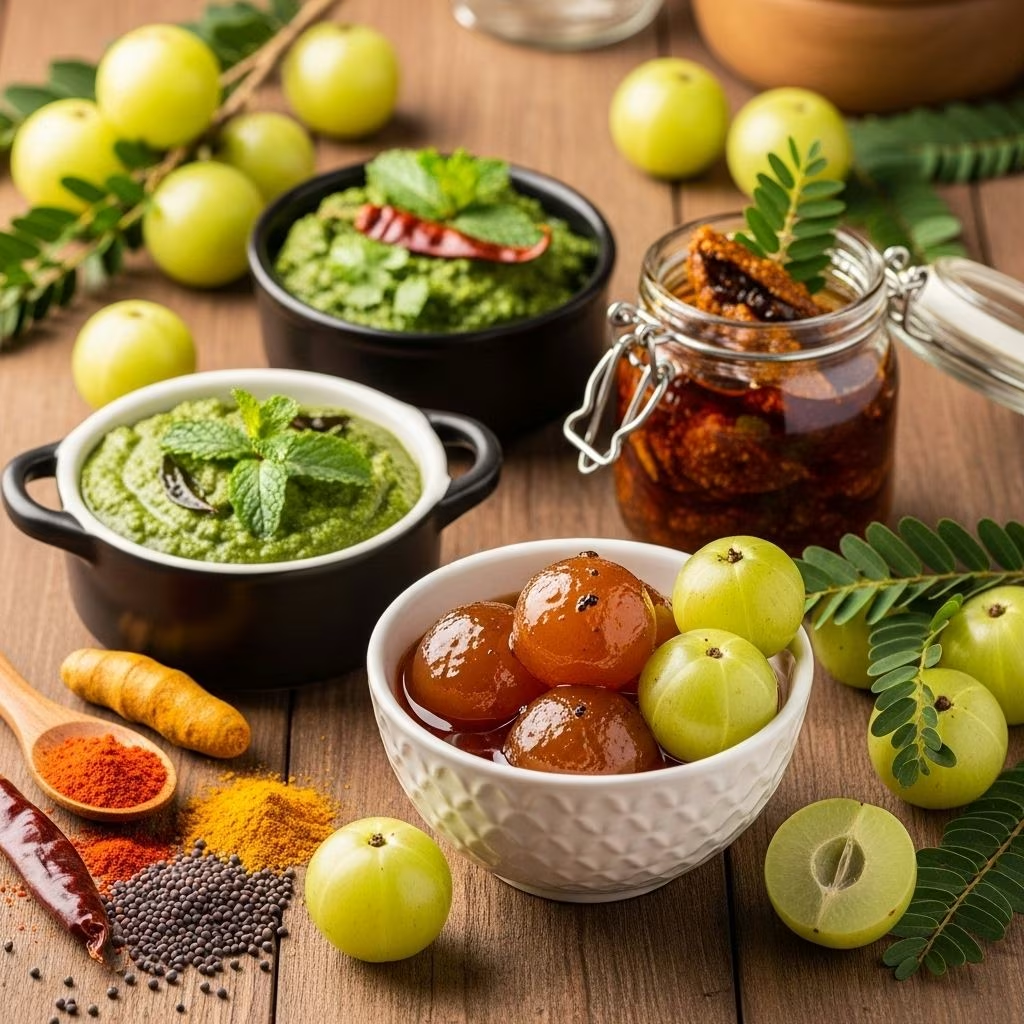
Indian gooseberry, also known as amla, is a nutritional powerhouse in Indian cuisine celebrated for its tangy-sour flavor and astonishing health benefits. This remarkable fruit sparkles with vitamin C, polyphenols, and antioxidants, making it a must-have for anyone seeking vitality in their meals. Yet, cooking amla can be challenging due to its natural astringency. This comprehensive guide delivers tried-and-tested amla recipes and expert advice on making amla utterly delicious while retaining its signature nutrients and flavor.
About Indian Gooseberry (Amla)
Indian gooseberry, or Emblica officinalis, is a small green fruit revered across India for its medicinal and culinary properties. It is an integral ingredient in Ayurvedic remedies, homemade pickles, preserves, and daily wellness rituals.
- Taste: Tart, astringent, slightly bitter but bright and fresh.
- Appearance: Small, round, light-green and often slightly ribbed.
- Culinary uses: Chutneys, condiments, beverages, pickles, desserts, side dishes and health shots.
- Popular names: Amla (Hindi), Nellikkai (Tamil/Malayalam), Usirikaya (Telugu), Awla (Marathi), Amalaki (Sanskrit).
How to Prepare and Cook Amla Perfectly
Proper preparation elevates the taste of amla while maximizing its nutrition. Here is a stepwise approach to prepping amla for various recipes:
- Wash amla thoroughly under running water to remove dirt and residues.
- For most recipes, steam or boil the amla for 10-20 minutes. This softens the fruit, mellows bitterness, and makes it easy to deseed or chop.
Tip: Steaming retains more vitamin C than boiling for long periods. - To deseed, cool cooked amla and gently separate the segments (similar to an orange) or slice off the flesh from the central stone.
- Chop, grate, or blend as required by your chosen recipe.
- Always balance amla’s tartness with sweetness (jaggery, honey), salt, or spices for best taste.
Recipe: Amla Chunda (Sweet-Spicy Gooseberry Preserve)
Amla chunda is a tantalizing Gujarati-style preserve featuring grated gooseberry, jaggery, and fragrant spices. It pairs beautifully with Indian breads and rice dishes, and serves as a healthy condiment rich in antioxidants.
Ingredients
- 10 fresh amla (Indian gooseberries)
- 1 cup grated jaggery (or brown sugar/natural raw sugar)
- 1 tablespoon fresh ginger, finely chopped
- 1 teaspoon Kashmiri red chilli powder
- 1/2 teaspoon black pepper powder
- 1/2 teaspoon roasted cumin seed powder
- 1/2 teaspoon black salt
- 1/4 teaspoon asafoetida (hing)
- 1/4 teaspoon turmeric powder
- Juice of 1/2 lemon
Method
- Steam cleaned gooseberries for 15–20 minutes, then allow to cool.
- Remove seeds and process or grate amla coarsely.
- In a heavy pan, combine grated amla and jaggery. Heat on medium, stirring until jaggery melts completely.
- Add all spices, black salt, asafoetida, and ginger. Keep cooking until the mixture is glossy and water has mostly evaporated, but a little moisture remains.
- Turn off the flame, stir in fresh lemon juice, and let cool.
- Transfer to a clean airtight jar. This preserve will keep for up to 20 days at room temperature.
Serving suggestions: Enjoy with parathas, roti, rice dishes, or even as a tangy topping for toast and papad.
Note: Low flame is essential to avoid burning and preserve flavor. For a vegan or less-sweet version, substitute jaggery with coconut sugar or date syrup, adjusting to taste.
Recipe: Refreshing Amla Juice
This amla juice is not only revitalizing, but a daily elixir shoring up your immunity.
Ingredients
- 5–6 fresh amla, deseeded and chopped
- 1½ cups water, coconut water, or juice
- ¼ teaspoon black pepper (freshly crushed)
- 1 tablespoon honey or jaggery (optional)
- ¼–½ inch ginger root (optional, peeled)
- 1 pinch pink salt (optional)
- 15–20 mint leaves (optional, for digestion)
- 12–15 tulsi (holy basil) leaves (optional, for cold symptoms)
- ¼ teaspoon chaat masala (to serve; optional)
Instructions
- Wash, chop and deseed amla. Combine chopped amla with water (or coconut water), ginger, mint, and tulsi in a blender.
- Blend to a smooth paste. Strain through a fine sieve or muslin, pressing to extract maximum juice.
- Add honey (or jaggery), black pepper, and pink salt. Mix well. Serve chilled, dusted with chaat masala if desired.
Shot variation: Grind only amla (and ginger) – no additional liquid – for concentrated health shots.
Tip: For best results, use freshly prepared juice and drink immediately to get the most vitamin C.
Recipe: Amla Kadi (Gooseberries in Yogurt Sauce)
Amla kadi is a delightful and nourishing North Indian dish blending the tartness of gooseberry with tempered spices and creamy yogurt, making it both gut-friendly and delicious.
Ingredients
- 2 cups plain yogurt (dahi)
- 6–7 amla (fresh, brined or frozen)
- 2 tablespoons chickpea flour (besan)
- ½ teaspoon turmeric powder
- 2 green chilies, chopped or slit
- 1 inch ginger, peeled and grated
- Salt, to taste
- Pinch sugar (optional)
- For tempering (tadka): 2 teaspoons coconut oil, 1 teaspoon mustard seeds, 1 teaspoon cumin, ½ teaspoon asafoetida, 4–5 fenugreek seeds, 2 green chilies, fresh curry leaves
Instructions
- Deseed and puree cooked amla. If using fresh, boil until soft, then puree.
- In a bowl, whisk yogurt until smooth. Add besan, turmeric, pureed gooseberries, green chilies and ginger. Whisk to lump-free mixture.
- Heat coconut oil in a pan. Add mustard seeds; let splutter. Add cumin, asafoetida, fenugreek, green chilies, and curry leaves; sauté briefly.
- Pour in the yogurt mixture, stirring constantly. Simmer gently for 10–15 minutes until thickened and fragrant. Add sugar if desired.
- Garnish with chopped cilantro. Serve hot with steamed rice or warm rotis.
Other Popular Indian Gooseberry Recipes
- Amla Pickle (Achaar): Tart, spicy and well-preserved, these pickles are made with oil, mustard seeds, methi, turmeric, and fresh amla wedges. A must-have with dal and rice.
- Amla Murabba: A thick, sweet preserve in syrup, often made with whole or halved amla, cinnamon and cloves. Great as a side or digestive after meals.
- Amla Chutney: Made with fresh or steamed gooseberry, green chilies, coriander, and coconut. A zesty, vibrant dip for snacks or meals.
- Amla Rice: A quick meal using cooked amla, rice, peanuts and curry leaves. It is tangy, wholesome, and convenient for lunchboxes or light dinners.
- Amla Candy: Sun-dried, sugar-coated amla pieces enjoyed as an immunity-boosting snack for children and adults.
Expert Tips for Cooking and Using Amla
- Steaming is best for softening amla while retaining maximum nutrient value.
- Pair amla with sweetness and warm spices to offset its astringency – jaggery, honey, cinnamon, ginger, cumin, and cardamom work especially well.
- When using in beverages, strain for smoother texture and add a dash of salt or chaat masala to round out sharpness.
- For pickling or preserves, always sterilize jars and use dry utensils to prolong shelf life.
- Amla freezes well when chopped or pureed, making it easy to use off-season.
Amla: Nutritional Benefits and Culinary Uses
- Immunity booster: Exceptionally high in vitamin C (more per gram than many citrus fruits).
- Digestive health: Rich in fiber and digestive enzymes, supports gut and liver function.
- Antioxidant: Contains gallic acid, ellagic acid, and flavonoids, supporting skin and hair health.
- Diabetes-friendly: May help regulate blood sugar when consumed regularly as part of a balanced diet.
Quick reference – Culinary uses of amla:
| Recipe/Use | Purpose | Pairings |
|---|---|---|
| Chutney, dips | Appetizer, side, spread | Samosa, snacks, rice, idli |
| Chunda, murabba | Preserved sweet relish | Breads, paratha, roti |
| Juice, shots | Health beverage/detox | Honey, ginger, mint |
| Pickles | Tangy, spicy condiment | Rice, lentil dishes, grilled meats |
| Kadi, rice | Main/side dish | Steamed rice, flatbread |
Frequently Asked Questions (FAQs)
Q: What is the best way to remove bitterness from amla while cooking?
A: Steaming or lightly boiling amla reduces bitterness while preserving nutrients. Pairing with jaggery, honey, or spices further balances the taste.
Q: How can I store Indian gooseberry for year-round use?
A: Chop or grate, then freeze amla in an airtight container. Alternatively, make preserves, candies, or sun-dried slices to store at room temperature.
Q: Can I substitute sugar in sweet amla recipes?
A: Yes. Use jaggery, coconut sugar, honey, or dates as alternatives. Adjust quantities for the desired level of sweetness.
Q: Is it safe to eat raw amla every day?
A: Yes, in moderation. Raw amla is very rich in vitamin C, but eating too much can cause acidity in sensitive individuals. Enjoy raw or cooked as part of a balanced diet.
Q: Are there quick recipes for daily amla intake?
A: Absolutely! Amla can be grated into salads, blended into smoothies, added to chutneys, or taken as juice shots for a daily health boost.
Conclusion: With this guide, you can now transform humble amla into delicious everyday dishes, vibrant preserves, healthful drinks, and delightful condiments. Embrace the unique flavor and superfood power of Indian gooseberry in your kitchen – your tastebuds and health will thank you for it!
References
- https://rakskitchen.net/amla-chunda-recipe/
- https://www.indianhealthyrecipes.com/amla-juice-with-manuka-honey-indian-gooseberry/
- https://curryandvanilla.com/amla-kadi-indian-gooseberries-in-yogurt-sauce/
- https://www.archanaskitchen.com/collection/delicious-amla-recipes-to-boost-your-health
- https://blog.cookpad.com/in/amla-recipes-for-winter/
- https://www.youtube.com/watch?v=eNsPhrXwPWk
- https://www.youtube.com/playlist?list=PLYpy_0UYvUQU_Dsmkb3x1oq3p_yTVMPBj


