


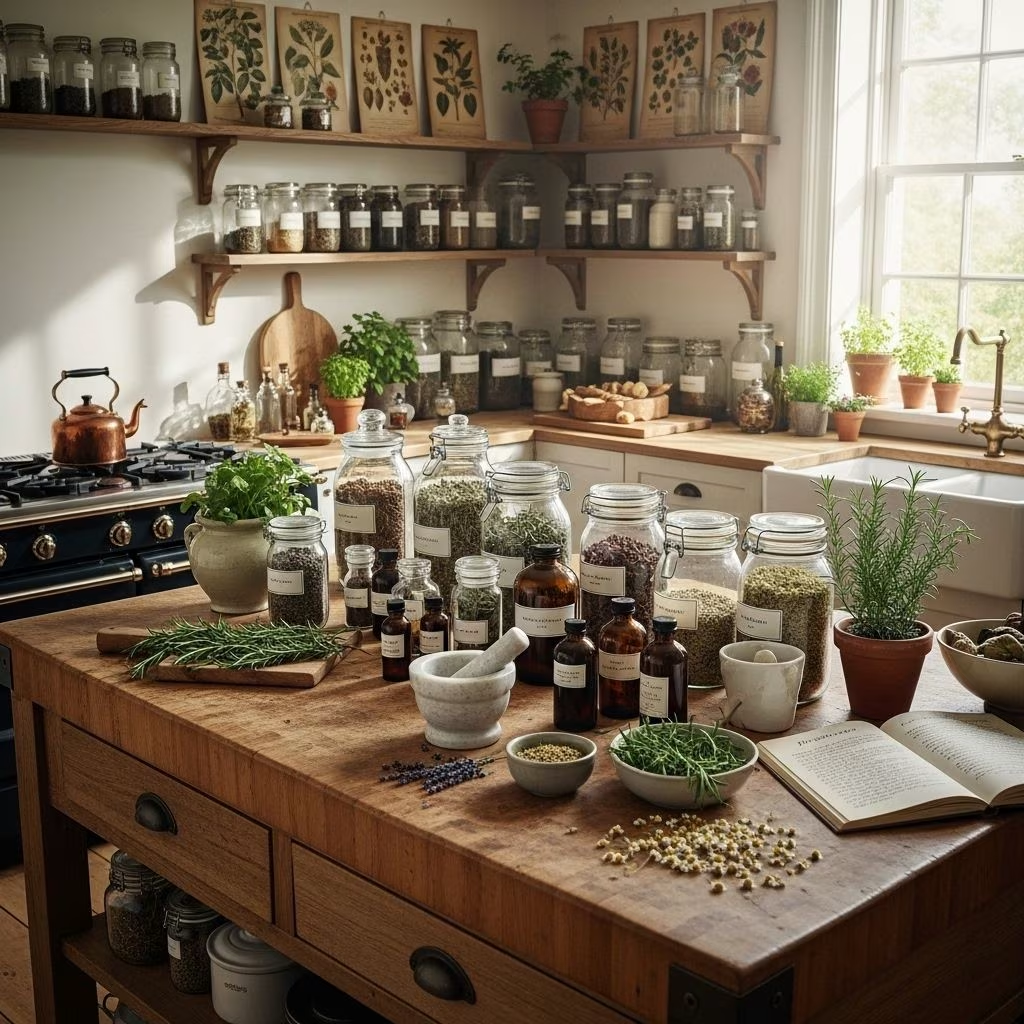
The apothecary kitchen aesthetic has captured the hearts of design enthusiasts and wellness advocates alike, offering a perfect marriage between historical charm and contemporary functionality. Drawing inspiration from traditional pharmacies and herbal medicine shops, these kitchens transform ordinary cooking spaces into enchanting sanctuaries where culinary arts meet natural remedy crafting. The distinctive character of apothecary-style kitchens lies in their ability to showcase ingredients as decorative elements while maintaining exceptional organization and accessibility.
This design approach celebrates the beauty of natural ingredients through strategic display systems, vintage-inspired storage solutions, and carefully curated color palettes that evoke the warmth of historical apothecaries. Whether you’re passionate about herbal remedies, artisanal cooking, or simply appreciate the timeless elegance of vintage design, an apothecary kitchen offers endless possibilities for creating a space that’s both visually stunning and remarkably practical.
Understanding the Apothecary Kitchen Aesthetic
The foundation of apothecary kitchen design rests on the principle of visible organization combined with vintage elegance. Unlike conventional modern kitchens that hide everything behind closed doors, apothecary kitchens embrace transparency through glass-front cabinets, open shelving systems, and carefully arranged collections of labeled jars. This design philosophy transforms everyday ingredients into decorative focal points, creating spaces that feel both lived-in and curated.
At the heart of this aesthetic lies the commitment to quality materials that age gracefully and develop character over time. Rich wooden cabinetry with antique brass hardware, marble or soapstone countertops, and reclaimed wood flooring create a foundation of durability and timeless appeal. The color palette typically features soft, earthy tones including muted greens, warm browns, gentle yellows, and creamy neutrals that establish a calming atmosphere reminiscent of traditional apothecaries.
The true magic of apothecary kitchens emerges through their attention to detail and layering of textures. Exposed brick walls provide warmth and historical context, while subway tile backsplashes offer clean lines and classic appeal. Natural light becomes a crucial design element, illuminating glass containers and creating ambient glows that highlight the organic materials throughout the space.
Essential Elements of Apothecary Kitchen Design
Glass-front cabinetry stands as perhaps the most recognizable feature of apothecary kitchens. These cabinets serve dual purposes: protecting dishware and ingredients from dust while creating visual interest through their transparent display of curated collections. The strategic placement of ambient lighting inside glass cabinets casts warm glows that highlight contents and enhance the overall mood, transforming functional storage into captivating focal points.
Open shelving systems maximize both functionality and aesthetic appeal when executed thoughtfully. Floating wooden shelves laden with clear glass jars filled with dried herbs, spices, and grains create organized beauty while keeping frequently used ingredients within easy reach. These shelves work particularly well above sinks or preparation areas, where they maximize vertical space while maintaining the airy, accessible feel characteristic of apothecary design.
Apothecary-style drawers and cubbies represent the organizational heart of this design approach. Small, labeled pull-out drawers perfect for storing herbs, spices, teas, and cooking essentials add both character and exceptional functionality. These drawers can be incorporated into existing cabinetry or featured as standalone pieces, bringing the distinctive apothecary aesthetic while solving common kitchen storage challenges.
Vintage-inspired hardware provides the finishing touches that elevate apothecary kitchens from merely functional to genuinely special. Antique brass handles, ceramic knobs, and wrought iron fixtures enhance the historical appeal while ensuring every interaction with the space feels intentional and delightful. These details create cohesion throughout the design and reinforce the vintage aesthetic.
Creating Your Herb and Spice Display Station
The dedicated herb and spice station represents the functional soul of any apothecary kitchen, transforming ingredient storage from mundane necessity into beautiful craft. Begin by designating a specific area of your kitchen for this purpose, ideally in a location that receives natural light without direct sun exposure that might degrade sensitive herbs and spices. This station should be easily accessible during cooking while contributing to the overall visual harmony of your space.
Select uniform glass containers with airtight seals to maintain ingredient freshness while creating visual cohesion. Clear glass allows you to monitor supply levels at a glance and showcases the natural colors and textures of your collection. Consider various container sizes to accommodate different quantities and types of ingredients, from frequently used everyday spices to specialized herbs for remedy crafting.
Labeling becomes both practical necessity and decorative opportunity in apothecary kitchens. Vintage-style tags with handwritten or printed names add personalized charm while ensuring quick identification. Some designers prefer permanent labels etched or painted directly onto containers, while others embrace changeable systems that allow flexibility as collections evolve. The key lies in choosing a labeling approach that balances readability with aesthetic appeal.
Organization systems should reflect your cooking patterns and remedy-making practices. Alphabetical arrangements work well for extensive collections, while grouping by cuisine type or usage frequency might better serve specialized needs. Consider incorporating small drawers beneath your display station for storing less attractive but essential items like measuring spoons, funnels, and cleaning supplies.
Incorporating Natural Materials and Textures
Natural materials form the backbone of authentic apothecary kitchen design, bringing warmth, character, and durability to these spaces. Wood appears prominently through cabinetry, shelving, countertops, and flooring, with reclaimed or aged woods particularly valued for their history and patina. Different wood tones can be layered throughout the space to create depth and visual interest while maintaining cohesion through complementary undertones.
Stone countertops bring old-world drama and practical durability essential for working kitchens. Marble offers classic elegance with its veining and luminous quality, though it requires more maintenance than some alternatives. Quartzite provides similar aesthetics with greater durability, while soapstone develops a rich patina over time that enhances its character. These materials not only look spectacular but also withstand the demands of active cooking and remedy preparation.
Terracotta and ceramic elements introduce earthy warmth and artisanal quality to apothecary kitchens. Clay pots house fresh herbs on windowsills or countertops, their porous nature benefiting plant health while adding rustic charm. Ceramic tiles in subway patterns or intricate designs create backsplashes that balance clean lines with traditional appeal, providing practical splash protection wrapped in visual interest.
Metal accents in copper, brass, and wrought iron add refinement and historical authenticity. Copper pots displayed on open shelving catch light beautifully while serving as functional cookware. Brass hardware on cabinets and drawers develops a warm patina that enhances rather than diminishes with age. Wrought iron pot racks and hooks provide sturdy storage solutions that reinforce the vintage aesthetic.
Color Palettes That Define Apothecary Style
The color palette in apothecary kitchens establishes mood and reinforces the connection to historical apothecaries and botanical traditions. Soft, muted tones create calming atmospheres that feel both sophisticated and approachable. Sage greens and dusty blues evoke botanical gardens and vintage medicine bottles, bringing nature-inspired tranquility to cooking spaces. These colors work particularly well on cabinetry, where they provide visual interest without overwhelming the space.
Warm neutrals including creamy whites, soft taupes, and gentle grays form the foundation of most apothecary color schemes. These shades allow natural materials like wood and stone to shine while creating cohesive backdrops for displayed collections. Creamy white walls maximize natural light reflection and create airy feelings even in compact kitchens, while warm gray tones add sophistication without coldness.
Accent colors should be introduced thoughtfully through accessories, displayed ingredients, and decorative elements rather than permanent fixtures. Vibrant yellows might appear in fresh fruit displays or vintage canisters, while rich browns emerge through wooden cutting boards and earthenware. The natural colors of herbs, spices, and dried botanicals provide organic pops of color that change with your collection.
The key to successful apothecary color schemes lies in maintaining restraint and allowing natural materials to provide much of the visual interest. When colors are used, they should feel inspired by nature and history rather than contemporary trends, ensuring your kitchen maintains its timeless appeal for years to come.
Glass Jar Organization and Display Techniques
Glass jars represent the iconic visual signature of apothecary kitchens, transforming mundane ingredient storage into decorative art. The selection of appropriate jars requires consideration of both aesthetic and functional factors. Clear glass remains the classic choice, allowing full visibility of contents while creating unified visual impact when multiple jars are grouped together. Various shapes and sizes add visual interest while accommodating different ingredients and quantities.
Jar placement strategies significantly impact both functionality and visual appeal. Frequently used ingredients should occupy the most accessible positions, typically on lower shelves or countertop stations where they can be reached easily during cooking. Less commonly used items can move to higher shelves, where they still contribute to the overall aesthetic while keeping prime real estate available for everyday essentials.
Creating visual harmony among displayed jars involves thoughtful attention to arrangement patterns and spacing. Grouping jars by size creates orderly, satisfying displays, while mixing sizes can add visual interest if done with careful attention to balance. Leaving appropriate space between jars prevents cluttered appearances and makes individual items easier to retrieve during busy cooking sessions.
Maintenance of jar collections requires regular attention to cleanliness and content freshness. Establish routines for wiping down exterior surfaces to maintain their sparkle and checking stored ingredients for quality. Rotate stock regularly, placing newer purchases behind older items to ensure nothing languishes unused. This ongoing care keeps your apothecary display looking fresh and functioning optimally.
Lighting Strategies for Apothecary Kitchens
Proper lighting transforms apothecary kitchens from merely attractive to truly magical, highlighting textures, creating ambiance, and ensuring functional illumination for cooking and remedy preparation. Natural light should be maximized wherever possible, as it best showcases the organic materials and natural ingredients central to this design aesthetic. Large windows with simple treatments allow sunlight to flood spaces while providing views that connect indoor cooking areas with outdoor gardens.
Ambient cabinet lighting adds enchanting dimension to glass-front cabinetry and open shelving. LED strip lights installed along shelf edges or inside cabinet tops cast gentle glows that illuminate displayed collections while creating warm, inviting atmospheres. This lighting proves particularly effective in the evening when natural light fades, maintaining the kitchen’s appeal throughout the day.
Task lighting ensures adequate illumination for detailed work including recipe reading, ingredient measuring, and remedy preparation. Under-cabinet fixtures provide focused light on countertop work surfaces without creating harsh shadows or glare. Pendant lights above islands or dining tables combine functional illumination with decorative opportunities, especially when fixtures feature vintage-inspired designs in brass or copper finishes.
The layering of different light sources creates flexible illumination that adapts to various needs and moods. Dimmer switches allow adjustment of light levels for everything from bright task-focused cooking to intimate dinner settings. This flexibility ensures your apothecary kitchen remains functional and beautiful regardless of the time of day or activity taking place.
Incorporating Fresh and Dried Botanicals
Living plants and dried botanicals bring authentic apothecary character while providing fresh ingredients for cooking and remedy crafting. Fresh herb gardens positioned on windowsills or countertops in terracotta pots add vibrant green life to kitchens while ensuring immediate access to flavor-enhancing additions for meals. Herbs like basil, thyme, rosemary, and mint thrive in kitchen environments when provided adequate light and proper watering.
Hanging dried herbs creates dramatic visual impact while preserving harvests for future use. Bundles tied with natural twine and suspended from ceiling beams, pot racks, or dedicated drying racks add vertical interest and fill spaces with subtle botanical fragrances. This traditional preservation method doubles as decoration, celebrating the connection between ingredient sourcing and final preparation.
Botanical artwork and pressed flower displays reinforce the natural theme throughout apothecary kitchens. Framed vintage botanical prints add historical context and educational interest, while pressed flowers preserved under glass create delicate, personal decorative elements. These additions connect kitchen spaces to broader botanical and herbal medicine traditions.
The integration of botanicals should feel organic rather than forced, with plants and dried materials occupying spaces where they serve practical purposes or fill aesthetic needs naturally. Overcrowding with too many botanical elements can create cluttered impressions, so thoughtful editing ensures each plant or dried arrangement receives proper attention and contributes meaningfully to the overall design.
Storage Solutions Beyond the Basics
While glass jars and open shelving form the foundation of apothecary kitchen storage, additional solutions ensure comprehensive organization without compromising aesthetic appeal. Butler’s pantries represent the ultimate luxury for apothecary enthusiasts, providing dedicated spaces for bulk storage, serving preparation, and housing less attractive necessities away from main kitchen areas. These auxiliary spaces can be designed with the same attention to vintage detail while offering practical staging areas for entertaining.
Pull-out pantry systems maximize vertical storage in narrow spaces, bringing items from back to front with simple movements. These systems work particularly well for organizing oils, vinegars, and other bottled ingredients that benefit from visibility while requiring protection from light and heat. Installing pull-out systems behind solid cabinet doors maintains the clean lines of apothecary design while dramatically improving functionality.
Drawer dividers and organizers keep utensils, tools, and small implements neatly arranged within closed storage. Custom wooden dividers can be crafted to match cabinetry, creating cohesive appearance while providing precisely sized compartments for different items. This hidden organization ensures apothecary kitchens maintain their serene, uncluttered appearance while offering exceptional functionality.
Vertical storage solutions including pot racks, hanging rail systems, and wall-mounted organizers make efficient use of often-wasted wall space. Copper or wrought iron pot racks display beautiful cookware while keeping it accessible, while magnetic knife strips and utensil rails provide convenient tool storage that contributes to the overall aesthetic rather than detracting from it.
Creating Functional Work Zones
Successful apothecary kitchens balance visual appeal with practical workflow considerations, establishing distinct zones for different activities. The preparation zone centers around primary work surfaces where ingredients are chopped, measured, and combined. This area requires adequate counter space, good lighting, and easy access to cutting boards, knives, and frequently used tools. Positioning this zone near the sink facilitates easy cleanup and vegetable washing.
The cooking zone encompasses the stove, oven, and immediate surrounding counter space used for stirring, seasoning, and plating. This area should have heat-resistant surfaces, proper ventilation, and convenient access to oils, spices, and cooking utensils. Organizing this zone thoughtfully minimizes unnecessary movement during active cooking, making meal preparation more efficient and enjoyable.
The remedy crafting station represents a unique feature of apothecary kitchens, dedicated to preparing tinctures, salves, teas, and other natural wellness products. This area benefits from proximity to herb and spice storage while maintaining some separation from food preparation zones to prevent cross-contamination. A sturdy work table provides space for projects, while nearby storage houses specialized tools, containers, and ingredients used specifically for remedy making.
The cleanup zone around the sink requires thoughtful organization to maintain apothecary aesthetics while ensuring functionality. Farmhouse-style sinks with exposed fronts add vintage character while providing generous capacity for washing large pots and prep work. Open shelving above sinks displays attractive dish soap dispensers, hand towels, and small potted herbs, transforming utilitarian areas into decorative focal points.
Adapting Apothecary Style to Modern Needs
Contemporary apothecary kitchens successfully blend vintage aesthetics with modern conveniences, proving that historical charm and current technology can coexist beautifully. Integrated appliances hidden behind cabinet panels maintain period-appropriate exteriors while providing all the functionality of modern equipment. Panel-ready refrigerators, dishwashers, and even ranges can be disguised to blend seamlessly with surrounding cabinetry.
Smart storage solutions bring twenty-first-century efficiency to traditional designs. Soft-close drawer mechanisms prevent slamming while protecting delicate glassware and preserving the peaceful ambiance of apothecary spaces. Pull-out trash and recycling centers keep waste management systems hidden but accessible, maintaining clean sightlines while supporting sustainable practices.
Modern lighting technology enhances apothecary aesthetics while providing superior functionality. LED bulbs in vintage-style fixtures combine energy efficiency with warm color temperatures that flatter natural materials and create inviting atmospheres. Smart lighting controls allow customization of intensity and color temperature throughout the day, adapting to different activities and moods.
The key to successful modernization lies in discretion—allowing contemporary conveniences to support rather than dominate the vintage aesthetic. Technology should remain largely invisible, with modern functionality wrapped in period-appropriate casings or hidden behind traditional facades that maintain the timeless character defining apothecary kitchen design.
Budget-Friendly Apothecary Transformations
Creating an apothecary-inspired kitchen doesn’t require complete renovation or unlimited budgets. Strategic updates and thoughtful additions can transform ordinary kitchens into spaces with genuine apothecary character. Begin by addressing the most visible elements that create the strongest impact, particularly storage and display systems that define the aesthetic.
Glass jar collections can be assembled gradually and affordably through thrift stores, restaurant supply shops, and online retailers. Uniformity matters more than expense, so focus on finding matching styles rather than premium brands. Clean, label, and fill jars with everyday ingredients to create instant visual impact without significant investment.
Open shelving represents one of the most cost-effective transformations available to home renovators. Removing cabinet doors exposes existing storage while creating opportunities for attractive displays. Simple wooden boards mounted on brackets create floating shelves that showcase collections without expensive custom cabinetry. Paint existing cabinets in apothecary-appropriate colors for dramatic transformation at modest cost.
Hardware updates deliver outsized visual impact relative to investment required. Replacing modern cabinet pulls and knobs with vintage-inspired brass or ceramic alternatives changes the entire character of cabinetry. Shopping architectural salvage yards and online marketplaces can yield authentic antique hardware at reasonable prices, adding genuine historical character to updated spaces.
Frequently Asked Questions
What defines an apothecary kitchen style?
Apothecary kitchen style is characterized by visible storage systems including glass-front cabinets and open shelving, vintage-inspired hardware, natural materials like wood and stone, and organized displays of ingredients in labeled glass jars. The aesthetic draws inspiration from historical pharmacies and herbal medicine shops, creating spaces that showcase ingredients as decorative elements while maintaining exceptional functionality.
How do I organize herbs and spices in an apothecary kitchen?
Organize herbs and spices in uniform glass containers with airtight seals, displayed on open shelves or in glass-front cabinets. Label each container with vintage-style tags for easy identification. Group ingredients by usage frequency, cuisine type, or alphabetically depending on your preferences. Keep frequently used items at eye level and within easy reach of your primary cooking area.
What colors work best for apothecary kitchen design?
Apothecary kitchens typically feature soft, muted color palettes including sage greens, dusty blues, warm browns, creamy whites, and gentle grays. These nature-inspired tones create calming atmospheres while allowing natural materials and displayed ingredients to provide visual interest. Accent colors should be introduced thoughtfully through accessories and decorative elements rather than permanent fixtures.
Can I create an apothecary kitchen on a budget?
Yes, apothecary style can be achieved affordably through strategic updates. Start by installing open shelving, collecting uniform glass jars for ingredient storage, painting existing cabinets in appropriate colors, and replacing hardware with vintage-inspired alternatives. Focus on the most visible elements that create strong visual impact before investing in expensive materials or complete renovations.
What materials are essential for authentic apothecary kitchens?
Essential materials include natural wood for cabinetry and shelving, stone countertops like marble or soapstone, glass containers for ingredient display, and metal accents in brass, copper, or wrought iron. Reclaimed wood flooring, subway tile backsplashes, and terracotta or ceramic elements add authentic character while providing durability for working kitchens.
How do I maintain the apothecary aesthetic while adding modern appliances?
Integrate modern appliances behind cabinet panels to maintain period-appropriate exteriors, or choose appliance finishes that complement vintage aesthetics. Panel-ready refrigerators and dishwashers can be disguised to blend with surrounding cabinetry. Select ranges and hoods in classic styles with brass or copper finishes that reinforce rather than conflict with the apothecary aesthetic.


