


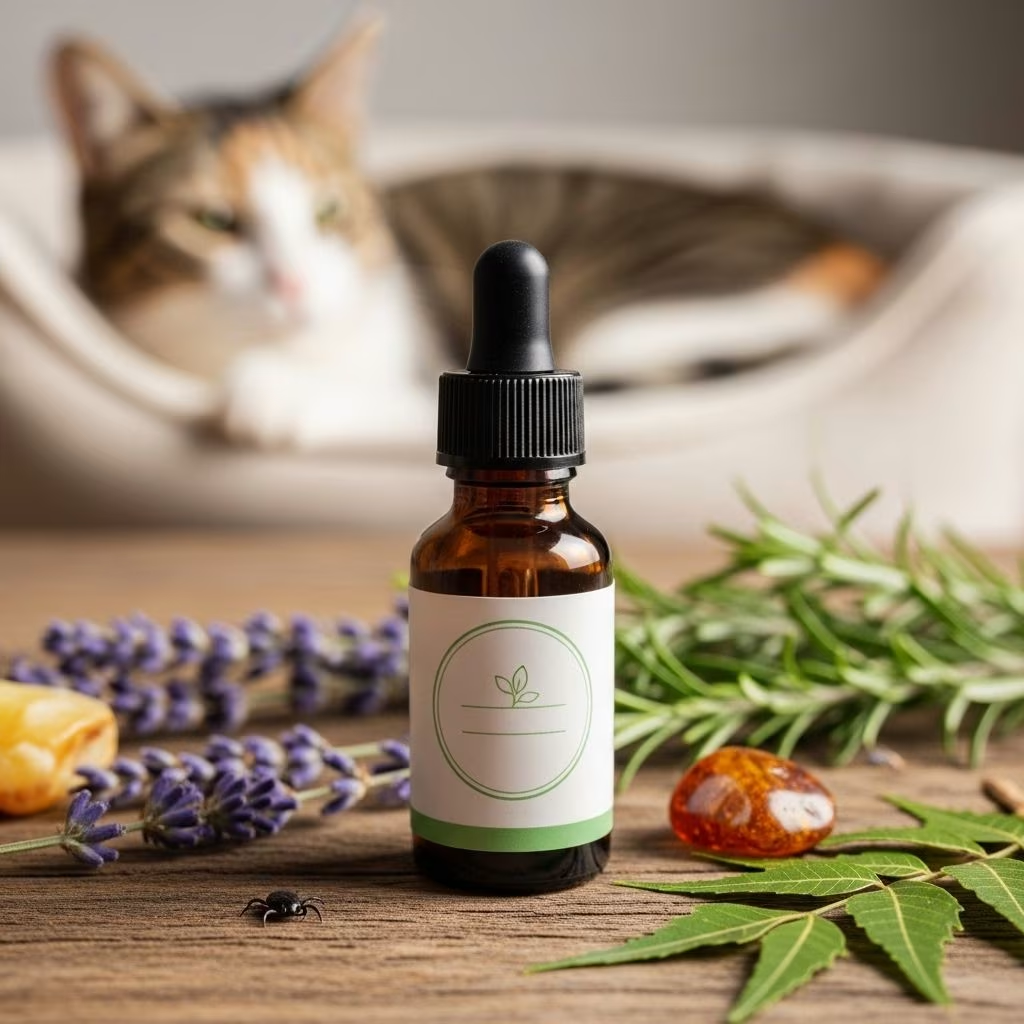
Are Natural Remedies Safe for Flea, Tick & Heartworm Prevention in Pets?
The quest for natural and chemical-free alternatives to prevent fleas, ticks, and heartworm in pets has grown significantly. Many owners hope to avoid traditional medications due to concerns about potential side effects or chemical exposure. Before opting for natural solutions, it is essential to understand efficacy, safety, risks, and the science behind these remedies.
Understanding the Risks: Parasites and Your Pet’s Health
Fleas, ticks, and heartworms are not merely annoying—they can transmit dangerous diseases, trigger severe allergic reactions, and even become fatal if left untreated. Preventing infestations is crucial for both dogs and cats, as well as the humans who care for them.
- Fleas: Cause intense itching, flea-bite dermatitis, anemia, and transmit tapeworms.
- Ticks: Vectors for Lyme disease, Ehrlichiosis, Babesiosis, and cause local irritation and anemia.
- Heartworms: Mosquito-borne; can lead to cardiovascular failure and death, especially in dogs.
Natural Remedies: What Are They?
Natural preventives are herbal, mineral, or plant-based substances promoted as alternatives to pharmaceutical flea, tick, and heartworm medications. These include:
- Essential oil sprays (citronella, cedar, peppermint, rosemary, eucalyptus, lemongrass)
- Herbal powders and dietary supplements (garlic, neem, black walnut hull, quassia bark)
- Apple cider vinegar rinses and sprays
- Diatomaceous earth for home and yard use
- DIY traps (soapy water, light traps)
- Ultrasonic electronic repellents
Evaluating the Efficacy: Do Natural Remedies Really Work?
Many natural remedies have limited or inconsistent scientific evidence supporting their effectiveness against fleas, ticks, or heartworms. Here’s a closer look:
| Remedy | Target Parasite | Suggested Mechanism | Evidence of Efficacy |
|---|---|---|---|
| Essential Oils (Cedar, Citronella, Rosemary) | Fleas, Ticks, Mosquitoes | Repellent scent; may kill on contact | Some short-term effectiveness reported; not validated as sole prevention |
| Garlic Supplement | Fleas, Ticks | Alters odour of pet’s skin/blood | No robust evidence; risks with dosing |
| Apple Cider Vinegar | Fleas | Alters skin pH | No proven effectiveness |
| Diatomaceous Earth | Flea eggs, Larvae, Adults | Dehydrates and destroys exoskeleton | Effective in environment, not directly on pets |
| Herbal Powders (Neem, Spirulina) | Fleas, Ticks | Oral/internal repellent, topical barrier | Limited supporting studies |
| Ultrasonic Devices | Fleas, Ticks | Disrupts parasite orientation | Mixed/no conclusive scientific support |
Specific Parasite Considerations
- Fleas and Ticks: Some essential oils and herbal treatments may help repel fleas and ticks but rarely provide the consistent, long-term control necessary in high-risk regions. Professional veterinary advice is always recommended before using essential oils due to toxicity risks—especially for cats.
- Heartworm: No natural remedy has been proven to prevent heartworm disease. Heartworm infection—even a single worm—can be fatal, and natural approaches cannot reliably prevent transmission from mosquitoes.
Potential Safety Concerns for Pets
While marketed as ‘safe’ due to natural origins, many remedies may be harmful or irritating, particularly with improper use or in sensitive animals.
- Essential oils can cause skin irritation, chemical burns, allergies, or toxicity if ingested or absorbed in unsafe quantities. Cats are especially vulnerable to essential oil toxicity (e.g., eucalyptus, tea tree, citronella).
- Garlic, though argued by some to be safe in small doses, is widely recognized by veterinary toxicologists as potentially toxic to both dogs and cats—even in moderate amounts—causing anemia or gastrointestinal upset.
- Diatomaceous earth is only safe when labeled ‘food-grade’. Inhalation or ingestion of non-food-grade powder may cause respiratory distress or digestive problems.
- Many herbal powders and supplements may interact with your pet’s current medications or health conditions.
- Homemade sprays and rinses can accidentally harm the eyes, respiratory tract, or skin if improperly diluted or formulated.
Consultation with a veterinarian is crucial before introducing any new supplement or ‘natural’ treatment, as even natural products can be unsafe or ineffective for your individual pet.
Veterinary Position: What Do the Experts Say?
Most veterinarians and veterinary parasitologists recognize the limitations and risks associated with relying solely on natural remedies. Main points include:
- Natural preventives are not substitutes for proven prescription flea, tick, or heartworm preventives.
- Veterinarians may complement pharmaceutical regimens with natural measures (e.g., diatomaceous earth for the home, non-toxic yard sprays) to reduce but not replace traditional protection.
- No natural approach offers reliable heartworm prevention—just one missed infection can be lethal.
- Certain essential oils should be avoided in cats entirely, and all oils should be used with careful veterinary guidance.
- Homemade remedies and supplements have a high potential for incorrect dosing, contamination, and interaction with medications.
Strategies for Natural Flea & Tick Control: What Works and What Doesn’t
Some natural environmental strategies can play a supportive role in comprehensive parasite management—particularly for fleas and ticks:
- Yard Maintenance:
- Remove leaf litter, mow grass regularly, trim shrubs, and reduce habitat for pests and their hosts.
- Apply cedar mulch or use natural sprays with cedarwood or peppermint oil—always check animal safety, especially with cats.
- Household Cleaning:
- Frequent vacuuming, laundering pet bedding in hot water, and routine de-cluttering.
- DIY flea traps (light and soapy water), food-grade diatomaceous earth around baseboards, entryways, and pet resting places (caution: avoid inhalation or ingestion).
- Regular Bathing and Grooming: Natural shampoos, daily combing, and physical inspection can help detect parasites early and remove them before population spreads.
- Diet and Immune Support: Feeding a species-appropriate diet, possibly with omega-3s or immune-boosting supplements, may benefit skin health and natural defenses but won’t directly prevent infestations.
Natural Approaches for Heartworm: Why the Risks Outweigh the Benefits
Heartworm disease is life-threatening and, unlike fleas and ticks, involves larvae migrating through tissues and finishing their lifecycle in the heart and blood vessels. No essential oil, herbal supplement, or dietary additive is reliably proven to kill or prevent heartworm larvae after a mosquito bite. Even infectious doses of herbal or mineral remedies are not effective substitutes for conventional monthly heartworm prevention.
The use of black walnut, ginger, garlic, or neem for heartworm is unsupported—these may have anti-parasitic properties in laboratory settings but do not stop transmission or disease progression in real-world canine and feline cases.
Missing even a single monthly preventative dose can result in infection; relying on non-pharmaceutical options dramatically increases the risk of fatal disease.
Warning Signs & When to Seek Professional Help
- Signs of flea or tick infestation: persistent scratching, hair loss, visible bugs or eggs, red or inflamed skin.
- Signs of heartworm disease (especially in dogs): coughing, lethargy, exercise refusal, weight loss, abdominal swelling.
- If any new natural product causes skin redness, itchiness, vomiting, drooling, collapse, or behavioral change—wash it off and call your veterinarian immediately.
Key Takeaways: Safe Parasite Prevention in Pets
- “Natural” does not mean “safe” or “effective.” Only use products with known safety and—ideally—some scientific support, and always involve your veterinarian in decision-making.
- Preventive medications for fleas, ticks, and heartworm have saved countless animal lives and have a strong safety record when used as directed.
- Environmental approaches—yard hygiene, indoor cleaning, physical grooming—add value, but should not replace systemic pharmaceuticals prescribed by your vet.
FAQs: Natural Remedy Use in Pets
Q: Are essential oils safe to use on all pets?
No. Some essential oils are toxic to cats and even small doses may irritate dogs’ skin. Never use essential oils without veterinary guidance.
Q: Can I use garlic to prevent fleas on my dog?
Garlic’s effectiveness is disputed and risk of toxicity outweighs any potential benefit. The most current veterinary consensus is to avoid garlic, especially in cats.
Q: Is diatomaceous earth safe for pets?
Only food-grade diatomaceous earth can be used, and only in the environment—not on or in pets—while avoiding inhalation.
Q: Will natural remedies protect my pet against heartworm?
No. There are no proven natural heartworm preventatives. Prescription medications are essential for heartworm-risk pets (especially dogs in endemic areas).
Q: Can I mix natural and commercial preventives?
Some natural environmental approaches (cleaning, certain yard sprays) can complement prescription preventives, but mixing supplements or topical remedies could result in interactions or toxic effects. Always check with your vet.
Best Practices for Pet Owners Considering Natural Remedies
- Discuss all alternative products or approaches with your veterinarian before use.
- Check each remedy’s safety for the specific species, age, weight, health status, and breed of your pet.
- Use proven environmental interventions—yard and home hygiene, regular grooming—to reduce parasite risk alongside pharmaceutical preventives.
- Understand that skipping or substituting monthly heartworm or flea/tick prescriptions with natural remedies increases disease risk—and severe, potentially fatal consequences.
Further Reading & Resources
- Consult the American Veterinary Medical Association (AVMA) for guidance on flea, tick, and heartworm prevention protocols.
- Review product safety information for any natural or holistic supplement before purchase and use.
- Ask your veterinarian for pet-specific recommendations, especially if your pet is elderly, has other health conditions, or is pregnant/lactating.
References
- https://www.akcpetinsurance.com/blog/natural-flea-and-tick-prevention
- https://www.holisticanimalhealingclinic.org/blog/holistic-approaches-to-parasite-prevention-for-pets
- https://www.backtothebone.ca/blogs/main/flea-tick-and-heartworm-prevention-a-natural-appro/
- https://www.wondercide.com/products/natural-flea-tick-mosquito-control-for-dogs-evolv
- https://drjudymorgan.com/pages/fleas-ticks-heartworms
- https://www.petmd.com/parasites/flea-and-tick-treatments-that-dont-work
- https://www.onlynaturalpet.com/collections/flea-tick-control-for-dogs
- https://www.thenaturalpetdoctor.com/blog/natural-heartworm-prevention-for-dogs-cats


