


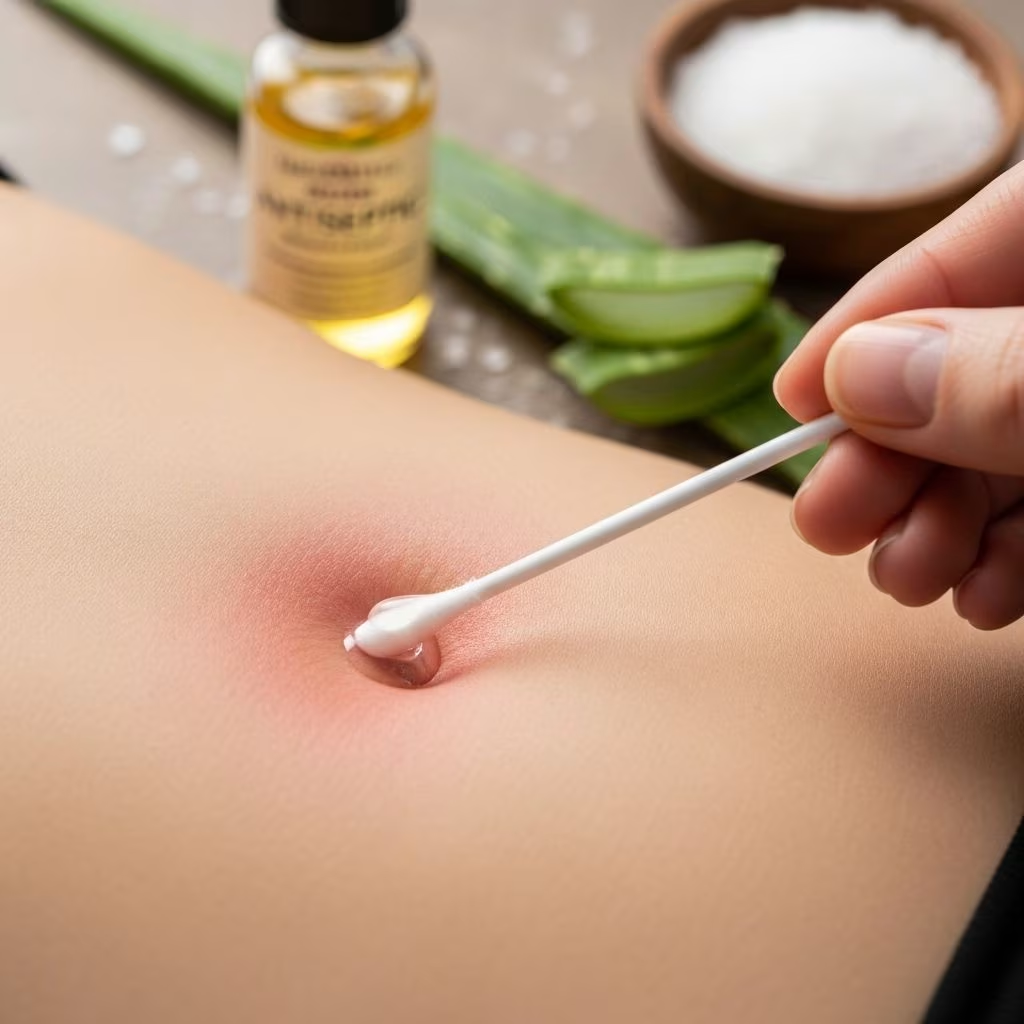
Effective Home Remedies To Treat Belly Button Infections
The belly button, or navel, is an often-overlooked part of personal hygiene routines, making it susceptible to various infections. While mild belly button infections can often be managed with simple home and natural remedies, timely recognition and proper care are crucial to avoid complications. This guide covers everything you need to know—causes, symptoms, home treatments, preventive measures, and when to seek medical attention.
What Is a Belly Button Infection?
A belly button infection refers to microbial invasion of the skin in and around the navel. It can be caused by bacteria, fungi (notably Candida species), or occasionally a combination of microbes. The infection may lead to discomfort, discharge, itching, redness, and in severe cases, pain or fever.
Belly button infections can affect anyone regardless of age or gender, although certain factors like poor hygiene, obesity, diabetes, or piercing increase the risk.
What Causes Belly Button Infections?
The navel is a warm, moist area that can easily trap sweat, dirt, soap residue, dead skin cells, and microorganisms. Common causes of belly button infection include:
- Poor hygiene: Infrequent cleaning allows bacteria and fungi to thrive.
- Excessive moisture: Sweat or water retention, especially in deep or ‘innie’ navels.
- Fungal (yeast) infection: Typically caused by Candida; common in people with diabetes, obesity, or an impaired immune system.
- Bacterial infection: Bacteria such as Staphylococcus or Streptococcus can easily infect broken or irritated skin.
- Belly button piercings: Improperly cared-for piercings create an easy entry point for pathogens.
- Skin conditions: Dermatitis or eczema can cause skin breakdown in the navel.
- Surgery or trauma: Abdominal surgery, wounds, or scratches near the navel increase risk.
Symptoms of a Belly Button Infection
Symptoms can vary depending on the cause and severity, but commonly include:
- Redness or swelling around the navel
- Itching or irritation
- Unusual discharge: May be clear, yellow, green, or white, sometimes with an odor
- Soreness, tenderness, or pain around the belly button
- Crusting or scabbing at the site
- Foul odor
- Warmth or heat, indicating inflammation
- Fever or chills (in severe or spreading infections)
| Type of Infection | Notable Symptoms | Common Causes |
|---|---|---|
| Bacterial | Redness, swelling, possible pus or yellowish discharge, pain | Poor hygiene, piercings, skin trauma |
| Fungal (Yeast) | Itchiness, redness, white discharge, irritation | Excess moisture, obesity, diabetes, antibiotic use |
| Other (e.g., eczema) | Flaking, itching, skin breakdown | Existing skin conditions |
Home Remedies For Treating Belly Button Infections
For minor belly button infections without fever, severe pain, or spreading redness, several home remedies may help speed up healing and relieve discomfort. However, if the infection worsens or fails to improve in a few days, consult a healthcare professional.
1. Salt Water Solution (Saline Rinse)
Saline solution helps cleanse the area, reduce inflammation, and prevent further microbial growth. To prepare a saline rinse:
- Mix one teaspoon of table salt in a cup of warm boiled water.
- Use a sterile cotton ball or swab to clean the belly button gently.
- Pat dry with a clean towel.
- Repeat 2-3 times a day.
2. Warm Compress
Applying a warm compress can help reduce pain, swelling, and discomfort. Make sure the compress is clean and not too hot to avoid burns.
- Soak a clean cloth in warm water, wring out excess water, and place on the navel for 10-15 minutes.
- Do this 2-3 times daily.
3. Antiseptic or Antibacterial Ointments
Over-the-counter antiseptic ointments (such as those containing polysporin or bacitracin) can help manage bacterial infections. For fungal infections, use an antifungal cream (like clotrimazole or miconazole) as directed.
- Apply a thin layer only after cleaning and drying the navel.
- Do not cover with bandages unless advised by a doctor.
4. Tea Tree Oil Solution
Tea tree oil has natural antimicrobial and antifungal properties. Always dilute before use:
- Mix 1-2 drops of tea tree oil in a tablespoon of olive oil or coconut oil.
- Apply with a clean cotton swab on the affected area once or twice daily.
- Discontinue if irritation develops.
5. Rubbing Alcohol
For bacterial and fungal navel infections, gently dabbing the area with diluted rubbing alcohol can help disinfect the skin. Use sparingly to avoid excessive dryness.
6. Avoid Moisture
- Keep the belly button as dry as possible.
- Wear loose, cotton clothing to aid aeration.
- Change clothes if they become sweaty or damp.
7. Avoid Irritants
- Refrain from using perfumed soaps, lotions, or powders directly on your navel area while it heals.
- Avoid scratching, picking, or inserting any objects into the navel.
Tips To Prevent Belly Button Infections
- Daily Hygiene: Gently clean your navel everyday, especially after sweating or bathing, using mild soap and water.
- Complete Drying: Always dry the area thoroughly with a clean towel after washing.
- Loose Clothing: Choose breathable, loose-fitting, cotton garments to reduce moisture trapping.
- Piercing aftercare: If you have a pierced navel, follow aftercare instructions meticulously, using only sterile solutions and not touching the jewelry with unwashed hands.
- Avoid tight waistbands: These increase sweating and friction.
- Manage chronic health conditions: Keep blood sugar controlled if diabetic; maintain a healthy weight.
- Do not use harsh chemicals: Skip alcohol-based cleansers or hydrogen peroxide on healthy skin; these may cause unnecessary irritation.
When To See a Doctor
Home management works well for mild cases, but prompt medical attention is necessary if:
- The infection worsens or doesn’t improve after a few days of home treatment.
- You develop fever, chills, severe pain, or spreading redness.
- You notice a copious amount of pus, blood, or a foul-smelling discharge.
- Symptoms spread beyond the belly button area.
- The navel is hot and extremely tender to touch.
- You have a compromised immune system (e.g., uncontrolled diabetes, HIV, cancer therapy).
- You suspect a foreign body or infected piercing.
Your doctor may collect a sample for laboratory analysis to confirm the cause and tailor treatment, which may include prescription antibiotics, antifungals, or even drainage of an abscess in severe cases.
Frequently Asked Questions (FAQs)
Q: Can a belly button infection heal on its own?
A: Mild infections may resolve with dedicated cleaning and keeping the area dry. However, untreated or severe infections require medical intervention to prevent complications.
Q: Are belly button infections contagious?
A: They are generally not contagious but can be spread by touching the infected area and not washing hands, potentially transferring bacteria or fungi to others or other body parts.
Q: How long does it take for a belly button infection to heal?
A: With effective home care or topical treatments, most mild infections clear up within 7 to 14 days. Chronic, recurrent, or severe infections may take longer and need medical therapy.
Q: Can I use hydrogen peroxide to clean my belly button?
A: While hydrogen peroxide is a disinfectant, frequent use may dry and irritate the skin. It is safer to use saline or mild soap and water unless directed otherwise by a healthcare provider.
Q: Will a navel piercing increase my risk of infection?
A: Yes, especially if not properly cared for after piercing. Always follow strict aftercare and hygiene routines for new piercings.
Q: What if my baby’s belly button is oozing or red?
A: Baby belly button issues, especially during or after umbilical cord stump healing, require prompt evaluation by a pediatrician.
Key Takeaways
- Maintaining navel hygiene is the most important factor in preventing infections.
- Most mild infections can be treated at home with saline washes, drying, and topical remedies.
- Monitor for warning signs like fever, severe pain, or spreading redness, which require medical evaluation.
- People with diabetes, immune-compromised conditions, or navel piercings should exercise extra caution.
References
- Information synthesized and paraphrased from reputable medical sources such as the Cleveland Clinic, Rupa Health, MedicineNet, and Banner Health, along with publicly available scientific literature on skin and soft tissue infections.
References
- https://www.rupahealth.com/post/how-to-treat-and-prevent-belly-button-infections-safely
- https://www.medicinenet.com/belly_button/article.htm
- https://www.bannerhealth.com/healthcareblog/teach-me/what-to-do-about-a-belly-button-infection
- https://my.clevelandclinic.org/health/diseases/22909-belly-button-yeast-infection
- https://www.healthline.com/health/belly-button-discharge


