


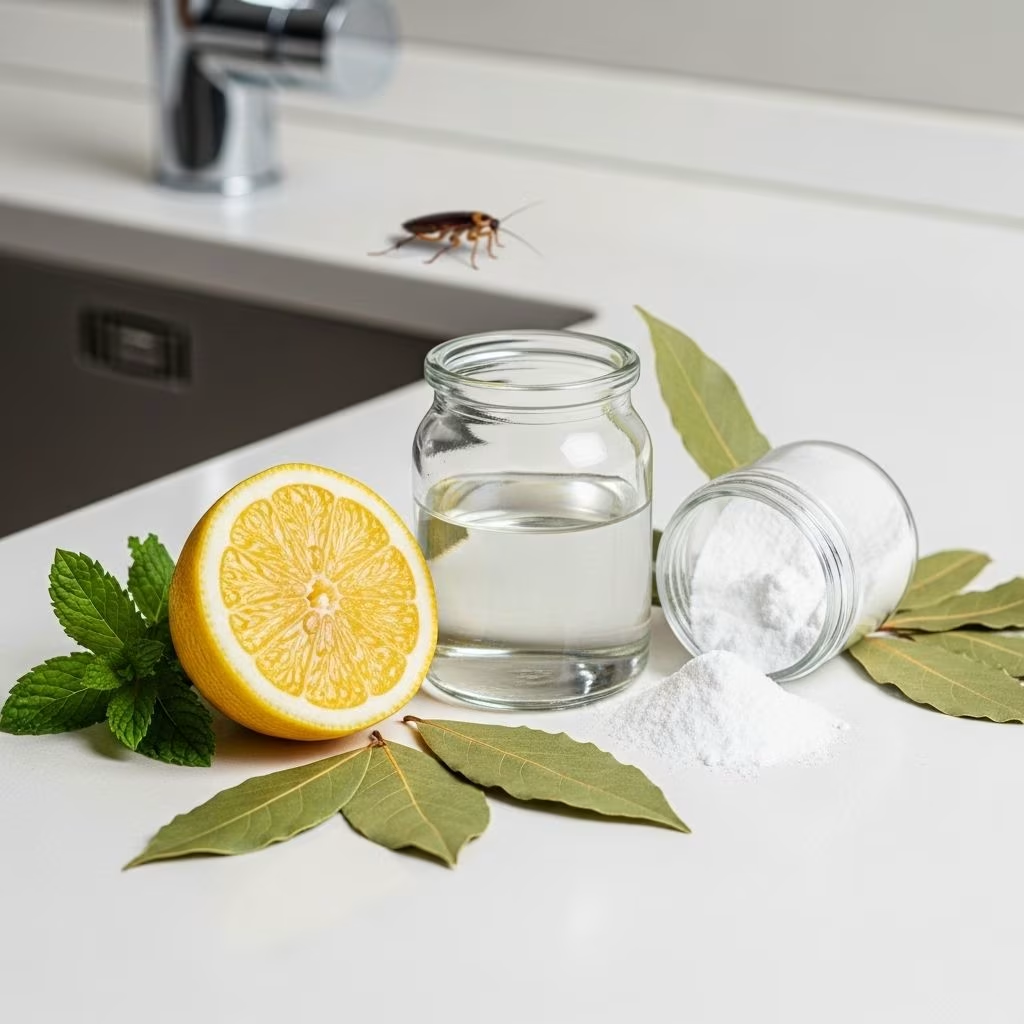
Cockroach infestations are a common nuisance in homes around the world. Not only do these resilient pests cause discomfort and distress, but they also carry diseases, trigger allergies, and contaminate food. While professional pest control is sometimes necessary, many people prefer to explore safe, affordable, and natural alternatives. This guide explores the most effective home remedies for roaches, delves into why they work, and provides step-by-step instructions for their implementation. If you’re seeking chemical-free solutions to keep your home roach-free, read on for evidence-based approaches to DIY cockroach management.
Understanding Roaches: Risks and Reasons
Roaches, also known as cockroaches, are among the most adaptable insects, thriving in a wide variety of environments. Their presence is more than an eyesore:
- Health Risks: Roaches spread food-borne illnesses such as salmonella, typhoid, dysentery, and even cholera. Their shed skins and droppings can trigger allergies and asthma, especially in children and sensitive individuals.
- Property Damage: Cockroaches can damage fabrics, books, electronics, and contaminate food supplies.
- Rapid Reproduction: A single pair of roaches can lead to a severe infestation within months.
Understanding why roaches enter your home is key to preventing future infestations. They’re attracted to food crumbs, moisture, warmth, and shelter.
Why Choose Home Remedies?
- Safety: Most home remedies use non-toxic, natural ingredients, posing minimal risk to children and pets when applied correctly.
- Cost-Effectiveness: Many of these solutions involve common household items, saving money compared to commercial products and exterminators.
- Environmental Benefits: Home remedies often avoid the use of harsh chemicals that can harm the environment.
- Accessibility: Ingredients for remedies like baking soda, borax, or essential oils are easy to find.
While professional interventions are essential for severe infestations, home remedies are highly effective for prevention and early elimination.
The Most Effective Home Remedies for Roaches
Not all home remedies are created equal. The following are the most researched, tested, and highly recommended solutions for domestic roach problems.
Boric Acid
Boric acid is widely considered the most potent natural cockroach killer. When ingested, it disrupts the insect’s digestive and nervous systems, causing death within days. To maximize its effectiveness:
- Mix a small amount of boric acid with sugar or peanut butter (to act as bait).
- Spread the mixture along baseboards, under sinks, and in the back of cabinets.
- Keep the powder in dry, hard-to-reach areas to avoid contact with pets and children.
Safety Note: Boric acid is low in toxicity to humans and animals but should not be ingested. Wash hands after handling.
Diatomaceous Earth
Diatomaceous earth (DE) is a mechanical insecticide composed of fossilized algae. It works by abrading the roach’s exoskeleton, leading to dehydration and death.
- Use food-grade diatomaceous earth only—never the pool or industrial types.
- Sprinkle a thin layer in dry areas frequented by roaches (behind appliances, along baseboards).
- Avoid wet areas, as moisture renders DE ineffective.
Baking Soda and Sugar
Baking soda, when mixed with sugar, is a classic and safe approach. The sugar attracts the roaches, while baking soda, when ingested, reacts with the acids in their stomachs, causing them to bloat and die.
- Mix equal parts baking soda and sugar.
- Place small amounts in shallow dishes or bottle caps and set in infested areas.
- Check and replace baits every few days.
Borax and Cornmeal
Borax is a household mineral with insecticidal properties similar to boric acid. When combined with cornmeal and powdered sugar, it forms an irresistible bait for roaches.
- Mix equal parts borax, cornmeal, and powdered sugar.
- Place in small containers (jar lids or bottle caps) under appliances and in corners.
- Replenish as needed until the infestation subsides.
Note: As with boric acid, keep borax out of reach of pets and children.
Neem Oil
Neem oil contains azadirachtin, a natural compound that interferes with the reproductive and growth cycles of insects. It acts as an effective repellent and mild insecticide.
- Dilute neem oil in water and spray along roach trails, under sinks, and behind furniture.
- Alternatively, neem powder can be sprinkled in problem areas.
Essential Oils
Certain essential oils are effective roach deterrents due to their strong scents and insect-repelling compounds. Popular choices include peppermint, tea tree, eucalyptus, and citronella oil.
- Mix 10–15 drops of essential oil with water in a spray bottle.
- Spray liberally in entry points, behind appliances, and inside cabinets.
- Reapply every few days for best results.
Bay Leaves
Bay leaves do not kill roaches but repel them with their aroma.
- Crush fresh or dried bay leaves and scatter them in shelves, pantries, cupboards, and under sinks.
- Replace weekly for a lasting effect.
Vinegar
While not lethal to cockroaches, vinegar is an excellent cleaning agent. It eliminates odor trails, removes stains, and creates an unwelcoming environment for roaches.
- Mix equal parts white vinegar and water.
- Wipe kitchen surfaces, garbage bins, and hard-to-reach crevices daily.
Catnip
Catnip contains nepetalactone—a compound that cockroaches find offensive.
- Make a strong tea by boiling catnip in water, cool, and use as a spray.
- Alternatively, place catnip sachets in roach-prone spots (avoiding areas your cats access).
DIY Roach Bait Recipes
Homemade baits are the heart of most natural cockroach control strategies. They combine attractants (to lure the roaches) and active ingredients (to kill or repel them).
| Bait Name | Ingredients | How It Works |
|---|---|---|
| Classic Sugar-Baking Soda Bait | Equal parts baking soda and sugar | The sugar attracts roaches; baking soda kills them |
| Peanut Butter Boric Acid Bait | Boric acid, peanut butter | Roaches are drawn to peanut butter and ingest boric acid |
| Cornmeal-Borax Mix | Borax, cornmeal, powdered sugar | Cornmeal/sugar lure in roaches; borax is lethal |
| Catnip Tea Spray | Catnip leaves, water | Spray acts as a repellent |
Remember to change out baits weekly for maximum effectiveness.
Natural Repellent Strategies
Beyond lethal approaches, you can also use natural repellents to drive roaches away from specific areas, preventing infestations from taking hold. These strategies are particularly helpful in kitchens, pantries, and bathrooms.
- Essential Oil Sprays: Use peppermint, eucalyptus, or tea tree oil mixed with water. Spray near garbage cans, under sinks, around pipes, and on baseboards.
- Bay Leaves: Scatter crushed bay leaves in drawers, cabinets, and behind appliances.
- Neem Oil: Wipe down surfaces with neem oil and water solution.
- Vinegar Cleaning: Maintain a daily habit of cleaning high-traffic surfaces, especially after cooking.
- Catnip Sachets: Deter roaches from linen closets or pantries (ensure pets do not consume catnip).
With regular application, these natural repellents contribute to long-term roach control.
Essential Preventive Measures
Even the best remedies are ineffective if you do not address factors that attract roaches. Prevention is the ultimate key to a roach-free home:
- Eliminate Food Sources: Do not leave out pet food overnight; store food in air-tight containers; promptly clean up crumbs and spills.
- Fix Leaks: Roaches need water—repair leaking pipes, dripping faucets, and humid areas immediately.
- Declutter: Remove cardboard boxes, newspapers, and clutter that serve as hiding spots.
- Seal Entry Points: Caulk gaps around pipes, doors, windows, and baseboards to block roach entry.
- Take Out Trash Regularly: Store garbage in containers with tight-fitting lids and dispose of it promptly.
- Routine Inspection: Habitually check behind appliances and in dark corners for signs of activity.
Integrating these habits into your cleaning routine greatly reduces the likelihood of future infestations.
When to Seek Professional Help
Sometimes, despite your best efforts, roaches persist. Signs you should consult a pest control professional include:
- Large numbers of roaches seen regularly, both day and night.
- Persistent droppings, egg cases, or foul, musty odors.
- DIY remedies show little to no improvement after several weeks.
Modern pest control companies often offer green, minimally invasive treatments and can address severe or stubborn infestations efficiently.
Common Myths and Facts about Roach Remedies
| Myth | Fact |
|---|---|
| Bay leaves will kill roaches | They repel but do not kill roaches—they are a deterrent only |
| All essential oils work equally | Some, like peppermint and tea tree oil, are more effective than others |
| Vinegar can exterminate roaches | Vinegar is a preventative that helps remove odor trails but does not kill cockroaches |
| Boric acid is harmless | Boric acid is low-toxicity but not harmless; use with care, especially around children and pets |
| Roaches only infest dirty homes | Cleanliness helps, but even clean homes can attract roaches seeking warmth and water |
Frequently Asked Questions (FAQs)
Q: Are home remedies as effective as chemical insecticides?
A: For small to moderate infestations, home remedies like boric acid, diatomaceous earth, and essential oil sprays can be highly effective. For severe infestations, professional intervention may be required.
Q: How soon should I expect results from DIY treatments?
A: Most remedies show noticeable results within 1–2 weeks, but complete control may take up to a month, depending on the infestation’s severity.
Q: Are these remedies safe for pets and children?
A: Most are safe when used as directed. Take special care with boric acid, borax, and essential oils—apply in inaccessible places and store all substances out of reach of children and pets.
Q: Do strong smells really repel roaches?
A: Yes—roaches are sensitive to certain smells such as peppermint, eucalyptus, and bay. While they may not kill, these scents effectively drive roaches out or away from treated areas.
Q: Can I use multiple remedies together?
A: Yes, combining repellents with baits and cleaning routines increases overall effectiveness. For example, use boric acid or baking soda as lethal agents and essential oil sprays as deterrents.
Conclusion
Cockroaches are tough adversaries, but with patience, persistence, and the right home remedies, you can reclaim your living space. By combining safe DIY baits, natural repellents, regular cleaning, and preventive measures, you create an environment that is unwelcome to roaches and safe for your family. Should the infestation persist, don’t hesitate to seek professional support. With consistent effort, a roach-free home is within reach for every household.


