


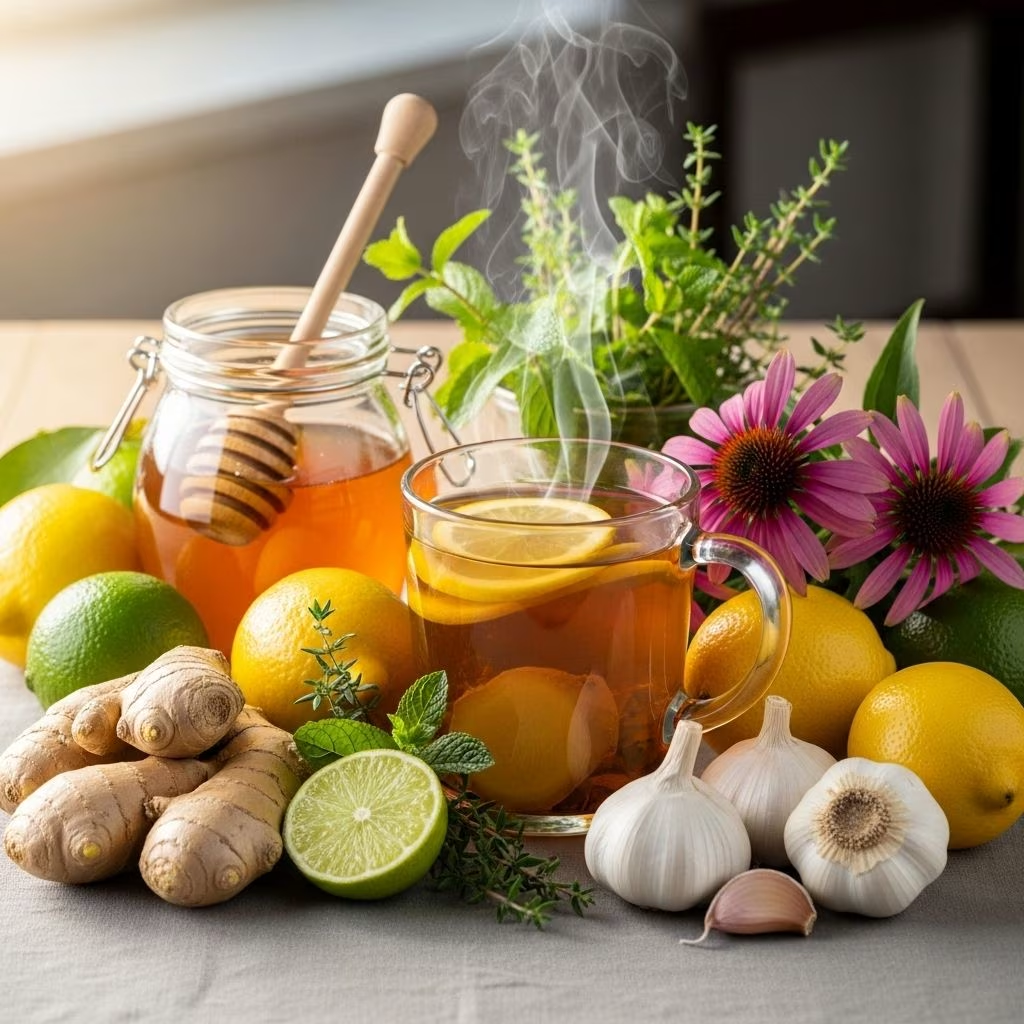
The Best Natural Remedies for the Flu
Influenza, more commonly known as the flu, affects millions each year and can strike quickly, bringing fever, chills, headaches, body aches, fatigue, and respiratory symptoms. While pharmaceutical treatments exist, many turn to natural remedies for safe, gentle symptom relief, faster recovery, and immune support. This comprehensive guide covers the most effective natural strategies backed by research and longstanding tradition, practical tips for home care, and answers to frequently asked questions—all designed to help you navigate flu season safely and comfortably.
Understanding the Flu: What Causes It and How It Spreads
The flu is primarily caused by influenza viruses that circulate each year, peaking in the colder months. Unlike the common cold, flu symptoms generally appear abruptly and are more intense. It’s important to note that antibiotics are ineffective against viral illnesses like influenza; thus, supportive care and symptom management are key.
- Transmission: Person-to-person via respiratory droplets (coughing, sneezing, even talking).
- Key symptoms: Sudden fever, headache, chills, dry cough, sore throat, muscle aches, and profound fatigue.
- Risk groups: Older adults, young children, pregnant women, and those with chronic illnesses face higher risk for complications.
Core Natural Remedies for Flu Symptom Relief
Several time-tested, research-supported natural strategies provide relief from flu discomfort and may even help shorten the duration of illness. Here are the most recommended approaches:
1. Hydration: Water, Herbal Teas, and Broth
Maintaining fluid intake is the foundation of flu recovery. Water keeps mucus thin, soothes dehydration, and supports all bodily functions. Other choices offer additional benefits:
- Warm broth: Chicken or vegetable broth soothes sore throats, hydrates, and delivers minerals and nutrients that support the immune system.
- Herbal teas: Ginger, peppermint, elderberry, and chamomile teas provide warmth, hydration, and natural anti-inflammatory or antiviral properties.
- Fresh juices and coconut water: Supply electrolytes and vitamins, especially if fever or vomiting is present.
Tip: Clear, pale urine signals enough hydration. Deep yellow urine suggests dehydration.
2. Rest
Allowing your body to rest is crucial. Sleep helps immune cells fight the influenza virus and promotes faster healing. Avoid strenuous activities and try to get as much restorative sleep as possible.
3. Warm Steam and Humidification
- Steam inhalation: Breathing steam from a bowl of hot water or a vaporizer loosens mucus and eases congestion.
- Humidifiers: Adding moisture to dry winter air soothes irritated respiratory linings, making breathing easier.
- Essential oils: A few drops of eucalyptus or peppermint oil in the steam water may offer added comfort via their cooling and anti-inflammatory effects.
4. Saltwater Gargle
Gargling with a warm salt water solution is effective for soothing sore, inflamed throats. To make:
- Mix half a teaspoon of salt in a cup of warm water.
- Gargle for 30 seconds, repeat several times daily.
This helps kill surface bacteria, reduce swelling, and break up thick secretions.
5. Honey and Lemon: Dual Action Relief
Honey is a natural antibacterial agent and cough suppressant; lemon, rich in vitamin C, bolsters immunity and soothes throat discomfort.
- Add a spoonful of honey and a squeeze of lemon juice to warm water or herbal tea.
- Children under one year should not be given honey due to botulism risk.
6. Ginger Tea
Ginger boasts anti-inflammatory and antiviral effects, helping ease sore throat and nausea.
- Boil fresh ginger slices in water for 10 minutes, strain, and add honey and lemon for flavor and added benefits.
7. Nourishing Soups and Bland Foods
- Chicken soup: Provides hydration, warmth, vital nutrients, and helps clear congestion.
- Bland foods: Such as oatmeal, bananas, applesauce, and rice are easy to digest and gentle on upset stomachs.
These options support nutritional needs when appetite is low.
8. Nasal Irrigation and Natural Nasal Sprays
Nasal irrigation (using a saline solution) and natural nasal sprays help relieve nasal congestion by clearing out mucus and soothing tissues. Choose a spray made from pure saline or seawater, free of chemical additives.
Boosting Immunity During Flu Season
Supporting your immune health before and during flu is key—certain nutrients and botanicals are especially helpful:
- Vitamin C: Found in citrus fruits, berries, and leafy greens. While it doesn’t prevent the flu outright, it may help shorten duration and support immune cell function.
- Zinc: Shown to reduce flu and cold severity and duration when taken early. Available as lozenges or in foods like nuts, seafood, and whole grains. Don’t exceed 20 mg/day to avoid nausea or toxicity.
- Elderberry: Traditionally used for its antiviral and immune-enhancing properties, often available as syrups or supplements.
Most experts advise focusing on nutrient-rich foods over supplements whenever possible. Always follow product instructions, and consult a healthcare provider if unsure.
Safe Home Practices and Supportive Strategies
- Fresh air: Open windows for gentle ventilation to reduce pathogen buildup indoors.
- Avoid smoking: Smoke further irritates airways and slows healing.
- Breathe easy: Prop yourself upright with pillows to improve breathing and reduce nighttime coughing.
- Monitor symptoms: Keep track of temperature, hydration level, and signs of complications.
When to Seek Medical Help
While most flu cases resolve at home, certain symptoms mean you should seek professional care promptly:
- Persistent high fever (>102°F), dizziness, or confusion.
- Difficulty breathing, chest pain, or persistent vomiting.
- Severe dehydration (no urination, dark urine, dry mouth, sunken eyes).
- Flu in high-risk individuals: Elderly, very young, pregnant, or those with chronic health conditions.
Avoiding Common Myths About Flu and Natural Remedies
- Antibiotics: These do not treat viral flu. Only use if a bacterial infection occurs (such as pneumonia, diagnosed by your doctor).
- Large vitamin doses: Mega-doses of vitamin C or zinc don’t prevent flu and can be toxic. Stick with recommended amounts.
- Dietary or herbal claims: Many natural products lack strong scientific evidence. Prioritize proven remedies for best results.
Frequently Asked Questions About Natural Flu Remedies
- Q: How can I tell if I have the flu versus a common cold?
- Flu symptoms typically start abruptly with fever, chills, and severe body aches, while a cold develops gradually and is milder, often with a runny nose and minimal fever.
- Q: Are herbal supplements effective against the flu?
- Research shows some promise for elderberry, echinacea, and ginger, but results are mixed. Use as an adjunct to supportive care after consulting a qualified practitioner.
- Q: Can children use natural remedies?
- Most natural remedies are safe for children, except honey (only for age 1+). Consult a pediatrician if the child is under six months or has high fever, persistent symptoms, or trouble breathing.
- Q: Should I exercise during the flu?
- Light stretching or walking when symptoms are mild can help circulation, but strenuous exercise may prolong recovery. Prioritize rest until fully recovered.
- Q: What foods should I avoid during the flu?
- Avoid caffeine, alcohol, deep-fried foods, and heavy dairy, as they can dehydrate or irritate your throat and digestive system.
Table: Best Natural Flu Remedies at a Glance
| Remedy | Primary Benefit | Notes |
|---|---|---|
| Hydration (water, broth) | Keeps throat moist, loosens mucus | Most critical for recovery |
| Rest | Supports immune healing | Essential for adults and children |
| Steam inhalation | Relieves congestion | Can add safe essential oils |
| Saltwater gargle | Soothes sore throat | Repeat multiple times daily |
| Honey & Lemon | Soothe throat, suppress cough | No honey for infants under 1 year |
| Ginger tea | Anti-inflammatory, reduces nausea | Safe for most adults and older children |
| Chicken soup | Hydrating, nutritious, comforting | Classic remedy, easy to digest |
| Vitamin C/Zinc | Supports immunity | Do not exceed recommended doses |
| Nasal irrigation | Clears congestion | Choose chemical-free saline sprays |
Everyday Actions to Prevent the Flu
- Wash hands frequently with soap and water for at least 20 seconds.
- Avoid close contact with sick individuals or crowded indoor environments during peak flu season.
- Maintain a healthy lifestyle: Eat nutritious meals, exercise moderately, and get enough sleep.
- Disinfect common surfaces: Flu viruses can survive on surfaces for hours—clean phones, keyboards, and doorknobs regularly.
- Vaccination: An annual flu shot remains the most effective method to reduce risk and severity for many people.
Final Thoughts
Natural remedies do not “cure” the flu, but evidence shows they can ease suffering, speed recovery, and help you feel more comfortable as your immune system does the work. Use these holistic tools as part of an integrated approach—combining smart nutrition, rest, and supportive care. When in doubt, seek guidance from a healthcare professional, especially if symptoms escalate or underlying risk factors are present. The art of anti-aging and wellness starts with honoring your body’s capacity to heal—and giving it the resources it needs to do so naturally.
References
- https://www.healthline.com/health/natural-flu-remedies
- https://www.elliothospital.org/about-us/newsroom/news/cold-and-flu-home-remedies-natural-treatments-and-when-seek-help-virtualer
- https://www.mayoclinic.org/diseases-conditions/common-cold/in-depth/cold-remedies/art-20046403
- https://www.physiomer.com/flu-symptoms-and-natural-remedies/
- https://www.nccih.nih.gov/health/tips/tips-natural-products-for-the-flu-and-colds-what-does-the-science-say
- https://www.colgate.edu/student-life/health-and-wellness/shaw-wellness-institute/gate-wellness-blog/flu-season-holistic
- https://rezahealth.com/blog/natural-remedies-and-myths-about-the-flu/
- https://www.cdc.gov/flu/prevention/actions-prevent-flu.html
- https://www.webmd.com/cold-and-flu/features/treating-flu-at-home


