


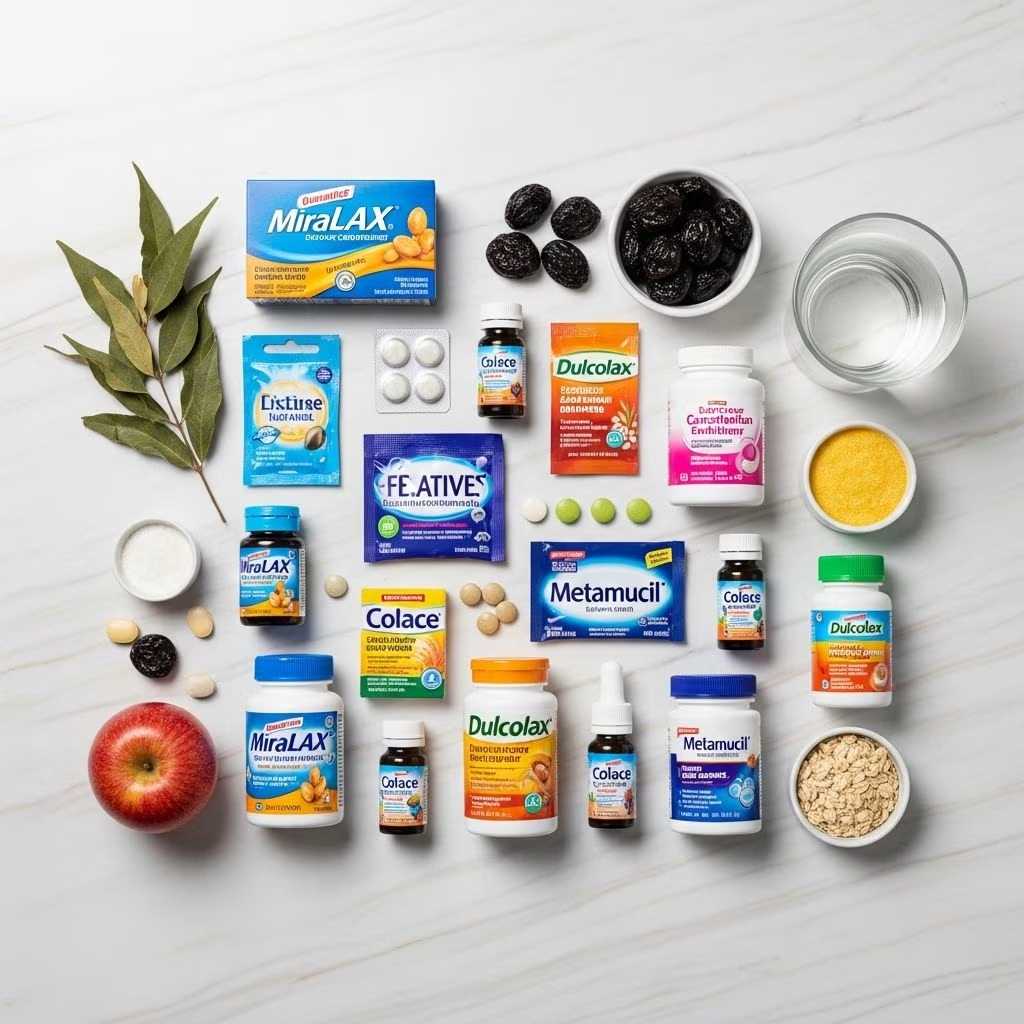
Constipation affects millions of people worldwide and can significantly impact quality of life. When dietary changes and lifestyle modifications aren’t enough, over-the-counter constipation remedies offer accessible and effective relief. This comprehensive guide explores the various types of OTC treatments available, their effectiveness based on scientific evidence, and how to choose the right option for your specific needs.
Understanding Constipation and When to Seek Treatment
Constipation is generally defined as having fewer than three bowel movements per week, accompanied by symptoms such as hard or lumpy stools, straining during bowel movements, and a feeling of incomplete evacuation. While occasional constipation is common and often resolves on its own, chronic constipation lasting several weeks may require intervention.
The causes of constipation are varied and can include inadequate fiber intake, insufficient fluid consumption, lack of physical activity, certain medications, medical conditions, and age-related changes in digestive function. Understanding the underlying cause can help determine the most appropriate treatment approach.
Before turning to medication, healthcare providers typically recommend lifestyle modifications as the first line of treatment. These include increasing dietary fiber intake to 25-35 grams daily, drinking adequate fluids, engaging in regular physical activity, and establishing consistent bathroom habits. When these measures prove insufficient, over-the-counter remedies become a valuable option.
Types of Over-the-Counter Constipation Remedies
The marketplace offers several categories of OTC constipation remedies, each working through different mechanisms to promote bowel movements. Understanding how these products work can help you make an informed choice about which type might be most suitable for your situation.
Osmotic Laxatives
Osmotic laxatives work by drawing water into the colon, which softens stool and stimulates bowel movements. These products are generally considered safe for longer-term use and include several subcategories.
Polyethylene Glycol (PEG) is widely regarded as one of the most effective osmotic laxatives available without prescription. Brands like MiraLAX have demonstrated excellent safety profiles and efficacy in multiple clinical trials. PEG works by retaining water in the stool, making it softer and easier to pass without causing significant electrolyte disturbances.
Magnesium-based laxatives include products like Phillips’ Milk of Magnesia and magnesium oxide supplements. These work by drawing water into the intestines and can provide relatively quick relief, typically within 6-12 hours. However, they may cause more cramping and should be used cautiously by individuals with kidney problems.
Lactulose is a synthetic sugar that bacteria in the colon break down, creating an osmotic effect. While effective, it may cause more gas and bloating compared to PEG.
Bulk-Forming Laxatives
Also known as fiber supplements, bulk-forming laxatives absorb water in the intestines to create larger, softer stools that are easier to pass. These products closely mimic the natural action of dietary fiber and are generally considered the gentlest option.
Psyllium husk products like Metamucil are among the most popular fiber supplements. They contain soluble fiber that forms a gel-like substance when mixed with water, helping to normalize stool consistency.
Methylcellulose products such as Citrucel provide synthetic fiber that doesn’t ferment in the colon, potentially causing less gas than natural fiber supplements.
Polycarbophil products like FiberCon can absorb many times their weight in water and help regulate both constipation and diarrhea.
Stimulant Laxatives
Stimulant laxatives work by triggering contractions in the intestinal muscles, promoting bowel movements through increased peristalsis. While effective, they’re generally recommended for short-term use only.
Senna is a natural stimulant derived from the senna plant, available in products like Senokot. It typically produces bowel movements within 6-12 hours and has good evidence supporting its effectiveness for chronic constipation.
Bisacodyl is available in both oral tablets (like Dulcolax) and rectal suppositories. The oral form usually works within 6-12 hours, while suppositories act more quickly, within 15-60 minutes.
Sodium picosulfate is another stimulant laxative that has shown effectiveness in clinical trials, though it may be less commonly available than senna or bisacodyl.
Stool Softeners
Stool softeners work by allowing water and fats to penetrate the stool, making it softer and easier to pass. The most common ingredient in this category is docusate sodium, found in products like Colace.
While stool softeners are gentle and generally safe for longer-term use, clinical evidence for their effectiveness in treating constipation is limited. They may be more beneficial for preventing constipation rather than treating existing symptoms.
Combination Products
Many OTC products combine different types of laxatives to provide multiple mechanisms of action. For example, some products combine a stimulant with a stool softener, aiming to provide both immediate relief and easier passage of stool.
Evidence-Based Recommendations for OTC Laxatives
A comprehensive systematic review of over-the-counter therapies for chronic constipation has provided valuable insights into which products have the strongest scientific evidence supporting their use.
Grade A Recommendations (Good Evidence)
Polyethylene Glycol (PEG) received the highest recommendation grade based on multiple high-quality, placebo-controlled trials. PEG demonstrated superior or similar efficacy compared to other OTC and prescription therapies while maintaining an excellent safety profile for both short-term and long-term use.
Senna also received a Grade A recommendation, with good evidence supporting its effectiveness for chronic constipation. However, as a stimulant laxative, it’s generally recommended for shorter-term use compared to PEG.
Grade B Recommendations (Moderate Evidence)
Several products received Grade B recommendations based on moderate evidence:
Psyllium showed modest efficacy in clinical trials, though head-to-head comparisons suggested it may be inferior to some other agents like PEG and lactulose.
Magnesium salts, including magnesium oxide and magnesium-rich water, demonstrated effectiveness with moderate evidence quality.
Bisacodyl and sodium picosulfate as stimulant laxatives showed good effectiveness, though with considerations for short-term use.
Fruit-based remedies including kiwi, mango, prunes, and ficus showed promising results in clinical studies.
Products with Insufficient Evidence
Some popular fiber supplements, including polydextrose, inulin, and fructo-oligosaccharides, received insufficient evidence grades, indicating that more rigorous studies are needed to establish their effectiveness.
Notably, docusate (the active ingredient in many stool softeners) lacks well-controlled trials demonstrating efficacy and has poor evidence to support its use in clinical practice despite its widespread availability and use.
Natural and Dietary Alternatives
Before or alongside OTC medications, many people find relief through natural approaches that can be gentler on the digestive system and provide long-term benefits.
Dietary Fiber
Increasing dietary fiber intake remains the foundation of constipation prevention and treatment. Soluble fiber sources like oats, apples, and legumes help form soft, bulky stools, while insoluble fiber from vegetables, whole grains, and nuts adds bulk and speeds transit time through the digestive system.
Hydration
Adequate fluid intake is crucial for preventing and treating constipation. Water helps soften stool and supports the fiber’s action in the digestive system. Alongside water, certain beverages like prune juice have mild laxative effects due to their sorbitol content.
Specific Foods with Laxative Properties
Prunes have long been recognized for their effectiveness in treating constipation. They contain fiber, sorbitol, and phenolic compounds that promote bowel movements.
Kiwi fruit has shown promising results in clinical studies, with both the fiber content and unique enzymes contributing to improved bowel function.
Coffee can stimulate bowel movements in many people, likely due to its effect on colon contractions and the release of hormones like gastrin.
Probiotics and Fermented Foods
Certain probiotic strains and fermented foods may help improve bowel regularity by supporting healthy gut bacteria and digestive function. Yogurt with specific additives like galacto-oligosaccharides has shown effectiveness in some studies.
Safety Considerations and Side Effects
While OTC constipation remedies are generally safe when used as directed, understanding potential side effects and safety considerations is important for making informed decisions.
Common Side Effects
Most laxatives can cause digestive side effects, including:
Bloating and gas are particularly common with fiber supplements, especially when starting treatment or not drinking adequate fluids.
Cramping and abdominal discomfort may occur with stimulant laxatives and osmotic agents.
Diarrhea can result from taking too high a dose or using products that work too quickly for an individual’s system.
Nausea may accompany various types of laxatives, particularly at higher doses.
Long-term Use Considerations
While some laxatives like PEG and fiber supplements are generally safe for extended use, others require more caution:
Stimulant laxatives may lead to dependence if used regularly over extended periods, potentially weakening the colon’s natural ability to contract.
Magnesium-based products can cause electrolyte imbalances, particularly in people with kidney problems or those taking certain medications.
Excessive use of any laxative can lead to dehydration and electrolyte disturbances, which can be serious.
Drug Interactions
Laxatives can affect the absorption and effectiveness of other medications. It’s important to space laxative use away from other medications, typically by at least two hours, and consult with a healthcare provider about potential interactions.
Special Populations
Pregnant and breastfeeding women should consult healthcare providers before using laxatives, as some ingredients may not be recommended during these periods.
Children require age-appropriate formulations and dosing, with many adult products not suitable for pediatric use.
Older adults may be more susceptible to side effects and should start with gentler options like fiber supplements or PEG.
Choosing the Right Remedy for Your Situation
Selecting the most appropriate OTC constipation remedy depends on several factors, including the severity and duration of symptoms, underlying health conditions, and individual tolerance.
For Occasional Constipation
For infrequent episodes of constipation, gentle approaches are typically preferred:
Fiber supplements like psyllium can help normalize bowel function while providing long-term digestive health benefits.
Osmotic laxatives like PEG provide effective relief with minimal side effects and can be used safely for short periods.
For Chronic Constipation
For ongoing constipation issues:
PEG (polyethylene glycol) is the top choice based on scientific evidence, offering effective relief with excellent safety for longer-term use.
Daily fiber supplementation can help establish regular bowel habits and prevent future episodes.
Lifestyle modifications should accompany any medication approach for sustainable results.
For Quick Relief
When rapid relief is needed:
Stimulant laxatives like senna or bisacodyl can provide relatively quick results, typically within 6-12 hours.
Rectal suppositories work even faster, usually within 15-60 minutes, but should be used sparingly.
Starting Treatment
When beginning any laxative treatment:
Start with the gentlest option that’s likely to be effective for your situation. Fiber supplements are often the best starting point for mild constipation, while PEG may be more appropriate for moderate to severe symptoms.
Begin with the lowest recommended dose and increase gradually if needed. This approach helps minimize side effects while finding the effective dose for your individual needs.
Ensure adequate fluid intake, particularly when using fiber supplements or osmotic laxatives, as these products require water to work effectively.
When to Consult a Healthcare Provider
While OTC constipation remedies are generally safe and effective for occasional use, certain situations warrant professional medical attention.
Red Flag Symptoms
Seek immediate medical care if constipation is accompanied by:
Severe abdominal pain that doesn’t improve with bowel movements
Blood in the stool or black, tarry stools
Persistent vomiting or inability to keep fluids down
Signs of dehydration including dizziness, dry mouth, or decreased urination
Sudden onset of severe constipation in someone with previously regular bowel habits
Chronic Issues
Consider consulting a healthcare provider if:
Constipation persists despite trying appropriate OTC treatments for several weeks
You find yourself relying on laxatives regularly to have bowel movements
Symptoms include significant bloating, gas, or abdominal discomfort that interferes with daily activities
You have underlying health conditions that might be contributing to constipation
Medication Considerations
Professional guidance is valuable when:
You take prescription medications that might interact with laxatives
You have medical conditions like kidney disease, heart problems, or diabetes that might affect laxative choice
You’re pregnant, breastfeeding, or caring for a child with constipation
Frequently Asked Questions
Q: How long can I safely use over-the-counter laxatives?
A: The duration depends on the type of laxative. Fiber supplements and PEG can generally be used long-term safely, while stimulant laxatives should typically be limited to short-term use (less than a week) unless directed by a healthcare provider. Always follow package directions and consult a doctor for chronic constipation.
Q: Can I take different types of laxatives together?
A: It’s generally not recommended to combine different laxatives without medical supervision, as this can increase the risk of side effects like diarrhea, dehydration, and electrolyte imbalances. If one type isn’t working, consult a healthcare provider rather than adding another.
Q: Why didn’t the laxative work for me?
A: Several factors can affect laxative effectiveness, including inadequate fluid intake, incorrect dosing, underlying medical conditions, or severe constipation requiring prescription treatment. Make sure you’re drinking enough water and following directions carefully. If problems persist, consult a healthcare provider.
Q: Are natural remedies as effective as OTC medications?
A: Some natural approaches like prunes, kiwi fruit, and adequate fiber intake have good scientific evidence supporting their effectiveness. However, for more severe constipation, OTC medications like PEG may be more reliable. Natural approaches work best as part of an overall strategy including proper hydration and exercise.
Q: What’s the difference between stool softeners and laxatives?
A: Stool softeners (like docusate) work by allowing water into the stool to make it softer, while laxatives encompass broader categories that also stimulate bowel movements or draw water into the intestines. Despite being popular, stool softeners have limited clinical evidence for effectiveness compared to other OTC options.
Q: Can laxatives cause dependence?
A: Stimulant laxatives can potentially cause dependence if used regularly over extended periods, as the colon may become less responsive to natural signals. Osmotic laxatives like PEG and fiber supplements are less likely to cause dependence. If you find yourself needing laxatives regularly, consult a healthcare provider to address underlying causes.
Over-the-counter constipation remedies offer effective and accessible treatment options for millions of people experiencing digestive difficulties. The key to successful treatment lies in understanding the different types of products available, their mechanisms of action, and the scientific evidence supporting their use. Polyethylene glycol and senna stand out as the most evidence-based options, while fiber supplements provide gentle, long-term support for digestive health.
Remember that while OTC treatments can provide valuable relief, they work best as part of a comprehensive approach that includes adequate hydration, regular exercise, and a fiber-rich diet. When constipation persists or is accompanied by concerning symptoms, professional medical evaluation is important to rule out underlying conditions and develop an appropriate treatment plan. With the right approach, most people can find effective relief and return to comfortable, regular bowel function.
References
- https://pmc.ncbi.nlm.nih.gov/articles/PMC8191753/
- https://www.templehealth.org/about/blog/doctor-approved-home-remedies-constipation
- https://www.mayoclinic.org/diseases-conditions/constipation/in-depth/laxatives/art-20045906
- https://www.medicalnewstoday.com/articles/best-medication-for-constipation
- https://my.clevelandclinic.org/health/treatments/25121-laxatives
- https://www.goodrx.com/conditions/constipation/best-medications-treat-constipation
- https://www.healthline.com/health/constipation/stool-softeners-laxatives
- https://pmc.ncbi.nlm.nih.gov/articles/PMC3206558/
- https://www.nhs.uk/medicines/laxatives/
- https://newsnetwork.mayoclinic.org/discussion/mayo-clinic-q-and-a-dealing-with-chronic-constipation/


