


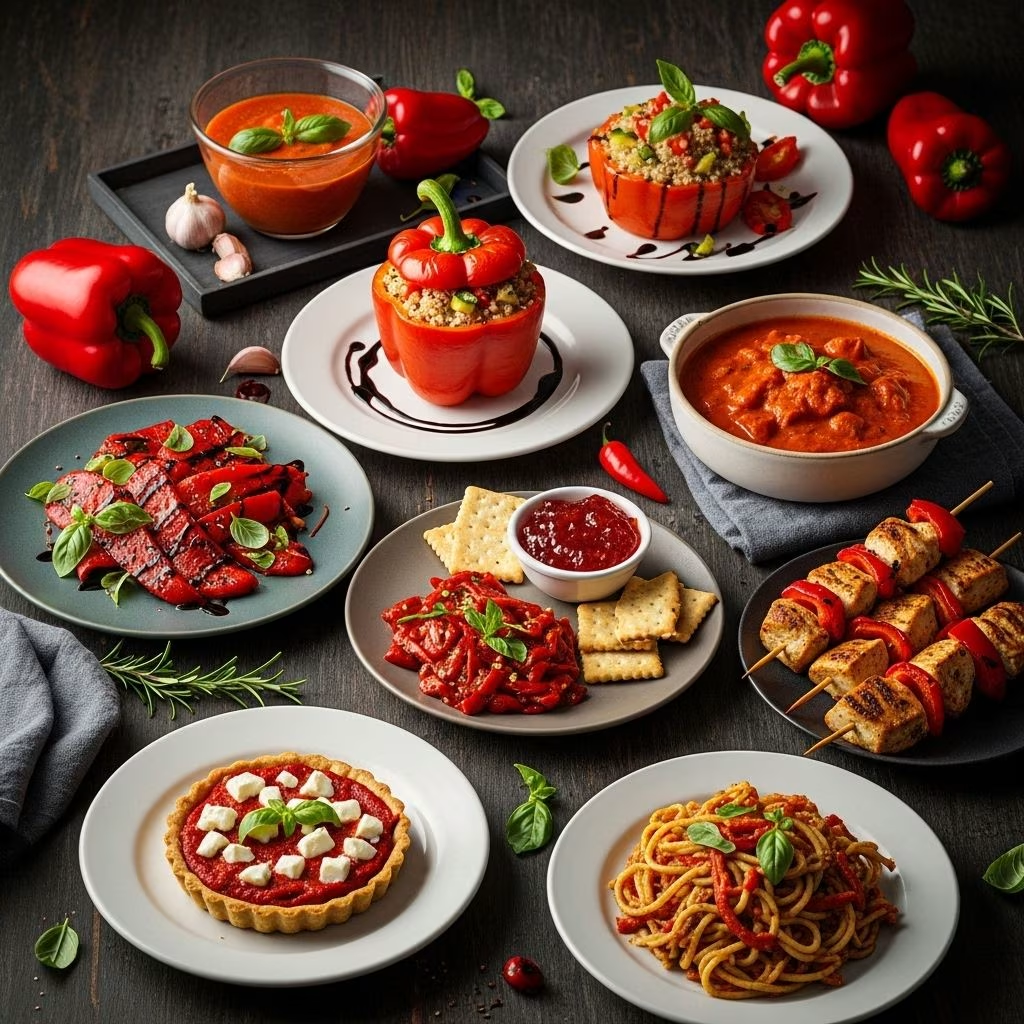
Red bell peppers are prized for their sweet flavor, vibrant color, and exceptional versatility. From simple sides to show-stopping main dishes, bell peppers elevate any meal. In this comprehensive guide, discover the best red pepper recipes and master techniques to cook bell peppers perfectly every time.
Why Red Bell Peppers Matter
Red bell peppers are not only delicious but packed with nutrients and are among the sweetest varieties of bell peppers. As they ripen, green peppers become red, gaining natural sugars and antioxidants. Their versatility—raw, roasted, grilled, or sautéed—makes them a staple in global cuisines.
- Bright color enhances visual appeal.
- Rich source of vitamin C and pro-vitamin A.
- Low in calories, suitable for many diets.
Red Bell Pepper Basics
Red bell peppers are available year-round, but their peak season is late summer through fall. Choose peppers that are:
- Deep red, smooth, and glossy
- Heavy for their size
- Firm, free from blemishes and soft spots
Washing thoroughly before using is essential, as bell peppers often retain traces of soil near the stem.
How to Cook Red Bell Peppers Perfectly
Achieving perfectly cooked red bell peppers depends on your preferred method—roasting, grilling, sautéing, or broiling. Below, find expert guidance for each.
Oven Roasting: The Easiest Method
- Preheat oven to 450°F (230°C).
- Slice peppers into quarters, removing seeds and membranes.
- Drizzle with olive oil and toss to coat.
- Season with salt, pepper, garlic powder, dried oregano, and red pepper flakes.
- Arrange on a rimmed baking sheet lined with parchment paper or foil.
- Roast for 20 minutes until tender and slightly charred.
- No need to turn halfway or peel after roasting.
Broiling: For Smoky, Charred Skin
- Preheat broiler and position peppers on a foil-lined baking sheet.
- Rotate peppers every 5 minutes until all sides are blackened and blistered (15–20 minutes).
- Transfer hot peppers to a brown paper bag or covered bowl for 5 minutes—this steaming step loosens their skin.
- Peel off charred skins, remove stems and seeds. Slice as desired.
Grilling: Maximum Sweetness
- Cut peppers in half lengthwise and remove seeds.
- Place cut-side down on a hot grill (about 500°F).
- Grill until skins are well charred (20–30 minutes).
- Peel and use as directed.
Stovetop: Quick and Practical
- Char peppers directly over a gas flame or in a grill pan, turning to blacken all sides.
- Steam briefly to loosen skin.
- Peel and season.
Tips for Perfect Cooking
- Don’t overcrowd: Give peppers space on the tray for even roasting.
- Peeling (optional): Roasting or broiling makes peeling easy; leaving skins adds fiber and texture.
- Serve warm for fullest flavor; cold peppers may taste muted.
Best Red Pepper Recipes
Red peppers shine in countless dishes. Below are top recipes, each featuring different cooking techniques and flavor profiles.
1. Classic Roasted Red Peppers
- Quarters or strips of roasted peppers tossed with olive oil, garlic, oregano, fresh basil, and sea salt.
- Serve as a side, in sandwiches, salads, pastas, or atop crusty bread.
- Store refrigerated for 3–4 days.
2. Roasted Pepper and Feta Dip
- Purée roasted red peppers with feta cheese, olive oil, and parsley.
- Serve as a colorful, tangy spread for vegetables or pita.
3. Mediterranean Stuffed Peppers
- Halve and roast red bell peppers until softened.
- Fill with a mixture of quinoa or rice, sautéed onions, tomatoes, olives, and cheese.
- Bake until golden.
4. Sweet Pepper & Gruyère Paninis
- Layer roasted red peppers with sautéed Swiss chard and Gruyère cheese in a panini press.
- Serve crisp and melty.
5. Red Pepper Pasta Sauce
- Blend roasted peppers with garlic, onion, and extra virgin olive oil for a silky sauce.
- Toss with pasta and sprinkle with fresh herbs.
6. Bell Pepper Quiche
- Incorporate sliced roasted peppers in a savory quiche with cream, eggs, cheese, and herbs.
- Bake until set and golden.
7. Oven-Roasted Bell Peppers (Weeknight Version)
- Combine red, yellow, and green bell peppers for visual appeal.
- Season generously and roast until tender; a simple, bold-flavored side.
8. Tex-Mex Roasted Pepper Variation
- Add chili powder and swap oregano for cumin for a spicy, southwestern profile.
9. Roasted Pepper & Chickpea Salad
- Toss strips of roasted peppers with cooked chickpeas, onions, parsley, and lemon-olive oil dressing.
Creative Ways to Use Roasted Red Peppers
Once you have roasted red peppers on hand, possibilities are endless:
- Sandwiches: Layer with cheese, greens, or cold cuts.
- Pasta: Stir into pasta dishes for sweetness and color.
- Pizza Toppings: Add strips atop pizzas before baking.
- Omelets & Quiches: Fold into egg dishes for flavor.
- Tapas & Antipasti: Serve with olives and crusty bread.
- Salads: Mix with grains, greens, or beans for hearty salads.
- Dip Base: Puree for spreads or dips.
Nutrition & Health Benefits
Red bell peppers are a nutritional powerhouse, offering:
- High vitamin C content (over 150% daily value in one medium pepper)
- Excellent source of vitamin A (beneficial for eyesight and immune function)
- Antioxidants including beta-carotene and lutein
- Low calorie (approx. 45 calories per medium pepper)
- Dietary fiber, supporting healthy digestion
Storage Tips
- Store raw bell peppers in the fridge’s vegetable drawer for up to 1 week.
- Roasted and peeled peppers (plain or marinated in olive oil) keep in a sealed container refrigerated for 3–4 days.
- For extended storage, cover roasted peppers in olive oil and store in a jar for up to 2 weeks.
Frequently Asked Questions
Q: Do I need to peel roasted red peppers?
A: Peeling is optional. Roasting or broiling loosens the skin; some prefer the peel left on for extra fiber and texture.
Q: Can different colored bell peppers be used interchangeably in recipes?
A: Yes, though red bell peppers are sweeter, using multiple colors creates flavor variety and visual appeal.
Q: Is it necessary to turn peppers halfway during roasting?
A: No for oven roasting; yes for broiling and grilling where exposure to the heat source varies.
Q: How can I store leftover roasted peppers?
A: Place in an airtight container and refrigerate; adding olive oil enhances flavor and shelf life.
Q: What herbs go best with roasted red peppers?
A: Oregano, basil, parsley, thyme, and fresh garlic are classic pairings.
Q: Can I freeze roasted red peppers?
A: Roasted peppers freeze well for up to 6 months. Thaw overnight in the fridge and drain excess liquid before use.
Expert Variations & Tips
- Butter instead of olive oil: Use melted butter to coat peppers for a rich finish.
- Try cheese: Sprinkle roasted pepper strips with grated parmesan during the last 10 minutes of roasting.
- Herbs: Swap oregano for thyme, tarragon, or rosemary for different profiles.
- Heat: Add chili flakes or powder for a spicy kick.
Bell Peppers in Global Cuisine
Bell peppers appear in countless international dishes:
- Spanish: Escalivada & Romesco sauce
- Italian: Peperonata, antipasto platters
- Mediterranean: Stuffed peppers, roasted peppers in mezze spreads
- Tex-Mex: Fajitas, salsas, and grilled vegetable sides
Red Pepper Cooking Methods: Summary Table
| Method | Prep | Cooking Time | Flavor Profile | Best For |
|---|---|---|---|---|
| Oven Roasting | Quarter and season | 20 minutes | Sweet, tender, slightly charred | Salads, sides, antipasti |
| Broiling | Whole or halved, rotate | 15–20 minutes | Smoky, deeply flavored | Peeling, marinating, dips |
| Grilling | Halved, direct heat | 20–30 minutes | Intense sweetness, charred | Sandwiches, salads, spreads |
| Stovetop Flame | Whole or strips | 10–15 minutes | Charred, tender | Toppings, quick sides |
Final Tips for Cooking Red Peppers
- Season generously—a red pepper’s sweetness is enhanced by salt and olive oil.
- Don’t undercook: Insufficient time results in tough, bland peppers.
- For appetizers, serve roasted peppers at room temperature to maximize flavor.
Ready to Cook?
Whether you’re roasting, grilling, or stuffing, red bell peppers offer endless possibilities. Stock your kitchen with fresh peppers and start experimenting—your taste buds (and dinner guests) will thank you!
References
- https://healthyrecipesblogs.com/roasted-bell-peppers/
- https://www.thelazyitalian.com/roasted-red-bell-peppers/
- https://alexandracooks.com/2008/08/14/how-to-roast-peppers/
- https://www.loveandlemons.com/roasted-red-peppers/
- https://www.fannetasticfood.com/healthy-bell-pepper-recipes/
- https://kaylacappiello.com/20-easy-bell-pepper-recipes-you-need-to-make/


