


Table of Content
\n
- \n
- What is Betaine?
- Benefits of Betaine
- Uses of Betaine
- Taste and Preparation
- Frequently Asked Questions
\n
\n
\n
\n
\n
\n\n
What is Betaine?
\n
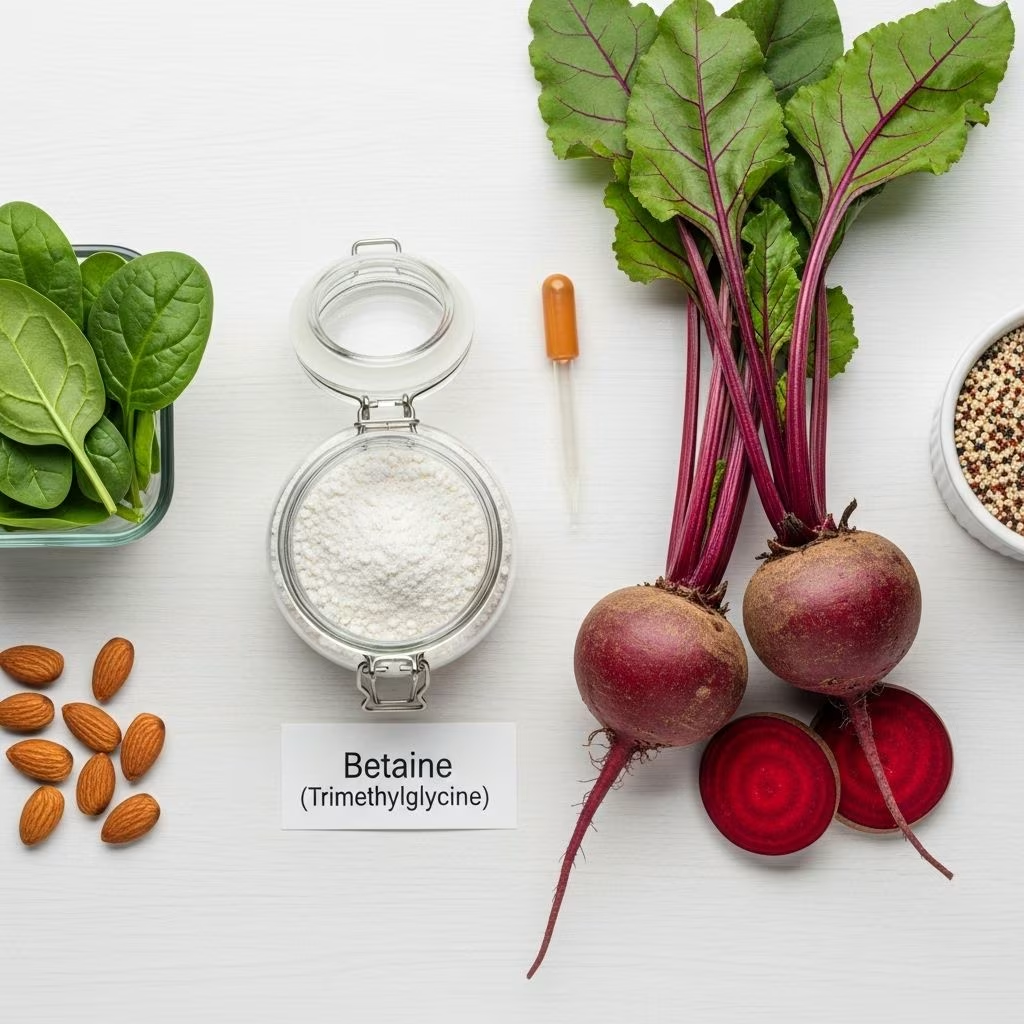
Betaine, also known as trimethylglycine, is a naturally occurring compound derived from glycine with three additional methyl groups. Historically, it was first isolated from sugar beets, which led to its naming. Betaine is a modified amino acid that acts as a methyl donor in various metabolic processes, including methylation reactions. It plays a crucial role in the methionine cycle, where it helps convert homocysteine back into methionine through a methylation reaction catalyzed by the enzyme betaine-homocysteine methyltransferase (BHMT). This process is important for maintaining healthy levels of homocysteine, which is linked to cardiovascular health when elevated.
\n\n
Pronunciation and Origin
\n
The name \”betaine\” originates from its discovery in beet sugar (Beta vulgaris), and not from the Greek letter beta (β). It is commonly pronounced as beta-INE or BEE-tayn. Its modified structure makes it a zwitterion, meaning it carries both positive and negative charges but is overall neutral.
\n\n
Benefits of Betaine
\n
Betaine offers several health benefits, including:
\n
- \n
- Cardiovascular Health: Betaine helps lower homocysteine levels in the blood, which is associated with a reduced risk of cardiovascular diseases.
- Liver Health: It supports liver function and detoxification processes.
- Exercise Performance: Betaine supplementation can enhance exercise performance by improving muscle strength, endurance, and lowering fatigue.
- Cell Volume Regulation: It helps maintain cell hydration and osmotic balance.
\n
\n
\n
\n
\n\n
Uses of Betaine
\n
Betaine is used in various forms:
\n
- \n
- Dietary Source: Found in foods like sugar beets, wheat bran, spinach, and shrimp.
- Supplementation: Available as a dietary supplement to support health benefits.
- Pharmaceutical Applications: Used in some medical treatments for conditions related to homocysteine levels.
\n
\n
\n
\n\n
Production from Choline
\n
Betaine is naturally produced in the body from choline through a two-stage process involving the enzymes choline dehydrogenase (CHDH) and betaine aldehyde dehydrogenase (BADH). Variations in the CHDH gene can affect betaine production, influencing dietary needs.
\n\n
Taste and Preparation
\n
Betaine supplements are available in powder or capsule forms and are generally considered to have a mild, slightly sweet taste that is often described as neutral or bland. It is often used in food products to enhance moisture retention and texture.
\n\n
Frequently Asked Questions
\n
Q: What foods contain betaine?
\n
A: Betaine is found in foods like sugar beets, wheat bran, spinach, and shrimp.
\n\n
Q: How is betaine used in the body?
\n
A: Betaine is used in methylation reactions, particularly in converting homocysteine to methionine, supporting cardiovascular health and liver function.
\n\n
Q: Can betaine be made in the body?
\n
A: Yes, betaine is synthesized from choline in the body through specific enzymes.
\n\n
Q: What are the benefits of betaine supplementation?
\n
A: Betaine supplementation can enhance exercise performance, support heart health, and aid in detoxification processes.
References
- https://en.wikipedia.org/wiki/Betaine
- https://www.fitnessgenes.com/blog/your-betaine-requirement-trait
- https://pubchem.ncbi.nlm.nih.gov/compound/Betaine
- https://pubchem.ncbi.nlm.nih.gov/compound/trimethylglycine
- https://www.healthline.com/nutrition/tmg-supplement
- https://www.medchemexpress.com/betaine.html


