


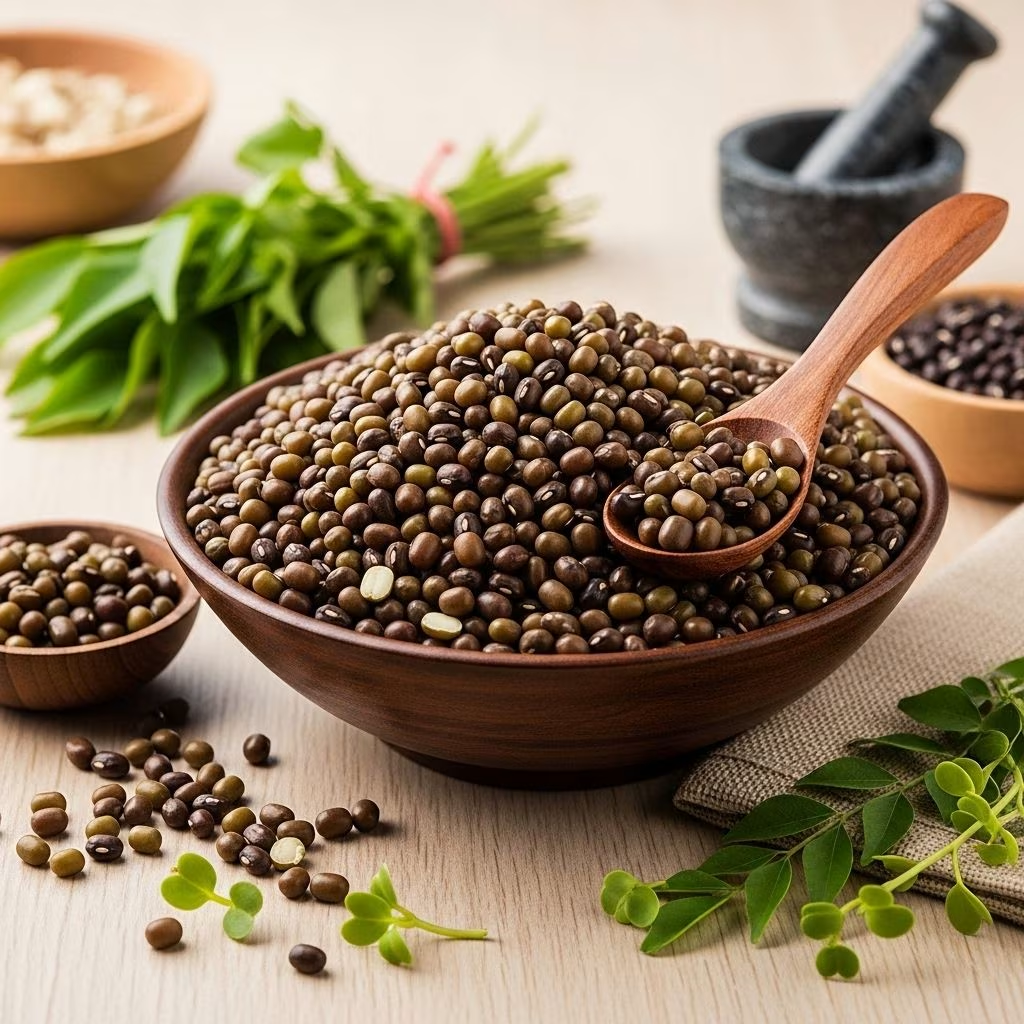
What Is Mungo Bean (Black Gram)?
Mungo bean, commonly known as black gram, Vigna mungo, urad bean, or black matpe, is an ancient pulse native to South Asia and a staple in Indian cuisine. It belongs to the legume family Fabaceae and is one of the most widely cultivated and consumed lentils across India, Nepal, Bangladesh, and surrounding regions. Black gram is distinct in its appearance—small, ellipsoid, and deep black seeds housed in cylindrical, hairy pods. It should not be confused with the smaller true black lentil (Lens culinaris).
Botanical Profile & Cultivation
Black gram is an annual, bushy plant that reaches 30 to 100 centimeters in height. The stem and leaves are densely hairy, and each leaf consists of three oval leaflets. Clusters of small, bright yellow flowers precede the formation of narrow, cylindric seed pods, each containing 4–10 small black seeds. Black gram thrives in loamy or clayey soil with a pH of 4.5–7.5 and requires moderate rainfall (650–900 mm) and a temperature range of 25–35°C for healthy growth.
The plant has a well-developed tap root system, producing nodules that fix atmospheric nitrogen—a key ecological trait, making it valuable in crop rotations or as green manure for soil enrichment.
| Common Names | Black Gram, Urad Bean, Black Matpe, Black Mung Bean |
|---|---|
| Botanical Name | Vigna mungo |
| Family | Fabaceae |
| Height | 30–100 cm |
| Soil Type | Loamy or clayey |
| Soil pH | 4.5–7.5 |
| Rainfall | 650–900 mm |
| Temperature | 25–35°C |
Nutritional Value
Black gram is a nutritional powerhouse, renowned for its high protein content and complementary balance of complex carbohydrates, dietary fiber, vitamins, and minerals. It is a popular food choice among vegetarians and for those seeking plant-based protein sources.
- Protein: 100g of cooked black gram provides approximately 7g of protein.
- Dietary Fiber: Excellent source; supports digestion, gut health, and blood sugar regulation.
- Carbohydrates: Mainly complex; slow-releasing for energy and satiety.
- B Vitamins: Rich in thiamine, niacin, riboflavin, and folic acid, essential for metabolic and nervous function.
- Minerals: Contains iron (for hemoglobin), magnesium (for muscle and nerve function), potassium (for fluid regulation), calcium (for bone health), phosphorus, and zinc.
- Low Glycemic Index (27–43): Beneficial for controlling blood sugar and diabetes management.
Black gram also contains phytochemicals such as polyphenols and saponins, contributing to its health effects and antioxidant capacity.
Health Benefits
Black gram has a long-standing reputation in traditional medicine and as a health food. Its diverse nutrient profile supports multiple aspects of wellness.
- Promotes Muscle Growth & Repair: Rich protein supports tissue building, muscle repair, and healthy growth—especially valuable for physically active people, athletes, and growing children.
- Regulates Blood Sugar: With a low glycemic index and high fiber content, black gram slows the absorption of glucose, preventing spikes in blood sugar—making it suitable for diabetics.
- Supports Heart Health: Contains magnesium, potassium, dietary fiber, and antioxidants, all contributing to healthy blood pressure, reduced cholesterol, and overall cardiovascular protection.
- Improves Digestion: High fiber aids bowel regularity, prevents constipation, and promotes a healthy gut microbiome.
- Boosts Immunity: Vitamins and minerals like zinc, iron, and folate promote immune competence and reduce fatigue.
- Bone Health: Significant amounts of calcium, phosphorus, and magnesium support strong bones and teeth.
- Antioxidant Defense: Polyphenols and saponins combat oxidative stress, helping lower inflammatory markers and reducing risk for chronic diseases.
In traditional medicine, black gram seeds are used as a poultice for abscesses, and seed flour is sometimes employed as a natural soap due to its saponin content.
Culinary Uses
Black gram is a core ingredient in South Asian kitchens. Its culinary uses extend from whole seed preparations to split or ground forms.
- Whole Black Gram: Used in stews, soups, and paired with rice.
- Split Black Gram (Urad Dal): Common as dal varieties—mash dal in Bangladesh, urad dal in India; acts as a thickener for curries and stews.
- Ground Black Gram Flour: Essential for traditional Indian fermented batters, notably in idli and dosa (steamed rice cakes and savory pancakes) and in various snacks like vada.
- Young Seed Pods and Leaves: Often cooked as vegetables in local dishes.
- Sweets & Savories: Used in sweets (e.g., urad dal halwa) and fried snacks.
Black gram’s versatility means it is a valued protein additive in breads and flatbreads—the flour improves texture, and fermentation unlocks further nutrient bioavailability.
Featured Black Gram Recipes
- Dal Makhani: A rich, creamy North Indian lentil curry made from whole black gram and kidney beans, simmered with spices and finished with cream or butter.
- Idli and Dosa: Fermented, steamed, or pan-fried cakes made from a batter of rice and ground black gram, popular South Indian breakfast foods.
- Urad Dal Vada: Spiced, deep-fried savory doughnuts made from black gram batter.
- Punjabi Sukhi Urad Dal: Dry spiced split gram, the dish showcases the grain’s earthy, nutty flavor.
Taste Profile
Black gram develops a rich, earthy, nutty flavor upon cooking. Whole black gram tends to be slightly chewy with a robust, satisfying mouthfeel; split gram cooks softer and melds easily into stews, delivering a creamy texture. The subtle flavor serves as an excellent base for strong spices, aromatics, herbs, and fats of Indian, Nepali, and Bangladeshi cuisines.
- Raw: Mild, slightly grassy flavor.
- Cooked: Nutty, earthy, with a pleasant soft bite.
- Fermented/Steamed: Slight tang from lactic fermentation, as in idli and dosa batters.
When paired with dairy (yogurt, cream), the pulse’s flavor deepens and blends seamlessly into rich, comforting dishes.
Black Gram vs. Mung Bean
While black gram (Vigna mungo) and mung bean (Vigna radiata) are closely related, they are distinct species with differences in appearance, taste, and uses.
| Feature | Black Gram (Vigna mungo) | Mung Bean (Vigna radiata) |
|---|---|---|
| Seed Color & Shape | Black, ellipsoid, small | Green, round, small |
| Culinary Uses | Idli, dosa, dal, savory snacks | Sprouts, dal, pancakes, sweet dishes |
| Taste | Nutty, earthy, robust | Mild, sweet, soft |
| Nutrition | Higher protein, fiber | Rich in vitamins, easier to digest |
Storage, Handling & Varieties
For optimal shelf life and maintained nutrition:
- Store black gram in airtight containers in a cool, dry, ventilated place.
- Protect from moisture—humidity can encourage mold or insect infestation.
- May be purchased whole, split (dal), or ground (flour); varieties available across regions differ in size and color intensity.
- Properly stored, dried black gram can last up to 12 months.
Cultivation Tips
Black gram is a resilient crop, suitable for small-scale and commercial farming. Key cultivation practices:
- Seed Selection: Use disease-free, pure seeds with strong germination rates and no contamination by pests, weed seeds, or dust.
- Planting Timing: Kharif season planting in India: mid-June to early July; summer sowing: late February to early April. Avoid delayed planting.
- Soil Preparation: Loamy/clayey soil works best; prepare beds with organic manure for added fertility.
- Depth: Seeds should be sown no deeper than 5–6 cm.
- Fertilization: Combine seed sowing with small nitrogen and phosphorus additions as needed; crop fixes much of its own nitrogen.
- Irrigation: Moderate watering schedule, especially during dry periods.
- Pests/Diseases: Monitor for fungal infections and pod borers; practice crop rotation and natural pest management.
Potential Risks & Downsides
While black gram is generally safe and well-tolerated, consider the following:
- Some individuals may experience digestive discomfort (flatulence, bloating) due to its high fiber and resistant starch content.
- Should be thoroughly cooked; raw or improperly cooked black gram contains anti-nutritional factors like phytic acid, which may affect mineral absorption.
- Rare allergic reactions have been reported, though less common than with other legumes.
- Individuals with kidney disease or prone to oxalate stones may want to moderate intake due to its moderate oxalate content.
Overall, risks are low when consumed as part of a balanced diet and prepared using traditional methods.
Frequently Asked Questions (FAQs)
Q: Is black gram the same as mung bean?
A: No. Black gram (Vigna mungo) is black-skinned, robust, and earthy in flavor, while mung bean (Vigna radiata) is green, mild-tasting, and often used for sprouts.
Q: How does black gram support a vegetarian diet?
A: It is one of the richest plant-based protein sources, offering essential amino acids and minerals, making it ideal for vegetarians and vegans.
Q: What is the difference between whole black gram and urad dal?
A: Whole black gram is the intact seed with its black skin; urad dal is the split or skinned seed, white inside, which cooks faster and is used for making smooth batters and dals.
Q: Can black gram be sprouted or eaten raw?
A: Black gram can be sprouted but is most nutritious and digestible when cooked or fermented; avoid eating raw due to anti-nutritional factors.
Q: What is the shelf life of black gram?
A: When stored properly in a dry, airtight container, dried black gram seeds can last up to a year.
Q: Is black gram suitable for people with diabetes?
A: Yes, black gram’s low glycemic index and high fiber help regulate blood glucose levels, making it diabetic-friendly.
Final Thoughts
Mungo bean (black gram) is a timeless staple pulse, valued for its adaptability, rich nutritional profile, and cultural importance in South Asian cuisine and beyond. Whether prepared in hearty stews, fermented batters, or used medicinally, black gram stands out for its protein, fiber, minerals, and subtle but earthy taste. Including black gram in your meals offers a multitude of benefits for health, taste, and sustainability. For those exploring legumes for nutrition or culinary novelty, black gram is a must-try staple—nourishing, versatile, and truly satisfying.
References
- https://housing.com/news/what-is-black-gram-and-what-are-its-many-benefits/
- https://en.wikipedia.org/wiki/Vigna_mungo
- https://pfaf.org/user/Plant.aspx?LatinName=Vigna+mungo
- https://foodstruct.com/food/black-gram
- https://ujamaaseeds.com/products/mung-bean-kali-black-gram
- https://www.feedipedia.org/node/236
- https://www.healthline.com/nutrition/mung-beans
- https://en.wikipedia.org/wiki/Mung_bean
- https://taylorandfrancis.com/knowledge/Medicine_and_healthcare/Clinical_nutrition/Black_gram/


