


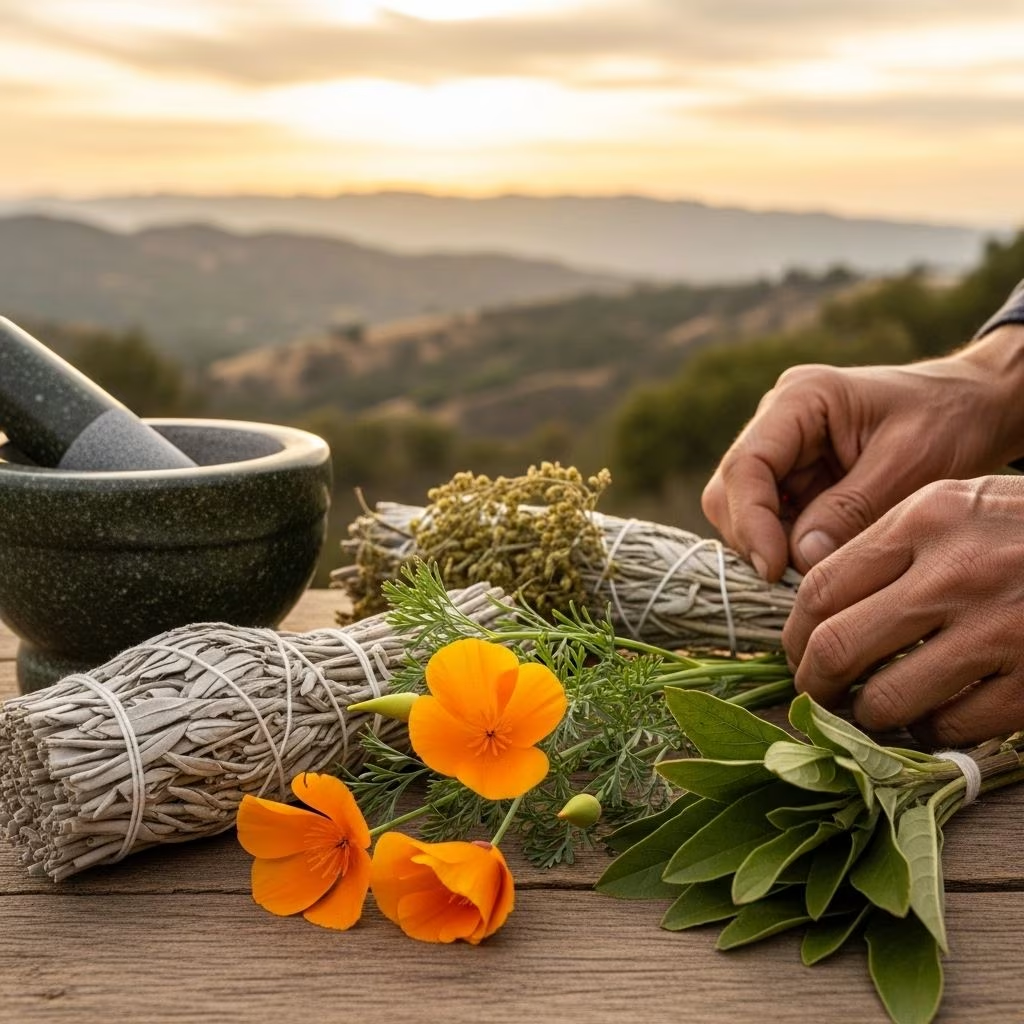
California’s vast and varied landscapes—from its Mediterranean coastlines to its rugged mountains and desert plains—are home to a remarkable diversity of native plants with longstanding medicinal value. For thousands of years, Indigenous peoples and later settlers have used these plants for healing, food, ceremony, and well-being. Today, the practice of herbal medicine in California is a living tradition, enriched by new scientific insights and ecological awareness. This comprehensive guide explores the history, practice, and promise of California’s herbal remedies, offering practical knowledge and profound respect for the state’s botanical treasures.
Introduction: Botanical Diversity and Herbal Heritage
California is a global hotspot for biodiversity, with more than 6,000 species of native plants—many found nowhere else on Earth. This extraordinary botanical legacy is matched only by its cultural richness; Indigenous tribes like the Chumash, Miwok, Ohlone, Cahuilla, and others have developed sophisticated herbal traditions, relying on local flora for medicine, ceremony, and sustenance.
From the cooling mints of the coastal bluffs to the resilient sages of the chaparral, herbal remedies are deeply woven into California’s ecological and human history. Today, Californian herbal medicine is practiced by traditional healers, herbalists, naturopaths, and increasingly, by those seeking gentle, earth-based wellness alternatives.
History and Ethnobotany of California Herbal Medicine
The roots of California’s herbal tradition are Indigenous, shaped by generations of observation, experiment, and spiritual connection with the land. Tribes developed uses for local plants to treat wounds, fevers, digestive complaints, respiratory illnesses, gynecological needs, and more. These uses were often enmeshed with ceremony—herbs served as purifiers, offerings, and agents of transformation.
- Medicinal Uses: Early documentation noted treatments for pain, bleeding, toothaches, and infections, as well as sedatives, digestive aids, and anti-inflammatories.
- Ceremonial Applications: Plants were burned, smoked, or applied during puberty rites, vision quests, and purification rituals.
- Ecological Knowledge: Indigenous harvesting was guided by intimate ecological knowledge—when, how, and where to gather for maximum potency and minimal ecological impact.
Many California herbal remedies spread through settler populations and into broader American herbalism, influencing medicinal practices nationwide.
Key Medicinal Plants of California
California’s native pharmacopoeia is immense, but a few key plants stand out for their historical, cultural, and medicinal importance. These include both well-known garden herbs, like sage and mint, and lesser-known but potent native species.
| Plant Name | Botanical Name | Main Traditional Uses |
|---|---|---|
| White Sage | Salvia apiana | Pulmonary issues, purifying smudges, antimicrobial tea |
| Coastal Sagebrush | Artemisia californica | Pain relief, fungal infections, ceremonial purification |
| Mugwort | Artemisia douglasiana | Menstrual relief, poison oak, dreams, skin conditions |
| Yerba Buena | Clinopodium douglasii | Digestive comfort, cold remedy, deodorant |
| Yerba Santa | Eriodictyon californicum | Respiratory health, wound healing, kidney and rheumatic conditions |
| California Buckwheat | Eriogonum fasciculatum | Colds, coughs, digestive aid, food source |
Notable California Herbal Remedies
White Sage (Salvia apiana)
Perhaps California’s most iconic medicinal plant, white sage is central to the healing traditions of the Chumash and other southern California tribes. Its aromatic leaves are valued for:
- Pulmonary Relief: Used as a hot tea or steam inhalation for head colds, congestion, and sinus issues.
- Purification: Smudged in spiritual cleansing ceremonies—though modern demand has endangered wild populations.
- Antimicrobial Effects: Studies and traditional knowledge support activity against bacteria and some fungi.
Conservation note: Due to overharvesting for commercial smudge sticks, it is crucial to either grow your own or buy from ethical sources.
Coastal Sagebrush (Artemisia californica)
Known as coastal, or California, sagebrush, this aromatic shrub has a rich tradition among coastal tribes:
- Pain and Inflammation: Used in topical liniments and foot soaks for body pain and inflammation.
- Antifungal & Antibacterial: Traditionally used to prevent diaper rash in infants and treat skin infections.
- Women’s Health: Doses used internally for menstrual transitions (with caution; not for pregnant women).
- Cautions: Contains thujone; best used with professional guidance, and not by pregnant women.
Mugwort (Artemisia douglasiana)
Revered as both a physical remedy and a spiritual ally, mugwort supports:
- Soothe Poison Oak: Fresh leaves mashed and applied to relieve itch and inflammation from poison oak.
- Menstrual Care: Used for comfort during menstruation, PMS, and menopause by many tribes.
- Dreamwork: Leaves placed under pillows to promote vivid or meaningful dreams in traditional practice.
- Cautions: Due to thujone, avoid internal use during pregnancy and use in moderation under expert guidance.
Yerba Buena (Clinopodium douglasii)
Yerba buena—meaning “good herb”—is a flavorful native mint appreciated for both taste and wellness properties:
- Digestive Aid: Its minty tea is soothing for stomach aches, gas, and colic.
- Colds and Fevers: Used for mild fevers and colds because of its soothing, anti-inflammatory properties.
- Insomnia and Cramps: Relieves menstrual cramps and aids sleep in traditional teas.
- Deodorant: Leaves rubbed on the body by hunters for scent masking.
- Ethical Sourcing: Due to habitat loss, growing yerba buena in home gardens is recommended over wild harvesting.
Yerba Santa (Eriodictyon californicum)
Yerba santa, or “holy herb,” is a fire-adapted, resinous shrub with a long history of use:
- Respiratory Health: Leaves made into tea, syrup, or tincture for coughs, bronchitis, and asthma—widely accepted by both Indigenous and settler practitioners.
- Kidney and Rheumatic Pain: Used in traditional liniments and as an adjunct for chronic pain, swelling, and kidney issues.
- Wound Healing: Antimicrobial and anti-inflammatory properties useful on minor skin injuries.
Because yerba santa is fire-promoted, traditional burning practices were sometimes employed to stimulate growth of medicinal shoots.
California Buckwheat (Eriogonum fasciculatum)
This drought-adapted native provides food and medicine:
- Cold and Cough Relief: Traditional teas from leaves, stems, and roots taken for respiratory complaints.
- Digestive Tonic: Used for stomach ailments and gentle laxative effects.
Other Important Herbs
- Willow (Salix spp.): Source of salicin, the inspiration for aspirin. Used for headaches, pain, and fevers.
- Ephedra (Joint-fir): Source of ephedrine and related alkaloids; traditionally for respiratory and allergy ailments (limited today due to safety concerns).
- Mint Family (Basil, Rosemary, Thyme): European relatives grown in California and used for culinary and mild medicinal effects including stress reduction, digestion, and antimicrobial needs.
Modern Science and Traditional Medicine
Recent scientific studies support the efficacy of many California native plants, confirming traditional uses:
- White Sage: Shown in laboratory studies to inhibit growth of bacteria like Staphylococcus and fungi like Candida.
- Plant Chemistry: Terpenoids, flavonoids, and polyphenols have been isolated from salvia, artemisia, yerba santa, and others, supporting their antibacterial, anti-inflammatory, and antioxidant actions.
- Holistic Benefits: Scientific focus often matches traditional knowledge—relief for respiratory ailments, pain, infections, and as relaxants or stimulants depending on species.
However, knowledge gaps and regulatory barriers remain, and not all uses are supported by controlled trials. Responsible practitioners stress the importance of combining traditional wisdom with modern phytochemical and safety understanding.
Ethical Wildcrafting and Conservation
California is facing challenges with plant conservation:
- Overharvesting: Especially for high-demand plants like white sage, populations have declined due to poaching and commercial exploitation.
- Habitat Loss: Many wild medicinal species are threatened by development, agriculture, and invasive species.
- Stewardship: Practicing ethical wildcrafting—taking only what is needed, leaving roots in place, and avoiding rare plants—helps preserve these resources for future generations.
- Cultivation: Growing medicinal herbs in home gardens is recommended for common species like sage, yerba buena, mint, and buckwheat.
Traditional Preparations and Healing Practices
Herbal use is not simply a matter of taking pills or extracts. Traditional California herbalism involves specific preparations and intentions:
- Teas (Infusions and Decoctions): Leaves, flowers, and sometimes roots are steeped or simmered to extract active compounds.
- Topical Applications: Poultices, compresses, liniments, and salves—especially for skin conditions, injuries, or pain.
- Steam Inhalations: Common for respiratory relief; white sage, yerba santa, and sagebrush are frequent choices.
- Smudging and Burning: Essential for ceremonial and spiritual cleansing, often as part of a holistic healing ritual.
- Tinctures and Syrups: Alcohol or glycerin-based extracts, sometimes combined with honey, to preserve and concentrate effects.
Proper dosage, safety, and respect for both plant and tradition are paramount—many remedies are used in small quantities, under supervision, or with spiritual attention.
Frequently Asked Questions (FAQ)
Q: Are California herbal remedies safe for everyone?
A: Not all herbs are safe for every person or condition. Some contain compounds (like thujone in artemisia species or alkaloids in ephedra) that are contraindicated in pregnancy, for children, or with certain health conditions. Always consult a knowledgeable practitioner and inform your healthcare provider before beginning herbal remedies.
Q: Can I harvest medicinal plants from the wild in California?
A: Ethical wildcrafting requires deep knowledge, permission (where required), and conservation awareness. Take only what you need, never harvest rare or endangered plants, and prefer cultivation for high-demand species. White sage, in particular, is threatened by overharvesting and wild populations must be left undisturbed.
Q: How do I prepare a basic herbal tea using California native plants?
A: To make a traditional herbal infusion, use one teaspoon of dried leaves (or two teaspoons fresh) per cup of hot water. Steep for 10–15 minutes, strain, and drink while warm. Adjust dosage as directed by tradition or experienced practitioners.
Q: Are there scientific studies that support traditional California herbal remedies?
A: Yes, many native herbs have been shown in laboratory settings to possess antimicrobial, anti-inflammatory, and antioxidant properties, especially in cases like white sage, mugwort, willow, and yerba santa. However, not all traditional uses have been rigorously studied, and more clinical research is needed.
Q: What is the ethical protocol for using native plant medicine developed by Indigenous tribes?
A: Respect for Indigenous knowledge involves crediting the original peoples, seeking permission or collaboration where appropriate, and supporting efforts to conserve plants and revitalize traditional practices. Avoid cultural appropriation by practicing deep respect and awareness of cultural protocols.
References and Further Reading
- Edible and Medicinal Herbs of the Southern California Coast (California 101 Guide)
- Plant Uses: California Ethnobotany (UCSC Arboretum)
- Five Traditional Plant Medicines (PBS SoCal)
- Yerba Santa: A Medicinal Plant Extraordinaire (Amah Mutsun Land Trust)
- Healing with Medicinal Plants of the West by James D. Adams
- Medicinal Herbs of California by Lanny Kaufer
References
- https://california101guide.com/edibleandmedicinalherbs/
- https://arboretum.ucsc.edu/pdfs/ethnobotany-webversion.pdf
- https://www.pbssocal.org/shows/tending-the-wild/five-traditional-plant-medicines-and-how-they-might-work
- https://amahmutsun.org/land-trust-newsevents/yerba-santa-a-medicinal-plant-extraordinaire
- https://www.laspilitas.com/classes/herbs.htm
- https://nativeplants.com/Medicinal_Plants.php
- https://www.ethnoherbalist.com/southern-california-native-plants-medicinal/
- https://ucanr.edu/blog/stanislaus-sprout/article/original-people-californias-historical-use-native-plants


