


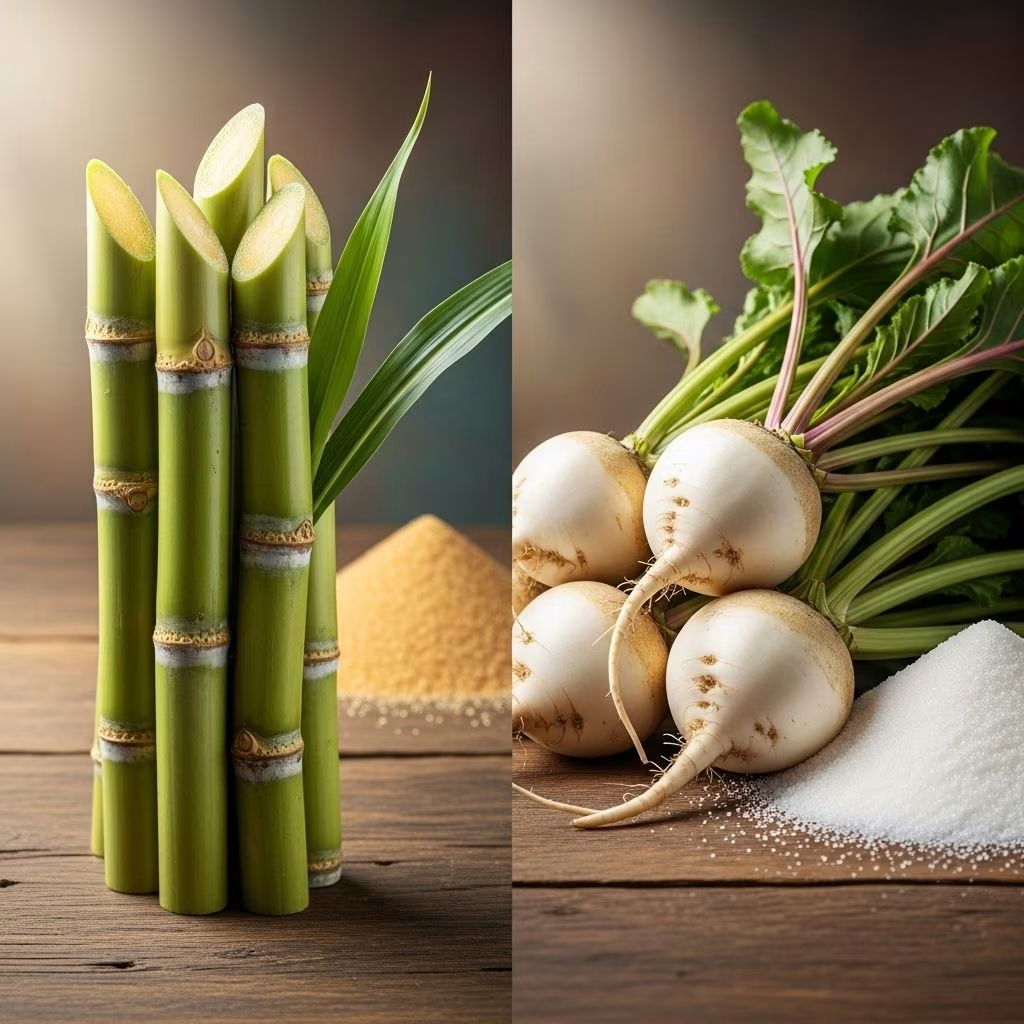
Sugar from Cane and Beet: An In-Depth Guide to Benefits, Uses, and Taste
Sugar is an indispensable ingredient in global cuisine, coming in many forms and flavors. Its most common sources are sugarcane and sugar beet. Although chemically nearly identical, cane and beet sugar vary in taste, production methods, nutritional profile, environmental impact, and culinary versatility. This comprehensive guide delves deeply into their origins, benefits, uses, and sensory characteristics.
What Is Sugar?
Sugar refers to a group of sweet-tasting, soluble carbohydrates. In dietary and culinary contexts, it typically means sucrose, which is extracted either from sugarcane or sugar beet plants. While both sources provide essentially the same chemical substance, their agricultural origins and processing steps result in subtle but meaningful differences in usage and flavor.
Sugar from Sugarcane
Sugarcane is a tall, perennial grass native to tropical regions. The juice from its fibrous stalks is rich in sucrose and has been used as a sweetener for centuries.
- The harvested cane stalks are crushed to extract the juice, which is then clarified, boiled, and crystallized to produce sugar.
- Byproducts such as molasses and bagasse (the fibrous residue) are used in food production and energy generation.
Sugar from Sugar Beet
Sugar beet is a root vegetable cultivated mostly in temperate climates. Its white, bulbous roots contain high concentrations of sucrose.
- The beets are washed, sliced, and boiled to extract sugar-rich juice.
- The juice is purified, concentrated, and crystallized into sugar, often via a more uniform refining process than cane sugar.
Production and Processing
Both cane and beet sugars undergo several distinct production stages before reaching your table. However, differences in processing can affect ethical preferences and culinary outcomes.
| Process Stage | Cane Sugar | Beet Sugar |
|---|---|---|
| Juice Extraction | Crushing stalks | Boiling sliced roots |
| Clarification | Lime and heat treatment | Lime and heat treatment |
| Crystallization | Seed crystals added | Seed crystals added |
| Refining | May use bone char (not vegan), retains molasses | No bone char, more uniform; no molasses retained |
| Appearance | Can appear slightly brownish (less refined) | Uniformly white |
It’s important for vegans to note: bone char, derived from cattle bones, can be used to bleach cane sugar, but is not involved in beet sugar processing. Vegan alternatives, such as coal-based activated carbon, are increasingly used instead.
Nutritional Profile
Both cane and beet sugar are essentially pure sucrose. Their nutritional profiles are chemically identical; however, there are small differences in trace minerals due to varied refining processes.
- Calories: About 16 calories per teaspoon (4g) for both
- Carbohydrates: 4g per teaspoon, entirely as sugars
- Micronutrients: Cane sugar sometimes contains trace minerals like calcium, magnesium, and potassium due to less intensive processing, but these amounts are negligible for practical nutrition.
In other words, despite small variations, neither sugar offers significant vitamins or minerals and both should be consumed in moderation.
Environmental Impact
Sugar production has an environmental footprint—concerns include water usage, pesticides, soil erosion, and transportation emissions. The crops differ in impact:
- Sugarcane: Highly renewable, grows in varied regions, with byproducts used for energy. Generally considered less resource-intensive but still requires substantial water.
- Sugar Beet: Can require more water and pesticides depending on region. Often grown in monocultures, which may affect biodiversity.
Producers increasingly adopt sustainability measures, such as drip irrigation, crop rotation, and organic farming.
Culinary Uses
Both sugars are incredibly versatile, though subtle differences can influence chefs’ choices in specific applications.
- Baking: Cane sugar is preferred for cakes, cookies, and confections due to its slightly richer flavor and better caramelization properties.
- Cooking: Both types are used in sauces, marinades, and preserves. Cane sugar’s “molasses-like” undertones offer extra flavor for jams and chutneys.
- Beverages: Cane sugar is preferred for sweetening coffee, tea, and craft cocktails for its fuller flavor profile.
- Industrial Uses: Beet sugar is commonly used in large-scale processed food manufacturing due to lower costs and uniformity.
- Home Cooking: Cane sugar comes in granulated, powdered, and brown varieties, while beet sugar is typically sold in granulated form.
Taste and Sensory Differences
Although both sugars are primarily sucrose, subtle but meaningful differences impact taste, aroma, and texture.
| Cane Sugar | Beet Sugar | |
|---|---|---|
| Flavor Notes | Rich, complex, molasses-like, caramel hints | Neutral, mild, bland to oxidized |
| Aroma | Fruity, sweet | Earthy, subtle |
| Aftertaste | Sweeter, lingering | Burnt sugar, oxidized |
| Cooking Behavior | Better caramelization; uniform results | May crystallize differently; less caramelization |
These differences may only be noticeable in complex culinary applications or to trained palates. For the average consumer in everyday recipes, the taste is nearly indistinguishable.
Health Benefits and Considerations
Sugar is an effective, rapid energy source, but its health effects depend on quantity and context. Contrary to popular belief, neither cane nor beet sugar are superior for overall health.
- Energy: Provides quick energy due to fast absorption. Used in sports and hypoglycemia remedies.
- Glycemic Index: Cane sugar has a slightly lower glycemic index than beet sugar, meaning it may provoke a milder blood sugar response, but this difference is minor.
- Nutrients: Trace minerals in less-refined cane sugar are present in negligible amounts; overall, both forms offer little nutritional benefit.
- Health Risks: High intake of any refined sugar is linked to obesity, metabolic disease, dental decay, and other health problems.
- Moderation: Experts recommend limiting added sugars to no more than 5-10% of daily calories.
No credible evidence suggests one type is markedly healthier than the other.
Cost and Availability
Sugar cost and variety depend on geographic availability and local preferences.
- Cane sugar: Widely available worldwide in multiple forms (granulated, powdered, brown, raw).
- Beet sugar: Most common in regions favorable for beet cultivation; often less expensive due to local supply.
- Industry Preference: Large food manufacturers often prefer beet sugar for uniformity and cost effectiveness, while chefs and home bakers may seek cane sugar for superior flavor and versatility.
Frequently Asked Questions (FAQs)
Q: Are cane sugar and beet sugar the same nutritionally?
A: Yes, both are about 99.9% sucrose and provide identical calories and carbohydrates. Any differences in trace minerals are nutritionally insignificant.
Q: Does cane sugar taste different from beet sugar?
A: Cane sugar often carries a richer, more complex flavor with caramel or molasses notes, while beet sugar tastes neutral and plain.
Q: Why do some recipes specify cane sugar?
A: Cane sugar’s superior caramelization and nuanced flavor make it preferred for baking, confections, and gourmet cooking.
Q: Is beet sugar vegan?
A: Beet sugar is always vegan, since it’s processed without animal-derived bone char. Refined cane sugar is sometimes processed with bone char but increasingly uses vegan alternatives.
Q: Can I substitute beet sugar for cane sugar in recipes?
A: Yes. In most recipes, the substitution is seamless, though there may be minor differences in flavor and appearance.
[/p]
Conclusion
Cane and beet sugar are essential, widely used sweeteners with subtle differences in taste, processing, and environmental impact. While cane sugar is prized for its rich flavor and versatility, beet sugar is the mainstay of industrial production for its neutral profile and cost advantage. Regardless of type, both sugars should be consumed in moderation to support good health.
With growing interest in plant-based diets, sustainable agriculture, and culinary innovation, informed choices about sugar sources empower consumers and chefs alike. Whether you seek a specific taste, texture, or ethical production method, understanding these two types of sugar will enhance your experience in the kitchen and beyond.
References
- https://beveragemixers.com/blogs/psw-blog-posts/cane-vs-beet-the-battle-of-the-sugars
- https://www.sugars.com/beet-sugar-vs-cane-sugar
- https://www.healthline.com/nutrition/beet-sugar-vs-cane-sugar
- https://www.whatsugar.com/post/difference-between-cane-and-beet-sugar
- https://www.britannica.com/story/whats-the-difference-between-cane-sugar-and-beet-sugar
- https://www.rockymountainsoda.com/blogs/soda-news/sugar-cane-vs-sugar-beets-examining-their-differences
- https://unitedsugarpr.com/faq/


