


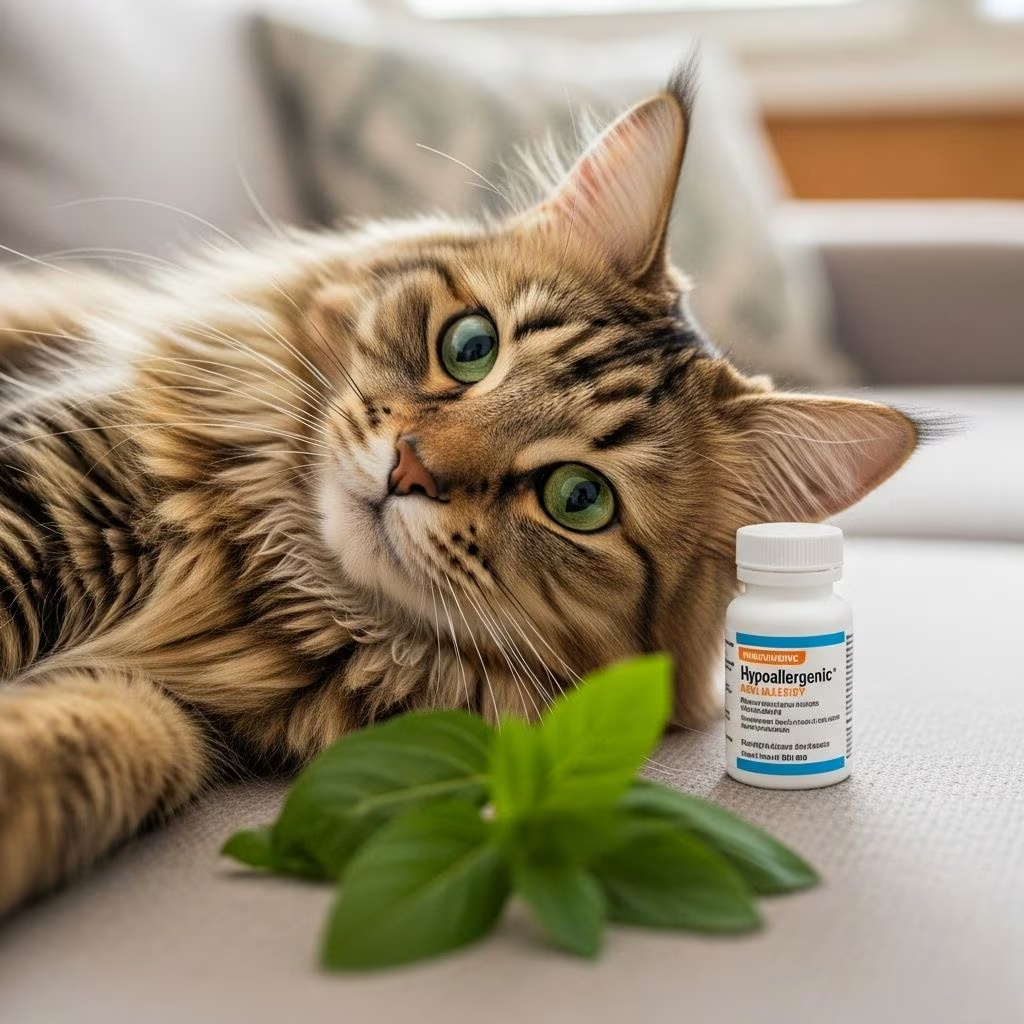
Cats, beloved for their companionship and playful spirits, can suffer from allergies just like humans. Allergies in cats can cause a range of symptoms—itchiness, respiratory issues, digestive distress, and more—impacting their well-being and your peace of mind. Understanding the causes, identifying symptoms, and applying effective remedies is essential for every cat owner. This guide provides a thorough exploration of cat allergies, from medical treatments to natural and home-based solutions, helping you safeguard your cat’s health.
What Are Cat Allergies?
Allergies in cats occur when their immune system reacts excessively to substances that are usually harmless to most animals, known as allergens. These allergens, which may be environmental, dietary, or parasitic in origin, can trigger immune responses manifesting as skin, respiratory, or digestive symptoms. Allergic reactions often require ongoing management to ensure a cat’s comfort and health.
Common Causes of Allergies in Cats
Cats may develop sensitivities to a range of substances. Understanding the types and causes of cat allergies is the first step toward effective treatment.
- Flea Allergy Dermatitis: Hypersensitivity to flea saliva is a leading cause of allergies in cats. Even a single flea bite can provoke severe itching and discomfort for sensitive cats.
- Food Allergies: Proteins in chicken, beef, dairy, eggs, and fish, along with some grains or additives, commonly act as allergens. Food allergies often cause digestive issues or skin problems.
- Environmental Allergens: Pollens (from grasses, trees, weeds), molds, dust mites, and household cleaning agents can cause allergic responses, frequently leading to respiratory or dermatological symptoms.
- Contact Allergies: Reactions to materials like certain plastics, fabrics, or chemicals in cat care products. These usually appear as localized skin irritations.
- Inhalant Allergies (Atopy): Caused by inhaled allergens such as dust, pollen, and mold spores, similar to hay fever in humans.
- Other Allergens: Some cats react to cigarette smoke, perfumes, or new household substances.
Symptoms of Cat Allergies
The presentation of allergy symptoms in cats varies depending on the allergy type and individual sensitivities. Key symptoms include:
- Frequent scratching, licking, or chewing of the skin (dermatitis)
- Hair loss, often due to excessive grooming
- Red, inflamed, or scabbed skin (especially around the head, neck, ears, and belly)
- Inflamed ears or recurrent ear infections
- Sneezing, coughing, or wheezing (especially in cases of respiratory allergies)
- Runny eyes or nose
- Itchy, watery eyes
- Vomiting and/or diarrhea (notably with food allergies)
- Swelling or hives in rare cases
If you observe these symptoms, especially if they appear persistently or seasonally, consult your veterinarian for an accurate diagnosis.
Diagnosing Allergies in Cats
Diagnosing allergies involves a systematic approach combining clinical examination and selective testing:
- Detailed History: Your veterinarian will inquire about your cat’s symptoms, environment, nutrition, grooming routines, and any recent changes.
- Physical Examination: Checking for signs of dermatitis, ear infections, or respiratory distress.
- Elimination Diet Trial: For suspected food allergies, cats undergo a strict novel or hydrolyzed protein diet for 8-12 weeks. If symptoms resolve and then return upon challenging with previous foods, a food allergy is confirmed.
- Allergy Testing: Skin or blood tests may identify environmental or contact allergens, although these are less commonly used than in dogs and humans.
- Flea Combings/site tests: To check for fleas or flea dirt as a source of allergy.
Veterinary Remedies for Cat Allergies
Veterinary-prescribed treatments are crucial for managing severe or persistent allergies. Remedies are selected depending on the type and severity of the allergy.
Medical Treatments Prescribed by Veterinarians
- Anti-inflammatory Steroids: Corticosteroids (like prednisolone) to control severe itching, swelling, and skin inflammation, especially for atopic or food allergies. Injectable steroid options are available for cases of feline asthma.
- Antihistamines: Medications such as diphenhydramine (Benadryl), chlorpheniramine, cetirizine (Zyrtec), and loratadine (Claritin) are sometimes prescribed, though their effectiveness varies between cats and unwanted side effects like sedation are common. Only use these under veterinary guidance to ensure correct dosing and avoid harmful formulations.
- Immunotherapy (Allergy Shots): Allergen-specific immunotherapy involves creating customized allergy shots based on test results. This can provide long-term relief by gradually reducing immune sensitivity to specific environmental allergens.
- Prescription Topicals and Shampoos: Medicated shampoos, sprays, or ointments (often containing anti-inflammatories or antibiotics) treat skin lesions and manage local infections.
- Oral or Injectable Antibiotics/Antifungals: Used for secondary skin infections (bacterial or fungal) that commonly arise due to chronic scratching or licking.
- Prescription Diets: For cats with demonstrated food allergies, long-term feeding with a hypoallergenic, novel protein, or hydrolyzed diet is mandatory. Do not give off-diet treats or table scraps.
- Fatty Acid Supplements: Omega-3 and omega-6 supplements help strengthen the skin barrier and reduce inflammation.
Typical Veterinary Treatment Steps
- Accurately diagnose the allergy source.
- Treat acute symptoms (itching, infections, inflammation).
- Prescribe long-term prevention or control strategies (e.g., flea prevention, allergy vaccines, dietary management).
Home and Natural Remedies
Several steps can be taken at home to minimize your cat’s exposure to allergens, manage symptoms, and supplement veterinary treatments. Always consult your veterinarian before beginning new treatments, even if they seem natural or benign.
Environmental Management
- Flea Control: Use vet-approved, year-round flea prevention to combat flea allergy dermatitis. Treat all household pets and thoroughly clean bedding and carpets regularly.
- Dust Reduction: Switch to dust-free or unscented cat litter, use high-efficiency particulate air (HEPA) filters, and mop/vacuum frequently to reduce dust and pollen in your home.
- Cleaning: Wash cat bedding, toys, and soft furnishings often to remove allergens such as pollen or dust mites.
- Smoke Avoidance: Refrain from smoking indoors or near your cat, especially if they have respiratory sensitivities or asthma.
Dietary Strategies
- Hypoallergenic Diet: For diagnosed food allergies, feed only veterinarian-recommended diets and avoid all treats or supplements with potential allergens.
- Elimination Diet: Use a novel protein source (duck, rabbit, venison) or hydrolyzed protein foods for a diet trial lasting 8–12 weeks. No other food sources should be given during this period.
- Omega Fatty Acids: Add omega-3 or omega-6 fatty acid supplements (fish oil) to strengthen the skin barrier and reduce itching, under veterinary direction.
Natural Remedies and Alternative Therapies
- Frequent Bathing: Occasionally bathing your cat (using a vet-approved hypoallergenic shampoo) can help reduce surface allergens and soothe irritated skin. Not all cats tolerate bathing, so proceed carefully.
- Topical Oatmeal or Aloe: Some over-the-counter vet shampoos contain soothing natural ingredients like oatmeal or aloe, which may help with mild dermatitis.
- Nutritional Supplements: Supplements such as quercetin (a natural plant-based antihistamine) or probiotics may benefit some cats, but consult a veterinarian before use.
Summary Table: Home Remedies vs. Veterinary Treatments
| Remedy | Home/Natural | Veterinary |
|---|---|---|
| Flea Control | Frequent cleaning, all-pet flea prevention | Prescription flea preventives |
| Itching Relief | Oatmeal/aloe shampoos, fatty acid supps. | Steroids, antihistamines, medicated topicals |
| Environmental Management | Dust-free litter, vacuuming, HEPA filtration | |
| Dietary Control | Novel/hydrolyzed protein food | Prescription hypoallergenic diets |
| Long-term Allergy Control | Omega-3 supplements, natural sprays (vet-approved) | Immunotherapy (allergy shots) |
Prevention and Management
Effective prevention combines both veterinary and at-home strategies, enhancing your cat’s quality of life. Here are essential prevention tips:
- Conduct regular preventive checkups with your veterinarian.
- Maintain diligent flea control for all pets in the home year-round.
- Switch to non-irritant, dust-free litter and regularly clean litterboxes.
- Frequent vacuuming with a HEPA filter minimizes dust and dander.
- Feed a consistent diet eliminating known food allergens.
- Wash your cat’s bedding often in hypoallergenic detergent.
- Eliminate or minimize exposure to perfumes, cigarette smoke, and strong chemicals.
- Monitor your cat regularly for signs of recurrence, and adjust management as needed with your veterinarian’s advice.
Frequently Asked Questions (FAQs)
Q: Can I give my cat over-the-counter human allergy medication?
A: Only do so under veterinary supervision. While some human antihistamines (like diphenhydramine or cetirizine) can be used in cats, the dosage and formulation must be specific to avoid toxicity. Never use products containing decongestants or pain relievers unless directed by your vet.
Q: How long will my cat need allergy treatment?
A: Most allergy treatments are ongoing. Cats often need lifelong management, though strict environmental control or a successful elimination diet may reduce symptoms significantly.
Q: What happens if cat allergies are left untreated?
A: Untreated allergies can result in chronic discomfort, skin infections, recurrent ear issues, digestive disturbances, and a lowered quality of life.
Q: Are there any natural alternatives for managing mild cat allergies?
A: Some mild cases benefit from increased grooming, fatty acid supplementation, dust-free litter, and removal of common irritants. Always confirm the safety and efficacy of natural products with a veterinarian.
Q: Does my cat’s breed affect allergy risk?
A: While any cat can develop allergies, certain breeds, such as Siamese and related mixes, may have slightly higher allergy tendencies, especially to certain environmental triggers.
Conclusion
Managing cat allergies is a multi-faceted process combining veterinary care, dietary control, environmental management, and, when suitable, natural remedies. The pathway to relief begins with early recognition, expert diagnosis, and a tailored treatment plan—each cat is unique, and so are their needs. By following proven strategies and maintaining close communication with your veterinarian, you help ensure your cat enjoys a comfortable, happy, and healthy life free from the burdens of allergy discomfort.
References
- https://www.montecitopethospital.com/site/blog/2022/04/30/cat-allergies
- https://www.zyrtec.com/allergy-guide/indoors/allergy-symptoms-caused-by-cats
- https://www.benadryl.co.uk/allergy-types/pet-allergies/cat-allergies
- https://www.petmd.com/cat/conditions/skin/cat-skin-allergies-types-symptoms-and-how-vets-treat-them
- https://acaai.org/allergies/allergic-conditions/pet-allergies/
- https://www.mayoclinic.org/diseases-conditions/pet-allergy/diagnosis-treatment/drc-20352198
- https://vet.osu.edu/sites/default/files/documents/allergic%20to%20your%20cat.pdf
- https://www.webmd.com/allergies/cat-allergies
- https://my.clevelandclinic.org/health/diseases/17702-pet-allergies
- https://vcahospitals.com/know-your-pet/allergies-in-cats


