


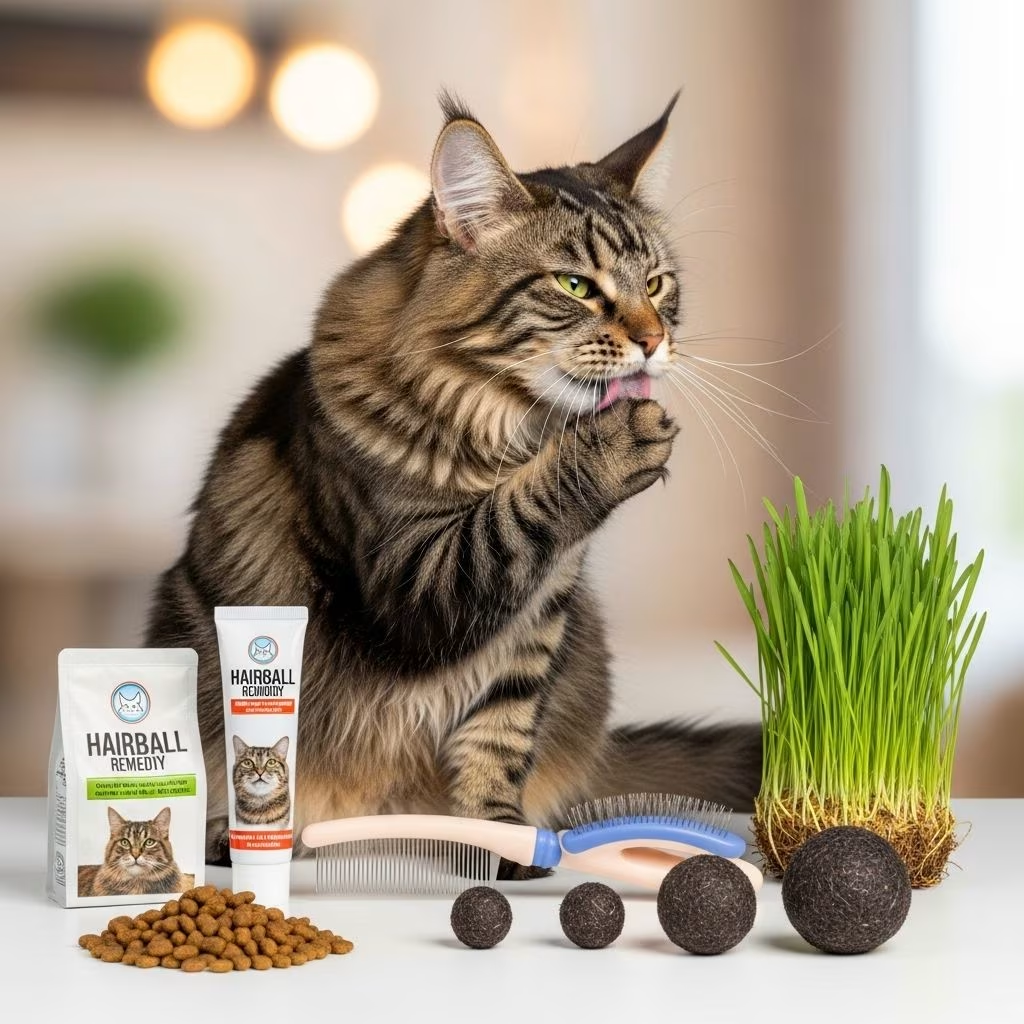
Hairballs are a common, if unpleasant, part of cat ownership. Although an occasional hairball is normal for most cats, frequent or problematic hairballs can be uncomfortable to your furry companion and may signal underlying health issues. This article explores the causes of hairballs, symptoms to watch for, a wide range of remedies—both preventative and therapeutic—and advice on when to seek professional help.
Understanding Hairballs in Cats
A hairball—medically termed a trichobezoar—forms when a cat ingests loose hair during grooming. Cats have tiny, hook-like structures on their tongues called papillae, which efficiently brush loose fur from their coats. Most ingested hair travels harmlessly through the digestive system, but sometimes, hair clumps together in the stomach forming a ball, eventually expelled by vomiting.
Long-haired breeds (like Maine Coons and Persians) are especially susceptible due to denser coats, but cats of all breeds can experience hairballs. While the occasional hairball is typical, frequent issues may imply an underlying health condition or grooming problem.
Common Causes of Hairballs
- Grooming Behavior: Self-grooming is natural for cats, but excessive grooming can lead to more ingested fur.
- Long or Dense Fur: Cats with thick or long coats shed more and swallow greater quantities of hair.
- Seasonal Shedding: Shedding increases in spring and autumn, raising the risk for hairballs.
- Environmental Factors: Cats grooming other pets or licking carpets and fabrics can ingest additional hair or fibers.
- Diet Low in Fiber or Hydration: Insufficient fiber or water in the diet makes it harder for hair to pass through the gut.
- Medical Conditions: Issues like inflammatory bowel disease (IBD), diabetes, or thyroid imbalances sometimes result in more frequent hairballs.
Symptoms of Hairballs
Recognizing hairball-related symptoms can help you identify when your cat needs assistance. Watch for:
- Coughing, hacking, or gagging (often described as retching motions)
- Vomiting or retching up tubular masses of fur
- Loss of appetite or refusal to eat
- Constipation or diarrhea
- Lethargy, depression, or a decreased interest in play and surroundings
- Weight loss
If your cat repeatedly tries to cough up a hairball with no result, stops eating, or shows signs of pain or severe constipation, these may indicate a more serious problem such as an intestinal blockage, which can be life-threatening and demands prompt veterinary attention.
Preventing Hairballs: Tips and Strategies
A combination of consistent grooming, dietary changes, hydration, and environmental management can minimize hairball formation in many cats. Preventive measures include:
- Regular Grooming:
- Brush your cat daily (especially for long-haired breeds) to reduce shedding.
- Use grooming tools appropriate for the cat’s hair type—slicker brushes for long fur or shedding blades for heavy shedders.
- Frequent grooming during seasonal shedding periods prevents ingested fur.
- Hairball Control Diets:
- Feed a specialized diet designed to support healthy skin and reduce shedding.
- Many commercial cat foods labeled “hairball control” contain increased fiber to help move hair through the digestive tract.
- Improved Hydration:
- Encourage water intake by providing clean, fresh water at all times.
- Consider water fountains, as many cats prefer running water.
- Wet cat food can supplement hydration and aid digestion.
- Environmental Enrichment:
- Provide plenty of toys and interactive play to redirect grooming urges.
- Minimize stressors that can lead to overgrooming behavior.
Home Remedies for Treating Hairballs
Whenever possible, choose non-invasive remedies to assist your cat in passing or reducing hairballs. Some effective options include:
- Petroleum-based hairball remedies:
- Over-the-counter gels or pastes lubricate the digestive tract, aiding hair passage.
- Administer according to the manufacturer’s instructions, usually as a treat or from your finger.
- Fiber supplements:
- Adding small amounts of canned pumpkin or specially formulated fiber treats improves gastrointestinal motility.
- Do not use human laxatives unless prescribed by a veterinarian.
- Brushing and grooming aids:
- Some grooming mitts or wipes help even skittish cats tolerate regular grooming sessions.
- Omega-3 fatty acid supplements:
- These support skin health, reduce shedding, and may decrease the overall formation of hairballs.
- Check with your veterinarian before starting new supplements.
- Discourage excessive self-grooming:
- Use positive reinforcement and environmental enrichment to redirect bored or anxious grooming behavior.
Homemade Remedies (When Appropriate)
- Canned pumpkin: A tablespoon mixed into food provides gentle fiber and helps move hair through the gut.
- Small amounts of petroleum jelly: Some owners report success mixing a pea-sized amount into their cat’s food—always consult with a vet first.
Dietary Management and Supplements
Nutrition is a vital component of minimizing hairball risk. Select or discuss with your vet the optimal dietary plan for your cat’s specific situation.
- Commercial Hairball Diets:
- These foods are higher in both soluble and insoluble fiber, which promote digestion and movement of hair through the intestines.
- Choose formulas from reputable pet food manufacturers with nutritional adequacy statements.
- Wet vs. Dry Food:
- Wet food increases fluid intake and may reduce constipation risk associated with hairballs.
- A mix of both can offer balance between hydration and dental benefits.
- High-Quality Protein Sources:
- Look for foods rich in animal-based protein, as these are generally easier for cats to digest and support muscle and coat health.
- Added Fatty Acids:
- As mentioned, supplemental fish oil or omega-3s can benefit skin and coat, indirectly reducing shedding.
Sample Cat Diet Comparison Table
| Food Type | Fiber Content | Supports Hairball Control? |
|---|---|---|
| Standard Dry Kibble | Low | Limited support |
| Hairball Formula Dry Kibble | Moderate/High | Designed for hairball reduction |
| Wet Canned Food | Low/Moderate | Improves hydration, may help indirectly |
| Wet Hairball Formula | High | Best for hairball prevention and hydration |
When to See a Veterinarian
Most cats will safely pass or expel hairballs on occasion, but certain symptoms should trigger immediate veterinary attention:
- Repeated, unproductive retching or gagging (especially if nothing is brought up)
- Loss of appetite lasting more than 24 hours
- Constipation or no bowel movements for more than two days
- Signs of abdominal pain, such as crying when touched or persistent hiding
- Frequent vomiting (more than once or twice per week)
- Lethargy and unexplained weight loss
Potential complications include intestinal blockages, which can become life-threatening and may require surgery. If your cat shows any of the above warning signs, consult your veterinarian promptly for diagnostic testing and appropriate treatment.
Frequently Asked Questions (FAQs)
Q: Are hairballs dangerous for cats?
Hairballs are generally harmless if they occur rarely, but frequent hairballs may cause discomfort and, in rare cases, can lead to gastrointestinal blockages requiring urgent medical care.
Q: How often should a cat have hairballs?
An average, healthy cat may produce a hairball once a month or less. More frequent hairballs suggest excessive grooming, inadequate diet, or underlying health issues and should prompt a vet consult.
Q: Can I use human laxatives for my cat’s hairballs?
No, human laxatives can be dangerous for cats. Only use hairball remedies or supplements specifically formulated for cats and approved by your veterinarian.
Q: Do indoor cats get more hairballs than outdoor cats?
Indoor cats may groom more due to boredom or lack of stimulation, resulting in increased hair ingestion and, hence, more hairballs. Providing enrichment can help reduce excessive grooming.
Q: Are there breeds less prone to hairballs?
Short-haired breeds tend to have fewer hairballs than long-haired breeds, but all cats are at risk. Regular grooming and proper nutrition help minimize risk for any breed.
Final Tips for Cat Owners
- Brush your cat regularly, adjusting frequency to shedding seasons.
- Feed a fiber-rich, balanced diet specifically designed for your cat’s age, breed, and health status.
- Prioritize hydration with fresh water sources; consider a pet fountain.
- Monitor your cat for unusual grooming, eating, or litter box habits.
- Establish a routine with your veterinarian for annual or bi-annual checkups, especially if your cat is prone to hairballs.
Hairballs are an expected part of cat ownership, but proactive care, vigilant monitoring, and prompt action when needed will ensure your feline companion enjoys a life with minimal discomfort and maximum well-being.
References
- https://ctvsh.com/hairballs-in-cats-causes-symptoms-and-what-you-can-do-about-them/
- https://thevets.com/resources/pet-health-care/my-cat-is-getting-hairballs/
- https://bouldervet.com/blog/cat-hairball/
- https://warrickvet.com/blog/cat-hairballs/
- https://www.webmd.com/pets/cats/what-to-do-about-hairballs-in-cats
- https://www.vet.cornell.edu/departments-centers-and-institutes/cornell-feline-health-center/health-information/feline-health-topics/danger-hairballs
- https://vcahospitals.com/know-your-pet/trichobezoars-in-cats
- https://www.4pawsanimal.com/services/cats/blog/hairballs-cats-causes-symptoms-and-what-you-can-do-about-them


