


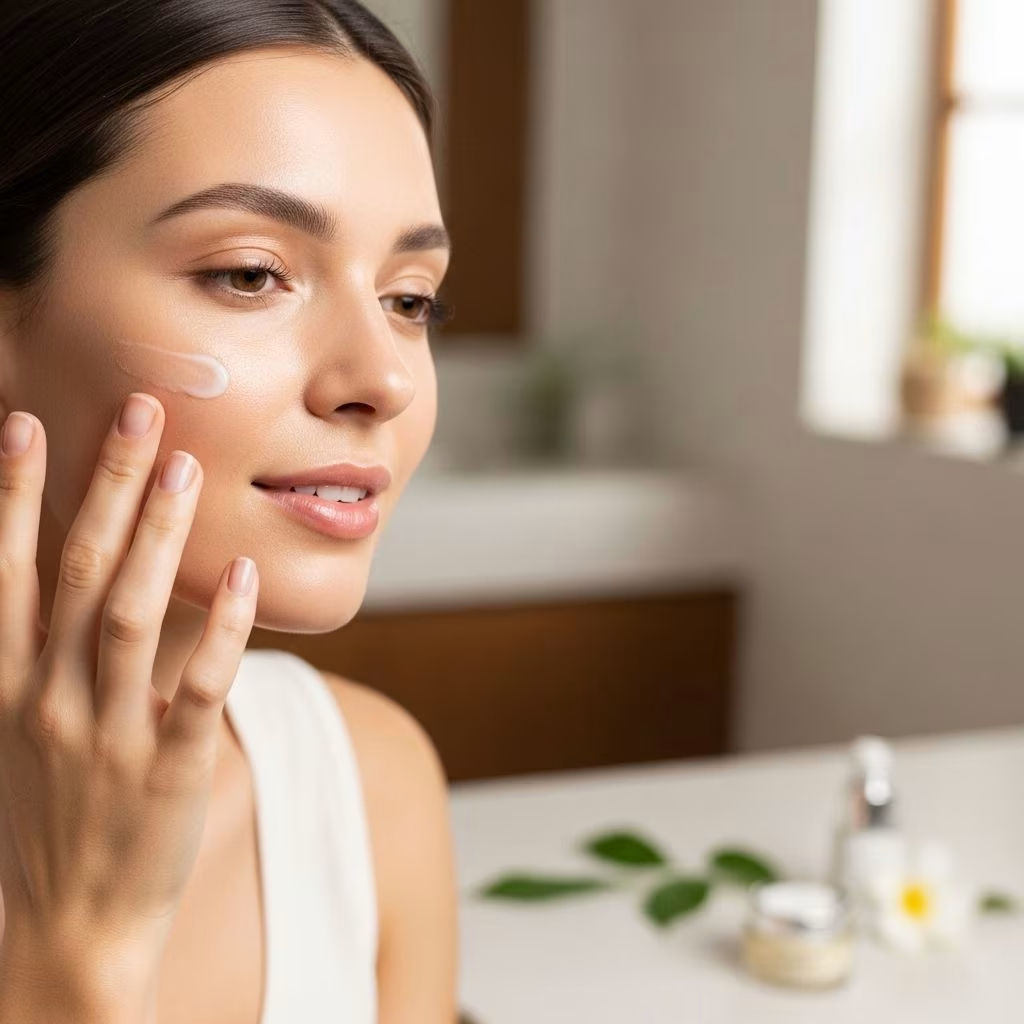
Ceramides have become one of the most talked-about ingredients in skincare, and for good reason. These naturally occurring lipid molecules play a crucial role in maintaining healthy, hydrated skin. As we age or expose our skin to environmental stressors, ceramide levels decline, leading to various skin concerns including dryness, sensitivity, and premature aging. Understanding what ceramides are and how they benefit your skin can revolutionize your skincare routine and help you achieve the healthy, glowing complexion you desire.
What Are Ceramides?
Ceramides are naturally occurring lipid molecules that make up approximately 50% of the skin’s outer barrier, known as the stratum corneum. These essential components are composed of sphingosine and fatty acids, creating a waxy, protective layer that helps maintain skin integrity and function.
The Structure and Function of Ceramides
The skin barrier consists of corneocytes (skin cells) held together by lipids, with ceramides being the most abundant. This structure is often compared to a brick wall, where the corneocytes are the bricks and the lipids, including ceramides, act as the mortar. This arrangement creates a protective barrier that prevents water loss and blocks harmful substances from penetrating the skin.
Ceramides work alongside other essential lipids like cholesterol and fatty acids to maintain the skin’s barrier function. When this system functions optimally, skin remains hydrated, protected, and healthy-looking.
Natural Ceramide Production
The body naturally produces ceramides through a complex enzymatic process. However, several factors can affect ceramide production and levels in the skin:
- Age – Natural ceramide production decreases significantly as we get older
- Environmental factors – UV exposure, pollution, and harsh weather conditions
- Over-cleansing or using harsh skincare products
- Certain medical conditions like eczema or atopic dermatitis
- Genetic factors that affect lipid metabolism
Skin Benefits of Ceramides
Research has extensively documented the numerous benefits that ceramides provide for skin health. These benefits make ceramides an essential component of any effective skincare routine.
Maintains and Strengthens Skin Barrier
The primary function of ceramides is maintaining the skin’s protective barrier. When ceramide levels decline, the stratum corneum becomes compromised, leading to tiny cracks that allow irritants to penetrate and moisture to escape. By replenishing ceramide levels, you can restore and strengthen this crucial barrier function.
A healthy skin barrier protects against environmental damage, bacteria, allergens, and other harmful substances while preventing excessive water loss. This protection is essential for maintaining overall skin health and preventing various skin conditions.
Boosts Hydration and Prevents Water Loss
One of the most significant benefits of ceramides is their ability to lock in moisture and boost skin hydration. When the skin barrier becomes compromised, it leads to transepidermal water loss (TEWL), where water passes through the epidermis and evaporates from the skin’s surface.
Research demonstrates that ceramide-containing products can significantly decrease TEWL, resulting in improved hydration and better barrier function. This increased hydration helps soften and smooth the skin, improving its overall appearance and texture.
Anti-Aging and Skin Rejuvenation
As we age, our skin loses structural proteins like collagen, elastin, and keratin, leading to visible signs of aging such as wrinkles, fine lines, and sagging. Ceramides can help combat these effects by supporting the skin’s natural renewal processes.
Ceramide creams can stimulate the production of keratinocytes, which produce keratin. This increase in keratin helps rejuvenate the skin barrier and reduce visible signs of aging. Regular use of ceramide products can help maintain skin elasticity and firmness while minimizing the appearance of fine lines and wrinkles.
Protection Against UV Damage
UV exposure is responsible for approximately 90% of visible skin changes, including wrinkles, fine lines, and pigmentation issues. Recent studies have shown that ceramide-containing moisturizers and sunscreens can provide additional protection against UV damage to the skin barrier.
These products not only protect against immediate sun damage but also help improve skin hydration, maintain normal cell turnover, and combat redness and hyperpigmentation caused by photoaging.
Reduces Inflammation and Sensitivity
Ceramides play a crucial role in regulating skin inflammation and reducing sensitivity. When the skin barrier is compromised, it becomes more susceptible to irritation and inflammatory conditions such as eczema, psoriasis, and dermatitis.
By restoring barrier function, ceramides help calm inflammation and reduce skin sensitivity, making them particularly beneficial for people with sensitive or reactive skin types.
How to Use Ceramides in Your Skincare Routine
Incorporating ceramides into your skincare routine is relatively straightforward, but understanding the best practices can help you maximize their benefits.
When to Apply Ceramide Products
Ceramide products are typically formulated as moisturizers, serums, or cleansers and can be used both morning and evening. The key is to apply them to clean, slightly damp skin to help lock in moisture.
For optimal results, follow this application order:
- Cleanse your face with a gentle, preferably ceramide-containing cleanser
- Apply any treatment serums or actives
- Apply your ceramide moisturizer while skin is still slightly damp
- Follow with sunscreen during your morning routine
Layering with Other Skincare Ingredients
Ceramides are generally well-tolerated and compatible with most other skincare ingredients. They work particularly well when combined with:
- Hyaluronic acid for enhanced hydration
- Niacinamide for additional barrier support
- Peptides for anti-aging benefits
- Gentle acids like lactic acid for exfoliation
However, when introducing new products containing ceramides, it’s always advisable to perform a patch test first to ensure compatibility with your skin.
Frequency of Use
Unlike some active ingredients that require gradual introduction, ceramides can typically be used daily from the start. Most people benefit from using ceramide products twice daily – once in the morning and once in the evening.
Consistency is key when using ceramide products. Regular, daily use will provide the most significant benefits for skin barrier health and overall skin appearance.
Types of Ceramides
Not all ceramides are created equal. Understanding the different types can help you make informed choices about skincare products.
Natural vs. Synthetic Ceramides
Natural ceramides are found in the skin and are identical to those your body produces. However, most skincare products contain synthetic ceramides, which are chemically identical to natural ceramides but created in laboratories. Synthetic ceramides are more stable, cost-effective, and equally effective as their natural counterparts.
Plant-Derived Ceramides
Some products feature plant-derived ceramides, which are extracted from sources like rice, wheat, or soybeans. These ceramides are chemically similar to human ceramides and can effectively support skin barrier function. Plant-derived ceramides are often preferred by those seeking natural or vegan skincare options.
Ceramide Classifications
Scientists have identified several types of ceramides, classified as Ceramides 1-9 (or using nomenclature like EOP, NP, AP, etc.). Each type has slightly different properties and functions:
| Ceramide Type | Primary Function | Key Benefits |
|---|---|---|
| Ceramide EOP (Ceramide 1) | Barrier integrity | Essential for maintaining skin barrier structure |
| Ceramide NP (Ceramide 3) | Hydration | Excellent water-binding properties |
| Ceramide AP (Ceramide 6) | Skin renewal | Supports cellular turnover and renewal |
Choosing Ceramide Products
With numerous ceramide products available, selecting the right ones for your skin type and concerns is essential for achieving optimal results.
Product Formulations
Ceramides are available in various product formulations, each with specific benefits:
- Moisturizers: The most common form, ideal for daily hydration and barrier repair
- Serums: Concentrated formulations that penetrate deeper into the skin
- Cleansers: Gentle cleansing while supporting barrier function
- Toners: Lightweight hydration and barrier preparation
- Masks: Intensive treatment for severely compromised barriers
What to Look for on Labels
When selecting ceramide products, look for:
- Multiple types of ceramides in the formulation
- Complementary ingredients like cholesterol and fatty acids
- Concentration information (though many brands don’t disclose specific percentages)
- Packaging that protects the product from light and air
- Products from reputable brands with clinical testing
Skin Type Considerations
Different skin types may benefit from different ceramide formulations:
- Dry skin: Rich, creamy moisturizers with high ceramide content
- Oily skin: Lightweight serums or gel-based formulations
- Sensitive skin: Gentle, fragrance-free formulations with minimal additional ingredients
- Mature skin: Products combining ceramides with anti-aging actives
Potential Side Effects and Precautions
Ceramides are generally considered safe and well-tolerated by most skin types. However, as with any skincare ingredient, there are some considerations to keep in mind.
Common Side Effects
True reactions to ceramides themselves are rare, but some people may experience:
- Mild irritation if the product contains other potentially sensitizing ingredients
- Breakouts if the formulation is too heavy for their skin type
- Allergic reactions to other ingredients in the product formulation
Precautions and Testing
Before incorporating any new ceramide product into your routine:
- Perform a patch test on a small area of skin and wait 24-48 hours for any reaction
- Start with once-daily application to assess tolerance
- Check ingredient lists carefully if you have known allergies
- Consult with a dermatologist if you have persistent skin conditions
Special Considerations
Certain groups should take extra precautions:
- Pregnant or nursing women: While topical ceramides are generally safe, always consult healthcare providers about new products
- People with severe skin conditions: Those with conditions like severe eczema should work with dermatologists
- Those taking medications: Some medications can affect skin sensitivity
Frequently Asked Questions (FAQs)
Q: How long does it take to see results from using ceramide products?
A: Most people notice improved hydration within a few days to a week of consistent use. Significant barrier repair and anti-aging benefits typically become apparent after 4-6 weeks of regular use.
Q: Can ceramides be used with retinoids or acids?
A: Yes, ceramides actually complement retinoids and acids by helping to repair and strengthen the skin barrier, which can become compromised when using these active ingredients. They can help minimize irritation and dryness.
Q: Are ceramide supplements as effective as topical products?
A: While some studies suggest oral ceramide supplements may have benefits, topical application is generally considered more effective for direct skin barrier repair and hydration.
Q: Can people with acne-prone skin use ceramide products?
A: Absolutely. Ceramides can benefit acne-prone skin by maintaining barrier function and reducing inflammation. Choose lightweight, non-comedogenic formulations to avoid clogging pores.
Q: Do I need to use multiple ceramide products, or is one enough?
A: One well-formulated ceramide product can provide significant benefits. However, using multiple products (like a ceramide cleanser and moisturizer) can provide comprehensive barrier support.
Q: Are there any ingredients that shouldn’t be mixed with ceramides?
A: Ceramides are generally compatible with most ingredients. However, extremely high pH products or very harsh exfoliants might interfere with ceramide function.
Q: Can ceramide products expire or lose effectiveness over time?
A: Yes, like all skincare products, ceramide formulations can degrade over time. Store products in cool, dry places away from direct sunlight and use them within their expiration dates for optimal effectiveness.
Ceramides represent one of the most scientifically-backed and universally beneficial ingredients in modern skincare. Whether you’re dealing with dryness, aging, sensitivity, or simply want to maintain healthy skin, incorporating ceramides into your routine can provide significant benefits. By understanding what ceramides are, how they work, and how to use them effectively, you can harness their power to achieve healthier, more resilient, and radiant skin. Remember to choose products appropriate for your skin type, introduce them gradually, and maintain consistency for the best results.
References
- https://www.medicalnewstoday.com/articles/benefits-of-ceramide-for-skin
- http://www.webmd.com/beauty/what-to-know-about-ceramides-for-skin
- https://www.nature.com/articles/s41598-022-09231-8
- https://pubmed.ncbi.nlm.nih.gov/39912256/
- https://pubmed.ncbi.nlm.nih.gov/39113291/
- https://www.seppic.com/article/Ceramides-Skin-Wellness-From-Science-to-Formulation-Excellence
- https://onlinelibrary.wiley.com/doi/10.1111/ics.12972
- https://jddonline.com/articles/supplement-individual-article-the-importance-of-a-healthy-skin-barrier-from-the-cradle-to-the-grave-using-ceramide-containing-cleansers-and-moisturizers-a-review-and-consensus-S1545961623SSF344607s3X/


