


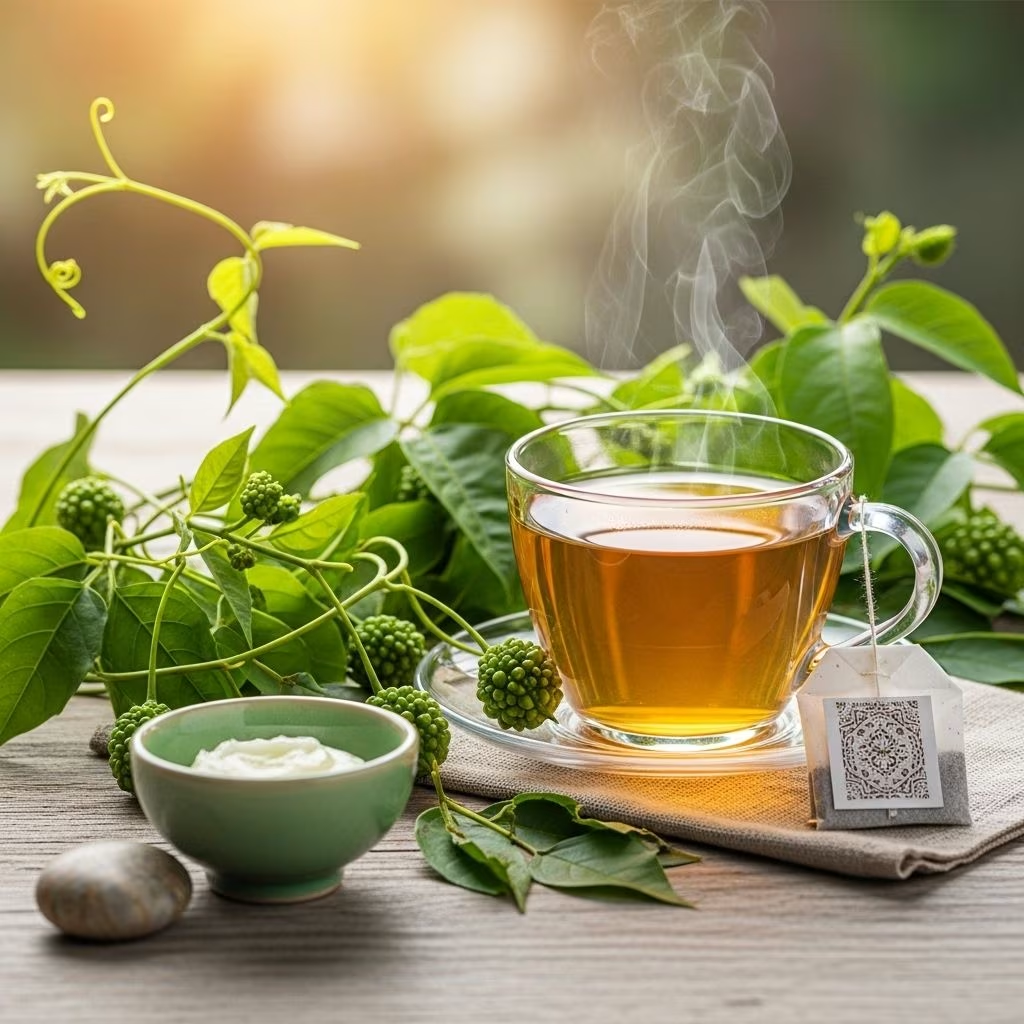
Cerasee Tea Benefits for Eczema: A Comprehensive Guide
Cerasee tea, derived from the leaves and stems of the bitter melon plant (Momordica charantia), has long been valued in Caribbean, African, and Asian folk traditions for its powerful cleansing, detoxifying, and skin-soothing properties. For individuals seeking natural approaches to eczema relief, cerasee tea offers a unique blend of antioxidants, anti-inflammatory agents, and skin health benefits. This detailed guide explores cerasee tea’s core advantages, the science behind its effectiveness, preparation tips, precautions, and answers to frequently asked questions.
About Cerasee: Origins and Traditional Uses
Cerasee, also called bitter melon vine, asosi, or corilla, thrives in tropical regions, especially the Caribbean, West Africa, and Southeast Asia. Traditionally, cerasee has been brewed as tea for its multipurpose healing attributes. Its dense nutritional profile includes vitamins A, C, E, iron, and phosphorus, but its most notable features come from its phytochemical content—flavonoids, polyphenols, triterpenoids, catechins, and gallic acid—which grant it significant antioxidant, anti-inflammatory, and antimicrobial properties.
- Caribbean remedies use cerasee as a blood cleanser, digestive aid, and skin treatment.
- In Haiti and Jamaica, cerasee leaves are also applied directly to the skin or used in bush baths for rashes, eczema, and other skin problems.
- Asian traditions value bitter melon tea for managing diabetes and supporting liver health.
Cerasee Tea for Eczema Relief
Eczema is a chronic skin condition characterized by itchy, inflamed, and sometimes oozing patches of skin. Herbalists, particularly in the Caribbean, frequently recommend cerasee tea to soothe eczema symptoms, either through consumption or topical application.
Why Cerasee is Effective for Eczema
- Anti-Inflammatory Agents: Cerasee’s flavonoids, gallic acid, and triterpenoids help reduce inflammation and skin irritation.
- Antimicrobial Properties: Regular use may help protect against secondary bacterial or fungal infections often associated with broken eczema skin.
- Antioxidant Content: Cerasee’s antioxidants scavenge free radicals, potentially reducing oxidative stress that worsens skin flares and delays healing.
- Traditional Skin Applications: Bush baths or direct applications of cerasee-infused water are credited in Caribbean folk medicine with soothing rashes, eczema, and minor lesions.
Some users report a reduction in itchiness, redness, and the severity of eczema flare-ups after incorporating cerasee tea or soaks into their routines. Though scientific research remains limited, animal studies and centuries of traditional knowledge support its use.
Wider Skin Benefits of Cerasee
Cerasee’s skin-health advantages extend far beyond eczema. Its properties are valued for managing a range of skin conditions:
- Acne: Its antibacterial and anti-inflammatory effects help reduce acne-causing bacteria and soothe inflamed pimples.
- Rashes: Cerasee tea or baths are used for soothing various types of skin rashes and irritation.
- Psoriasis: Antioxidant content may help alleviate inflammation in psoriasis, though more research is needed.
- Fungal and Bacterial Infections: Topical application can help with ringworm and other superficial skin infections.
- Wounds & Sores: Traditional use includes promoting healing of minor wounds and ulcers when the skin is soaked or bathed in cerasee-infused water.
- Slows Skin Aging: Flavonoids and carotenoids in cerasee help neutralize toxins, potentially slowing cellular aging and helping maintain a clear complexion.
Key Health Benefits Beyond Skin
While cerasee tea’s most visible impact is on skin health, ongoing research and folk wisdom attribute several internal benefits to its regular use:
| Benefit | Description |
|---|---|
| Blood Sugar Regulation | Widely used in Jamaican and Asian herbal medicine to help control blood glucose levels, making it supportive for people with diabetes. Animal and limited human studies suggest cerasee may enhance insulin sensitivity and lower fasting and postprandial (after-meal) blood sugar. |
| Blood Pressure & Heart Health | Contains gallic acid, potassium, and catechin, which may help lower cholesterol and blood pressure, supporting cardiovascular health. |
| Cancer-Fighting Potential | Animal studies suggest cerasee extracts may inhibit the growth of certain cancer cells, although robust clinical trials in humans are lacking. |
| Immune Support | Rich in vitamins A, C, and E, cerasee tea may strengthen immune responses and help fight off viral and bacterial infections. |
| Menstrual Relief | Caribbean women use cerasee tea to alleviate pain and cramps during menstruation. |
| Digestion & Bloating | Cerasee’s bitter taste stimulates bile production, helping digest fatty or heavy foods and reducing bloating and constipation. |
| Parasites & Worms | Antimicrobial compounds can help combat internal parasites; cerasee is used as a traditional dewormer. |
Detoxification and Cleansing Properties
Cerasee’s detoxifying reputation is well-deserved. This bitterness, while often a challenge for new tea drinkers, comes from natural compounds with strong cleansing effects:
- Flushes Toxins: Acts as a natural diuretic, helping cleanse the blood, liver, and skin by promoting urine production and elimination of waste.
- Traditional Body Cleanser: Regularly consumed by those seeking a seasonal or post-illness reset; believed to expel toxins, residues of medication, and accumulated impurities.
- Natural Laxative Effect: May gently stimulate bowel movements and relieve mild constipation.
Note: Due to its potency, excessive use over prolonged periods can be dehydrating and is not recommended.
How to Prepare Cerasee Tea for Skin Health
Preparing cerasee tea is straightforward but requires attention to potency:
- Ingredients: Use fresh or dried cerasee leaves and stems. Store-bought tea bags are a convenient alternative.
- Method:
- Boil water in a pan.
- Add a small handful of fresh or dried cerasee (roughly 2–3 grams per cup).
- Simmer for at least 5–7 minutes.
- Strain and serve hot. Add honey or lemon for flavor if the bitterness is overwhelming.
- For Skin Soaks: Boil a larger quantity. Allow it to cool, then use as a wash or add to bathwater for a soothing soak. Apply several times weekly as needed.
Some popular variations combine cerasee with ginger or other herbs. Adjust brewing strength to desired taste and effect.
Recommended Dosage and Safety Precautions
While cerasee tea offers clear benefits, safety is crucial:
- Standard Dosage: No established clinical dosage exists. Traditional use often suggests 1–2 cups per day for no more than 7–10 days at a time.
- Hydration: Drink plenty of water alongside to prevent dehydration.
- Special Populations: Cerasee tea is NOT recommended for pregnant or breastfeeding women or very young children due to the potential for strong uterine effects and risk of toxicity.
- Health Conditions: Individuals with chronic conditions, especially hypoglycemia, kidney issues, or those taking prescription medication should consult a healthcare professional before use.
Frequently Asked Questions (FAQs)
What is cerasee tea made from?
Cerasee tea is made from the leaves and stems of Momordica charantia (bitter melon vine), not the bitter melon fruit itself. It grows wild in many tropical regions and is widely used in Caribbean and African herbal medicine.
How does cerasee tea help eczema?
Cerasee tea’s anti-inflammatory, antibacterial, and antioxidant compounds help soothe skin irritation, fight infection, and promote healing, which is especially useful in managing eczema flare-ups. It can be consumed as a tea or used topically through soaks and bush baths.
How long should I drink cerasee tea for eczema or detox?
Traditional recommendations suggest drinking cerasee tea once daily for a 7–10 day course, pausing to avoid overuse. For topical use, it can be used up to several times per week. Always consult with a healthcare provider for individual advice.
Are there any side effects?
Potential side effects of excessive consumption include dehydration, digestive upset, and, rarely, liver toxicity or hypoglycemia. Avoid during pregnancy or if you have underlying health conditions without medical advice.
Is cerasee tea safe for children?
Cerasee tea is not recommended for very young children due to its potency. Always check with a pediatrician or qualified herbalist before introducing to children’s routines.
Can I combine cerasee tea with other remedies?
Yes, cerasee is often combined with ginger or other herbs in folk traditions, but moderation is key. Monitor for potential herb–drug interactions if you’re taking existing medication.
Conclusion
Cerasee tea remains a powerful and valued remedy for eczema and skin health, blending traditional wisdom with emerging scientific support. Its therapeutic properties extend beyond skin, aiding in detoxification, immune support, and overall health. However, due to its potency, individuals considering regular use should consult with a healthcare provider—especially if pregnant, breastfeeding, chronically ill, or taking medications. Used wisely and with respect for tradition, cerasee tea continues to offer comfort and healing to those seeking natural solutions for eczema and beyond.
References
- https://healthiersteps.com/cerasee-tea/
- https://www.medicinenet.com/does_cerasee_tea_have_health_benefits/article.htm
- https://eurysmarket.com/blogs/recipes/discover-the-power-of-asosi-haitian-herb-eurys-market-com
- https://oceanmoss.co.uk/blogs/news/benefits-of-cerasee-tea
- https://fiwiroots.com/herbal/cerasse.html
- https://www.healthline.com/nutrition/cerasee-tea-benefits
- https://www.naturalmiracles.co.uk/cerasee
- https://www.lemon8-app.com/@emocatalyst/7451266796998525482?region=us


