


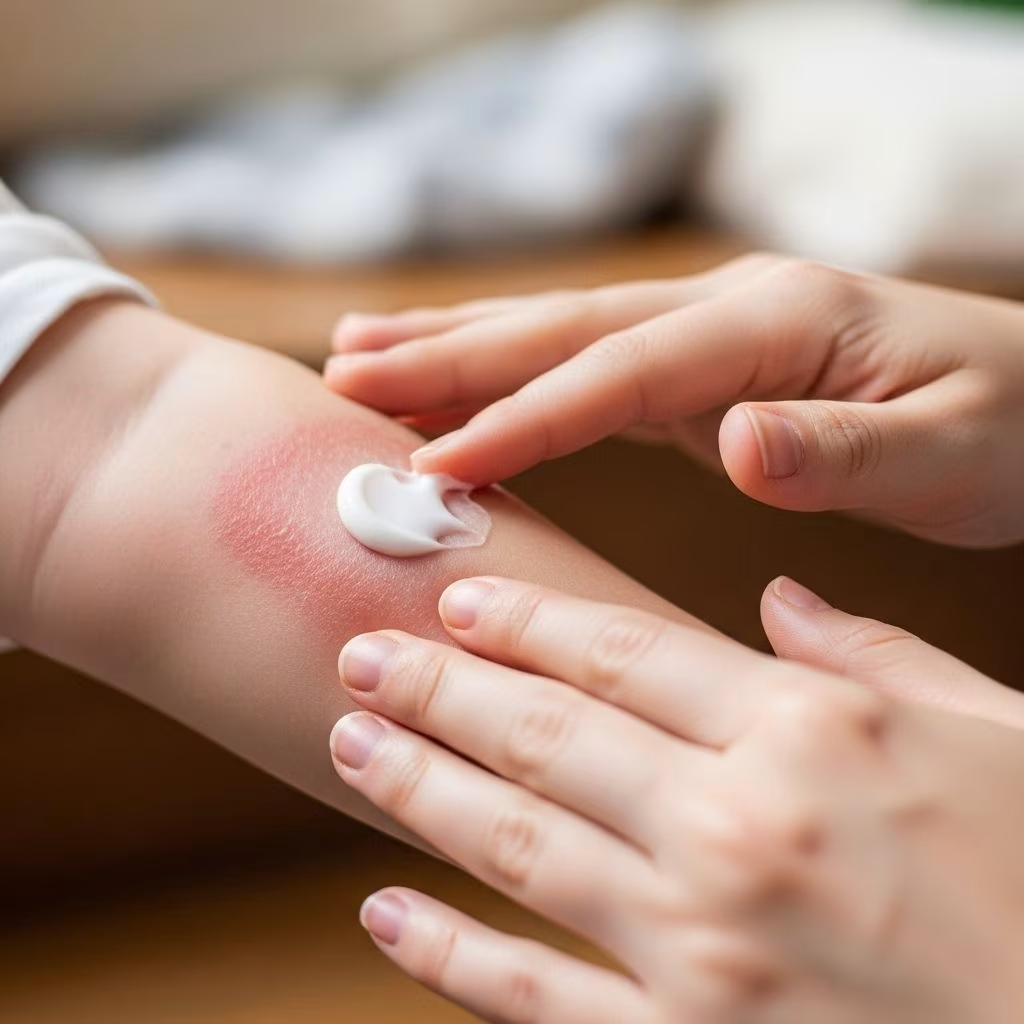
Effective Home Remedies to Relieve Childhood Eczema Itch
Childhood eczema, clinically known as atopic dermatitis, can cause persistent discomfort through intense itching, skin dryness, and irritation. While medical treatments are important, a variety of evidence-based home remedies and daily routines can help soothe symptoms and minimize flare-ups. This comprehensive guide reviews practical strategies such as specialized baths, moisturizing techniques, clothing choices, and allergen avoidance for children living with eczema.
Understanding Childhood Eczema and Itch
Eczema is a chronic inflammatory skin disorder that usually begins in infancy or early childhood. The skin’s protective barrier is compromised, resulting in dryness, itch, and increased susceptibility to irritants and allergens. Itching is a predominant symptom and can severely disrupt sleep and daily activities. Combating itch requires a multifaceted approach involving prevention, skin care, and environmental modifications.
Top Home Remedies and Daily Routines to Relieve Eczema Itch
- Regular Moisturizing
- Bathing and “Soak and Seal” Methods
- Use of Colloidal Oatmeal
- Bleach Baths for Moderate-to-Severe Cases
- Wet Wrap Therapy
- Cool Compresses
- Avoidance of Irritants and Triggers
- Recommended Clothing Choices
- Environmental Humidity Management
Regular Moisturizing: The Foundation for Eczema Relief
Routine moisturizing, especially after bathing, is critical to supporting the skin’s barrier and alleviating dryness and itch. Select a thick, fragrance-free cream or ointment rather than lotion, as they retain moisture better and minimize irritation. Apply moisturizer at least twice daily and immediately after bathing to “lock in” hydration. Opt for products labeled as hypoallergenic and avoid those containing alcohol, fragrances, or preservatives that can trigger reactions in sensitive skin.
Bathing Strategies and the “Soak and Seal” Method
Bathing can benefit eczema when performed correctly. Use lukewarm water (not hot) for baths or showers, limiting the duration to 10-15 minutes. Immediately after bathing:
- Gently pat skin dry with a soft towel (avoid rubbing).
- Apply moisturizer while the skin is still slightly damp.
This “soak and seal” routine helps replenish skin moisture and reinforce the protective barrier, decreasing dryness and subsequent itch sensations.
Oatmeal Baths: Natural Soothing and Relief
Colloidal oatmeal—finely ground oats suspended in water—can significantly reduce itching and inflammation. Add colloidal oatmeal to lukewarm bath water and soak for 10-15 minutes. Alternatively, apply an oatmeal paste directly to affected areas for targeted relief. Oatmeal works by calming irritation, softening rough skin, and restoring the skin barrier. Look for over-the-counter eczema care products containing colloidal oatmeal or prepare your own by finely grinding whole oats.
Key benefits:
- Reduces itch and irritation through anti-inflammatory compounds.
- Restores moisture without harsh chemicals.
- Safe for infants and children; test on a small area first.
Oatmeal baths may be repeated several times weekly, especially during flare-ups or periods of severe itching.
Bleach Baths: Medically Supervised Option for Severe Eczema
For moderate-to-severe eczema with recurrent skin infections, bleach baths—using a dilute household bleach solution—may be recommended by dermatologists. They help by reducing skin surface bacteria that can aggravate eczema. Use only plain (unscented) household bleach and follow medical guidance:
- Add 1/4 to 1/2 cup of bleach to a full bathtub of water (around 40 gallons).
- Sit in the bath for 10 minutes, keeping the head above water.
- Rinse off thoroughly with clean, warm water and follow with moisturizer.
Bleach baths are generally safe two to three times per week, but consult your pediatrician before starting this regimen, especially in young children or those with sensitive skin.
| Feature | Colloidal Oatmeal Bath | Bleach Bath |
|---|---|---|
| Primary Benefit | Calms inflammation, relieves itch | Reduces skin bacteria, lessens infection risk |
| Typical Use | Mild to moderate eczema symptoms | Moderate to severe eczema, frequent infections |
| Safety | Safe for most ages; test for sensitivity | Consult doctor before use; not for everyone |
| Frequency | Multiple times per week | 2-3 times per week, as directed |
Wet Wrap Therapy: Maximum Hydration for Severe Itch
Wet wrap therapy helps intensively moisturize skin and rapidly reduce itch, especially during flares. After applying a thick layer of moisturizer or medicated ointment to affected areas, cover them with a layer of damp, clean cotton bandages or clothing, then top with a dry layer. Keep wraps on for a few hours or overnight.
Wet wraps work by:
- Enhancing skin absorption of topical treatments.
- Preventing scratching and protecting sensitive areas.
- Rapidly calming severe itch and inflammation.
This method is suitable for both infants and older children, especially during acute flares. Ensure wet wraps are not too tight and use only clean materials. Consult your doctor for guidance on frequency and use with prescription ointments.
Cool Compresses and Simple Itch Reduction Strategies
- Apply a clean, damp cloth or cold compress on itchy skin for 5-10 minutes to lower skin temperature and sensation of itch.
- Pat or pinch itchy areas instead of scratching (scratching increases inflammation and risk of infection).
- Keep fingernails short and smooth to minimize skin damage if scratching does occur.
Avoidance of Irritants, Allergens, and Triggers
Preventing exposure to known triggers can greatly reduce itch and flare frequency. Triggers vary, but common culprits include:
- Fragrances and harsh chemicals in soaps, detergents, and skincare products.
- Rough, synthetic, or wool clothing and bedding.
- Heat, sweat, or sudden changes in temperature.
- Pollen, pet dander, dust mites, and other household allergens.
Choosing the Right Clothing and Fabrics
Select soft, breathable, natural fibers like cotton for clothing and pajamas, as these minimize irritation and overheating. Avoid wool, acrylics, and tightly woven synthetic materials that trap sweat and are more abrasive to the skin.
Wash all new clothes before wearing, and use gentle, fragrance-free laundry detergents. Dress your child in loose-fitting garments to reduce friction and heat buildup that could precipitate itching.
Laundry and Skin Sensitivity
- Use mild, fragrance-free laundry detergents.
- Double rinse clothing and bedding to remove detergent residue.
- Avoid fabric softeners and dryer sheets with heavy scent or chemical additives.
Environmental Humidity Management: Prevent Skin Drying
Dry air, particularly from heating in winter or air conditioning in summer, can worsen eczema symptoms and itching. Use a humidifier in your home to keep skin comfortably hydrated. Maintain indoor humidity between 40-50% and clean humidifiers regularly to prevent mold and bacterial buildup.
Natural Oils and Alternative Remedies
- Coconut oil: Has antibacterial fatty acids and restores skin barrier. Use cold-pressed or virgin coconut oil after bathing.
- Sunflower oil: Helps lock in moisture and soothe itching. Apply to damp skin post-bath. Avoid if allergic to sunflower seeds.
- Aloe vera: Provides calming and cooling sensations for irritated skin. Use pure aloe or products specifically formulated for sensitive skin.
Always patch-test new oils or natural products to ensure no allergic reaction occurs. Discontinue use if redness or increased irritation develops.
Prevention and Daily Care Tips
- Establish a consistent daily moisturizing routine—especially after bathing—to maintain skin barrier function.
- Monitor for early signs of flare-ups and employ home remedies proactively.
- Test new skin care products on a small area before full application.
- Keep environmental irritants minimized at home.
Nighttime Strategies: Preventing Scratching During Sleep
- Use cotton gloves on your child’s hands or keep nails trimmed short to minimize damage from scratching.
- Choose soft cotton sheets and sleepwear; avoid hot or restrictive bedding.
- Maintain a slightly humid room to keep skin hydrated and comfortable.
Special Considerations for Infants
- Check skin regularly during diaper changes for signs of eczema rash, particularly on the torso, cheeks, arms, and legs.
- Choose infant-appropriate, fragrance-free lotions and ointments approved for sensitive skin.
- Employ wet wrap therapy for stubborn areas, especially overnight.
- Prevent scratching by using mittens and keeping nails short.
- Consult your pediatrician before trying new home remedies, especially bleach baths or natural oils.
Frequently Asked Questions (FAQs)
Q: How often should I moisturize my child’s eczema-prone skin?
A: Moisturize at least twice daily and immediately after every bath or shower to maintain hydration and prevent flare-ups.
Q: Are bleach baths safe for young children with eczema?
A: Dilute bleach baths may be beneficial for moderate-to-severe cases under medical supervision. Always consult your child’s dermatologist or pediatrician before starting bleach baths, especially for infants or toddlers.
Q: Which fabrics should children with eczema wear?
A: Choose soft, breathable cotton fabrics. Avoid synthetic materials, wool, or tight clothing that can trap heat and irritate the skin.
Q: What should I do if home remedies do not provide itch relief?
A: If itching persists or worsens, consult your healthcare provider. Prescription medications or allergy testing may be necessary for optimal control.
Q: Can diet affect childhood eczema?
A: Some children have food-triggered eczema, especially involving eggs, dairy, soy, or nuts. Discuss any suspected dietary allergies with your doctor before eliminating foods.
Safety Precautions and When to Contact a Doctor
See your pediatrician or dermatologist if:
- Your child’s eczema shows signs of infection (yellow crusting, oozing, increased redness, or swelling).
- Severe or persistent itching interferes with sleep or daily activities.
- Home remedies do not provide adequate relief.
- You suspect an allergic trigger or need guidance on bleach baths or prescription ointments.
Effective management of childhood eczema involves a combination of personalized home remedies, preventive care, and professional oversight. With patient, consistent care, children can experience significant relief and improved quality of life.
References
- https://health.clevelandclinic.org/home-remedies-for-eczema
- https://www.medicalnewstoday.com/articles/324228
- https://nationaleczema.org/blog/natural-treatments-for-eczema/
- https://newsnetwork.mayoclinic.org/discussion/home-remedies-relieve-and-reduce-itchy-eczema/
- https://www.webmd.com/skin-problems-and-treatments/eczema/eczema-home-treatment
- https://www.healthychildren.org/English/health-issues/conditions/skin/Pages/How-to-Treat-and-Control-Eczema-Rashes-in-Children.aspx
- https://www.healthline.com/health/natural-remedies-to-reduce-eczema-symptoms
- https://www.happyskindermatology.com/2024/05/24/top-10-tips-to-help-treat-baby-eczema/
- https://nationaleczema.org/eczema-management/itchy-skin/


