


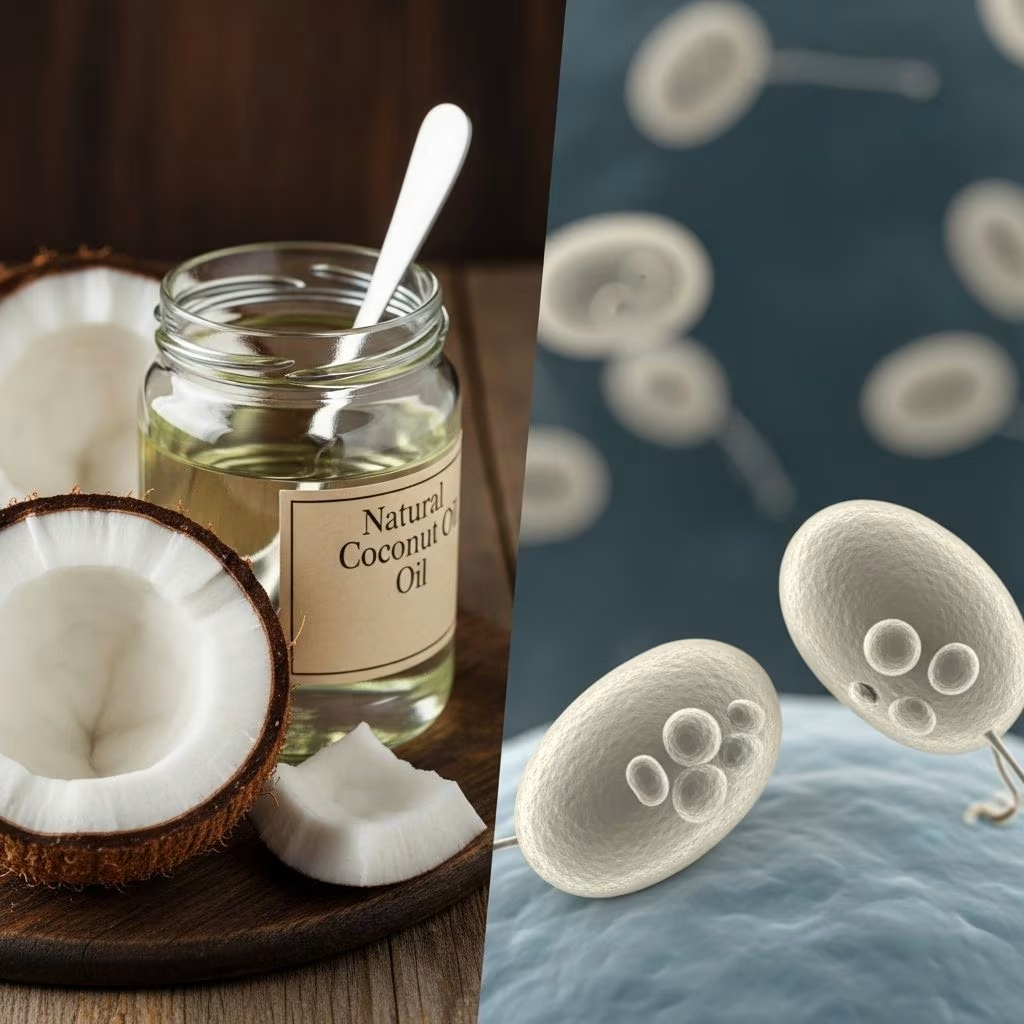
Is Coconut Oil an Effective Remedy for Candida? An Evidence-Based Guide
Candida infections—caused primarily by the overgrowth of Candida albicans—affect millions of people worldwide and can present a perplexing health challenge. In recent years, coconut oil has emerged as a promising natural remedy due to its purported antifungal and immune-supporting properties. But does science back up these claims? In this comprehensive guide, we unpack the research, benefits, uses, and caveats of coconut oil for managing Candida infections.
Understanding Candida: What Is It?
Candida is a genus of yeasts, with Candida albicans being the most common species found in humans. In balanced levels, Candida is harmless and even plays a role in digestion and nutrient absorption. However, overgrowth—commonly called Candida infection or candidiasis—can occur due to:
- Overuse of antibiotics
- High-sugar and carbohydrate diets
- Compromised immune systems
- Chronic stress
- Hormonal changes
Symptoms of Candida Overgrowth may include:
- Digestive issues (bloating, gas, diarrhea)
- Oral thrush (white patches in the mouth)
- Skin rashes
- Fatigue and brain fog
- Genital yeast infections
- Recurrent urinary tract infections
If left unchecked, severe overgrowth in immunocompromised people can lead to invasive, potentially life-threatening infections.
Why Coconut Oil? Composition and Antifungal Properties
Coconut oil is derived from the meat of mature coconuts. Its unique health-promoting abilities stem from its high levels of medium-chain fatty acids (MCFAs), particularly:
- Lauric acid: Makes up nearly 50% of coconut oil’s fatty acids and is potent against fungi, bacteria, and viruses.
- Caprylic acid: Known for directly disrupting the cellular membranes of Candida species.
- Capric acid: Has additional antimicrobial and anti-inflammatory effects.
Together, these fatty acids give coconut oil its antifungal and antimicrobial activities—properties that have attracted researchers exploring natural therapies for Candida.
Scientific Evidence: How Effective Is Coconut Oil Against Candida?
Multiple studies highlight the promise of coconut oil as an antidote to Candida overgrowth:
- Lab Studies (In Vitro): Virgin coconut oil exhibited significant activity against various Candida species at full concentration. One study found that C. albicans had high susceptibility to coconut oil, sometimes even more so than to the common antifungal drug fluconazole, especially among some resistant strains .
- Animal Research: In mouse models, a coconut oil-rich diet reduced Candida levels in the gastrointestinal (GI) tract by over 90% compared to beef tallow or soybean oil-enriched diets. The effect remained even when other fats were present .
- Potential for Reducing Antifungal Drug Dependence: Experts suggest coconut oil could be a supplementary therapy for those at risk of invasive candidiasis, possibly limiting the need for pharmaceutical antifungals and reducing the risk of drug resistance .
Summary Table: Scientific Findings
| Study Type | Key Findings |
|---|---|
| In vitro (lab) | Coconut oil was effective against various Candida species, sometimes outperforming common antifungals |
| Animal studies (mice) | Coconut oil-rich diet reduced GI Candida by >90% vs beef tallow or soybean oil |
| Expert opinion | Coconut oil may limit drug-resistant Candida and support GI health |
Note: While results are promising, most evidence comes from laboratory and animal research; comprehensive clinical trials in humans are still needed.
How Does Coconut Oil Attack Candida?
- Penetrates Fungal Cell Walls: MCFAs in coconut oil can break down the cell membranes of Candida, leading to cell death.
- Disrupts Biofilm Formation: Biofilms are protective matrices that help Candida evade drugs and immunity. Coconut oil inhibits their formation and persistence.
- Reduces Inflammation: Its anti-inflammatory action soothes gut tissue and aids healing where Candida has caused irritation .
How to Use Coconut Oil for Candida: Dosage and Methods
Coconut oil can be used both internally and topically depending on the nature and location of the Candida infection:
1. Dietary Use (Oral Ingestion)
- Cooking Oil: Replace common cooking oils with coconut oil for sautéing, baking, or frying. Its stability at high temperatures makes it ideal for most dishes.
- In Smoothies or Beverages: Stir 1 tablespoon of coconut oil into smoothed breakfast drinks or herbal teas. (Avoid caffeine and excessive sugar, which can worsen Candida.)
- Baking Ingredient: Use as a healthy substitute in recipes for muffins, pancakes, or energy balls.
- Start Small: If you’re new to coconut oil, begin with 1 teaspoon per day, gradually increasing to 2-3 tablespoons daily, depending on your tolerance and the advice of your healthcare provider.
2. Topical Application
- For Skin: Apply extra virgin coconut oil directly to areas affected by superficial Candida infections (such as rashes, athlete’s foot, or diaper rash) two or three times daily.
- For Oral Thrush: Swish 1 tablespoon of coconut oil (oil pulling) in your mouth for up to 10 minutes, then spit it out. Rinse with warm water. Repeat once or twice per day. Do not swallow, especially if oral candidiasis is present.
- For Vaginal Yeast Infections: Clean hands, then apply coconut oil externally to soothe itching and irritation. Some women use coconut oil suppositories, but consult a physician before internal use.
Other Health Benefits of Coconut Oil in the Candida Context
Why do holistic practitioners recommend coconut oil beyond its direct antifungal effects? Here’s how it supports broader wellness during Candida treatment:
- Enhances Immune Function: By supporting immune cells and creating an unfavorable environment for pathogens, coconut oil may help your body fight infections naturally .
- Improves Gut Health: Coconut oil helps maintain a balance between beneficial and harmful gut organisms, potentially reducing digestive symptoms associated with Candida.
- Assists in Nutrient Absorption: Its medium-chain fats are easily digestible and can boost the absorption of fat-soluble vitamins.
- Boosts Energy: MCFAs are rapidly converted into energy, countering Candida-induced fatigue.
- Supports Skin Healing: Used topically, coconut oil moisturizes and aids in renewing irritated, rash-prone skin.
Safety, Side Effects, and Precautions
While coconut oil is generally recognized as safe for most healthy adults, it’s important to consider the following:
- Start Slowly: Large initial doses may cause stomach upset or loose stools in some people.
- Caloric Content: Like all oils, coconut oil is calorie-dense (about 120 calories per tablespoon); moderate use is advised if you’re watching your weight.
- Allergies: Coconut allergies are rare but possible. Discontinue use if you develop hives, swelling, or difficulty breathing.
- Quality Matters: Choose extra virgin, cold-pressed coconut oil to avoid potentially harmful additives.
- Consult Healthcare Providers: If you are pregnant, breastfeeding, immunocompromised, or taking antifungal medications, consult your healthcare provider before using coconut oil as a remedy.
Note: While coconut oil can supplement antifungal treatment, it should not replace prescribed medications for severe or systemic Candida infections without medical supervision.
Dietary and Lifestyle Strategies for Combating Candida
Coconut oil is most effective for Candida when combined with healthy habits:
- Low-sugar diet: Starves Candida by eliminating processed sugars, sweets, and refined grains.
- Increase probiotics: Incorporate probiotic-rich foods (yogurt, sauerkraut, kimchi) or supplements to restore gut flora balance.
- Avoid excess alcohol and caffeine: Especially during an anti-Candida protocol; these substances can irritate the gut and promote yeast.
- Manage stress: Chronic stress weakens immunity; practice mindfulness, exercise, and get adequate sleep.
- Eat plenty of non-starchy vegetables: Such as leafy greens, broccoli, cabbage, and peppers to support overall health and immunity.
After an anti-Candida protocol, if reintroducing coffee, choose mold- and mycotoxin-free options and pair with a balanced diet.
Frequently Asked Questions (FAQs)
Q: How long does it take for coconut oil to work against Candida?
A: There is no single answer—improvement depends on infection severity, individual health, and lifestyle factors. Some see relief within days for mild topical infections, while systemic issues may take several weeks alongside other therapies.
Q: Can coconut oil alone cure a severe Candida infection?
A: Severe or systemic infections require medical attention. Coconut oil can be a supportive therapy, but do not use it as your only form of treatment without consulting your healthcare provider.
Q: Is it safe to eat coconut oil every day for prevention?
A: For most people, yes—when consumed in moderation (1–3 tablespoons daily) and as part of a balanced diet. Monitor your response and consult your doctor if you have chronic conditions or concerns.
Q: Does coconut oil help prevent the recurrence of yeast infections?
A: Regular, mindful use of coconut oil may help create a less favorable environment for Candida, supporting prevention. Use in tandem with healthy dietary and lifestyle habits for best results.
Q: Which type of coconut oil is best for Candida?
A: Choose extra virgin (unrefined), cold-pressed coconut oil to ensure the highest levels of beneficial fatty acids and avoid processing chemicals.
References and Studies
- Lab studies: Ogbolu DO et al. In vitro antimicrobial properties of coconut oil on Candida species.
- Animal studies: mSphere (ASM Journal), HCP Live reporting on Tufts University research.
- Additional analysis and holistic approach: Modern Medicine blog synthesis.
The use of coconut oil as an adjunct in managing Candida infections is supported by emerging science and traditional wisdom. However, always consult your healthcare provider for guidance tailored to your unique health needs.
References
- https://mymodernmedicine.com/coconut-oil-for-candida-the-benefits/
- https://www.hcplive.com/view/coconut-oil-may-be-the-answer-for-fungi-in-the-gi-tract
- https://pubmed.ncbi.nlm.nih.gov/17651080/
- https://journals.asm.org/doi/10.1128/msphere.00020-15
- https://www.healthline.com/health/womens-health/coconut-oil-for-yeast-infection
- https://www.webmd.com/women/remedies-yeast-infections
- https://obgynmiami.com/blog/how-to-treat-a-yeast-infection/
- https://pmc.ncbi.nlm.nih.gov/articles/PMC5651072/


