


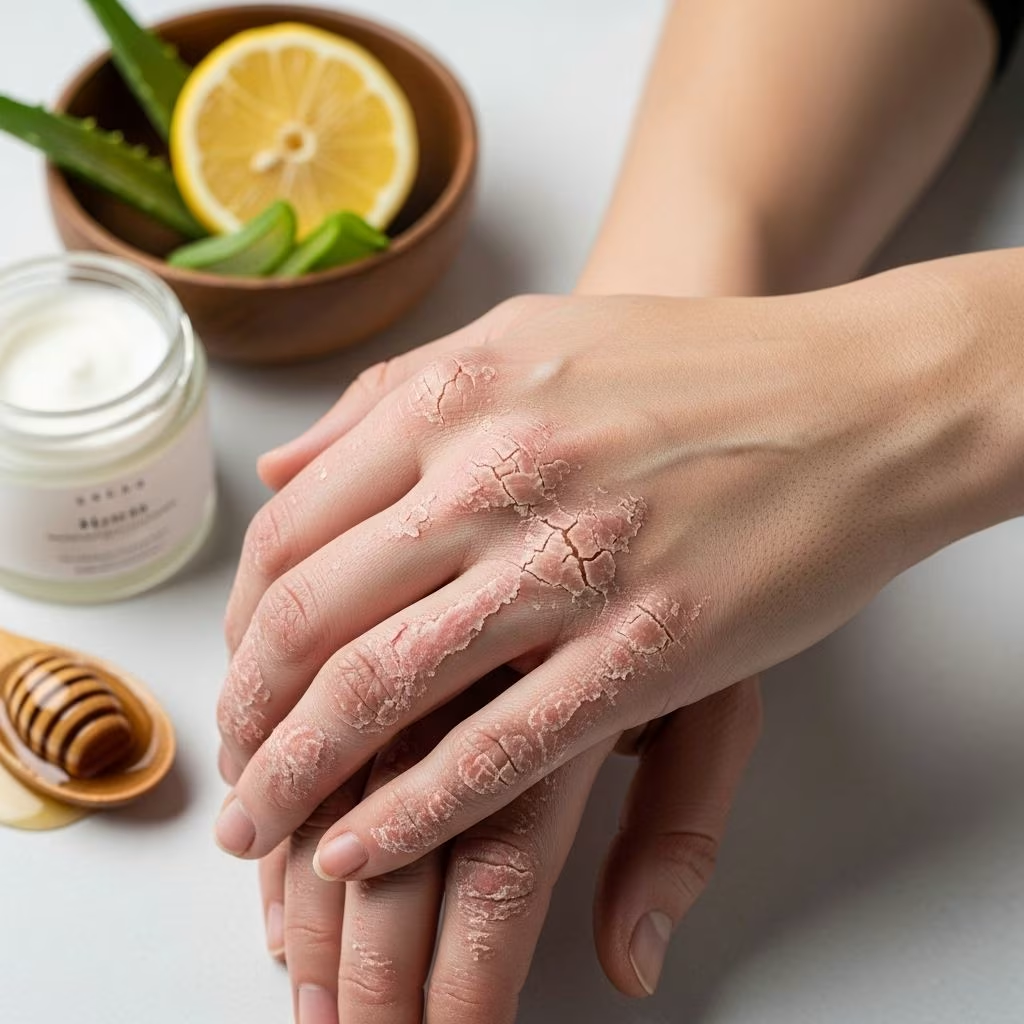
Cracked hands represent one of the most common skin concerns affecting millions of people worldwide. This uncomfortable condition manifests as fissures, splits, or cuts in the skin, particularly on the hands, fingers, and knuckles. While often considered a minor cosmetic issue, severely cracked hands can become painful, bleed, and even lead to infections if left untreated. Understanding the root causes and implementing effective treatment strategies can help restore skin health and prevent future damage.
Understanding Cracked Hands: What Causes This Common Condition
Cracked skin on the hands develops when the skin loses its natural moisture barrier and becomes excessively dry. Multiple factors contribute to this condition, ranging from environmental triggers to underlying health issues. The hands are particularly vulnerable because they contain fewer oil glands compared to other body parts and are constantly exposed to harsh conditions throughout daily activities.
Environmental factors play a significant role in hand skin health. During winter months, harsh temperatures and wind irritate the skin, while low air humidity strips moisture from the epidermis. Cold weather forces the skin to work harder to maintain its protective barrier, often leading to dryness and subsequent cracking. Similarly, excessive sun exposure can damage skin cells and reduce the skin’s ability to retain moisture.
Frequent handwashing and water exposure represent major culprits behind cracked hands. While maintaining hand hygiene is essential, washing hands repeatedly with hot water and harsh soaps strips away the skin’s natural oils. Healthcare workers, food service employees, and parents of young children often experience this issue due to constant handwashing. Additionally, activities like dishwashing without protective gloves expose hands to hot water and harsh detergents that further compromise skin integrity.
Contact dermatitis occurs when skin comes into direct contact with irritating substances or allergens. Irritant contact dermatitis develops from exposure to chemicals, cleaning products, or other toxic substances, while allergic contact dermatitis results from an immune reaction to specific materials like latex or certain metals. Both types can cause dryness, itching, and cracking.
Underlying medical conditions can also manifest as cracked hands. Eczema causes chronic inflammation and extreme dryness, making skin more susceptible to cracking. Psoriasis creates thick, scaly patches that can split and crack. Diabetes affects circulation and skin health, particularly on extremities, leading to dry, cracked skin on hands and feet. Thyroid disorders may also contribute to overall skin dryness.
Natural Remedies for Healing Cracked Hands
Nature provides numerous effective solutions for treating cracked hands without relying solely on commercial products. These natural remedies work by nourishing the skin, restoring moisture, and promoting healing of damaged tissue.
Coconut oil serves as an excellent natural moisturizer with antimicrobial properties. Rich in fatty acids, it penetrates deep into the skin to provide lasting hydration. Apply organic, virgin coconut oil liberally to hands before bedtime and wear cotton gloves overnight for intensive treatment. The oil creates a protective barrier while delivering essential nutrients to damaged skin.
Aloe vera gel offers powerful healing and soothing properties for cracked hands. This natural substance contains vitamins, minerals, and antioxidants that reduce inflammation and accelerate skin repair. Extract fresh gel from aloe vera leaves or use pure aloe vera gel without added chemicals. Apply generously to affected areas multiple times daily, allowing the gel to absorb completely before continuing with activities.
Honey acts as a natural humectant, drawing moisture into the skin while providing antibacterial benefits. Raw, unprocessed honey works best for treating cracked hands. Create a simple treatment by applying a thin layer of honey to clean hands, leaving it on for 15-20 minutes before rinsing with warm water. For enhanced results, mix honey with a few drops of olive oil.
Oatmeal contains anti-inflammatory compounds that soothe irritated, cracked skin. Prepare an oatmeal hand soak by grinding colloidal oatmeal and mixing it with warm water. Soak hands for 10-15 minutes, then pat dry gently and apply moisturizer. This remedy provides immediate relief from itching and discomfort while promoting healing.
Shea butter delivers intense moisturization with its rich concentration of fatty acids and vitamins. This natural emollient penetrates deeply to soften rough, cracked skin. Use pure, unrefined shea butter for best results, warming a small amount between your palms before massaging it thoroughly into hands, focusing on cracked areas and cuticles.
Best Moisturizing Creams and Ingredients for Cracked Hands
Selecting the right moisturizing cream makes a substantial difference in treating and preventing cracked hands. Understanding key ingredients helps identify products that deliver optimal results.
Essential moisturizing ingredients to look for include hyaluronic acid, which holds up to 1000 times its weight in water, providing deep hydration. Glycerin acts as a humectant, attracting moisture from the environment into the skin. Dimethicone forms a protective barrier that prevents water loss. Lactic acid gently exfoliates dead skin cells while improving moisture retention. Lanolin mimics the skin’s natural oils, providing superior moisturization for severely dry hands.
Heavy-duty moisturizers work best for treating existing cracks. Products containing petrolatum (petroleum jelly) create an occlusive barrier that locks in moisture and protects damaged skin. Brands like CeraVe, Eucerin, and Cetaphil offer thick, oil-based formulations specifically designed for extremely dry, cracked skin. These products typically contain ceramides, which help repair and strengthen the skin’s natural barrier.
Prescription-strength options may be necessary for severe cases. Topical creams containing urea in higher concentrations (10-40%) help soften thick, scaly skin while promoting moisture retention. Hydrocortisone creams reduce inflammation and itching associated with cracked hands, though they should be used under medical supervision for extended periods.
Application techniques maximize the effectiveness of moisturizing creams. Apply moisturizer immediately after washing hands while skin is still slightly damp, as this helps seal in moisture. Use generous amounts, covering all surfaces including between fingers and around nails. For intensive overnight treatment, apply a thick layer of heavy-duty moisturizer before bed and wear cotton gloves to enhance absorption and prevent product transfer to bedding.
Prevention Strategies: Protecting Your Hands from Damage
Preventing cracked hands requires consistent attention to hand care habits and environmental protection. Implementing these strategies significantly reduces the likelihood of developing dry, cracked skin.
Proper handwashing techniques balance hygiene with skin protection. Use lukewarm rather than hot water, as hot water strips natural oils more aggressively. Choose mild, fragrance-free cleansers that clean effectively without harsh detergents. Limit washing time and rinse thoroughly to remove all soap residue. Pat hands dry gently with a soft towel rather than rubbing vigorously, then immediately apply moisturizer to damp skin.
Protective gloves serve as the first line of defense against environmental and chemical irritants. Wear waterproof gloves when washing dishes, cleaning, or handling harsh chemicals. In cold weather, use insulated gloves to protect hands from harsh winds and low temperatures. For outdoor work or gardening, wear appropriate gloves to prevent exposure to dirt, chemicals, and rough materials.
Environmental humidity control helps maintain optimal skin moisture levels. Use a humidifier in your home, especially during winter months when indoor heating reduces air moisture. Position humidifiers in frequently used rooms, particularly the bedroom for overnight moisture exposure. Maintain humidity levels between 30-50% for optimal skin health.
Avoiding irritants prevents unnecessary damage to hand skin. Switch to gentler household cleaning products or use gloves when handling harsh chemicals. Be cautious with hand sanitizers, as alcohol-based formulas can be extremely drying. When sanitizers are necessary, choose ones with added moisturizers and apply hand cream afterward. Minimize exposure to known allergens if you have contact dermatitis.
Overnight Treatments for Intensive Hand Repair
Overnight treatments provide extended contact time for healing ingredients to penetrate deeply and repair severely cracked hands. These intensive therapies work while you sleep, allowing you to wake up with noticeably softer, more hydrated hands.
The overnight moisturizer method involves applying a thick layer of petroleum jelly, heavy-duty hand cream, or natural oils to clean hands before bed. Cover hands with cotton gloves to create an occlusive environment that prevents moisture loss and maximizes product absorption. This technique works particularly well for stubborn cracks and extremely dry skin. Continue this treatment nightly until improvement occurs, then reduce frequency to 2-3 times weekly for maintenance.
Natural oil treatments offer an alternative to commercial products. Combine equal parts coconut oil, olive oil, and vitamin E oil for a nourishing overnight treatment. Massage the mixture thoroughly into hands, focusing on cracked areas, then wear gloves overnight. The combination of fatty acids and vitamins promotes healing while deeply moisturizing damaged skin.
For severe cracks, seal them with liquid bandage before applying overnight treatments. This protects open fissures from infection while allowing healing ingredients to work effectively. Apply liquid bandage according to product instructions, let it dry completely, then proceed with your moisturizing routine.
When to Seek Medical Attention
While most cases of cracked hands respond well to home treatment, certain situations require professional medical evaluation. Recognizing when to consult a healthcare provider ensures proper treatment and prevents complications.
Seek medical attention if cracks become deep, painful, or bleeding, as these may require medical intervention to heal properly. Your doctor might recommend wet dressings or prescription-strength treatments. If you notice signs of infection such as increased redness, swelling, warmth, pus, or fever, immediate medical care is necessary. Infections in hand cracks can spread quickly and may require antibiotic treatment.
When home remedies and over-the-counter treatments fail to improve the condition after 2-3 weeks of consistent use, consulting a dermatologist helps identify underlying causes. A dermatologist can diagnose conditions like eczema, psoriasis, or contact dermatitis that require specific treatments. They may recommend phototherapy (UV light therapy) for severe cases, particularly those related to psoriasis. This treatment reduces inflammation and promotes healthy skin cell production.
If cracked hands significantly impact daily activities or quality of life, professional guidance can provide more effective solutions. Dermatologists can prescribe stronger topical medications, provide patch testing for allergies, or recommend advanced treatments tailored to your specific condition.
Lifestyle Adjustments for Long-Term Hand Health
Maintaining healthy hands requires ongoing commitment to protective practices and mindful lifestyle choices. Implementing these adjustments creates lasting improvements in skin health.
Hydration plays a crucial role in skin health from the inside out. Drinking adequate water throughout the day helps maintain skin moisture levels and supports overall skin function. Aim for at least 8 glasses of water daily, increasing intake during hot weather or when engaging in activities that promote dehydration.
Nutrition impacts skin health significantly. Include foods rich in omega-3 fatty acids like salmon, walnuts, and flaxseeds to support skin barrier function. Consume plenty of fruits and vegetables high in vitamins A, C, and E, which promote skin repair and protection. Consider supplements if dietary intake is insufficient, though consult with a healthcare provider first.
Stress management benefits skin health, as stress can exacerbate conditions like eczema and psoriasis. Practice relaxation techniques such as meditation, yoga, or deep breathing exercises. Ensure adequate sleep, as skin repair and regeneration occur primarily during rest.
Regular moisturizing routines should become second nature. Keep hand cream in multiple locations—by the sink, in your bag, at your desk, in the car—to ensure easy access throughout the day. Apply moisturizer every time you wash your hands, creating an automatic habit that maintains skin protection.
Frequently Asked Questions
Q: How long does it take to heal cracked hands?
A: Mild cases of cracked hands typically improve within 1-2 weeks with consistent moisturizing and proper care. Severe cracks may take 3-4 weeks or longer to heal completely. Overnight treatments and protective measures accelerate the healing process significantly.
Q: Can cracked hands lead to infection?
A: Yes, deep cracks that break through the skin barrier can allow bacteria to enter, potentially causing infection. Signs include increased redness, swelling, warmth, pus, or fever. Seek medical attention immediately if you suspect an infection.
Q: Are natural remedies as effective as commercial creams?
A: Natural remedies like coconut oil, shea butter, and aloe vera can be highly effective for mild to moderate cracked hands. However, severe cases may benefit from commercial products containing specific therapeutic ingredients like urea or prescription-strength formulations.
Q: Should I use hand sanitizer if I have cracked hands?
A: Alcohol-based hand sanitizers can worsen cracked hands due to their drying effect. When sanitizers are necessary, choose formulas with added moisturizers and apply hand cream immediately afterward. Washing with gentle soap and water is preferable when possible.
Q: What type of gloves work best for overnight treatment?
A: Pure cotton gloves work best for overnight moisturizing treatments. They allow skin to breathe while keeping moisturizer in place. Avoid synthetic materials that may trap heat and moisture excessively, potentially causing irritation.
Q: Can diet affect cracked hands?
A: Yes, nutrition significantly impacts skin health. Deficiencies in essential fatty acids, vitamins A, C, and E can contribute to dry, cracked skin. Eating a balanced diet rich in these nutrients supports skin barrier function and healing.
Q: Why do my hands crack more in winter?
A: Winter air has lower humidity, which draws moisture from skin. Indoor heating further reduces humidity levels. Cold temperatures and harsh winds damage the skin’s protective barrier, making hands more susceptible to dryness and cracking during winter months.
Q: Is it safe to use hydrocortisone cream on cracked hands?
A: Over-the-counter hydrocortisone cream can safely treat inflammation and itching associated with cracked hands for short periods. However, prolonged use without medical supervision may thin the skin. Consult a healthcare provider for extended treatment needs.
References
- https://www.medicalnewstoday.com/articles/cracked-skin
- https://skincancer-specialists.com/blog/how-to-treat-dry-and-cracked-hands/
- https://www.mayoclinic.org/diseases-conditions/dry-skin/expert-answers/cracked-thumb-tip/faq-20450998
- https://www.healthline.com/health/dry-hands
- https://www.mayoclinic.org/diseases-conditions/dry-skin/symptoms-causes/syc-20353885
- https://www.eucerinus.com/skin-care-101/dry-skin/dry-hands
- https://my.clevelandclinic.org/health/diseases/16940-dry-skin
- https://hinsdalepediatrics.pediatrust.com/Cracked-Or-Dry-Skin


