


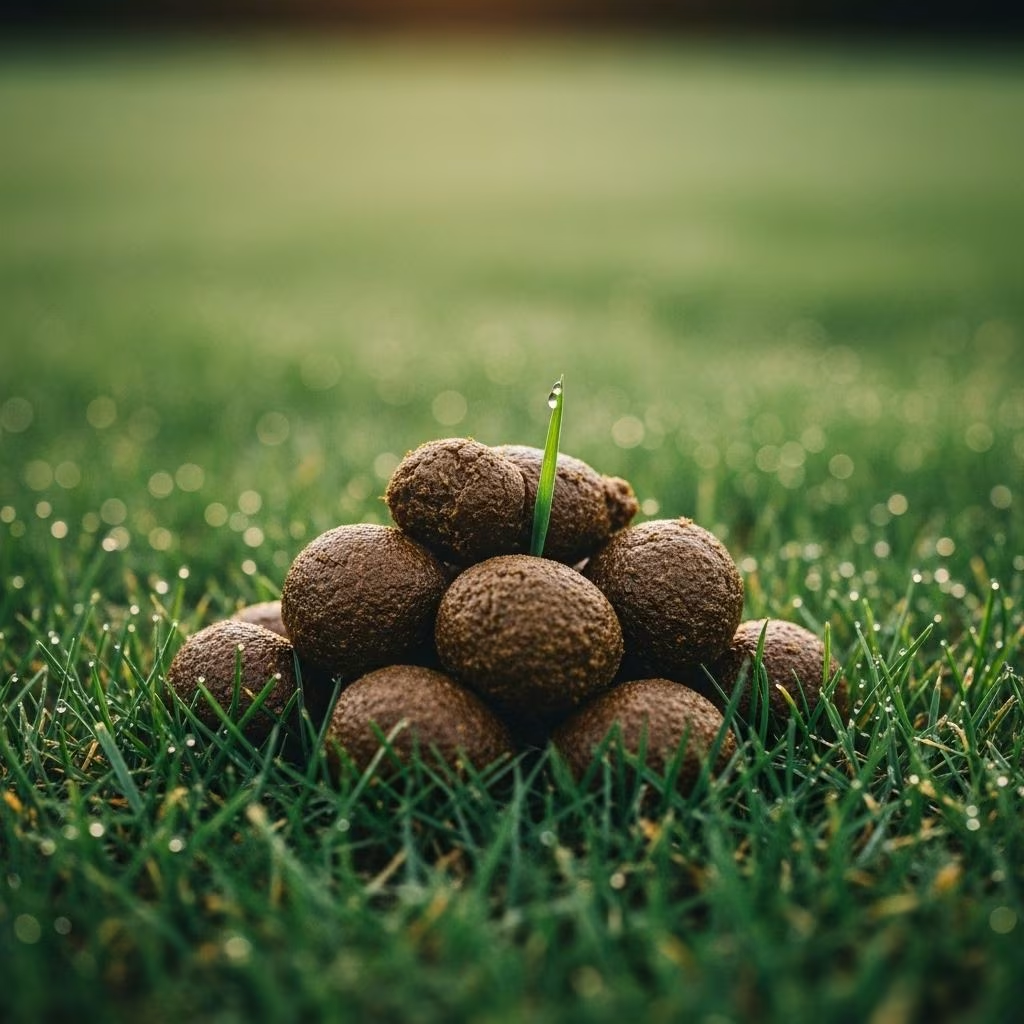
Introduction to Dog Stool
Understanding the meaning behind dog stool is crucial for maintaining your pet’s health. The color, consistency, shape, and frequency of bowel movements provide valuable insights into your dog’s overall well-being. Regularly checking your dog’s stool can help you detect potential health issues early on, allowing for timely intervention.
Normal Dog Stool
A healthy dog’s stool is typically dark brown, firm but not hard, and sausage-shaped. It should be easy to pick up without crumbling or sticking to surfaces. The frequency of bowel movements can vary but most dogs have one to two per day. Consistent color and shape are indicators of a healthy digestive system.
Abnormal Dog Stool and Its Meanings
Color Variations
The color of your dog’s stool can signal various health issues:
- Light Brown or Yellow: This can result from a recent change in diet or may indicate liver or pancreatic problems.
- Green: Often due to excess grass consumption; however, it can also indicate gallbladder or liver issues.
- Orange or Red: May be caused by certain foods with artificial coloring. Bright red blood in the stool can signal lower digestive tract issues.
- Black or Tarry: This is a serious sign of bleeding in the stomach or small intestine.
- White or Gray: Can indicate pancreatic insufficiency or liver disease.
Consistency Issues
Changes in stool consistency can also indicate health problems:
- Diarrhea: Loose, watery stools can be caused by dietary indiscretion, infections, or underlying medical conditions.
- Constipation: Hard, dry stools can result from dehydration, lack of fiber, or intestinal obstructions.
Other Concerns
Other characteristics of dog stool that warrant attention include:
- Slimy Coating: Can indicate colon inflammation or conditions like colitis.
- Presence of Worms: Visible parasites can signal infections; regular deworming is essential.
Other Potential Causes of Abnormal Stools
There are several potential causes for abnormal stools in dogs:
- Infections: Bacterial, viral, or parasitic infections can lead to diarrhea or other gastrointestinal issues.
- Inflammatory Bowel Disease (IBD): This chronic condition causes inflammation of the digestive tract, leading to diarrhea, vomiting, and weight loss.
- Kidney or Liver Disease: These conditions can affect digestion and alter stool appearance.
- Intestinal Obstructions: Foreign objects or tumors can block the intestines, causing constipation, vomiting, and abdominal pain.
When to Seek Veterinary Advice
Consult a veterinarian if you notice:
- Persistent Diarrhea or Constipation:
- Blood in Stool:
- Excessive Straining During Bowel Movements:
- Loss of Appetite or Weight Loss:
- Lethargy or Weakness:
- Vomiting:
- Abdominal Pain:
Maintaining Healthy Digestion
To ensure your dog’s digestive health remains optimal:
- Choose High-Quality Dog Food: Ensure it is appropriate for your dog’s age, size, and activity level.
- Provide Fresh Water: Constant access to fresh water is crucial to prevent dehydration.
- Keep Food and Water Bowls Clean: Prevent bacterial contamination.
- Reduce Stress: Maintain a regular feeding and exercise schedule.
- Consider Supplements: Probiotics or fiber supplements may be beneficial; consult with your veterinarian.
- Regular Exercise: Stimulates digestion but avoid excessive exercise right after meals.
- Regular Veterinary Check-Ups: Monitor your dog’s overall health, including their digestive system.
Frequently Asked Questions (FAQs)
Q: Why is my dog’s stool so loose?
A: Loose stools can be due to dietary indiscretion, infections, or medical conditions. It’s important to consult a veterinarian if the issue persists.
Q: What causes black stool in dogs?
A: Black stool often indicates bleeding in the stomach or small intestine. It’s a serious condition that requires immediate veterinary attention.
Q: How often should I deworm my dog?
A: Regular deworming is essential to prevent parasite infections. Consult with your veterinarian for specific advice based on your dog’s health and environment.
Q: Can diet affect my dog’s stool color?
A: Yes, certain foods, especially those with artificial coloring, can alter stool color. Consistent changes should be discussed with a veterinarian.
Q: Why does my dog’s stool smell so bad?
A: A foul-smelling stool can be due to dietary issues, digestive problems, or the presence of parasites. If the smell persists or is accompanied by other symptoms, consult a veterinarian.


