


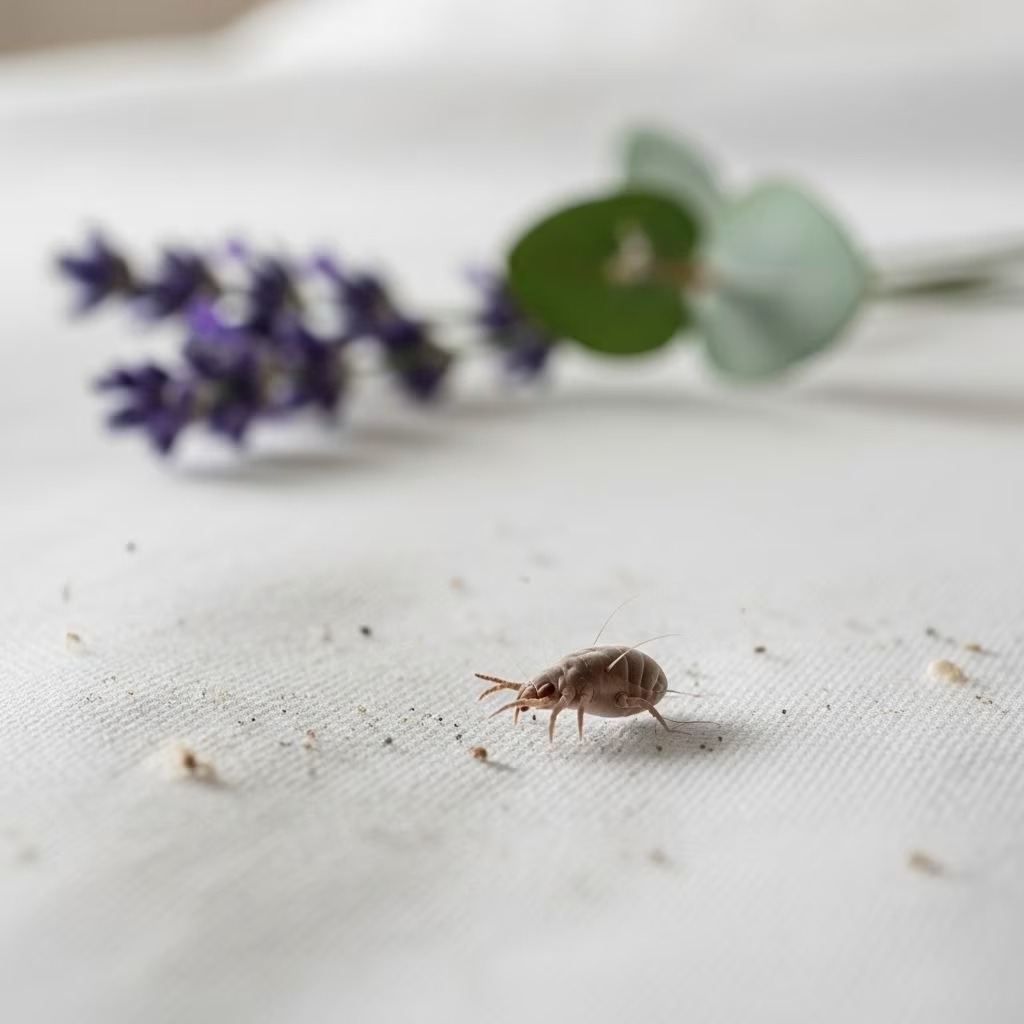
Home Remedies for Dust Mites: Comprehensive Solutions for a Healthier Home
Dust mites are microscopic pests that thrive in household dust, feeding off shed human and animal skin cells. While they do not bite or transmit diseases, their waste and decaying bodies can trigger allergies, asthma, and other respiratory issues. If you or your family suffer from sneezing, itchy eyes, or breathing difficulties, dust mites may be the culprit. This guide covers the most effective home remedies, cleaning strategies, and preventive measures for dust mite control.
Understanding Dust Mites: What Are They and Why Do They Matter?
Dust mites are tiny arachnids, invisible to the naked eye, that thrive in warm, humid environments. They are especially prevalent in bedrooms due to the abundance of skin flakes and the favorable conditions. Dust mite allergens are found in their fecal pellets and body fragments, contributing to symptoms such as:
- Frequent sneezing and coughing
- Itchy or watery eyes
- Runny or congested nose
- Asthma attacks
- Skin rashes or eczema flare-ups
Identifying and controlling dust mites in your living spaces is crucial for respiratory health and allergy prevention.
Key Areas Where Dust Mites Accumulate
- Bedding: mattresses, pillows, and comforters
- Upholstered furniture: sofas, chairs, cushions
- Carpets, rugs, and curtains
- Cluttered areas: stuffed toys, books, knickknacks
- Humid corners and poorly ventilated spaces
1. Maintaining a Clean Living Environment
Frequent cleaning and decluttering are essential for minimizing dust mite populations.
- Declutter: Remove stuffed toys, unnecessary decor, books, and knickknacks in bedrooms and other sleeping areas to eliminate dust collection sites.
- Dust regularly: Use a damp or oiled rag to clean surfaces, as dry dusting can make allergens airborne.
- Mop hard floors: Wet-mop tile, wood, or vinyl floors daily or weekly for maximum effectiveness.
- Vacuum carpets and furniture weekly: Use a vacuum cleaner equipped with a HEPA filter or double-layered microfilter bag to trap dust mites and the allergens they produce.
- Consider steam cleaning: Steam cleaning not only removes dust but also kills dust mites with heat.
2. Washing Bedding and Fabrics Correctly
Because your bed is a primary habitat for dust mites, proper washing techniques can make a dramatic difference in allergen levels.
- Wash sheets, pillowcases, blankets, and bed covers every week in hot water at least 130°F (54.4°C).
- If items cannot be washed hot, use the dryer at high heat for 15 minutes before standard cleaning. This process kills mites before washing away their droppings.
- Freeze non-washable items for 24 hours to kill dust mites, though this does not remove allergens.
- Wash stuffed animals and soft toys frequently. Keep them off the bed whenever possible.
3. Bedding Protection Techniques
Create a physical barrier between dust mites and yourself by using specialized products.
- Use allergen-proof covers: Encase mattresses, pillows, and box springs in dustproof or allergen-blocking covers made of tightly woven fabric.
- Choose washable bedding: Avoid down comforters or wool blankets which attract and retain dust mites.
- Remove carpets from bedrooms: Replace wall-to-wall carpeting with washable area rugs or hard floors for easier cleaning.
4. Managing Indoor Humidity
Humidity levels above 50% dramatically increase dust mite survival and reproduction. Maintaining dry conditions is a top priority.
- Keep relative humidity below 50%: Use a hygrometer to monitor indoor levels.
- Deploy dehumidifiers or air conditioning units: These appliances help keep air dry, making your home less hospitable to dust mites.
- Ventilate properly: Use exhaust fans or open windows to remove moisture after showers, cooking, and laundry.
- Avoid aquarium tanks and indoor plants in bedrooms: These can increase humidity and attract mites.
5. Essential Oils and Natural Remedies
Several plant-based essential oils can help repel or kill dust mites naturally.
- Clove, rosemary, and eucalyptus oils: Spray mattresses, upholstery, and drapes with a mixture of 20 drops of these oils in 4 ounces of witch hazel for natural mite control.
- Laundry additives: Some natural laundry detergents contain plant-based formulations designed to neutralize dust mite allergens and are available commercially.
6. Air Filtration and Control
- Use high-efficiency filters: Install a HEPA or media filter (MERV 11/12) in your home’s central heating or air conditioning units, and run the fan continuously to ensure whole-house air cleaning.
- Change filters every three months: This maintains optimal air filtration and allergen reduction.
7. Reducing Carpets and Upholstered Furniture
Dust mites love thick carpeting and heavy window coverings.
- Replace wall-to-wall carpet: Opt for smooth-surfaced floors such as tile, wood, linoleum, or vinyl wherever possible.
- Use washable area rugs: Choose rugs that can be easily removed and cleaned frequently.
- Limit upholstered furniture and curtains: Select furniture with removable, washable covers and light, washable drapes.
8. Specialized Products and Alternatives
Store-bought products such as acaricides can kill dust mites, but most experts agree that routine home cleaning is more effective, affordable, and reliable than chemical treatments.
- Consider all-natural sprays: Choose products clearly labeled for dust mite control and made from safe, plant-based ingredients.
- Be cautious with chemicals: Many acaricides offer limited effectiveness and may present health risks with repeated exposure.
Best Practices: An Integrated Approach
No single remedy will completely eliminate dust mites. Successful control involves combining cleaning, washing, humidity management, physical barriers, and allergen reduction.
- Start in the bedroom: Cover mattresses and pillows, wash all bedding weekly, and reduce clutter and carpet.
- Expand to the rest of the house: Maintain low humidity, ventilate regularly, and use HEPA-equipped vacuums throughout.
- Maintain a cleaning calendar: Consistency is crucial. Stick to a cleaning regimen for best results.
Table: Priority Actions for Dust Mite Control
| Area | Action | Impact |
|---|---|---|
| Bedroom | Cover mattress & pillows; wash bedding weekly; remove carpet | Major reduction in allergen exposure |
| Whole House | Keep humidity below 50%; ventilate; use air filters | Prevents dust mite growth and distribution |
| Floors & Furniture | Vacuum carpets weekly; steam clean when possible | Kills mites and removes allergens |
| Bedding & Fabrics | Wash all items in hot water once a week | Eliminates mites and allergenic residue |
| Natural Remedies | Use essential oil sprays; plant-based laundry additives | Targets mites; complements other strategies |
Frequently Asked Questions (FAQs)
Q: Can I get rid of dust mites completely?
It is nearly impossible to eradicate all dust mites from your home; however, regular cleaning and prevention can dramatically reduce their numbers and allergen levels.
Q: Are chemical sprays and acaricides safe and effective?
Chemical sprays offer only modest effectiveness and are generally not recommended; focus on reliable home cleaning and preventive strategies.
Q: Does freezing bedding and soft toys kill dust mites?
Freezing does kill mites but does not remove allergens. Thorough washing in hot water is preferred.
Q: Should I remove all carpeting from my home?
If possible, replace or remove wall-to-wall carpeting, especially in bedrooms. If not, use HEPA-filtered vacuuming and steam cleaning regularly.
Q: How often should I wash my bedding?
Wash sheets, pillowcases, blankets, and covers at least once a week using hot water above 130°F (54.4°C).
Summary of Action Steps
- Declutter regularly, especially in bedrooms
- Wash bedding, curtains, and rugs weekly in hot water
- Use allergen-proof mattress and pillow covers
- Replace carpets and upholstered furniture with washable alternatives when possible
- Maintain humidity below 50%
- Use HEPA filters and regularly clean air ducts
- Try safe essential oils for added natural protection
Conclusion: Achieving Long-Term Control
Managing dust mites in your home requires a combination of consistent cleaning habits, smart preventive measures, and natural remedies. With coordinated action—starting with the bedroom and extending throughout the house—you can reduce allergen exposure, breathe easier, and protect your family’s health. Stick to these strategies and adapt them to your lifestyle for lasting relief from dust mite allergies.
References
- https://www.grove.co/blog/how-to-get-rid-of-dust-mites-naturally
- https://www.columbiadoctors.org/health-library/article/controlling-dust-dust-mites-other-allergens-your-home/
- https://newsnetwork.mayoclinic.org/discussion/home-remedies-dealing-with-dust-mite-allergies/
- https://www.cvs.com/learn/health/allergy/reduce-dust-mite-allergens
- https://pmc.ncbi.nlm.nih.gov/articles/PMC6474366/
- https://my.clevelandclinic.org/health/diseases/17712-dust-mite-allergy
- https://www.natlallergy.com/home-allergy-products/dust-mite-treatments
- https://www.youtube.com/watch?v=9T8qNAMb2YA


