


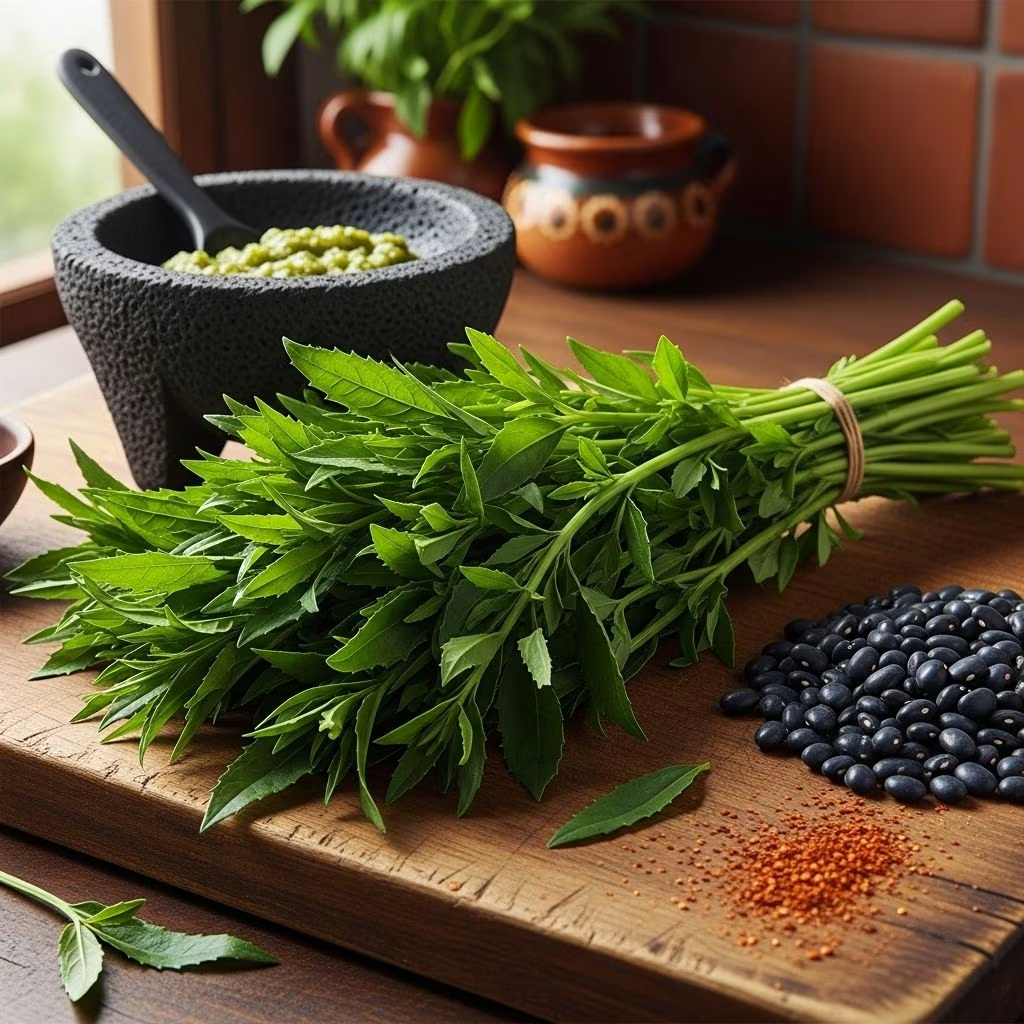
Introduction to Epazote
Epazote, known scientifically as *Dysphania ambrosioides*, is an annual or short-lived perennial herb native to the Americas. It is also known by other names such as Jesuit’s tea, Mexican tea, or wormseed. This herb has been used for centuries in traditional medicine and cuisine, particularly in Mexico and Latin America, for its distinct flavor and medicinal properties.
Description and Growth
Epazote grows up to 1.2 meters tall and has irregularly branched stems with oblong-lanceolate leaves that can reach up to 12 cm in length. The leaves are bright green with serrated edges, and the plant produces small yellow-green flowers during certain seasons. It is often cultivated in warm temperate to subtropical regions and can become invasive in some areas.
Chemical Constituents
Epazote contains a unique blend of chemical compounds, most notably ascaridole, which is a monoterpene peroxide. Ascaridole is responsible for the herb’s pungent flavor and aroma and is used for its vermifuge properties, aiding in the expulsion of intestinal worms and parasites. Other compounds include limonene, p-cymene, and various other monoterpenes.
Benefits and Uses
### Medicinal Benefits- Antiparasitic Properties: Epazote has been used traditionally to expel intestinal parasites such as hookworms and whipworms, showing high efficacy in treating these conditions.- Carminative Effects: It helps reduce flatulence and intestinal cramps, making it a digestive aid.- Pain Relief: Ascaridole in epazote also acts as a mild sedative and minor pain reliever.### Cultural and Traditional UsesEpazote is deeply intertwined with traditional practices in Mexico and Latin America. It is used in herbal teas and as a decoction for treating various health issues, and its leaves are added to dishes for flavor and digestive benefits.
Culinary Uses
Epazote is a staple in Mexican cuisine, particularly in dishes like *frijoles de la olla* (beans from the pot), where it is valued for both its flavor and its ability to reduce flatulence associated with beans. The herb can be used fresh or dried and is often combined with other spices to enhance its culinary appeal.
Taste and Flavor
Epazote’s flavor is quite distinctive and has been described in various ways, including earthy, petroleum-like with hints of citrus, and similar to anise or fennel. Younger leaves tend to have a milder taste, while older leaves become stronger and more pungent.
Frequently Asked Questions (FAQs)
Q: What is epazote used for in traditional medicine?
A: Epazote is traditionally used for its vermifuge properties to expel intestinal worms and parasites, as well as a carminative to reduce flatulence and intestinal cramps.
Q: What does epazote taste like?
A: Epazote has a unique, pungent flavor often described as earthy, with hints of citrus and petroleum, and is sometimes compared to anise or fennel.
Q: Where is epazote commonly grown?
A: Epazote is commonly grown in warm temperate to subtropical regions, including parts of the United States, Europe, and the Americas.
Q: Is epazote safe to consume?
A: While epazote is generally safe in small quantities, it should be consumed with caution due to the toxicity of ascaridole, its primary active compound.
Q: What cuisines use epazote?
A: Epazote is most commonly used in Mexican and Latin American cuisines, particularly in bean dishes to reduce flatulence.
References
- https://en.wikipedia.org/wiki/Dysphania_ambrosioides
- https://www.mofga.org/resources/herbs/epazote/
- https://mysliceofmexico.ca/2021/06/29/bean-herbs-epazote-and-summer-savoury/
- https://specialtyproduce.com/produce/Epazote_769.php
- https://gardenerspath.com/plants/herbs/grow-epazote/
- https://www.youtube.com/watch?v=kjeEswSqHUw


