


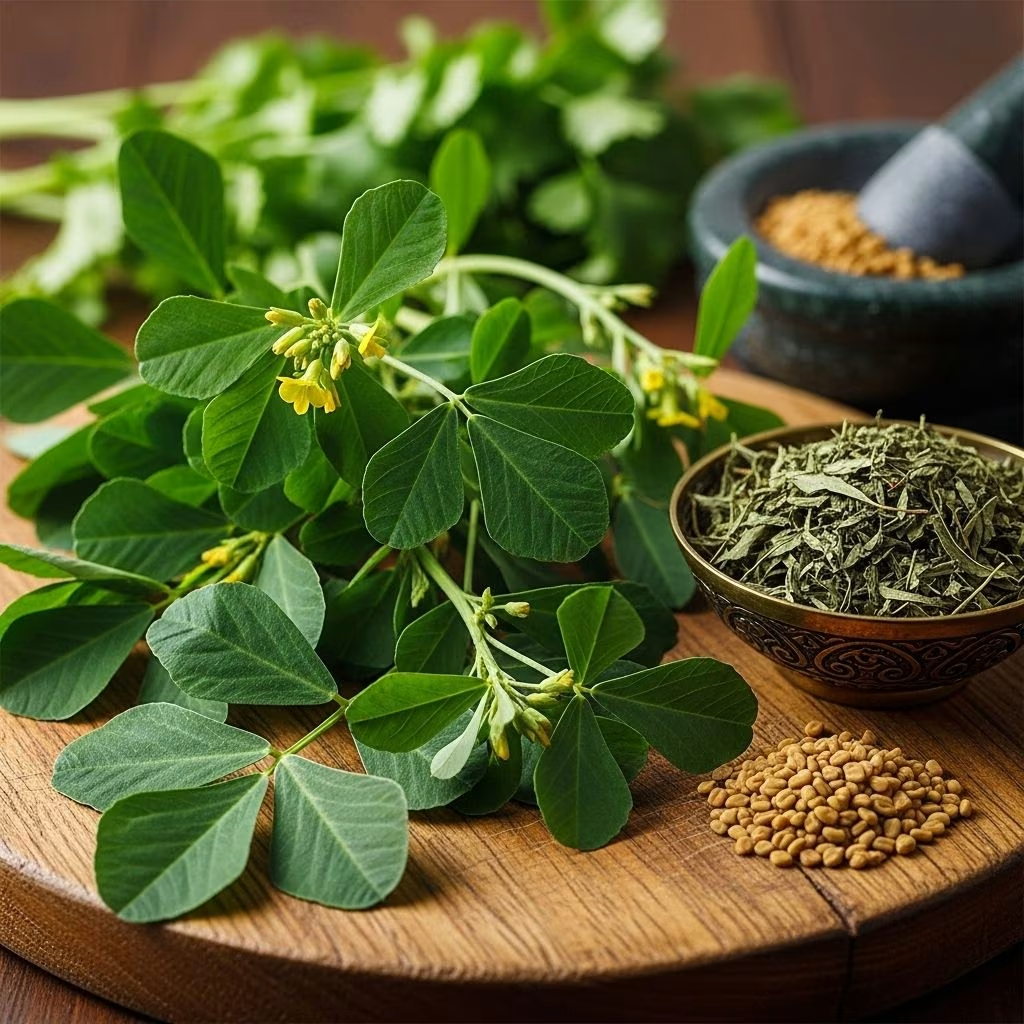
Few herbs possess the distinctiveness and versatility of the fenugreek leaf. Known as “methi” in Indian cuisine, fenugreek leaves bring a bold, aromatic profile that enriches countless dishes across South Asia, the Middle East, and beyond. But what makes fenugreek leaf unique, how is it used in everyday cooking, and what can you substitute if you run out? This in-depth guide explores the origins, flavor, uses, benefits, and practical kitchen swaps for this ever-popular herb.
What is Fenugreek Leaf?
Fenugreek leaf is a culinary herb derived from the plant Trigonella foenum-graecum, native to western Asia and the Mediterranean. The plant produces both seeds—used as spice—and leaves, which can be used fresh or dried in cooking. In India, both forms are known as “methi”, with the fresh greens (“methi saag”) being particularly prized in home kitchens and restaurant fare alike.
Fenugreek is cultivated extensively across South Asia and parts of the Middle East. Its leaves are small, light green, and slightly oval-shaped, with a distinctive aroma that sets it apart from most culinary greens. While fresh leaves are ideal, dried fenugreek leaf (often sold as kasuri methi) is widely used for convenience and to impart concentrated flavor.
Flavor Profile of Fenugreek Leaf
The defining characteristic of fenugreek leaf is its complex flavor: a memorable blend of bitterness, earthiness, and a subtle hint of maple syrup-like sweetness. This bitter note is balanced by underlying herbal and nutty flavors, making fenugreek leaf an essential player in developing depth and complexity in many dishes.
- When fresh, fenugreek leaves are aromatic, bold, and slightly grassy, with less pronounced bitterness than the dried form.
- When dried (kasuri methi), the leaves become more intense, with the bitterness enhancing and a more concentrated aroma development.
- Cooking mellows the bitterness and highlights the warming, comforting undertones, making it compatible with spices, dairy, grains, and proteins.
The flavor can be an acquired taste for some, but for many cuisines, especially Indian, fenugreek is not easily replaceable due to its unmistakable signature profile.
Culinary Uses of Fenugreek Leaf
Fenugreek leaf is a foundational herb in numerous culinary traditions, valued both for its taste and its nutritional properties. Its uses span simple home cooking to complex restaurant dishes.
Popular Dishes Featuring Fenugreek Leaf
- Methi Paratha: Indian spiced flatbread packed with fresh fenugreek for breakfast or light meals.
- Methi Thepla: A Gujarati flatbread with fenugreek, whole wheat flour, spices, and yogurt.
- Methi Malai Paneer: Cubes of paneer cheese cooked in a creamy fenugreek-rich sauce, a North Indian classic.
- Methi Aloo: Sautéed potatoes tossed with fresh fenugreek leaves and whole spices for a simple side dish.
- Curries and Lentil Dishes: Whether fresh or dried, fenugreek leaf enhances the complexity of lentil stews (dal), vegetable curries, and legume-based dishes.
- Bengali Methi Saag: Fenugreek greens cooked with an array of spices, often served with rice.
- Fenugreek Rice Pilaf: Dried fenugreek adds aroma and flavor to pilafs and pulaos, especially with toasted spices.
- Indonesian Tempeh: Fenugreek seeds help ferment tempeh, and sometimes leaves are added for unique flavor.
- Methi Laddoo & Sweets: Certain regions use fenugreek leaves and seeds in sweet confections that are believed to promote warmth and health in winter.
Additional Culinary Applications
- Salads: Fresh leaves, slightly chopped and mixed with other greens, lend earthy notes to salads.
- Chutneys & Dips: Ground into chutneys or raitas for a herbal bitterness that balances yogurt-based dips.
- Breads & Batters: Added to flatbreads (naans, dosas) and pancake-style batters for extra depth and nutrition.
- Herbal Teas: Used in infusions for a gentle, aromatic brew valued for its soothing effect.
How to Use
- Fresh Leaves: Rinse well, chop, and add to batters, dough, stir-fries, or curries towards the end of cooking to retain flavor.
- Dried Leaves (Kasuri Methi): Crush lightly between your hands and sprinkle over curries, sauces, or breads just before serving.
Health Benefits of Fenugreek Leaf
While this article primarily explores culinary uses, it’s worth noting that fenugreek leaves have a long tradition in folk medicine and modern nutritional science. They’re renowned for the following properties:
- Digestive Health: High fiber content aids in digestion and helps prevent constipation.
- Anti-inflammatory Effects: Contains compounds that help reduce inflammation, especially useful for joint discomfort in cold weather.
- Blood Sugar Management: May help regulate glucose and enhance insulin sensitivity, useful for managing or preventing diabetes.
- Cholesterol Reduction: Soluble fiber may lower cholesterol absorption, supporting heart health.
- Respiratory Relief: Traditional uses include relieving coughs and congestion, especially in seasonal changes.
Fenugreek’s notable antioxidants and vitamins (such as vitamin C and flavonoids) contribute to its general wellness profile, although in everyday cooking, it’s typically a flavoring rather than a primary source of nutrients.
Easy Substitutes for Fenugreek Leaf
Running out of fenugreek leaf can seem like a challenge, especially in recipes where its flavor takes center stage. While no substitute matches its unique taste exactly, certain herbs and spice blends can help approximate its profile.
| Substitute | Best For | How It Compares | How to Use |
|---|---|---|---|
| Celery Leaves | Curries, Lentil Stews | Similar texture, bitterness, but less aromatic | Replace 1:1 for fresh fenugreek |
| Spinach + Mustard Greens (Mix) | Breads, Curries | Combines earthiness (spinach) with faint bitterness (mustard) | Mix equal parts; use at same amount |
| Dried Fenugreek Seeds (powdered) | Curries, Sauces | More bitter, lacking herbal aroma; use sparingly | Use only 1/4 quantity |
| Maple Syrup (microdose, in combo with parsley) | Sauces, Creamy Dishes | Mimics the sweet note of fenugreek | Add a drop with fresh parsley, taste and adjust |
| Watercress/Arugula (Rocket) | Salads, Light Curries | Sharp, slightly peppery, green bitterness; different botanical family | Replace 1:1 as garnish or stir-in |
| Kasuri Methi (dried leaves) | Universal | Most direct substitute for fresh methi | 1 tablespoon dried = 1/2 cup chopped fresh |
Tips on Substitution
- No substitute will perfectly capture both the aroma and depth of fenugreek leaf. In most recipes, a blend (such as spinach with a small pinch powdered fenugreek seed) offers the closest match.
- For classic North Indian dishes, kasuri methi (dried fenugreek leaf) is by far the best replacement when fresh is unavailable.
- Always start with less than the original quantity—especially with substitutes like fenugreek seed powder or mustard greens—as they can easily overpower a dish.
Cooking Tips and Storage
- Preparing Fresh Fenugreek: Remove leaves from the stems, wash thoroughly in cold water, and chop coarsely. Tender stems can be used as well but avoid tough stalks.
- Cooking Time: Add fenugreek leaves toward the end of cooking to preserve their aroma; overcooking amplifies bitterness.
- Storing: Store fresh leaves in a paper towel-lined bag in the refrigerator for up to a week. For long-term storage, freeze chopped leaves or use dried kasuri methi.
- Dried Fenugreek (Kasuri Methi): Keep in an airtight container away from sunlight. It stays aromatic for up to one year.
Frequently Asked Questions (FAQs)
Q: What does fenugreek leaf taste like?
A: Fenugreek leaf has a bold flavor profile, blending herbal bitterness, earthiness, and a faint sweetness reminiscent of maple syrup—especially when cooked.
Q: Are fenugreek leaves and seeds interchangeable in recipes?
A: Not directly. Leaves offer herbal, green, and less bitter flavors, while seeds are harder and much more bitter with a strong maple nuance. Use them as substitutes with caution and in different quantities.
Q: What is kasuri methi?
A: Kasuri methi is dried fenugreek leaf. It is more potent and aromatic than fresh leaves and used in small quantities to finish dishes, such as butter chicken or lentil curries.
Q: Are there any health precautions with fenugreek leaf?
A: Fenugreek is considered safe in typical culinary amounts. However, pregnant or nursing individuals and those on medication for diabetes or blood-thinning should consult a healthcare professional before significant dietary inclusion.
Q: Can I use fenugreek leaf in non-Indian cuisines?
A: Absolutely. While Indian and Middle Eastern recipes dominate, fenugreek leaf works wonderfully in Mediterranean salads, roasted vegetables, and even as an herbal note in stews and pasta sauces.
Final Thoughts
Fenugreek leaf—fresh or dried—commands a special place in the world of herbs, equally admired for its deeply layered flavor and its versatility across cuisines. Whether you use it for culinary flair, wellness perks, or festive favorites, knowing how to work with and around fenugreek leaf will elevate your kitchen repertoire. And when you find yourself out of methi, this guide ensures the magic of flavor doesn’t have to stop.
References
- https://www.ispiceyou.com/blogs/news/culinary-uses-of-fenugreek-in-asia-unlocking-the-aromatic-treasures
- https://timesofindia.indiatimes.com/life-style/food-news/12-benefits-of-eating-fenugreek-leaves-in-this-weather/photostory/104787520.cms
- https://www.healthline.com/nutrition/fenugreek
- https://fullleafteacompany.com/pages/what-is-fenugreek-tea-history-benefits-more
- https://www.masterindian.com/blogs/master-indian-spice-blog/fenugreek-methi-leaves-indian-cooking
- https://pmc.ncbi.nlm.nih.gov/articles/PMC11016425/


