


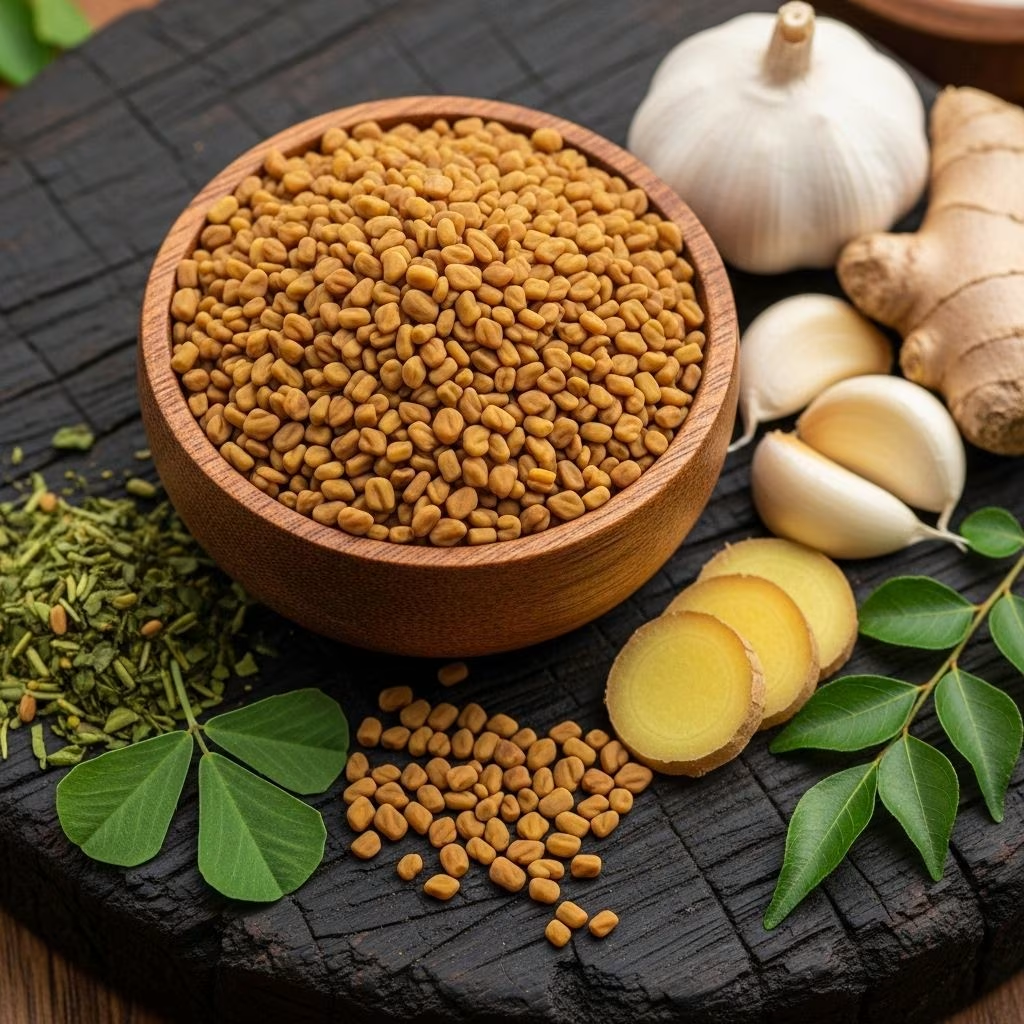
Fenugreek seed is a cornerstone of global spice pantries, celebrated for its distinct, bittersweet taste and its versatility in the kitchen. Prized across Indian, Middle Eastern, North African, and Mediterranean cuisines, this remarkable seed offers both a unique flavor profile and nutritional benefits. This guide explores the flavor, uses, and best substitutes for fenugreek seed, empowering cooks to unlock new tastes or adapt when this distinctive spice is missing from their shelves.
What is Fenugreek?
Fenugreek (Trigonella foenum-graecum) is an annual plant native to the Mediterranean, western Asia, and southern Europe. Used for centuries in both medicinal and culinary traditions, nearly all parts of the plant are edible:
- Seeds: Used as a spice, small and cuboid, pale to golden-brown.
- Leaves: Used as both a leafy green vegetable and dried herb (known as kasuri methi).
- Sprouts: Sometimes included in salads or stir-fries for a slightly bitter, nutritious crunch.
The dual usage (seeds as spice and leaves as herb/green) distinguishes fenugreek in the spice world, but this article focuses specifically on the flavor and kitchen uses of fenugreek seeds.
Fenugreek Seed Flavor Profile
Raw vs. Cooked Flavor
Uncooked fenugreek seeds are very hard and have a pronounced, astringent bitterness. However, as they cook, there is a radical change in their character:
- Raw seeds: Extremely bitter, sharp, and slightly astringent with hints of earthiness and nuttiness.
- Cooked/roasted seeds: Bitterness mellows, releasing a unique sweetness and a distinctive aroma reminiscent of maple syrup, caramelized sugar, or burnt sugar, owed to the chemical compound sotolone.
Aroma and Flavor Notes
- Maple syrup: The most prominent aroma and aftertaste, due to sotolone.
- Nutty: Especially when roasted, they develop a pleasant nutty warmth.
- Sweet-bitter balance: Cooked seeds offer a combination of burnt sugar sweetness and mild bitterness.
- Earthy: Subtle earthy undertones similar to celery seed or fennel, especially in the leaves.
Fenugreek’s complexity means it is both an acquired taste and a powerful, irreplaceable component in certain spice blends and recipes.
Pairing Fenugreek with Other Flavors
- Common partners: Ginger, cumin, cardamom, curry powder, turmeric, coriander, mustard seeds, and other spices in Indian cuisine.
- Herbaceous blends: Complements cilantro, basil, and parsley.
- Balances acidity: Fenugreek enhances tomato-based dishes and tempers the acidity in pickles and chutneys.
Culinary Uses of Fenugreek Seeds
Traditional Cuisines
Fenugreek seeds are an essential ingredient in several regional and national dishes:
- Indian cuisine: Used whole in tadka/tempering for dals and lentil soups, essential in spice mixes like panch phoron (Bengali five-spice), and ground in curries and masalas.
- North African & Middle Eastern: Adds earthy warmth to spice blends and stews such as in Ethiopian berbere and flavored butters (niter kibbeh).
- Mediterranean & Persian: Sometimes included in breads, pickles, and certain meat dishes.
Modern Uses
- Flavoring agent: Key component in imitation maple syrup and maple-flavored products.
- Breads and baking: Toasted seeds folded into breads or flatbreads for aromatic crunch.
- Vegetarian cooking: Enhances depth in soups, stews, and sauces.
Seed vs. Leaf: Different Uses
| Form | Use | Preparation | Key Flavor Notes |
|---|---|---|---|
| Seeds | Spice for curries, breads, pickles | Usually pan-toasted or soaked; sometimes ground | Maple, earthy, nutty, bitter-sweet |
| Leaves (fresh) | Green vegetable, stir-frys, salads | Chopped, sautéed, or used raw | Bitter, grassy, hint of celery |
| Leaves (dried/kasuri methi) | Herb in seasoning blends, curries | Crushed and sprinkled at the end of cooking | Intense, musky, toasty, with a bitterness |
Health Benefits & Nutritional Value
While this guide focuses on culinary aspects, many cultures have long valued fenugreek seeds for their healthful properties. Key points include:
- Rich in fiber: Helps support digestive health.
- Plant protein source: Often used in vegetarian and vegan diets.
- Packed with minerals: Iron, magnesium, and manganese are in significant quantities.
- Traditional use: Employed in home remedies for digestive support, lactation, and metabolic health (though scientific evidence varies, and clinical guidance is advised).
How to Cook With Fenugreek Seeds
Cooking with fenugreek seed can transform a dish, but its intensity requires careful handling. Here are the core techniques and preparation tips:
Preparation Methods
- Pan-roasting: Gently toast whole seeds in a dry skillet until fragrant and golden-brown to mellow bitterness and release aroma.
- Soaking: Soak seeds in water overnight to soften texture and reduce bitterness, especially for making pastes or using in bread.
- Grinding: Dry-roasted seeds can be ground to a powder for smooth incorporation into spice blends or as a thickener in sauces.
Usage Tips
- Start small: Fenugreek’s flavor is potent—use sparingly (¼ to ½ teaspoon for most dishes) to avoid overpowering the recipe.
- Add early: When using whole seeds, add them early in the cooking process (during oil tempering or before simmering) to allow their flavor to mellow.
- Complementary spices: Best when paired with warming or aromatic spices like cumin and coriander.
Classic Dishes Featuring Fenugreek Seed
- Aloo methi: Indian potato and fenugreek curry (typically uses both leaves and seeds).
- Dal tadka: Lentil stew with a flavor base of tempering spices including whole fenugreek seed.
- Panch phoron: Bengali five-spice blend combining fennel, nigella, cumin, mustard, and fenugreek seeds.
- Etouffee and stews: Sometimes found in Creole or Mediterranean dishes for increased depth.
Easy Substitutes for Fenugreek Seeds
Out of fenugreek seeds? While no substitute completely replicates their unique maple bitterness and aroma, several pantry staples can offer similar notes:
| Substitute | Flavor Comparison | How to Use |
|---|---|---|
| Maple Syrup + Mustard Seeds | Maple syrup mimics sweetness/aroma; mustard offers bitterness. | 1/2 tsp mustard seed + a few drops maple syrup per tsp fenugreek. |
| Yellow Mustard Seeds | Similar bitterness and pungency, but less sweet/nutty notes. | Use in equal amounts as a bitter base; add sweetener if needed. |
| Fennel Seed + Celery Seed | Combined, replicate earthy, nutty, and subtly sweet flavors. | Blend 2:1 fennel to celery to replace ground fenugreek. |
| Curry Powder | Often contains fenugreek; use in a pinch for curries/stews. | Replace part of the recipe’s spice blend with curry powder. |
| Kasuri Methi (Dried Fenugreek Leaves) | Imparts similar bitterness and aroma, but more herbal/faintly grassy. | Use twice the amount of dried leaves as seeds; add late in cooking. |
Substitution Tips
- Adjust ratios: Substitution is not always 1:1; taste and adjust to avoid overwhelming your dish.
- Flavor layering: Combining multiple substitutes (e.g., mustard seed and fennel) can come closer to fenugreek’s complexity.
- For curries and pickles: Prioritize substitutes that carry both bitterness and warmth, such as mustard or a bit of ground celery seed.
Frequently Asked Questions (FAQs)
Q: What does fenugreek seed taste like to most people?
A: Most people describe fenugreek seed as combining a maple syrup-like sweetness with underlying bitterness and nutty, earthy notes. The signature aroma is particularly pronounced after roasting.
Q: Are fenugreek seeds the same as fenugreek leaves?
A: No—while both parts of the plant are edible and carry a bitterness, seeds are much more potent with maple and burnt sugar aromas, while leaves are more herbaceous, slightly grassy, and celery-like.
Q: Can I use dried fenugreek leaves instead of seeds?
A: Dried leaves (kasuri methi) can contribute a related flavor, especially the bitterness, but lack the rounded nuttiness and maple notes of the seeds. They are best as a secondary substitute, used in slightly larger quantities and added late in cooking.
Q: Why do some people dislike fenugreek?
A: The bitterness of raw or inadequately cooked fenugreek, along with its intense aroma, can be off-putting. Proper roasting or soaking mellows the bitterness, and using small quantities prevents over-powering flavors.
Q: Is fenugreek used outside Indian food?
A: Yes—fenugreek appears in Ethiopian, North African, and Middle Eastern cooking, as well as in Mediterranean breads and even in the flavor profile of some American-style maple syrups.
Conclusion
Fenugreek seed is much more than an ordinary spice; it is a flavor transformer, imparting layered complexity from sharp bitterness to deep, maple-like warmth. Its role in traditional and contemporary kitchens is irreplaceable—yet, with the right knowledge, home cooks can adapt with creative substitutes when necessary. Mastering the use of fenugreek seeds not only enriches classic dishes but opens up new worlds of culinary adventure in your own kitchen.
References
- https://www.mashed.com/363217/what-is-fenugreek-and-what-does-it-taste-like/
- https://spiceexotica.com/fenugreek/
- https://www.hillvale.co.uk/blogs/ingredients/fenugreek
- https://naturevibe.com/blogs/blogs/what-does-fenugreek-powder-taste-like-flavor-profile-and-pairings
- https://bulkfoods.com/fenugreek/fenugreek-seed-whole.html
- https://www.epiciane.fr/en/seeds/42-fenugreek-seeds.html
- https://en.wikipedia.org/wiki/Fenugreek
- https://www.nccih.nih.gov/health/fenugreek


