


- Table of Contents
- Introduction
- What Is Ficin?
- Chemical Nature and Mechanism
- Natural Sources of Ficin
- Health Benefits of Ficin
- Industrial and Culinary Uses of Ficin
- Taste Profile of Ficin
- Ficin Compared to Other Proteases
- Safety, Allergenicity, and Considerations
- Frequently Asked Questions (FAQs)
- Conclusion
Introduction
Ficin is a proteolytic enzyme derived from the latex of fig trees. Long utilized for its ability to digest proteins, ficin has found diverse applications ranging from traditional medicine and meat tenderization to modern biochemical research and food processing. Scientific advances have unveiled new properties, including peroxidase-like activity, opening prospects for biotechnology and environmental monitoring. This article explores ficin’s biochemical properties, health and industrial benefits, sensory profile, safety, and key comparisons—with supporting research and facts.
What Is Ficin?
Ficin (sometimes called ficain, debricin, or higueroxyl delabarre) is an enzyme classified as a cysteine endopeptidase. It is extracted from the latex sap of fig trees, primarily Ficus insipida, though related species also produce ficins. Ficin catalyzes the breakdown of proteins by cleaving peptide bonds, specifically at the carboxyl side of certain amino acids such as glycine, serine, threonine, methionine, lysine, arginine, tyrosine, alanine, asparagine, and valine.
Historically, “ficin” referred to a family of closely related enzymes produced by different Ficus species, but modern usage narrows it to a particular cysteine endopeptidase from specific fig species.
Diverse Nomenclature
- Ficin
- Ficain
- Debricin
- Higueroxyl delabarre
All refer to the same enzyme or its variants extracted from fig latex.
Chemical Nature and Mechanism
Ficin belongs to the MEROPS clan CA, family C1, subfamily C1A, and is structurally similar to other cysteine endopeptidases like papain from papaya and bromelain from pineapple. It contains eight cysteine residues stabilized by three disulfide bridges, giving the molecule thermal and pH stability.
Enzymatic Actions
- Proteolytic activity: hydrolyzes peptide bonds within proteins
- Peroxidase-like activity: transforms peroxide substrates to colored products in the presence of hydrogen peroxide
- Biochemical versatility: active sites for peroxidase function are distinct from protease function
Enzyme Kinetics: Michaelis-Menten Model
Research shows ficin’s proteolytic and peroxidase-like actions follow Michaelis-Menten kinetics, meaning the rate depends on substrate concentration until saturation is reached. Ficin exhibits a “Ping-Pong” catalytic mechanism, where the enzyme alternately binds substrates and releases products.
| Parameter | Ficin | HRP |
|---|---|---|
| Km (TMB) | 0.19 mM | 0.15 mM |
| Km (H2O2) | 0.35 mM | 0.61 mM |
Natural Sources of Ficin
Ficin is predominantly found in the latex of fig trees, particularly Ficus insipida, and sometimes in the stems, leaves, and unripe fruits of other Ficus species.
- American wild fig (Ficus insipida)
- Common fig (Ficus carica)—contains other related enzymes
- Other tropical fig species
Extraction and Purification
Ficin is harvested from fig latex, followed by chemical purification. It can be chemically attached to carriers like carboxymethyl cellulose to enhance thermal stability and storage lifespan.
Health Benefits of Ficin
Ficin is primarily valued for its proteolytic activities, which support various health- and food-related benefits. Research also suggests possible roles in immune support, inflammation reduction, and toxin neutralization.
Key Health Benefits
- Protein Digestion: Facilitates the breakdown of dietary proteins, acting as a digestive aid.
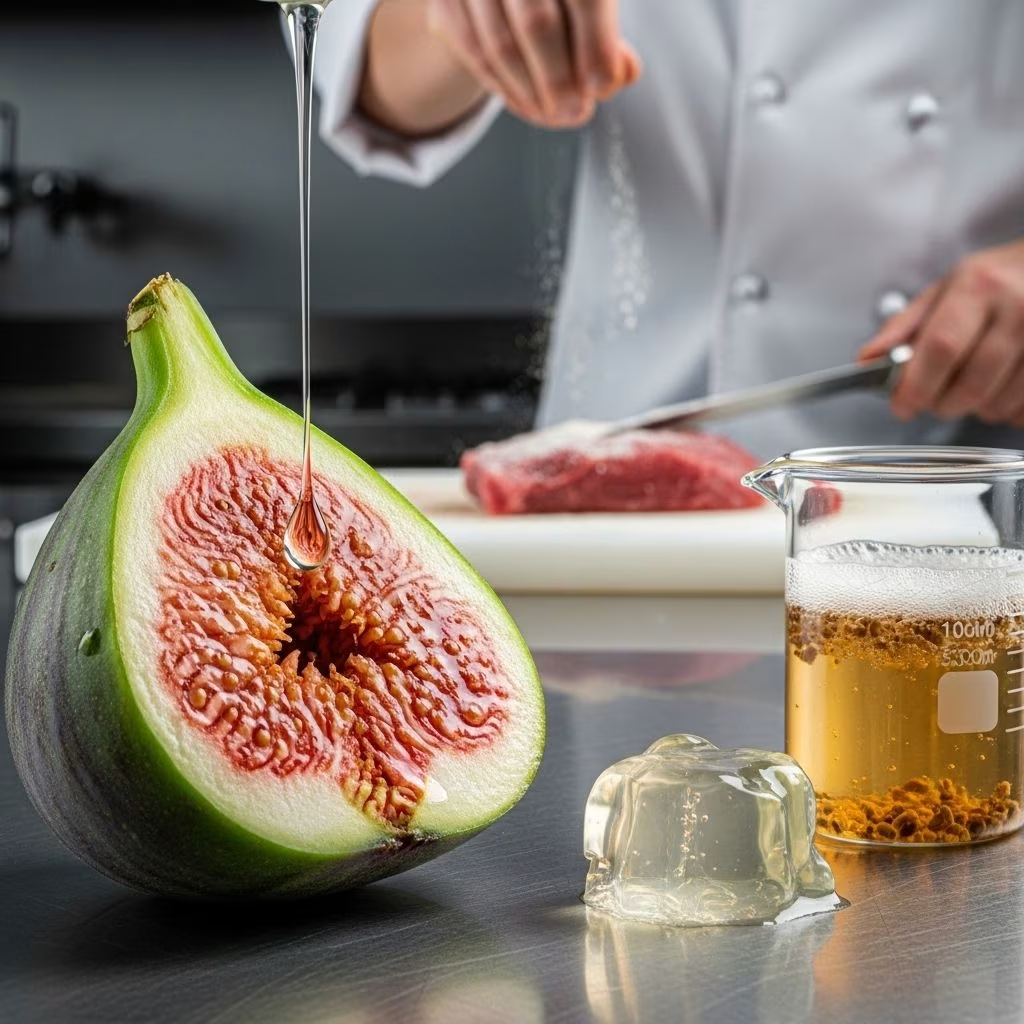
- Meat Tenderization: Applied to tough cuts of meat, ficin hydrolyzes collagen and muscle proteins, yielding a more palatable texture.
- Antioxidant Effects: Its peroxidase-like activity may help detoxify harmful peroxides and organic compounds.
- Potential Immune Support: Detoxifies foreign proteins, which can modulate immune responses.
- Potential Anti-Inflammatory Role: Can act as a processing aid to reduce allergenic protein fragments in some foods.
Industrial and Culinary Uses of Ficin
Ficin has broad applications in food technology, medicine, and biochemistry. Classified as “Generally Recognized As Safe” (GRAS), ficin supports numerous industries:
Food Processing Applications
- Meat Tenderizer: Commercial products use ficin to break down tough proteins and connective tissue in meats, improving texture and digestibility.
- Dough Conditioner: Added to bread doughs to hydrolyze gluten, enhancing rise and crumb structure.
- Rennet Substitute: Used as a vegetarian alternative to microbial or animal-based rennet in cheese production.
- Beer Chillproofing: Enzyme action reduces haze-forming proteins in beer, aiding clarity.
- Precooked Cereals Processing: Assists in modifying starches and proteins in ready-to-eat cereals.
Biotechnology and Research
- Biochemical Analysis: Used in protein research for hydrolyzing casein and other substrates.
- Enzymatic Mimicry: Ficin’s peroxidase-like activity enables its use in biosensors and environmental monitoring.
- Chemical Processing Aid: Enhances stability of immobilized enzymes for industrial applications.
Medical and Therapeutic Potential
- Wound Debridement: Historically investigated for its ability to digest necrotic tissue.
- Digestive Support: Sometimes present in digestive enzyme blends for those with high-protein diets.
- Dermatitigenic Properties: Topical use is limited due to potential for skin irritation.
Taste Profile of Ficin
Ficin itself as an isolated enzyme does not have a significant flavor or aroma. However, the presence of ficin in fig latex or fig fruit can impart a subtle bitterness and sharpness to foods. When applied as a meat tenderizer, it generally does not contribute a noticeable taste, instead improving texture and mouthfeel.
In bread and dairy products, ficin is regarded as flavor-neutral, though improper dosing may occasionally yield bitterness.
Sensory Qualities
- Flavor: Neutral to mildly bitter (if present in high concentration or unpurified forms)
- Aroma: Slightly earthy if derived from latex, otherwise odorless when purified
- Texture: Not detectable; acts by transforming food texture rather than imparting tactile features
Ficin Compared to Other Proteases
Ficin’s closest analogs among proteolytic enzymes include papain (from papaya) and bromelain (from pineapple). All belong to the cysteine endopeptidase family but have distinct substrate selectivity and applications.
| Enzyme | Source | Type | Major Uses |
|---|---|---|---|
| Ficin | Fig latex (Ficus insipida) | Cysteine endopeptidase | Meat tenderizer, dough conditioner, rennet substitute, research |
| Papain | Papaya latex (Carica papaya) | Cysteine endopeptidase | Meat tenderizer, digestive aid, pharmaceuticals |
| Bromelain | Pineapple stem (Ananas comosus) | Cysteine endopeptidase | Meat tenderizer, anti-inflammatory, research |
Safety, Allergenicity, and Considerations
Ficin is generally recognized as safe (GRAS) for consumption in regulated quantities. However, certain individuals may experience skin irritation or allergic reactions when exposed to fig latex—termed “dermatitigenic” effects. Such allergic responses are mainly a concern in industrial or laboratory environments where ficin concentrates are handled.
- Safe in Food Use: Strict regulations on concentration ensure safe consumption as a processing aid.
- Potential Skin Irritant: Direct contact with crude ficin or fig latex may cause dermatitis in sensitive persons.
- Allergy Risk: Individuals with fig or latex allergies should avoid direct contact.
- Stability: Immobilized ficin preparations are resistant to heat denaturation, making them preferred for industrial use.
Frequently Asked Questions (FAQs)
Q: What is the main function of ficin in food?
A: Ficin acts as a meat tenderizer and dough conditioner by breaking down tough proteins, enhancing food texture and digestibility.
Q: Is ficin safe for people with latex allergies?
A: While ficin is generally safe in food, those with severe latex allergies should avoid products containing fig latex or concentrated ficin extracts due to allergen risk.
Q: Does ficin change the taste of meat or bread?
A: Ficin does not impart a significant taste. At recommended concentrations, it is flavor-neutral and works by improving texture. Excess amounts can cause bitterness.
Q: Can ficin be used in vegetarian cheese making?
A: Yes, ficin is a recognized vegetarian rennet substitute for cheese production.
Q: What advantages does ficin have over papain and bromelain?
A: Ficin has unique substrate specificity and stability properties, allowing broader applications in dough conditioning and chillproofing beer where papain and bromelain may be less effective.
Conclusion
Ficin is a natural cysteine protease from fig latex, distinct for its ability to digest proteins and transform food texture without contributing significant flavor. Its peroxidase-like secondary activities and compatibility with immobilized carriers expand its utility in biotechnology, research, and food science. Though generally safe, care must be taken regarding allergenicity and skin irritation. Ficin’s powerful enzymatic actions, versatile uses, and flavor neutrality make it a vital tool of nature and technology alike.


