


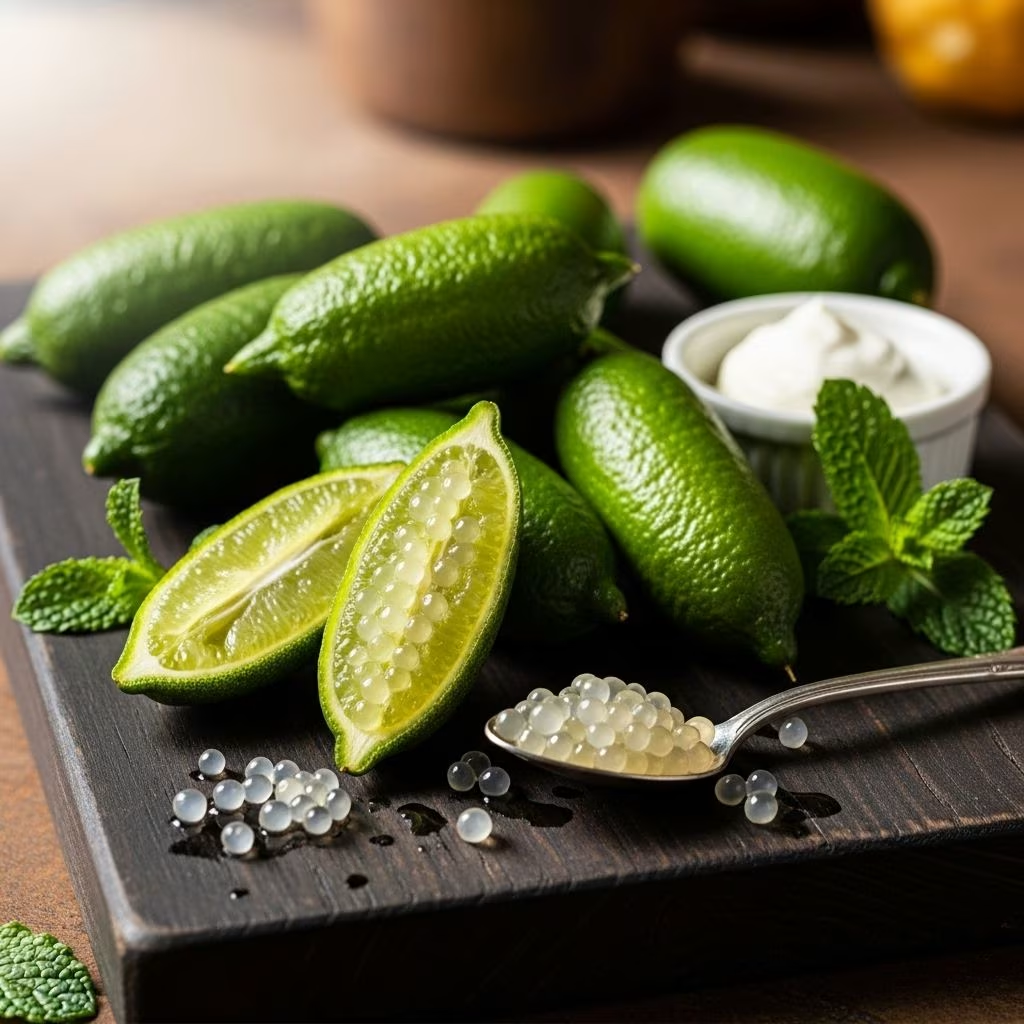
Finger lime—also known as Citrus australasica or “citrus caviar”—is a remarkable fruit native to the rainforests of Australia. Prized for its jewel-like, burst-in-the-mouth pearls and tangy, vibrant flavor, finger lime is making headlines in gourmet kitchens and home gardens worldwide. This article explores its botanical origins, nutritional value, health benefits, varied uses in the kitchen, flavor profile, popular varieties, growing tips, and much more.
Overview and Botanical Origins
The finger lime is botanically classified as Citrus australasica. This thorny shrub or small tree is native to the lowland subtropical and tropical rainforests of eastern Australia. Although distantly related to other citrus fruits such as oranges and lemons, finger lime split off on the citrus family tree several million years ago, resulting in its unique characteristics. Traditionally, Australian Aboriginal peoples have consumed finger lime for thousands of years, using both the pulp and skin for culinary and medicinal purposes.
Appearance and Unique Features
Finger limes are aptly named for their elongated, cylindrical shape, typically 2 to 4 inches (5–10 cm) in length—like a small pickle or jalapeño pepper. The tree itself grows as a large shrub or small tree, usually covered with sharp thorns and small leaves.
- Skin: Thin, smooth yet sometimes pebbled, in colors ranging from green to brown, purple, red, or even nearly black.
- Pulp: The inside is filled with hundreds of tiny, crisp, juice-filled spheres – vesicles – that burst in the mouth, earning it the nickname “citrus caviar”.
- Color of Vesicles: Vesicles can appear in shades of translucent green, pale yellow, pink, or vibrant ruby red, depending on the variety.
The fruit’s striking appearance—both outside and within—makes it a conversation starter and a favorite among chefs for dramatic dish presentation.
Nutritional Value and Health Benefits
Despite their small size, finger limes pack a considerable nutritional punch. They are rich in vitamins and bioactive compounds, offering the following health-related benefits:
- High in Vitamin C: Essential for immune system strength, collagen synthesis, and healthy skin.
- Vitamin E: An important antioxidant supporting skin health and cell protection.
- Dietary Fiber: Supports digestive health and helps regulate blood sugar levels.
- Antioxidants: The fruit contains phytonutrients with anti-inflammatory and anti-aging properties.
- Low Calories: Like most citrus fruits, finger limes are low in calories, making them suitable for weight management.
- Traditional Medicinal Use: Aboriginal Australians used the fruit’s skin for wound healing owing to its antibacterial activity.
- Potential Anti-Nausea Effects: Proprietary experience and some culinary traditions suggest relief from mild nausea.
The blend of vitamins, antioxidants, and dietary fiber makes finger limes a valuable addition to a nutritious diet.
Popular Finger Lime Varieties
There are numerous finger lime varieties, each offering unique colors and subtle differences in flavor. The most popular varieties include:
| Variety | Skin Color | Pearl Color | Flavor Profile | Notable Feature |
|---|---|---|---|---|
| Green Finger Lime | Vibrant green | Pale green | Classic tart lime | Most common US variety |
| Red Finger Lime | Reddish | Pink to red | Slightly sweeter | Popular decorative choice |
| Pink Ice | Light green to pink | Pale rose | Sweet-tart, like ruby grapefruit | Delicate flavor, pretty appearance |
| Alstonville | Green | Pale green | Seedless, bright | Popular in Australia/US |
| Purple Viola / Jali Red | Dark purple/red | Ruby to deep pink | Richly aromatic | Striking presentation |
| Collette | Black, shiny | Dark lime green | Highly aromatic; rated superior by chefs | Rare, ornamental |
Each variety brings its own burst of color and variation in acidity or sweetness, broadening the culinary possibilities.
Taste and Aroma Profile
The flavor of finger lime is unmistakably citrus, but with its own twist. Most descriptions highlight:
- Tartness and Tang: The pearls offer a sparkling burst of tart citrus flavor, evoking lemon, lime, and grapefruit.
- Refreshing and Bright: The mouthfeel is juicy, with the tiny vesicles popping and releasing their tangy juice.
- Subtle Sweetness: Some varieties carry a slight sweetness that balances the acidic notes, particularly the pinks and reds.
- Aromatic Skin: The skin itself is fragrant and can impart subtle flavors if used as zest.
Texture plays a major role in the fruit’s appeal: the vesicles snap open like caviar, creating a “pop” effect that’s prized in modernist cuisine and cocktail bars alike. Individual taste experiences may vary from “very sour” to “slightly sweet,” depending on the individual’s palate and the particular fruit variety.
Culinary Uses: How to Eat Finger Limes
Finger limes are celebrated in the culinary world for their visual appeal, delightful texture, and intense flavor. Here’s how they’re commonly used:
- Garnish for Seafood: Sprinkle citrus pearls atop oysters, scallops, smoked salmon, or ceviche to add tangy brightness and gourmet appeal.
- Sushi and Asian Dishes: Add to sushi rolls, sashimi, or poke bowls for a refreshing pop of flavor and color.
- Upscale Cocktails: Use pearls as a floating garnish in gin and tonics, margaritas, martinis, or sparkling wine for a dramatic, fizzy experience.
- Salads and Dressings: Incorporate finger lime vesicles into vinaigrettes, fruit salads, or slaws for a refreshing twist.
- Desserts: Top cheesecakes, tarts, frozen yogurt, or pavlova with pearls for zesty flavor and dazzling presentation.
- Fancy Canapés and Hors d’Oeuvres: Use as a finishing touch on amuse-bouches, canapés, or blinis.
- Preserves and Marmalade: The unique pulp can be incorporated into specialty jams or chutney.
How to Extract the Pearls:
- Slice the fruit lengthwise, open gently, and squeeze the pearls from each half using your fingers.
- Avoid biting down directly on the peel; the pearls can be scooped or pressed out easily.
Important Note: The skin is edible, but the thorns on the plant make harvesting and handling potentially prickly, so take care if picking your own.
Growing and Harvesting Finger Limes
The finger lime tree is surprisingly adaptable for home gardeners, allowing those outside Australia to enjoy their own crop:
- Climate: Thrives in warm, subtropical to mild temperature regions, but can also do well in pots indoors in colder climates.
- Container Growing: Grow in a large pot (at least 10-gallon) to make it easier to move indoors when needed during winter.
- Low Maintenance: Generally hardy and does not require pollination from bees; self-fertile in many cases, and can produce fruit in the first year.
- Harvest Seasons: Multiple crops may be produced yearly, with peak harvests often in mid-winter.
- Thorns: Handle with care as branches are covered in tough thorns.
Because of their novelty value and complex flavor, finger limes are in strong demand, sometimes outpacing supply at nurseries. Exotic varieties may need to be sourced online or through specialty plant centers.
Buying, Storing, and Selecting Quality Fruit
- Availability: Found predominantly in high-end markets, gourmet stores, and specialty growers. Not universally available at all supermarkets, especially outside Australia and California.
- Selection Tips: Select fruit with firm, glossy skin. Avoid shriveled or soft limes, as these may be overripe.
- Storage:
- Whole finger limes can be stored in the refrigerator for up to 2–3 weeks.
- Extracted pearls can be refrigerated in an airtight container for several days.
- Do not freeze whole limes, as the pearls will lose their texture upon thawing.
Frequently Asked Questions (FAQs)
Q: Are finger limes a type of lime?
A: While called “limes,” finger limes are a distinct species (Citrus australasica) indigenous to Australia and not a hybrid or variety of common limes. Their taste, texture, and appearance are entirely unique.
Q: What makes finger limes expensive?
A: Finger limes are both delicate and difficult to harvest due to thorns and their perishable nature. Yields are limited and demand is high, particularly for premium varieties, contributing to higher prices in markets.
Q: Is the peel of the finger lime edible?
A: Yes, the peel is edible, although it can be slightly bitter or astringent. Most people prefer to consume just the pearls or use the zest for aromatic intensity in cooking.
Q: Can finger limes be grown at home?
A: Yes, finger limes are suitable for home cultivation in pots or gardens, provided they are protected from hard frost in cooler climates.
Q: What are other names for finger lime?
A: Common alternate names include “Australian finger lime,” “caviar lime,” and “citrus caviar.” In botany, it is known as Citrus australasica.
Q: Do finger limes have seeds?
A: Some varieties are seedless, while others may contain a small number of soft seeds depending on the cultivar.
Summary
Finger limes are a rare and exquisite citrus fruit, beloved in both indigenous Australian culture and contemporary gastronomy for their jewel-like pulp, tart flavor, and wide-ranging culinary applications. Their nutritional benefits, visual appeal, and adaptability makes them increasingly popular among health enthusiasts, home gardeners, and chefs alike. With numerous varieties and a wealth of uses, finger limes are a novel ingredient that elevates both cooking and health.
References
- https://blogs.ifas.ufl.edu/charlotteco/2024/08/07/something-very-different-the-finger-lime/
- https://specialtyproduce.com/produce/Finger_Limes_14843.php
- https://fruitguys.com/blog/all-about-the-australian-finger-lime/
- https://www.figboss.com/post/growing-your-own-finger-limes-too-easy
- https://en.wikipedia.org/wiki/Citrus_australasica
- https://ucanr.edu/blog/topics-subtropics/article/finger-limes


