


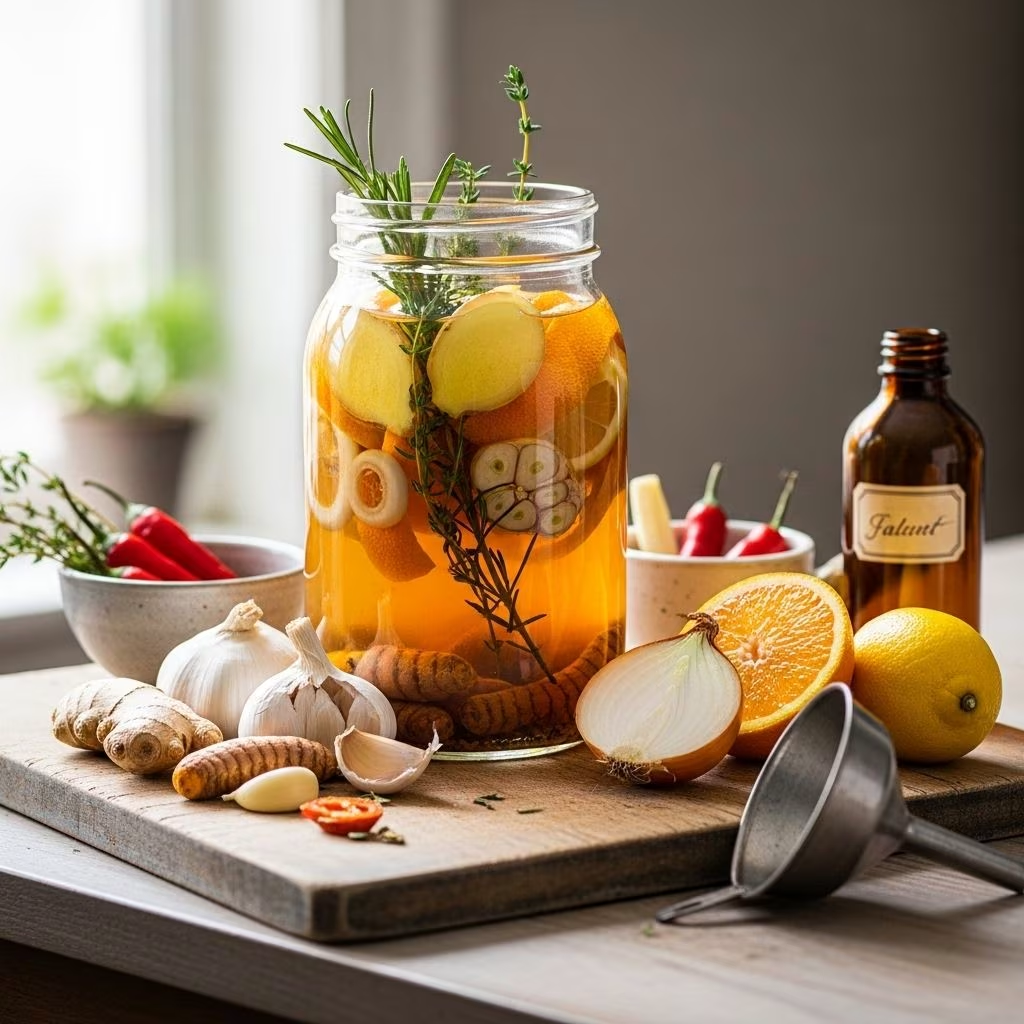
Fire Cider: The Age-Old Herbal Tonic for Modern Wellness
Fire cider is a zesty, pungent herbal tonic that has gained popularity for its immune-boosting properties, sharp flavor, and versatility in everyday wellness routines. This traditional folk remedy combines powerful ingredients like apple cider vinegar, garlic, onion, ginger, horseradish, hot peppers, and raw honey, all of which are known for their medicinal benefits. In this comprehensive guide, we’ll explore fire cider’s roots, health benefits, uses, side effects, and how you can easily make it at home.
What Is Fire Cider?
Fire cider is a spicy, tangy infusion made by steeping medicinal herbs, roots, and spices in raw apple cider vinegar and sweetening it with honey. Originally popularized by the renowned herbalist Rosemary Gladstar in the late 1970s, fire cider has become a staple in herbal wellness communities worldwide.
Traditionally, the key ingredients are:
- Apple cider vinegar
- Ginger root
- Horseradish root
- Onion
- Garlic
- Hot peppers (like jalapeño or cayenne)
- Raw honey
The result is a fiery, tangy, sweet, and potent remedy often used to support immunity, aid digestion, and invigorate the body during cold and flu season.
Fire Cider Nutrition Profile
While fire cider is not typically consumed in quantities large enough to provide macronutrients, it is rich in:
- Bioactive plant compounds (such as allicin from garlic, gingerol from ginger, and quercetin from onion)
- Antioxidants (onion, garlic, peppers)
- Vitamins and minerals (trace levels, especially vitamin C and manganese from citrus if added)
- Probiotic benefits from raw apple cider vinegar
The synergy of these ingredients is believed to contribute to fire cider’s traditional healing properties.
Potential Health Benefits of Fire Cider
Although formal scientific research on fire cider itself is limited, its individual components have a long history of use in folk medicine for supporting overall health. Here are some of the touted benefits:
1. Immune System Support
- Garlic and onion are renowned for their powerful antiviral and antimicrobial properties, helping the body defend against infections.
- Ginger and horseradish bring warming, sinus-clearing effects that are especially comforting during cold and flu season.
- Cayenne and hot peppers stimulate blood circulation and may help the body naturally break a fever.
Consuming small amounts of fire cider is commonly believed to help ward off infection, especially if taken at the first sign of a cold.
2. Anti-Inflammatory Effects
- Turmeric and ginger, sometimes added to fire cider, contain potent anti-inflammatory compounds that may support joint health and reduce chronic inflammation.
- Hot peppers contain capsaicin, also linked to inflammation modulation.
3. Antioxidant Properties
- Onion and garlic contain quercetin and other antioxidants which protect cells from oxidative damage, supporting overall wellness.
- The addition of citrus fruits like lemon or orange boosts the antioxidant content with vitamin C and flavonoids.
4. Digestive Health
- Raw apple cider vinegar is celebrated as a digestive aid, supporting stomach acid production and healthy gut flora when consumed in moderation.
- Ginger and horseradish stimulate digestive juices and may help relieve indigestion.
5. Respiratory System Support
- Horseradish, ginger, and chili are traditional remedies for clearing nasal congestion and soothing irritated sinuses, making fire cider a popular choice in winter months.
6. Blood Sugar Balance and Heart Health (Emerging Evidence)
- Apple cider vinegar has been linked in studies to improved blood sugar regulation and cardiovascular support, though more research is needed for definitive claims.
How to Use Fire Cider
Fire cider’s versatility extends beyond its status as a wellness shot:
- As a wellness shot: Take 1–2 tablespoons straight or diluted in warm water for daily immune support or at the onset of illness.
- In teas: Stir a spoonful into hot lemon-ginger herbal tea for an invigorating punch.
- As a vinaigrette: Substitute fire cider for regular vinegar in homemade salad dressings or marinades.
- Over roasted vegetables: Drizzle a touch of fire cider on roasted root vegetables for a flavor boost.
- In soups and stews: Swirl into soups or stews after cooking for complex depth and zestiness.
- As a condiment: Add to sandwiches, tacos, grain bowls, or anywhere you want a tangy, spicy kick.
Traditional Fire Cider Recipe
Making fire cider at home is simple, affordable, and allows you to customize flavors based on your preferences. Here is a tried-and-tested recipe:
| Ingredient | Purpose |
|---|---|
| 1/2 cup fresh ginger root, chopped | Anti-inflammatory, warms the body |
| 1/2 cup fresh horseradish root, chopped | Clears sinuses, antimicrobial |
| 1 large onion, chopped | Rich in antioxidants, immune support |
| 8–10 cloves garlic, crushed | Antiviral, antimicrobial |
| 2–3 jalapeños or hot peppers, sliced | Warming, supports circulation |
| 1/8 cup fresh turmeric root (optional) | Anti-inflammatory |
| 1 lemon, sliced | Vitamin C, antioxidant |
| 1/2 orange, sliced | Vitamin C, antioxidant |
| 1 cinnamon stick | Digestive aid, warming spice |
| 2 sprigs rosemary or 1 tbsp dried | Antimicrobial, tonic |
| 3 sprigs thyme or 1 tbsp dried | Traditional respiratory support |
| 1 tsp whole black peppercorns | Enhances absorption of turmeric, flavor |
| Raw, unfiltered apple cider vinegar | Fermented base, probiotic |
| Raw honey (to taste) | Slight sweetness, soothes throat |
Instructions
- Place all chopped and sliced ingredients except the honey in a large, clean glass quart jar.
- Pour apple cider vinegar over the herbs until they are fully covered; use a fermentation weight if necessary to keep them submerged.
- Seal the jar with a plastic lid (not metal, as vinegar can corrode it) or cover with parchment before screwing on a metal lid.
- Store in a cool, dark place for 3–6 weeks. Shake the jar daily.
- After the infusion period, strain the solids and transfer the infused liquid to a clean glass bottle.
- Stir in raw honey to taste for a balance of heat and sweetness.
- Label and store at room temperature (for up to 6 months) or refrigerate (up to 18 months).
Tips and Customizations
- Adapt your recipe: Add herbs like oregano, sage, or echinacea, or spices such as star anise and cloves for extra flavor and traditional benefits.
- Source local, organic ingredients where possible for best potency and freshness.
Common Side Effects and Safety Precautions
Fire cider is generally considered safe for most healthy adults when consumed in moderation. Still, some individuals may experience unwanted effects:
- Digestive discomfort: Its high acidity and heat may irritate sensitive stomachs, especially in those with ulcers or reflux.
- Allergies: Anyone with allergies to specific roots, herbs, or honey should use caution.
- Medication interactions: The combination of garlic and vinegar may affect certain blood thinners or medications. Consult a healthcare provider if you take prescription medicines.
- Children, pregnant or breastfeeding individuals should only use fire cider upon professional guidance due to its strong and spicy nature.
Who Should Avoid Fire Cider?
- People with gastrointestinal disorders (like ulcers or severe reflux)
- Those on antihypertensive or anticoagulant drugs (due to garlic and vinegar interactions)
- Anyone allergic to any of its components
- Young children and pregnant women without medical supervision
Fire Cider: Myth vs. Science
While fire cider is rooted in folk traditions and many of its effects are supported by anecdotal evidence and research on individual ingredients, robust clinical trials on the tonic itself are lacking. Always treat fire cider as a complementary remedy and not a replacement for prescribed medical therapy.
How to Store and Preserve Fire Cider
- Keep fire cider in a tightly sealed glass jar or bottle, protected from light and heat.
- Refrigeration is not required but will prolong shelf life up to 18 months.
- If you notice mold, unusual cloudiness, or odors, discard immediately.
Frequently Asked Questions (FAQ) about Fire Cider
Q: Can I take fire cider daily?
A: Yes, most adults use fire cider as a daily tonic, usually in 1–2 tablespoon doses. Always listen to your body and consult a healthcare provider if unsure.
Q: Is fire cider safe during pregnancy?
A: Fire cider contains spicy and pungent ingredients that may not be suitable for pregnant or breastfeeding women. Consult a qualified health professional before use.
Q: How long does homemade fire cider last?
A: Homemade fire cider, prepared with raw vinegar and honey and strained well, can last up to 6 months at room temperature and up to 18 months in the refrigerator.
Q: Can children take fire cider?
A: Due to its potent heat and strong flavors, fire cider is generally not recommended for children without professional guidance.
Q: Can I use fire cider if I have a sensitive stomach?
A: Fire cider’s vinegar and spices can aggravate sensitive stomachs and conditions like ulcers or acid reflux. Dilute with plenty of water or consult a healthcare provider before use.
References
- Traditional uses and recipes: Swedish Blog, Zero Waste Homestead, ACHS.edu
- Scientific background on herbal components: Good Food Baddie, Fare Isle
References
- https://blog.swedish.org/weight-loss/how-to-make-fire-cider
- https://zerowastehomestead.com/easy-homemade-fire-cider-recipe-for-beginners/
- https://achs.edu/blog/fire-cider-tonic-for-your-health-journey/
- https://fareisle.com/fire-cider/
- https://goodfoodbaddie.com/fire-cider-recipe/
- https://blog.mountainroseherbs.com/fire-cider
- https://www.frederickcountyhomesteaders.com/post/food-as-medicine-fire-cider
- http://shelburnefarms.org/about/news-and-stories/fire-cider-food-medicine
- https://homesteadandchill.com/how-to-make-fire-cider-for-immune-health/


