


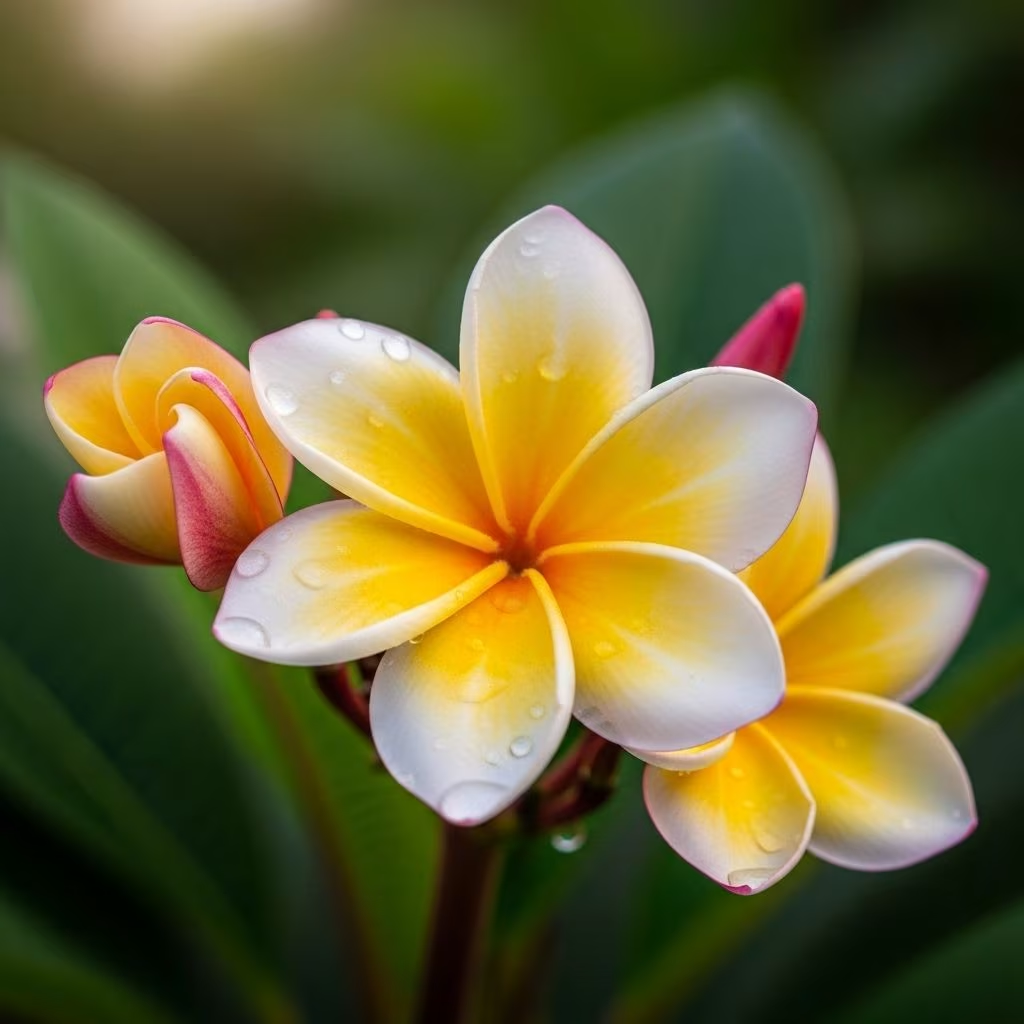
The Frangipane flower, also known as Plumeria, is a captivating tropical bloom treasured around the world for its exquisite fragrance, unique beauty, cultural significance, and versatile uses. This comprehensive guide explores everything you need to know about the Frangipane flower—from its origins and botanical details to its benefits, applications, and taste profile.
Overview and Botanical Identity
Frangipane (botanical name: Plumeria) refers to a genus of small, flowering trees and shrubs in the dogbane family Apocynaceae. Commonly called Frangipani or simply Plumeria, these plants are celebrated for their visually striking, star-shaped blossoms and intoxicating fragrance. Frangipane plants are native to the tropical and subtropical Americas but are now grown worldwide in warm climates, adorning gardens, public parks, and sacred spaces with their lush, perfumed clusters.
- Genus: Plumeria
- Family: Apocynaceae
- Common Names: Frangipani, Plumeria, Temple Tree, Pomelia (Italy), “Flowers of Paradise”
- Native Range: Mexico, Central America, northern South America, and the Caribbean
Origin, Naming, and Symbolism
The name Frangipane is steeped in history and legend. The genus Plumeria was named by French botanist Charles Plumier, who encountered the plant in the Americas in the 17th century. The common name “Frangipane” is believed to have originated from an Italian nobleman, Marquis Muzio Frangipani, who invented a perfume featuring a similar aroma in the 16th century. As a result, when European explorers discovered the plant, its naturally sweet, spicy, and alluring scent brought to mind the famous Frangipani perfume. Thus, the flower adopted the name in many regions.
Plumeria is closely associated with femininity, immortality, and new beginnings in various cultures. It features significantly in Asian and Pacific societies—adorning temples, represented in leis and garlands, and symbolizing everything from the circle of life to spiritual devotion.
Physical Description: Plant, Leaves, and Flowers
Frangipane (Plumeria) plants manifest as small trees or large shrubs capable of reaching heights of 5–10 meters in the wild, although many ornamental cultivars are more compact. Their overall appearance is shaped by gnarled, swollen branches, a well-behaved root system, and clusters of large, waxy leaves at branch tips.
- Branches: Succulent and thick, often exuding a milky, sticky sap when cut. This latex-like sap is poisonous and can cause skin irritation or other symptoms if ingested.
- Leaves: Vary by species but are generally elongated, pointed, and grouped at the ends of branches. They may be dark green on top and lighter underneath, sometimes with corrugated surfaces or high gloss.
- Flowers: The star attraction, with five (sometimes six or seven) overlapping, waxy petals. The most common forms display white petals with yellow centers, but cultivars range from deep crimson, pink, pastel yellow, and orange to pure white or even multi-colored varieties.
- Flower Clusters: Blossoms grow in clusters at branch ends, appearing from early summer into fall and often lasting for months in warm climates.
Each blossom is 2-4 inches (5–10 cm) in diameter, tubular at the base, and highly fragrant throughout its lifecycle—even more so at night.
Fragrance Profile: Exotic and Seductive Scents
Among tropical blooms, Frangipane flowers are famous for their unique and powerful scent. Their fragrance is a balanced mosaic of several aromatic notes:
- Floral undertones: Resembling jasmine, wild rose, or gardenia
- Sweet, spicy hints: Notes of vanilla, cinnamon, and sometimes nutmeg
- Citrus lifts: Subtle undertones of fresh citrus peel
- Fruity nuances: Impressions of coconut, peach, and tropical fruits
- Woody and lactonic elements: Warm, creamy, or slightly woody backnotes
The overall effect is a multi-layered and luxurious tropical bouquet that is both heady and fresh, capable of evoking strong emotional responses. In the East, the scent is often linked to mystical or spiritual experiences—earning epithets such as “the eternal perfume” or “flowers of paradise” for its persistently captivating fragrance.
| Scent Note | Common Description |
|---|---|
| Floral | Jasmine, rose, gardenia |
| Spicy | Vanilla, cinnamon |
| Citrus | Lemon, orange, bergamot hints |
| Fruity | Peach, coconut |
| Lactonic/Wood | Milk, soft woods |
Benefits and Traditional Uses
The extraordinary beauty and fragrance of Frangipane flowers have led to their use in a variety of ways worldwide.
- Ornamental Decoration: Frangipane is cultivated as a prized balcony, garden, or landscape plant, providing visual and aromatic appeal.
- Leis and Garlands: In the Pacific Islands (Hawaii, Tahiti, Fiji, Samoa), flowers are strung into leis for welcoming rituals and celebrations.
- Temple and Ritual Use: In Hindu and Buddhist cultures, the blossoms are placed in offerings or adorn temples to symbolize devotion, immortality, or rebirth.
- Traditional Remedies: Various parts of the plant, especially the bark and leaves, have been used in folk medicine for skin conditions, fever relief, or wound healing. However, caution is advised due to the plant’s toxic sap.
- Cosmetics and Perfumery: Frangipane essence is a valued fragrance component in luxury perfumes, soaps, lotions, bath products, and scented candles.
- Cultural Symbol: The flower is often incorporated into artwork, textiles, tattoos, and jewelry as an emblem of love, purity, or spirituality.
Edibility and Taste Profile
Are Frangipane flowers edible?
Though the Frangipane blossom is sometimes used as a decorative edible flower in tropical cultures, the plant’s milky sap (latex) is considered toxic to humans and animals if ingested in large quantities. The flowers themselves are generally not consumed as food but more commonly used as edible decoration—such as floating in cocktails or in festive presentations—although always in moderation and preferably after confirming the species’ safety.
Taste Profile: When tasted, Frangipani flowers are subtly perfumed with delicate hints that vaguely echo their aroma: floral, slightly sweet, and reminiscent of jasmine or honeysuckle. There may be a faintly spicy or creamy aftertaste, but the overall flavor is light and mild, lacking sharpness or bitterness.
- Flowers can be floated in teas or cold beverages for a gentle scent and flavor infusion.
- Always ensure flowers are untreated and not exposed to pesticides before culinary use.
- Consumption is typically limited to petals; the sap and green plant material should be avoided.
Important Note: Consuming large amounts of any part of the Frangipane plant is not recommended due to potential toxicity—specifically stomach upset or skin irritation from the sap. Always consult with a specialist or reference culinary guides before using in food or drink.
Potential Health and Wellness Benefits
Traditionally and in modern wellness trends, the Frangipane flower and other parts of the plant have seen use for potential medicinal and therapeutic effects. Key areas include:
- Stress Relief and Relaxation: Frangipani essential oil is lauded in aromatherapy for promoting tranquility, easing depression, and reducing anxiety, thanks to its soothing aromatic compounds.
- Skin Care: In some folk practices, poultices or oils derived from Plumeria have been applied topically to treat inflammation, minor wounds, acne, and sunburn.
- Anti-inflammatory and Antioxidant Potential: Preliminary research into Plumeria extracts suggests the presence of biologically active compounds with possible anti-inflammatory or antioxidative effects (used traditionally in tropical regions).
- Beauty Rituals: The flower’s gentle scent and emollient properties have made it a staple in high-end beauty formulations, revered for softening and perfuming the skin.
Caution: Most health claims come from traditional use, and scientific confirmation is still limited. Always consult with health professionals before relying on Plumeria for medicinal use.
Growing and Caring for Frangipane
Frangipane (Plumeria) grows best in warm, sunny climates and is valued for its resilience and low-maintenance nature. Their accommodating root systems and drought tolerance make them ideal for home gardens or containers.
- Growth Habit: Usually 5–6 meters tall with a similar width, though some species reach up to 10 meters.
- Light: Full sun is essential for maximum flowering.
- Soil: Well-draining soil prevents root rot—sandy or gritty soils are ideal.
- Watering: Moderate. Allow to dry out between waterings.
- Temperature: Grows best in USDA Zones 10–12 where temperatures stay above 40°F (4°C).
- Pruning: After flowering to control shape and encourage branching.
- Pest/Disease Resistance: Relatively robust, but can be susceptible to frost, stem rot in wet soils, and sucking insects in certain areas.
Cultural, Spiritual, and Symbolic Significance
The Frangipane flower plays meaningful roles in diverse world cultures:
- Pacific Islands: Plumeria is a primary component in Hawaiian leis, symbolizing positive energy, hospitality, or welcome.
- Asia: Flowers decorate Buddhist and Hindu temples. In Indonesia and Malaysia, they are linked to the afterlife or as tributes on graves.
- Central America: Seen as a symbol of love, immortality, and life’s transience. Plumeria rubra is Nicaragua’s national flower.
- Spiritual Uses: The “eternal perfume” is used in meditation or rituals to evoke spiritual clarity and peace.
The Frangipane’s association with rebirth, immortality, and beauty echoes through folklore, art, and literature, making it a cherished emblem in numerous traditions.
Safety, Toxicity, and Precautions
Despite their allure, Frangipane plants possess toxic properties. Key points:
- Latex sap in branches, leaves, and bark can cause skin irritation or allergic reactions on contact.
- Ingestion of plant parts (particularly latex) can lead to gastrointestinal upset and, in rare cases, more serious symptoms.
- Berries and seeds produced after flowering are poisonous and must not be eaten.
- Pets should also be kept away from plants and fallen blooms.
- Peoples with latex allergies should avoid handling cut or broken branches.
For ornamental, ritual, or limited culinary (decorative) use, the risk is minimal provided safety measures are observed.
Frequently Asked Questions (FAQs)
What is the difference between Frangipane and Plumeria?
There is no botanical difference. “Frangipane” and “Plumeria” are interchangeable terms: “Frangipane” is commonly used in Europe and Asia, while “Plumeria” is the official botanical term.
Are all Frangipane flowers white and yellow?
No. While white flowers with yellow centers are common, Frangipani flowers naturally occur in shades of pink, red, orange, pastel hues, and multicolored patterns, depending on the species and hybrids.
Are Frangipani flowers edible?
They can be used for edible decoration in small amounts, but the plant’s latex is toxic. Never consume green plant parts, sap, or seeds. Always ensure they are free from pesticides and consult trusted culinary sources before consumption.
Why are Frangipani flowers considered spiritual?
Their powerful fragrance and perennial beauty have earned them significant symbolism, representing immortality, rebirth, love, and spiritual devotion in many cultures from the Pacific Islands to Southeast Asia.
How can I grow Frangipani successfully in my garden?
Plant in a sunny, well-drained spot; water moderately, protect from frost, and prune after flowering. Frangipanis are hardy and relatively low-maintenance in warm climates.
References
- Alchimia Soap. “Frangipane or Plumeria, the tropical plant with an exotic scent.”
- All Things Frangipani. “About Frangipanis & Plumerias – Facts, history and myths and legends.”
- Gardenia.net. “Plumeria: How To Grow and Care with Success.”
- Wikipedia. “Plumeria.”
References
- https://alchimiasoap.it/en/frangipane-or-plumeria-the-tropical-plant-with-an-exotic-scent/
- http://www.allthingsfrangipani.com/frangipanis.html
- https://www.gardenia.net/guide/learn-how-to-grow-and-care-plumeria
- https://en.wikipedia.org/wiki/Plumeria
- https://www.missouribotanicalgarden.org/PlantFinder/PlantFinderDetails.aspx?kempercode=d451
- https://baliinstitute.com/blog/frangipani-bali/
- https://www.floridacolorsplumeria.com/plumeria-characteristics/
- https://www.flowermeaning.com/frangipani-flower-meaning/
- https://asianhealingartscenter.com/frangipani-flowers-anyone


