


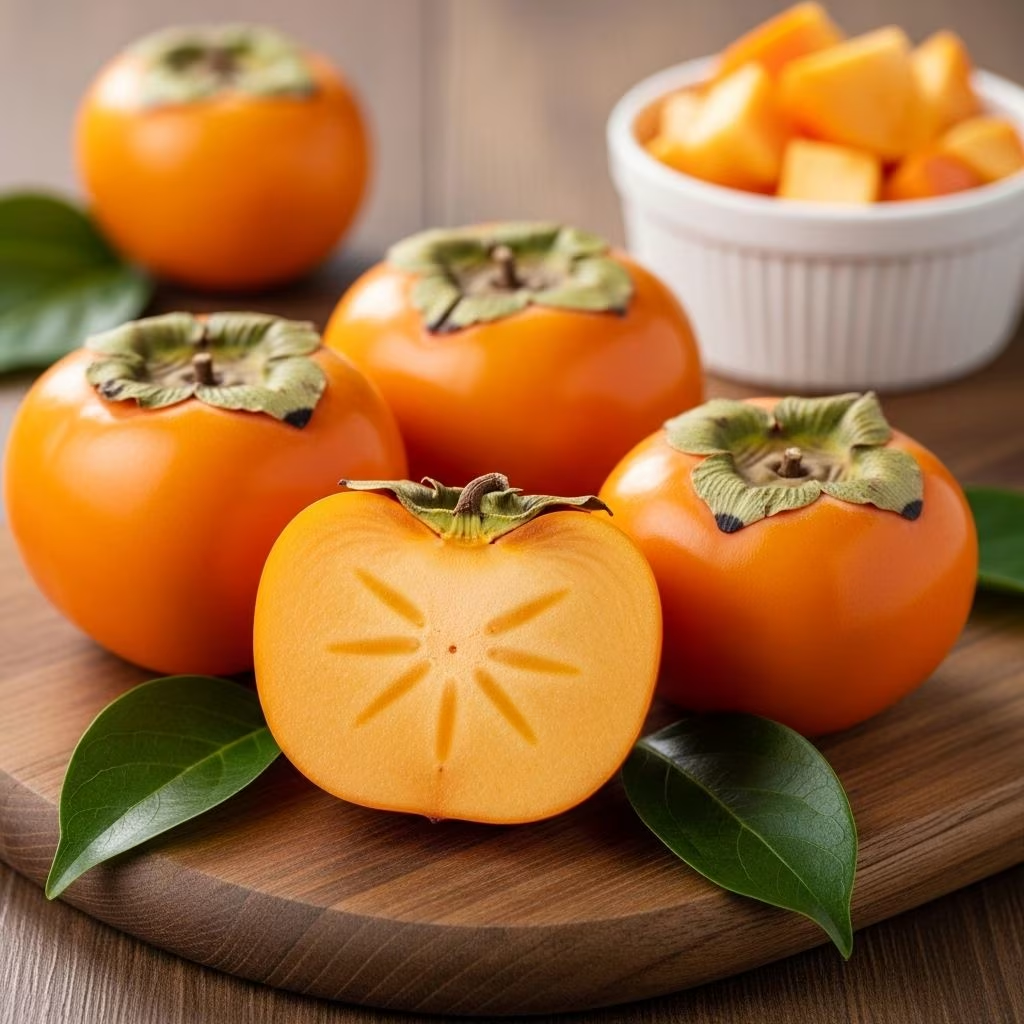
Fuyu persimmons are rapidly becoming a favorite among fruit enthusiasts for their pleasant flavor, non-astringent nature, and remarkable versatility in the kitchen. This article covers everything you need to know about Fuyu persimmons—their history, nutritional composition, health benefits, culinary applications, taste profile, how to select and store them, and answers to common questions.
What Are Fuyu Persimmons?
Fuyu persimmons belong to the family Diospyros kaki, commonly referred to as Asian or Japanese persimmon. The fruit is squat, round, and oblate—similar in shape to a beefsteak tomato, typically measuring 5 to 7 centimeters in diameter. Fuyu persimmons ripen into vibrant shades of orange to reddish-orange and feature a glossy, taut skin crowned with a green leafy calyx. Unlike some other persimmon varieties, most Fuyu fruits are seedless and have no central core, making them easy to eat whole.
Fuyus are valued for their low tannin levels, meaning they never produce the mouth-puckering astringency associated with other persimmon types; they are palatable when both firm and soft.1
Fuyu vs. Hachiya Persimmons
| Feature | Fuyu Persimmon | Hachiya Persimmon |
|---|---|---|
| Shape & Appearance | Squat, round, flat bottom | Elongated, acorn-shaped |
| Astringency | Non-astringent (low tannins) | Astringent (high tannins when unripe) |
| Texture When Ripe | Crisp or slightly soft | Soft, jelly-like |
| How to Eat | Raw (sliced or whole), cooked, baked | Only when fully ripe and soft |
| Flavor Profile | Sweet, hints of honey, cinnamon, dates | Intensely sweet, custard-like |
The main difference is that Fuyu persimmons can be enjoyed while still firm, unlike the Hachiya variety, which must be fully ripened—almost gelatinous inside—to avoid an unpleasant, drying sensation.2
Nutritional Value & Health Benefits
Fuyu persimmons are rich in essential nutrients and plant compounds beneficial for health.2 Key nutrients include:
- Vitamin A: Supports healthy vision, skin, and immune function.
- Vitamin C: Acts as an antioxidant, boosts immune defense, helps in iron absorption.
- Dietary Fiber: Promotes digestive health, regulates blood sugar, supports heart and gut health.
- Potassium: Helps regulate fluid balance and nerve signals.
- Manganese & Copper: Important for enzyme function and metabolism.
- Low Fat and Calories: Suitable for weight management and healthy snacking.
Additional bioactive compounds in Fuyu persimmons include phenolic acids, carotenoids, and flavonoids, all of which contribute antioxidant properties that can help protect the body from oxidative stress.
Potential Health Benefits of Fuyu Persimmons
- Improves Digestion: Fiber aids regular bowel movements and supports a healthy microbiome.
- Supports Eye Health: High vitamin A and beta-carotene content promote eye function.
- Boosts Immunity: Vitamins A and C together strengthen immune defense mechanisms.
- Reduces Inflammation: Antioxidants help neutralize inflammatory molecules.
- May Lower Cholesterol: Fiber and antioxidant activity can contribute to cholesterol management.
Taste and Texture of Fuyu Persimmons
Fuyu persimmons are celebrated for their honeyed sweetness and subtle flavors reminiscent of cinnamon, pears, dates, and brown sugar.1 When firm, they are crisp, dense, and juicy. As a Fuyu ripens further, the flesh softens, becoming tender and slightly translucent, with an even sweeter and more pronounced flavor. Due to their low tannin content, they do not have the mouth-drying or puckering effect typical of other persimmon varieties.
- Flavor Notes: Sweet, mild spice, caramel, brown sugar, hints of pear and date.
- Texture: Crisp and succulent when firm; tender and juicy when soft.
- Bitter/Astringency: Virtually none, even when not fully ripe.
Culinary Uses of Fuyu Persimmons
Fuyu persimmons are versatile—they can be enjoyed raw or cooked, in sweet or savory dishes. Their non-astringent character makes them an ideal fresh snack and ingredient in various recipes.
Popular Culinary Applications
- Fresh Eating: Enjoy sliced or whole, as the skin is edible and seeds are rare.
- Salads: Add slices to green salads, grain bowls, or pair with cheese (feta, goat cheese) for sweet-savory contrast.2
- Baking: Incorporate into cakes, muffins, breads, and tarts for moisture and natural sweetness.
- Roasting & Grilling: Roasted slices caramelize, gaining richer flavor and texture.
- Preserves: Use in jams, chutneys, and compotes thanks to their high sugar content.
- Breakfasts: Mix into yogurt, oatmeal, or blend into smoothies.
- Salsas & Chutneys: Combine with citrus, herbs, or spices as a topping for fish or grilled meats.
Recipe Inspiration
- Fuyu Persimmon, Feta & Walnut Salad
- Caramelized Roasted Fuyu Persimmons with Honey
- Fuyu Persimmon Chutney for Cheese Boards
- Persimmon-Yogurt Parfait with Toasted Almonds
- Persimmon Bread with Spices and Nuts
Selecting, Storing, and Preparing Fuyu Persimmons
How to Select Fuyu Persimmons
- Look for fruit with bright, smooth, glossy skin and a firm, heavy feel.
- Choose fruits with a green (not brown) calyx for freshness.1
- Avoid fruits with blemishes, soft spots, or excessive wrinkles.
How to Store Fuyu Persimmons
- Keep firm persimmons at room temperature for up to a week.
- To ripen, leave on the counter or in a paper bag with apples or bananas.
- Once soft, transfer to the refrigerator to prolong freshness.
- Fuyu persimmons can be kept in cold storage for several weeks.3
Preparing Fuyu Persimmons
- Wash thoroughly and remove the leafy calyx.
- Slice, dice, or eat whole; the skin is thin and edible.
- Most Fuyu persimmons are seedless, but check for seeds when cutting.
- No need to peel unless preferred.
Growing Fuyu Persimmon Trees
Fuyu persimmon trees (Diospyros kaki) are highly desirable for home gardeners due to reliable yields and robust adaptability.3 Key facts about growing Fuyu persimmon:
- Self-pollinating (no second tree needed)
- Bears fruit from a young age—large crops are common
- Thrives in full sun and well-drained soil
- Resistant to many pests and tolerant of heat
- Ripens in autumn (typically September–November)
- Fruit keeps well after harvest, making it ideal for home storage
Frequently Asked Questions (FAQs)
Q: Are Fuyu persimmons always seedless?
A: While most Fuyu persimmons are seedless, depending on cultivation, you may occasionally find one or two seeds in a fruit.1
Q: Can Fuyu persimmons be eaten when firm?
A: Yes, Fuyu persimmons are non-astringent and can be enjoyed both crisp and soft, unlike astringent varieties which require full ripening.1
Q: Do you need to peel Fuyu persimmons before eating?
A: The skin is thin, glossy, and edible. Peeling is optional and based on personal preference.1
Q: Can Fuyu persimmons be used in baking?
A: Absolutely. Fuyus add natural sweetness and moisture to baked goods like muffins, cakes, and breads.2
Q: How are Fuyu persimmons different from Hachiya persimmons?
A: Fuyus are squat, non-astringent, and best eaten firm, while Hachiyas are elongated, high in tannins, and require full soft ripening before eating.2
Q: When do Fuyu persimmons ripen?
A: They typically ripen between late September and November.34
Conclusion
Fuyu persimmons offer a delicious and nutritious way to expand your fruit repertoire. With their gentle sweetness, low tannin content, and impressive versatility in both sweet and savory dishes, they present an ideal choice for healthy snacking, cooking, and baking. Easy to grow, easy to store, and packed with health-promoting nutrients, the Fuyu persimmon truly earns its reputation as nature’s candy.
References
- https://specialtyproduce.com/produce/Fuyu_Persimmons_9071.php
- https://blog.bostonorganics.com/fuyu-vs-hachiya-persimmons-explained/
- https://www.starkbros.com/products/fruit-trees/persimmon-trees/fuyu-asian-persimmon
- https://www.isons.com/shop/fruit-trees/persimmons/fuyu-persimmon-tree/
- https://plants.ces.ncsu.edu/plants/diospyros-kaki-fuyu/
- https://www.gardenia.net/plant/diospyros-kaki-fuyu
- https://www.treesofantiquity.com/products/fuyu-persimmon
- https://www.calloways.com/fuyu-persimmon/


