


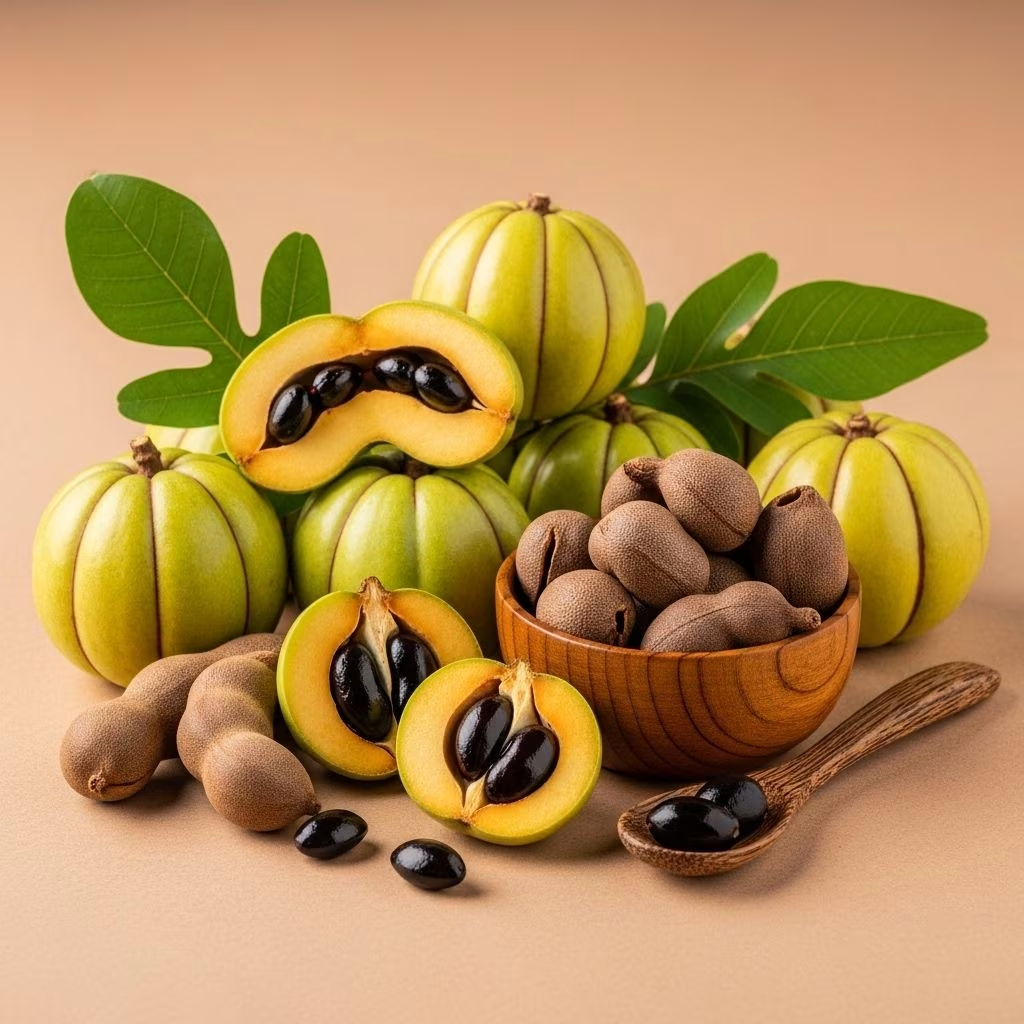
Gambooge, also widely known as Malabar Tamarind, Kudampuli, or by its scientific name Garcinia cambogia, is a tropical fruit renowned for its uniquely tart flavor, traditional culinary uses, and reputed health benefits. Indigenous to South and Southeast Asia and a staple in certain regional cuisines, this fruit has captured attention worldwide both as a cherished ingredient and a popular herbal supplement. This comprehensive guide explores what Gambooge is, its characteristics, culinary and medicinal uses, the science behind its health claims, and how its taste sets it apart.
Overview: The Gambooge Fruit
Gambooge (Garcinia cambogia) is a small to medium-sized evergreen tree from the Clusiaceae family, native to the tropical forests of southern India and Sri Lanka and extending into Southeast Asia. Its fruit is celebrated for its distinctive sourness and is an essential acidifying agent in many South Indian and Sri Lankan dishes.
- Known as: Gambooge, Malabar Tamarind, Kudampuli (in Kerala), Brindleberry, Fish Tamarind
- Scientific name: Garcinia cambogia
- Main regions: Southern India, Sri Lanka, Myanmar, Indonesia
- Key features: Small pumpkin-shaped fruit, deep grooves, thick rind, multiple seeds
Botanical Description and Origins
The Gambooge tree is an evergreen that grows slowly, with horizontal branches, blackish rough bark emitting dark yellow sap, and shiny dark green leaves (5-13 cm long). There are several key botanical characteristics:
- Fruit description: Yellow, purple, or red when ripe; round, deeply grooved like a pumpkin; 6–8 seeds inside; size similar to a small orange.
- Growth needs: Prefers deep, well-drained, slightly acidic clay soils; requires abundant rainfall with a short dry season for flowering.
- Flowering: White flowers bloom seasonally from February to April in most native regions.
- Habitat: Grows wild in tropical forests (400–900 m elevation) but also cultivated in home gardens, especially in Kerala.
Garcinia cambogia is closely related to other species in the Garcinia genus, such as Garcinia indica, which is used for culinary and medicinal purposes elsewhere in India.
Traditional and Cultural Significance
Gambooge has held a special place in the traditional cuisines and medicine of southern India and Sri Lanka for centuries.
- In cuisine: Especially vital in Kerala’s fish curries, where it imparts unique sourness and helps preserve the dish.
- Food preservation: The fruit’s acidity not only flavors but also inhibits oxidation, helping to store food safely in tropical climates.
- Ayurveda: Valued for therapeutic and antiseptic properties, it is traditionally used as a digestive aid, for joint pain, and to promote gut health.
- Ritual uses: Occasionally features in local medicine and rituals, emphasizing its cultural importance.
Preparation of dried Gambooge is a tradition in many households: mature fruits are halved, de-seeded, sun-dried, and some are smoked then preserved in oil and salt inside terracotta jars—a method ensuring longevity and consistent quality.
Nutritional Profile and Key Components
The primary nutritional and pharmacologically active compound in Gambooge rind is hydroxycitric acid (HCA). Other important components include fiber, trace amounts of vitamins and minerals, and potent antioxidants.
| Nutrient / Compound | Role / Benefit |
|---|---|
| Hydroxycitric acid (HCA) | Appetite suppression, reduction of fat accumulation, cholesterol regulation |
| Dietary fiber | Supports digestion, gut health |
| Antioxidants (polyphenols) | Reduces inflammation, combats oxidative stress |
| Vitamins and minerals (trace) | General metabolic and immune support |
HCA is mainly concentrated in the dried rind, which is the part of the fruit most commonly used for culinary and therapeutic purposes.
Potential Health Benefits of Gambooge
Gambooge has long been used for digestive aid, but recent research has triggered global interest in its potential health-promoting properties. Key claimed benefits include:
- Weight management: HCA has been studied for its ability to suppress appetite, inhibit fat synthesis by blocking an enzyme that converts sugar to fat, and potentially support weight loss.
- Cholesterol regulation: Some studies have shown that extracts can reduce LDL (“bad”) cholesterol and triglyceride levels, benefiting heart health.
- Antioxidant effects: The high levels of polyphenols help reduce inflammation and counteract free radical damage, supporting overall wellness.
- Digestive support: Traditionally used to treat indigestion, promote gut health, and relieve certain stomach ailments.
- Joint pain relief: Used in Ayurveda to calm inflammation and ease joint discomfort.
Important note: While animal and in vitro research has found these effects promising, clinical evidence in humans is mixed. No supplement should replace a balanced diet and healthy lifestyle, and individuals should consult health professionals before beginning supplementation.
Culinary Uses and Preparation Methods
Gambooge’s dried rind is prized for its powerfully tart, smoky-sour flavor. It is a foundational souring agent in:
- Kerala-style fish curries (such as “Meen Curry”) — essential for balancing rich, spicy flavors and imparting depth.
- Seafood preparations — particularly effective in preserving freshness and adding complexity.
- Vegetarian and meat stews: Used in some traditional meat preparations to replace tamarind or lime.
- Chutneys and soups: Adds tang and brightness to various condiments.
Typical preparation involves soaking the dried rind in warm water prior to use, reviving both flavor and aroma before adding it to dishes. The dried, often smoked, fruit pieces may be removed after cooking or left in for extra sourness.
Recipe Example: Kerala Fish Curry with Gambooge
- Soak dried Gambooge in warm water for 10-20 minutes.
- Add to curry with onions, spices, and fish; cook until flavors meld.
- Serve with rice for a traditional meal packed with tangy, smoky-sour notes.
Taste Profile and Sensory Experience
Gambooge’s taste is intensely sour, more so than regular tamarind or lime. The sun-dried or smoked rind brings additional smokiness and earthiness.
- Flavor: Strongly tart to acidic, sometimes lightly astringent; not suitable for eating raw due to sharpness.
- Smoked variant: After sun drying and smoking, it gains a complex, savory aroma similar to fermented or aged foods.
- Role in dishes: Used with bold ingredients to balance and enhance flavors without overpowering them.
Its ability to cut through rich, spicy gravies makes Gambooge irreplaceable in certain regional dishes.
How to Use Gambooge at Home: Tips & Methods
If you want to try Gambooge in your own kitchen, consider the following:
- Purchase sun-dried or smoked rinds from specialty markets (often labeled as Kudampuli or Malabar Tamarind).
- Before using, soak the rinds in warm water to restore their tangy, juicy character.
- Use sparingly: a little goes a long way in achieving the signature sourness.
- Discard the rind after cooking, or leave it in for additional flavor (based on preference).
- Pair with fish, lentil stews, or chutneys to experience its full potential.
Gambooge can also be found as an extract or supplement (capsules, powder) for purported health benefits, but these should be approached with caution and professional advice.
Precautions, Side Effects, and Sustainability
- Gastrointestinal concerns: Excessive intake (especially supplements) may cause digestive discomfort, such as nausea or upset stomach.
- Drug interactions: Individuals taking medication for diabetes, cholesterol, or psychiatric conditions should consult a doctor before using extracts.
- Pregnancy and lactation: Safety in these populations is not well established and should be avoided without medical guidance.
- Sustainability: Over-commercialization and unsustainable harvesting threaten native Gambooge forests. Support ethical sourcing and traditional preparation methods, which protect local biodiversity and respect community knowledge.
Frequently Asked Questions (FAQs)
Q: Is Gambooge the same as Garcinia Cambogia?
A: Yes. Gambooge, Malabar Tamarind, Kudampuli, and Garcinia Cambogia all refer to the same fruit, though names may differ by region.
Q: Can I substitute lime or tamarind for Gambooge?
A: While lime or regular tamarind can give some sourness, Gambooge’s deep tart and smoky profile is unique—substitutes may lack the same depth and aroma, especially in Kerala fish curries.
Q: How is Gambooge dried and preserved?
A: The fruit is halved, de-seeded, sun-dried (sometimes smoked), rubbed with oil and salt, and stored in airtight jars to remain fresh for years.
Q: Are there proven health benefits for weight loss?
A: Some studies suggest hydroxycitric acid may aid in appetite suppression and fat metabolism, but human evidence is mixed and not all supplements are effective.
Q: Is it safe to eat Gambooge raw?
A: No. The fruit is intensely sour and is too acidic for eating raw—traditionally, only the dried rind is used in cooking.
Conclusion
Gambooge (Malabar Tamarind) remains a treasured ingredient for its tart, smoky flavor and its role in both tradition and modern health. Whether savored in a southern Indian curry or explored for its potential benefits, this vibrant fruit offers something special to those who seek authenticity and bold flavor in the kitchen or curiosity in wellness. As always, responsible use and respect for its cultural roots ensures Gambooge continues to thrive for generations to come.
References
- https://www.fondazioneslowfood.com/en/ark-of-taste-slow-food/gambooge/
- https://www.pachakam.com/glossarydetail/gambooge-malabar-tamarind-kudampuli-garcinia-cambogia
- https://pmc.ncbi.nlm.nih.gov/articles/PMC4554634/
- https://www.livescience.com/39243-garcinia-cambogia-supplement-facts.html
- https://timesofindia.indiatimes.com/life-style/food-news/malabar-tamarind-its-benefits-side-effects-and-weight-loss-recipe/what-is-malabar-tamarind/photostory/87783384.cms
- https://en.wikipedia.org/wiki/Garcinia_gummi-gutta
- http://www.aliyaleekong.com/blog/kodampuli-or-malabar-tamarind
- https://herbalramble.wordpress.com/2018/02/16/malabar-tamarind-garcinia-gummi-gutta/
- https://acfsorganic.com/products/gambodge/
- https://www.inaturalist.org/taxa/447330-Garcinia-gummi-gutta


