


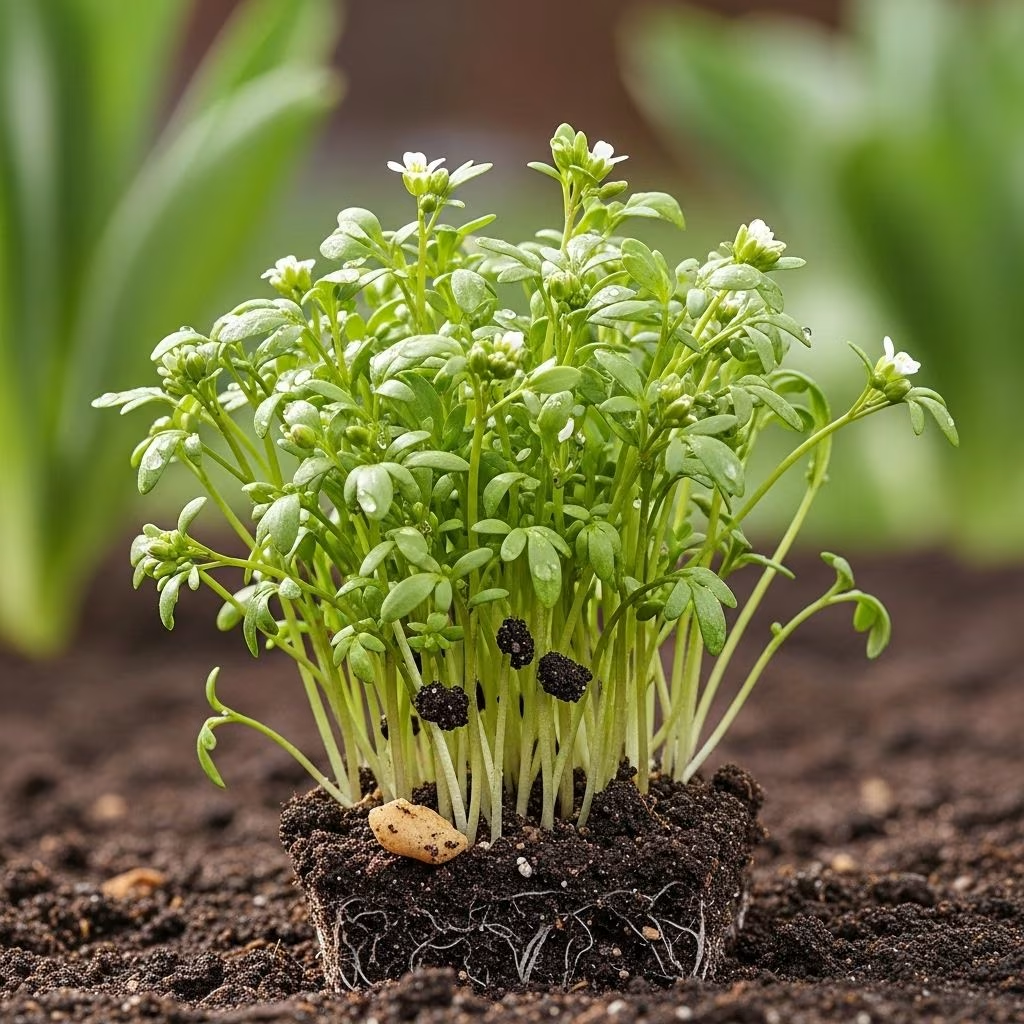
Garden cress (Lepidium sativum) is a fast-growing, edible herb from the mustard family, acclaimed worldwide for its robust nutrient content, distinct peppery taste, and diverse uses in culinary and traditional medicine contexts. This article provides an in-depth exploration of garden cress, covering its botanical characteristics, nutritional profile, health benefits, culinary applications, flavor attributes, cultivation methods, and frequently asked questions.
Introduction to Garden Cress
Garden cress (sometimes called garden pepper cress, pepper grass, or poor man’s pepper) is cultivated primarily for its crisp leaves and edible seed pods. Prized for its spicy aroma and peppery taste, garden cress is closely related to watercress, mustard, and radish—sharing with them both nutritional and flavor similarities. It is widely grown both outdoors and indoors, making it accessible for home gardeners and culinary enthusiasts.
Botanical Identification & History
Garden cress is an annual plant that grows up to 60 cm (about 24 inches) tall. The plant produces many branches in the upper part and displays small clusters of white to pinkish flowers, each only about 2 mm across.
- Family: Brassicaceae (cruciferous family)
- Genus: Lepidium
- Scientific Name: Lepidium sativum
- Origin: Likely Asia, but cultivated worldwide for thousands of years
- Historical Reference: The cultivation of cress dates back to ancient Egypt and Europe; Charlemagne mandated its cultivation during his reign.
Garden cress is frequently confused with related species such as watercress (Nasturtium officinale) and hairy bittercress (Cardamine spp.), but is distinct in both appearance and flavor.
Nutritional Profile of Garden Cress
Garden cress is revered as a nutrient-dense plant—even small servings provide a substantial share of daily vitamin and mineral needs. Consumed raw, it offers the highest nutrient levels. The most notable nutrients include:
- Vitamin A: Essential for vision, immunity, and skin health
- Vitamin C: Supports immune function and acts as a powerful antioxidant
- Vitamin K: Important for blood clotting and bone health
- Calcium, Iron, and Magnesium: Key dietary minerals for bone strength, oxygen transport, and cellular function
- Folate: Crucial for cellular growth and DNA synthesis
- Fiber: Contributes to digestive health and satiety
The following table illustrates the nutrition in a standard serving of fresh raw garden cress:
| Nutrient | Per 100g | % Daily Value* (approx.) |
|---|---|---|
| Calories | 32 kcal | 1.5% |
| Vitamin A | 6917 IU | 138% |
| Vitamin C | 69 mg | 76% |
| Vitamin K | 541 mcg | 451% |
| Calcium | 81 mg | 8% |
| Iron | 1.3 mg | 7% |
| Folate | 80 mcg | 20% |
*Percent daily values are based on a 2000 calorie diet.
Health Benefits of Garden Cress
The nutritional richness of garden cress translates to a range of proven and traditional health benefits:
- Immune System Support: High vitamin C content boosts immunity and helps the body fight infections.
- Bone and Dental Health: Abundant vitamin K and calcium contribute to healthy bones and teeth.
- Blood Purification: Traditionally used as a natural blood purifier, supporting detoxification.
- Anti-inflammatory Action: Used in folk medicine to treat inflammation and related conditions.
- Skin Health: Topically and internally, cress has been utilized for acne, skin infections, and general skin vitality.
- Diuretic Properties: Acts as a mild diuretic, supporting urinary tract health.
- Digestive Health: Its fiber content promotes healthy digestion and regularity.
- Respiratory Relief: Traditionally administered to help with coughs and as an expectorant.
Although celebrated in folklore for many uses, these effects complement—not replace—evidence-based medical treatments.
Culinary Uses and Applications
Garden cress excels in the kitchen due to its quick to harvest tender leaves and vibrant flavor. Here are popular ways to enjoy garden cress in your diet:
- Salads and Microgreens: The young leaves add a peppery punch to mixed salads and green bowls.
- Sandwiches: Used as a fresh layer or garnish, much like mustard greens or arugula, creating a zesty “farmer’s sandwich.”
- Soups: Stirred in just before serving, garden cress maintains its flavor and nutritional potency.
- Smoothies and Juices: Blends beautifully into green juices or vegetable-based smoothies for an antioxidant boost.
- Herbal Garnish: Sprinkled over eggs, potatoes, or roasted vegetables for a flavor lift.
- Seed Pods: When allowed to mature, the seed pods (or siliques) offer a crisp, spicy crunch to dishes.
- Sprouted: In many cultures, sprouted cress seeds are used as microgreens for their intense flavor and nutritional density.
Taste Profile and Comparisons
Garden cress is notable for its sharp, peppery, and slightly tangy taste—often described as reminiscent of mustard, radish, and watercress. This assertive profile makes it excellent both as a main leafy ingredient and as an accent. Younger leaves tend to be milder, while older leaves and fully developed seed pods deliver a more pronounced pepperiness.
To aid in comparison, consider the following table:
| Plant | Flavor Profile | Common Uses |
|---|---|---|
| Garden Cress | Peppery, tangy, mildly pungent | Salads, garnishes, sandwiches |
| Watercress | Peppery, crisp, slightly bitter | Soups, salads, sauces |
| Mustard Greens | Spicy, pungent, sometimes bitter | Cooking greens, stir-fries, pickles |
| Radish Greens | Peppery, earthy | Salads, sautés |
Cultivation, Harvesting, and Storage
Garden cress is considered one of the easiest herbs to grow, both indoors and outdoors. Its rapid germination and minimal needs make it especially popular with beginners and urban gardeners.
How to Plant
- Cress prefers moist, nutrient-rich soils, tolerant of a wide range of soil types.
- Plant seeds ¼ inch deep, in rows about 3-4 inches apart. Thin seedlings to 8-12 inches apart as they grow.
- Water regularly to maintain even moisture—drought stress significantly reduces yields.
- Cress can be grown hydroponically or in containers, even on a sunny windowsill.
Maintenance and Harvesting
- Harvest begins 2-3 weeks after sowing, at 2 inches tall. Pick older leaves first to prolong harvest.
- For a continuous supply, sow seeds every 2 weeks between spring and autumn.
- The best flavor is found in young, tender leaves; mature leaves may become tougher.
- A 10 to 15-foot garden row provides enough harvest for an average household.
Storage
- Cress leaves are best consumed fresh.
- If needed, wrap in a damp paper towel and refrigerate for up to several days.
- Dried cress loses much of its pungency and is therefore not commonly stored in this form.
Popular Varieties of Garden Cress
Several cultivars cater to different tastes and growing preferences:
- Wrinkled and Crinkled: Known for their uniquely textured, decorative leaves.
- Crumpled: Another variety with distinctive leaf patterning.
- Persian: Offers a classic cress flavor with fast growth.
- Curly: Curled, tender leaves prized for visual appeal and salad use.
Potential Side Effects & Precautions
Garden cress is considered safe for most people when consumed as a food. However, excessive consumption may have mild diuretic effects, and those with thyroid issues (or those on blood-thinning medications due to high vitamin K content) should consult a healthcare provider before frequent large servings.
Frequently Asked Questions (FAQs)
Q: Can I grow garden cress at home?
A: Yes. Garden cress thrives in containers, hydroponically, or directly in the garden with very little maintenance. Just provide consistent moisture and moderate sunlight.
Q: What is the best way to eat garden cress?
A: Fresh raw leaves add a peppery kick to salads, sandwiches, soups, and as garnishes. Avoid cooking for too long to preserve nutritional quality.
Q: Is there a difference between garden cress and watercress?
A: Yes. While both share a peppery taste and belong to the same family, they are different species with distinct growing habits and appearance.
Q: How long does garden cress take to grow?
A: Leaves are ready for harvest 2-3 weeks after planting, making garden cress one of the fastest-growing culinary herbs.
Q: Can garden cress help with specific health conditions?
A: It offers nutrients and compounds beneficial to health, supports immunity, digestion, and bone strength. Folk medicine uses it for skin and respiratory health, but always consult a healthcare provider for medical conditions.
Conclusion
Garden cress is a versatile, flavorful, and highly nutritious herb recognized both for its culinary value and traditional health uses. Its rapid growth, ease of cultivation, and impactful nutrient profile make it a superb addition to home gardens and kitchens. Whether adding zest to salads or supplementing your diet with natural vitamins, garden cress offers delightful possibilities for gardeners and cooks alike.
References
- https://en.wikipedia.org/wiki/Garden_cress
- https://extension.usu.edu/yardandgarden/research/garden-cress-in-the-garden
- https://www.bbg.org/article/weed_of_the_month_hairy_bittercress
- https://plantura.garden/uk/herbs/cress/garden-cress
- https://www.merriam-webster.com/dictionary/garden%20cress
- https://www.webmd.com/vitamins/ai/ingredientmono-453/garden-cress


