


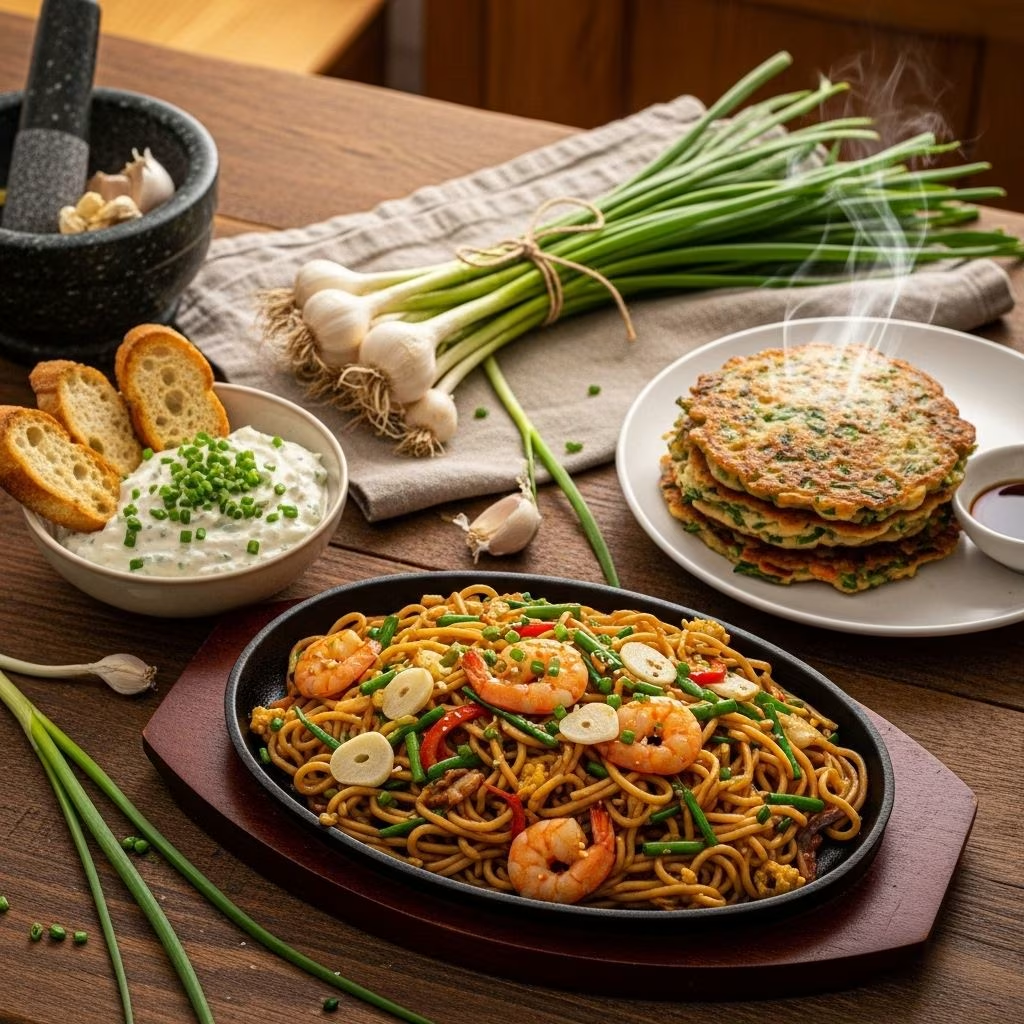
Garlic chives, also known as Asian chives or Chinese chives, bring an irresistible garlicky aroma and a subtle sweetness to any dish. Featured prominently in Chinese, Korean, and Vietnamese cooking, these versatile greens transform stir-fries, dumplings, and even simple egg dishes into something memorable. This comprehensive guide reveals the top recipes using garlic chives, step-by-step tips for perfect results, and answers to your top questions about this delicious herb.
Introduction: What Are Garlic Chives?
Garlic chives (Allium tuberosum) are a flat-leafed, aromatic herb in the onion family, distinct from common chives due to their pronounced garlicky flavor and broader, grass-like leaves. Also called Chinese chives or Asian chives, they are widely used in Asian cuisines for their ability to enhance both meat and vegetarian dishes with a bright, allium punch. Their texture remains firm when stir-fried, and their flower buds, called garlic chive flowers, are prized in spring and early summer.
How to Select and Store Garlic Chives
For best flavor and texture, follow these tips for choosing and keeping garlic chives fresh:
- Look for: Bright green, crisp leaves without yellow or wilted tips.
- Avoid: Slimy, faded, or limp bunches—these indicate age or improper storage.
- Storage: Wrap garlic chives in a slightly damp paper towel and place in a breathable bag (or loosely in the vegetable drawer). Store in the refrigerator for up to 5-7 days. Use quickly—they turn pungent and may wilt if left too long.
- Tip: If you purchased chive flowers, trim the ends just before cooking and use them within 2-3 days for the best flavor.
How to Cook Garlic Chives Perfectly
Garlic chives shine brightest when cooked simply and quickly; overcooking makes them limp and diminishes their vibrant flavors. Use these essential tips for perfect results:
- Cut just before use: Chop chives into 1-2 inch lengths right before adding to the pan to preserve color and aroma.
- Stir-fry fast over high heat: Use a hot wok or pan for crisp-tender results. Garlic chives typically need 1-3 minutes of cooking.
- Pair with eggs, shrimp, pork, or tofu: These ingredients absorb the delicate garlic flavor and offer classic combinations.
- Don’t add too early in dumplings: For fillings, mix chives in right before shaping dumplings to avoid wilting and water release.
- Add sauce at the end: Incorporate soy, oyster sauce, or seasonings off heat to avoid sogginess.
Top Garlic Chive Recipes
1. Garlic Chive & Egg Stir Fry (韭菜炒蛋)
This iconic homestyle dish uses the unbeatable pairing of fluffy scrambled eggs and aromatic garlic chives. Popular in Southern China, it is fast, satisfying, and a widely loved vegetarian option. Preparation to table: under 15 minutes.
- Ingredients:
- 0.5 pound (225g) garlic chives, chopped into 1–1.5 inch lengths
- 4 large eggs, lightly beaten
- 1 teaspoon olive or neutral oil
- 1/8 teaspoon salt
- 1 teaspoon oyster sauce (optional)
- Instructions:
- Preheat a nonstick pan on medium heat, add oil and swirl.
- Add chives with salt, stir-fry for 2–3 minutes until vibrant and mostly tender.
- Pour in the eggs, gently scramble and cook for 1–2 minutes until just set.
- Drizzle with oyster sauce and give a quick final stir. Serve right away while soft and aromatic.
Serving Tips: Serve with steamed rice, congee, or as a filling for a savory pancake.
2. Pork and Garlic Chive Stir Fry
This savory, protein-packed stir fry is a staple in Chinese home kitchens. It’s quick enough for weeknights but flavorsome enough for family dinners with its combo of juicy pork, ginger, and aromatic chives.
- Ingredients:
- 8 oz (225g) pork loin or tenderloin, thinly sliced
- 1/4 teaspoon sugar
- 2 teaspoons dark soy sauce
- 2 teaspoons Shaoxing wine (or dry sherry)
- 2 teaspoons cornstarch
- 8 oz (225g) garlic chives, cut into 2-inch pieces
- 1 tablespoon peanut oil
- 1-inch ginger, minced
- 4 Thai chilis, chopped (optional for heat)
- Sauce: 1 tablespoon water, 1 teaspoon dark soy sauce, 1/2 teaspoon chicken bouillon, 1/2 teaspoon sugar
- Instructions:
- Combine pork with sugar, soy sauce, wine; add cornstarch and marinate for 15 minutes.
- Mix all sauce ingredients in a small bowl.
- Heat skillet or wok over high heat, add oil, and fry pork for 30 seconds undisturbed.
- Add ginger, chilis, and garlic chives. Stir fry for 1 minute.
- Pour sauce over and cook, tossing until reduced and glossy. Remove from heat promptly to avoid overcooking.
Serving Tips: Excellent with rice or as a dish in a multi-course Chinese meal.
3. Stir-Fried Garlic Chive Flowers
Garlic chive flowers—the delicate flower stalks and buds of the chive—offer a sweeter nuance. This ultra-simple side celebrates their subtle flavors, and is free from major allergens.
- Ingredients:
- 1 pound garlic chive flower stalks, trimmed and cut to 1–1.5 inch pieces
- 2 teaspoons olive oil
- 1/8 teaspoon salt (or substitute soy sauce, oyster sauce, or sesame oil)
- Instructions:
- Wash, trim, and chop the chive flowers.
- Heat pan or wok over high heat, add oil, and stir fry stalks until bright green and just tender (1–2 minutes).
- Season, toss, and store off-heat for a minute before serving to keep them crisp.
Serving Tips: Serve with plain steamed rice or as a fresh accompaniment to grilled meats or tofu.
4. Chive Dumplings & Potstickers
Garlic chive dumplings are a beloved dim sum staple. Their filling usually combines the bold flavor of chives with juicy pork, shrimp, or both, enveloped in a tender dough wrapper.
- Common Filling Ingredients:
- Minced pork or shrimp (or both)
- Chopped garlic chives (about 1/3 of total filling by volume)
- Soy sauce, Shaoxing wine, a pinch of sugar, sesame oil, and white pepper
- Chopped mushrooms (optional for texture)
- Basic Assembly Steps:
- Mix filling ingredients, folding in chives last, just before assembling.
- Spoon filling onto dumpling wrappers, seal, and shape as desired.
- To cook, either steam for delicate, juicy dumplings, or pan-fry to make potstickers with a crisp golden bottom.
Serving Tips: Serve with a dipping sauce of soy sauce, black vinegar, or chili oil for extra flair.
5. Crispy Chive & Shrimp Rice Paper Dumplings
These trendy dumplings take inspiration from classic Asian street food. Using rice paper makes for crisp edges and a satisfyingly chewy texture, combining the sweetness of shrimp with aromatic chives.
- Filling Ingredients:
- Finely chopped shrimp
- Minced garlic chives
- Light soy sauce and a pinch of white pepper
- A dash of sesame oil
- Steps:
- Soften rice paper sheets in warm water, lay on a flat surface.
- Spoon a couple tablespoons of filling, fold over, and tuck in sides for a sealed package.
- Pan-fry in a little oil over medium-high until both sides are crispy and golden.
- Serve hot with sweet chili sauce, hoisin, or soy-based dip for brightness.
Other Delicious Garlic Chive Variations
- Tofu and Garlic Chive Stir Fry: Stir-fry cubed soft tofu and chives for a protein-rich, meat-free option. Add a few drops of soy sauce for depth.
- Garlic Chive Pancakes (Jiu Cai Bing): Mix chopped chives with flour, water, egg, and a bit of seasoning, cook like a savory pancake, and serve as an appetizer or snack.
- Vietnamese Garlic Chive Soup: Blanch chives in a light chicken or seafood broth and add tofu for a comforting soup that’s packed with greens.
- Raw garnish: Use finely snipped garlic chives as an aromatic finish on noodles, rice bowls, or grilled meats.
Frequently Asked Questions (FAQs)
Q: Can I eat garlic chives raw?
A: Yes, garlic chives can be eaten raw, but their flavor is quite strong. They are best used raw as a garnish, in salads, or stirred into dips.
Q: What’s the difference between garlic chives and ordinary chives?
A: Garlic chives have broader, flat leaves and a mild garlic aroma, while ordinary chives are thin, tubular, and taste more like green onions. Garlic chives are especially valued in Chinese cuisine for their unique flavor.
Q: Can garlic chives be frozen?
A: Garlic chives can be frozen, but their texture will become limp after thawing. It’s best to freeze them already cut and use only for cooked dishes.
Q: Are garlic chive flowers edible?
A: Yes, both the flower buds and young stems of garlic chives are edible and considered a delicacy in several Asian cuisines. They have a milder taste than the green leaves and are delicious stir-fried or added to dumpling fillings.
Q: How else can I use leftover garlic chives?
A: Add chopped chives to omelets, savory pancakes, salads, or as a topping on noodle bowls and soups for a sharp, herbal finish.
Conclusion: Why Garlic Chives Belong in Your Kitchen
Garlic chives are among the most flavorful, nutritious, and versatile greens you can add to your cooking. Whether you try them in a classic scramble, a savory stir fry, or as a punchy dumpling filling, these vibrant alliums bring quick, fresh, and boldly aromatic results. Experiment with the recipes above and discover why garlic chives are loved by cooks across Asia and beyond. Happy cooking!
References
- https://omnivorescookbook.com/pork-garlic-chive-stir-fry/
- https://nutfreewok.com/garlic-chives-stirfry/
- https://nutfreewok.com/garlic-chive-flowers-stir-fry/
- https://smellylunchbox.substack.com/p/3-recipes-for-your-garlic-chives
- https://ediblecommunities.com/recipes/garlic-chive-oil/
- https://food52.com/story/10537-garlic-chives-and-how-to-use-them
- https://www.youtube.com/watch?v=YlriFyTTz-8


